Skateboard Wheels Guide: Choose the Best Wheels for Your Ride
Skateboarding is more than just riding a board—every part matters, and none more so than the wheels. The right skateboard wheels can change your ride, help you land tricks, and keep you safe. But for many, choosing wheels can feel confusing.
There are different sizes, shapes, materials, and even hardness levels. Each choice impacts how your skateboard performs, whether you’re cruising down the street, skating in a park, or bombing hills. This guide will explain skateboard wheels in simple, clear English, so you can pick the perfect set for your needs.
What Are Skateboard Wheels Made Of?
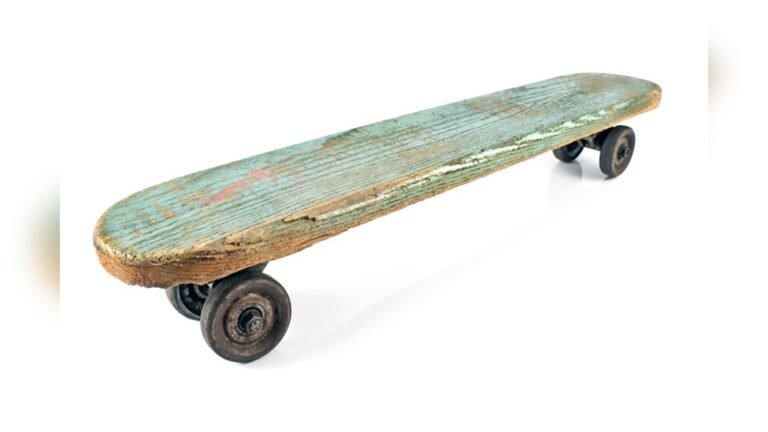
Most skateboard wheels are made from urethane, a type of plastic. Urethane became popular in the 1970s and replaced metal and clay wheels because it offers a smoother ride and better grip. There are different types of urethane blends, but almost all modern wheels use a formula that balances durability and performance. Some wheels also include additives for extra grip or a unique feel.
A small number of specialty wheels use other materials like rubber, but urethane is the standard for almost all skateboards you see today.
Wheel Size: Diameter And Why It Matters
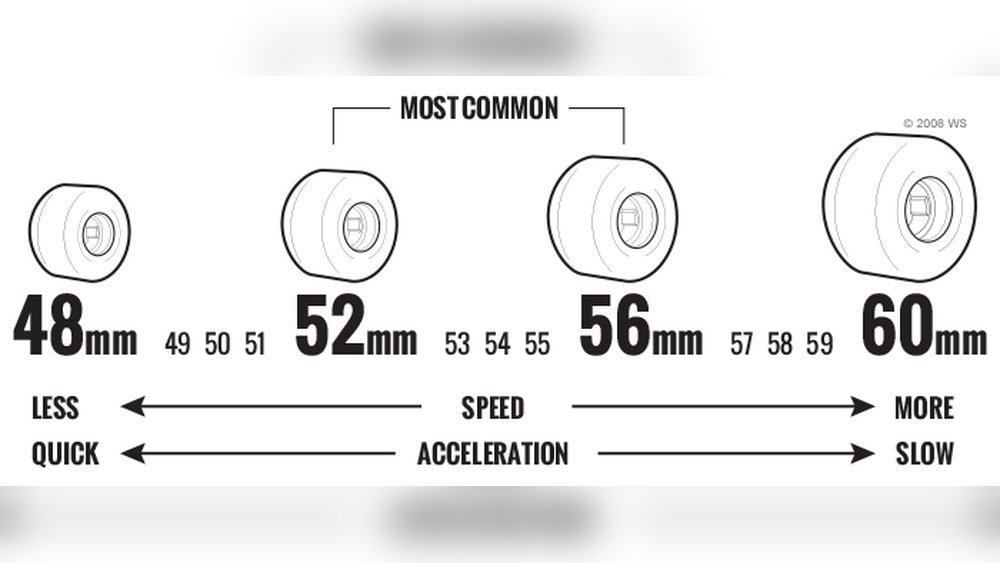
The diameter of your skateboard wheels is measured in millimeters (mm). Size affects speed, stability, and how easily you can do tricks.
- Small wheels (50–53mm): Best for technical street skating. They accelerate quickly and are lighter for tricks, but don’t roll as well over rough ground.
- Medium wheels (54–56mm): Good for both street and park skating. They offer a balance between speed and control.
- Large wheels (57–60mm+): Made for vert ramps, cruising, or downhill. They go faster and handle cracks better but are heavier.
Below is a quick comparison to help you see the difference:
| Wheel Size | Best For | Pros | Cons |
|---|---|---|---|
| 50–53mm | Street tricks | Quick acceleration, light | Slower, less stable on rough ground |
| 54–56mm | All-around | Balanced speed and control | Not specialized |
| 57–60mm+ | Cruising, vert, downhill | Faster, smooth over cracks | Heavier, less easy for tricks |
Non-obvious tip: If you use very large wheels, you might need riser pads to avoid “wheel bite,” which is when your wheels touch the deck and stop you suddenly.
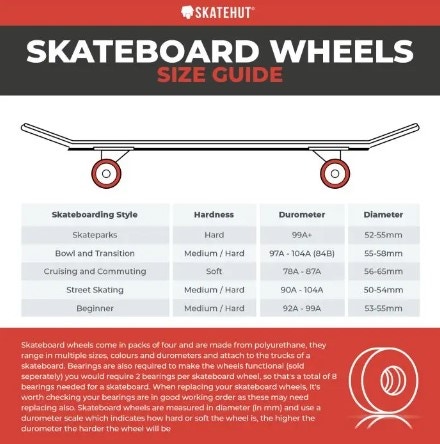
Credit: www.skatehut.co.uk
Wheel Hardness: The Durometer Scale
Wheel hardness is measured by a durometer rating, shown by a number and the letter “A” (like 99A). This number tells you how hard the wheel is. Most skateboard wheels are between 78A (softest) and 104A (hardest).
- Softer wheels (78A–87A): Great for rough surfaces, cruising, and longboards. They grip well and feel smooth but are slower and wear out faster.
- Medium wheels (88A–95A): Can be used for both street and park. They’re a little faster and still grip well.
- Hard wheels (96A–101A+): Common for street and park skating. They slide easily and are better for tricks but are rougher on bumpy surfaces.
Here’s a simple table to compare durometer ratings:
| Durometer | Surface Type | Feel | Typical Use |
|---|---|---|---|
| 78A–87A | Rough/outdoor | Very smooth, grippy | Cruising, filmers |
| 88A–95A | Mixed | Smooth, some slide | All-around, beginners |
| 96A–101A+ | Smooth/indoor | Hard, fast, slides | Street, park, tricks |
Non-obvious insight: Hard wheels (99A–101A) can actually help you learn to powerslide, which is a skill that helps stop quickly or control speed.
Wheel Shape: Profile And Contact Patch
Not all skateboard wheels have the same shape. The shape affects how the wheel touches the ground and how the skateboard handles.
- Classic/Standard: Rounded edges and a medium width. Good for most street and park skating.
- Conical: Wider contact patch with straight sides. More grip and control, which helps on ramps.
- Slim: Thinner wheels that are lighter and easier to flip for technical tricks.
- Wide/“Cruiser” shape: Fat, soft wheels for smooth cruising.
The contact patch is the flat part of the wheel that touches the ground. A wider contact patch gives you more grip and stability, while a narrow one slides more easily and feels lighter.
Example: Technical street skaters often use slim, rounded wheels for easy flip tricks, while ramp or bowl skaters might use conical wheels for extra grip.

Credit: www.slickwillies.co.uk
Core Placement And Materials
Inside each skateboard wheel is a core. The core holds the bearings and can be made from plastic, nylon, or even hollow materials.
- Center-set core: Placed in the middle of the wheel. Wears down evenly and can be flipped to extend life.
- Side-set core: Closer to the inside edge. Helps with sliding, common on longboard wheels.
- Offset core: Not fully centered. Balances grip and slide.
Some high-end wheels use a hollow core to make them lighter, which helps with tricks. Others use special plastics for extra speed. The core size and placement change how the wheel responds, especially during slides or sharp turns.
Beginner mistake: Many beginners ignore core type, but it can affect how your wheels roll and how long they last.
Choosing Wheels For Different Skate Styles
The best skateboard wheels depend on how and where you skate. Here’s a quick guide to help you choose:
Street Skating
Street skaters need wheels that are small, hard, and light. This makes it easier to flip the board and do technical tricks.
- Size: 50–54mm
- Hardness: 98A–101A
- Shape: Classic or slim
Park And Ramp Skating
If you skate bowls, ramps, or parks, you want wheels that balance speed and grip.
- Size: 54–58mm
- Hardness: 99A–101A
- Shape: Conical or classic
Cruising And Transportation
For smooth rides and rough streets, go for bigger, softer wheels.
- Size: 56–65mm
- Hardness: 78A–87A
- Shape: Wide cruiser
Downhill And Longboarding
Downhill riders need stability and grip at high speeds.
- Size: 60–75mm
- Hardness: 78A–85A
- Shape: Wide, square-edged
Example: If you mostly skate city sidewalks, softer and slightly larger wheels will smooth out cracks and bumps.

Credit: shop.ccs.com
Common Mistakes When Choosing Wheels
- Ignoring deck setup: Large wheels on a low or “street” board can cause wheel bite. Always check if you need riser pads.
- Choosing hardness only: Hard wheels are not always best. Softer wheels can make learning easier if your roads are rough.
- Not considering your weight: Heavier skaters may flatten soft wheels faster. Go harder if you’re above average weight.
- Copying pro setups blindly: What works for a pro may not fit your local terrain or your skill level.
- Buying cheap wheels: Low-quality wheels wear out fast and can be unsafe. Look for trusted brands with good reviews.
Wheel Maintenance And Lifespan
Skateboard wheels last a long time if you care for them, but they do wear out. Signs you need new wheels:
- Flat spots: From sliding too much. Causes bumpy rides.
- Coning: Wheels wear unevenly and become cone-shaped.
- Cracks or chunks: From impacts or low-quality urethane.
To make your wheels last:
- Rotate them every few weeks. Swap front and back, and flip them if they are center-set.
- Keep bearings clean and dry.
- Don’t store your board in hot cars or wet places—heat and moisture damage urethane.
Data point: Average street skaters replace their wheels every 6–12 months, but downhill and cruiser wheels may last longer.
How To Change Skateboard Wheels
Changing your wheels is simple with the right tools:
- Remove the axle nuts: Use a skate tool or wrench.
- Slide off the old wheels: Pull gently.
- Check the bearings: Clean or replace if needed.
- Place bearings in new wheels: Press them in evenly.
- Install new wheels: Slide onto the trucks and tighten axle nuts. The wheel should spin freely but not wobble.
If you feel resistance or the wheel does not spin well, do not overtighten the nut.
Popular Skateboard Wheel Brands
Some brands are known for making high-quality wheels. Here are a few trusted names:
- Bones: Famous for their STF (Street Tech Formula) and SPF (Skatepark Formula) wheels.
- Spitfire: Well-known for Formula Four, which resists flat spots.
- OJ: Popular for cruiser and bowl wheels.
- Ricta: Offers both hard street wheels and softer “Clouds” for cruising.
- Powell Peralta: Respected for their technical and classic wheel lines.
Tip: Buying from a well-known brand often means better performance and fewer problems.
Data: Wheel Size And Hardness Preferences
A 2022 survey of 2,000 skateboarders found:
- 61% preferred wheels between 52–54mm in diameter for street skating.
- 74% of park skaters used wheels between 54–56mm.
- 90% of cruisers chose wheels 60mm or larger.
- Hardness: 81% of technical skaters chose wheels rated 99A or harder.
These numbers show that most skaters pick wheels based on their riding style, not just looks.
Environmental Impact And Recycling
Skateboard wheels are not biodegradable. However, some companies now recycle old wheels into new products or use “eco urethane” formulas. Always check if your local shop accepts old wheels for recycling or upcycling.
Practical insight: Consider using your old wheels for art projects, doorstops, or even as practice wheels for beginners.
Where To Learn More
There are many online resources for deep dives into skateboard wheels. For advanced technical details, check out the Wikipedia page on skateboard wheels.
Frequently Asked Questions
What Size Skateboard Wheels Should A Beginner Use?
Beginners should start with 52–54mm wheels. This size offers a good balance between speed and control, making it easier to learn basic tricks and ride on different surfaces.
How Can I Tell If My Skateboard Wheels Are Worn Out?
Look for flat spots, cracks, or if they have become much smaller or cone-shaped. If your ride feels bumpy or you slide when you don’t mean to, it’s time to replace them.
Are Softer Or Harder Wheels Better For Street Skating?
Harder wheels (99A–101A) are usually better for street skating. They slide easily and are good for tricks, but if your streets are very rough, a slightly softer wheel (95A–97A) might help.
How Often Should I Rotate My Wheels?
Rotate your wheels every 1–2 months or after long sessions. This helps them wear evenly and last longer.
Can I Use Longboard Wheels On My Regular Skateboard?
You can, but longboard wheels are much bigger and softer. You’ll need riser pads to avoid wheel bite, and your board will feel heavier and slower for tricks.
Finding the right skateboard wheels can seem complex, but with the right information, you’ll make smarter choices. Remember, your wheels connect you to the ground—choose wisely for a safer, smoother, and more fun ride.