Who Invented Skateboard: Unveiling the History and Origins
Skateboarding is now a symbol of youth culture and creative sport, but its origin story is not as clear as some might think. If you ask, “Who invented skateboard? ” the answer is more complex than just one name or one date.
Instead, skateboarding’s invention is a story of innovation, community, and unexpected inspiration. Let’s explore how the skateboard came to be, who shaped its early days, and why its roots matter for anyone interested in skating today.
The Birth Of Skateboarding: Surfing On Land
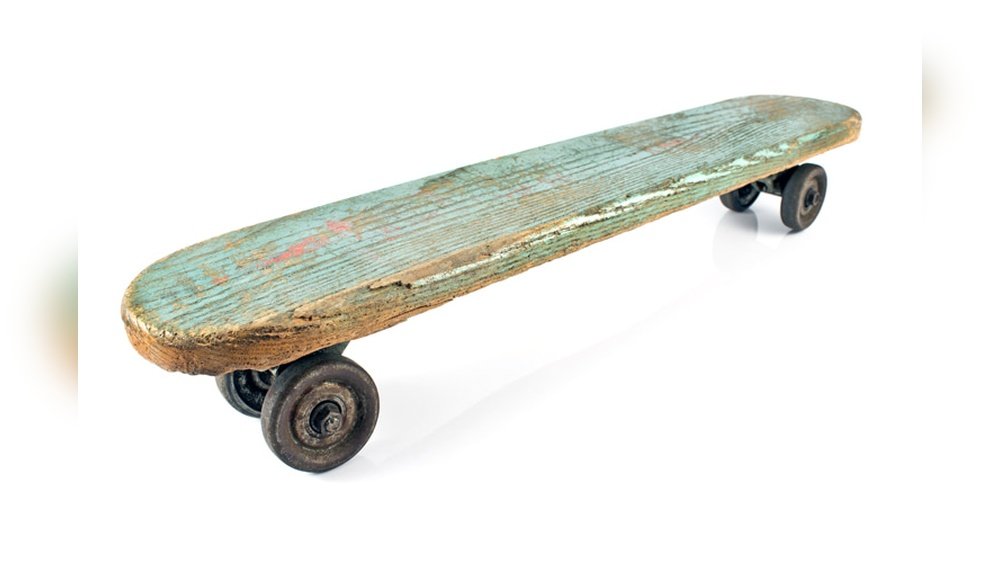
In the late 1940s and early 1950s, surfers in California started searching for a way to ride when the waves were flat. This idea—surfing on land—sparked the creation of the first skateboards. These early versions were not sold in stores. They were homemade, usually by attaching roller skate wheels to a wooden board. The result was rough and hard to control, but it let surfers practice balance and turns on city streets.
Key facts about early skateboarding:
- Most early boards were made from planks of wood and metal roller skate wheels.
- The ride was shaky and unsafe, often called “sidewalk surfing.”
- Kids and teens built their own boards, leading to many shapes and sizes.
Non-obvious insight: The earliest skateboards were not just for fun; they helped surfers improve their footwork and balance. This connection between surfing and skateboarding continues today, especially in places like California and Hawaii.
Who Gets The Credit? The Search For The Inventor
Many people want a simple answer to “Who invented skateboard? ” The truth is, there is no single inventor. Instead, skateboarding grew from the ideas and experiments of many people. However, a few names stand out.
The Early Makers
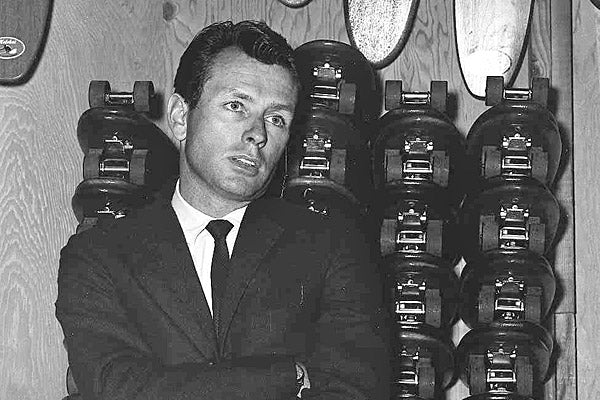
- Bill Richards – In 1958, Bill Richards, owner of Val-Surf shop in Hollywood, started selling skateboards. He attached roller skate trucks to custom-shaped boards and sold them to local kids. This was one of the first times skateboards were sold as a product.
- Larry Stevenson – In the early 1960s, Larry Stevenson, a Venice Beach lifeguard, designed the Makaha skateboard. He improved the board’s shape and added better wheels. Stevenson is also credited with inventing the kicktail—the upward curve at the back of the board—which changed how tricks were performed.
- The Roller Derby Skate Company – Around 1959, this company began mass-producing skateboards. They used a simple, flat wooden plank and steel wheels.
Data comparison:
| Person/Company | Key Contribution | Year |
|---|---|---|
| Bill Richards | First retail skateboards | 1958 |
| Larry Stevenson | Kicktail, Makaha brand | 1963 |
| Roller Derby | First mass production | 1959 |
Non-obvious insight: Though Bill Richards and Larry Stevenson are often mentioned, the “invention” was more about constant improvement. Each new board design solved a problem with the last one.

Credit: www.thesupplynetwork.co.uk
How Skateboards Evolved: From Toy To Sport
The first skateboards were simple, but they quickly improved. Over time, better materials, shapes, and wheels transformed skateboarding from a backyard hobby to a serious sport.
Key Changes In Skateboard Design
- Wood to Laminates: Early boards used solid wood. By the mid-1960s, manufacturers began using plywood laminates, making boards lighter and stronger.
- Wheels: The shift from metal or clay wheels to urethane wheels in the early 1970s (thanks to Frank Nasworthy) made skateboards faster, smoother, and safer.
- Kicktail and Concave: The kicktail allowed for new tricks. By the late 1970s, boards had a concave (curved) shape, improving control.
Here’s a look at how skateboard features changed over time:
| Decade | Main Board Material | Wheel Type | Key Feature |
|---|---|---|---|
| 1950s | Solid wood | Steel/metal | Homemade builds |
| 1960s | Plywood | Clay | First retail boards |
| 1970s | Plywood laminate | Urethane | Kicktail, concave |
| 1980s+ | 7-ply maple | Urethane | Modern street shape |
Practical tip: If you see an old skateboard at a flea market, check the wheels and the board shape. Metal wheels and flat boards are signs of a 1950s or early 1960s model.
Why Skateboarding Took Off
Skateboarding’s rise wasn’t just about better boards. It was about culture, community, and creativity.
- Surfer Influence: Surfers wanted to keep practicing, so they brought the style and attitude of surfing to the street.
- Media Attention: In 1965, Life magazine featured skateboarding, leading to a boom in popularity.
- Contests and Teams: Companies like Makaha formed the first skateboard teams, turning skateboarding into a competition.
- DIY Spirit: Early skateboarders built ramps and pools, leading to new styles and tricks.
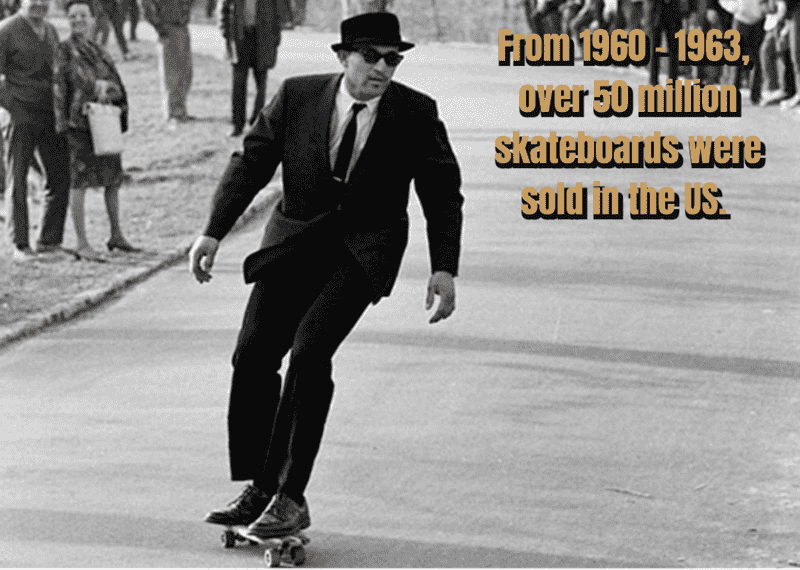
Data point: By 1965, it’s estimated that more than 50 million skateboards had been sold in the United States. However, many were cheaply made and the first “crash” in popularity came by the late 1960s due to safety concerns.
Non-obvious insight: The skateboarding “crash” in the late 1960s led to a new wave of innovation, as dedicated riders and small companies started building better, safer boards.
The Role Of Technology: Wheels, Trucks, And Shape
The Wheel Revolution
One of the most important changes was the urethane wheel. Invented by Frank Nasworthy in 1972, urethane wheels gripped the street better, rolled smoother, and made tricks possible. Before this, clay wheels were common but they were rough, cracked easily, and slipped on smooth surfaces.
- Frank Nasworthy’s Cadillac Wheels became the industry standard almost overnight.
Trucks And Turning
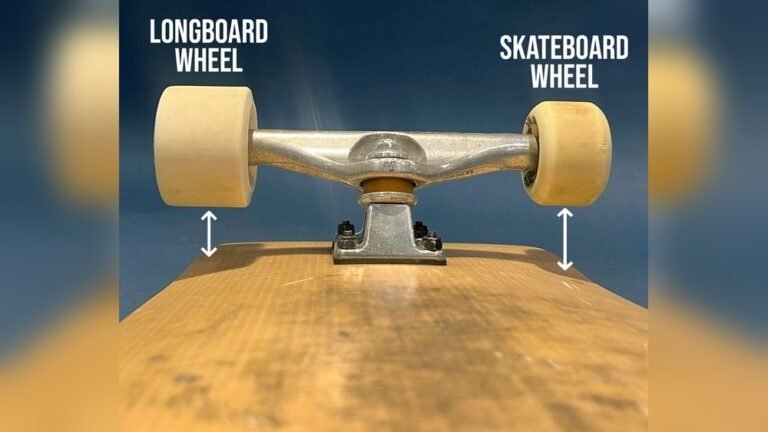
Skateboard trucks are the metal parts that connect the wheels to the board and allow it to turn. Early trucks were designed for roller skates, not skateboards. As tricks became more advanced, companies designed trucks specifically for skateboarding, making sharper turns and ollies possible.
Board Shape
The kicktail was another breakthrough. First patented by Larry Stevenson, it allowed skaters to lift the front or back of the board, opening the door for tricks like the ollie, kickflip, and more.
| Part | Early Version | Modern Version | Impact |
|---|---|---|---|
| Wheels | Metal/Clay | Urethane | Speed, grip, safety |
| Trucks | Roller skate design | Custom skateboard trucks | Better turning, tricks |
| Deck shape | Flat | Kicktail/concave | Jumping, flips |
Important Figures In Skateboard History
While no one person can be called the inventor of the skateboard, some pioneers stand out:
- Bill Richards: Sold the first retail boards.
- Larry Stevenson: Invented the kicktail, created Makaha skateboards, and organized the first professional team.
- Frank Nasworthy: Brought urethane wheels to skateboarding, making tricks and smooth riding possible.
Tip: When people ask for “the inventor,” explain that it was a group effort. Skateboarding grew from the creativity of many, not just one genius.
The Influence Of Communities And Culture
Skateboarding’s roots are tied to California surf culture, but other places helped shape the sport.
- Venice Beach, CA: Known as “Dogtown,” this area produced legendary skateboarders who invented vertical skating—riding on ramps and in empty pools.
- Hawaii: Surfers in Hawaii also built early boards and shared ideas with California.
- East Coast: Skateboarding spread quickly to cities like New York, where street skating developed.
Non-obvious insight: Many of the tricks and styles we see today started not in professional contests, but in backyards, alleys, and abandoned pools.
Common Myths About Skateboard Invention
There are several myths about who invented the skateboard. Let’s clear up a few:
- Myth: “One person invented the skateboard.”
Fact: It was a group process, with many small inventions.
- Myth: “Skateboarding started as a toy.”
Fact: It began as a way for surfers to practice, not just for kids.
- Myth: “Early skateboards were safe and reliable.”
Fact: The first boards were often dangerous, with poor wheels and weak wood.
Credit: flyingpistonbenefit.com
Lessons From Skateboarding’s Origin
Understanding the invention of the skateboard is more than just knowing who did it first. It’s about innovation, community, and the drive to solve problems.
- Every improvement—wheels, shape, trucks—came from someone trying to make skating better.
- Early skaters often had to build their own ramps and boards. Today, that same “do-it-yourself” attitude remains in the skate community.
- Skateboarding’s history shows that new sports often grow out of other activities (like surfing).
If you want to learn more about skateboarding’s history, check the detailed timeline and stories on Wikipedia.
Frequently Asked Questions
Who Is Often Called The Inventor Of The Skateboard?
No single person is the inventor. However, Bill Richards, Larry Stevenson, and Frank Nasworthy made important contributions that turned the homemade boards of the 1950s into the modern skateboard.
When Was The First Skateboard Made?
The first skateboards appeared in the late 1940s and early 1950s. These boards were homemade, using roller skate wheels and wooden planks. Commercial boards began appearing in stores around 1958-1959.
Why Did Skateboarding Become Popular?
Skateboarding became popular because it let surfers ride when there were no waves. Media coverage, contests, and the creativity of early skaters helped it grow from a hobby into a global sport.
What Was The Biggest Breakthrough In Skateboard Design?
The urethane wheel, invented by Frank Nasworthy in 1972, was the most important breakthrough. It made boards faster, smoother, and safer, which allowed new tricks and styles.
How Is Today’s Skateboard Different From Early Versions?
Modern skateboards are made from 7-ply maple wood, have urethane wheels, custom trucks, and a kicktail. They are stronger, lighter, and designed for tricks—very different from the flat wooden boards with metal wheels used in the 1950s.
Skateboarding’s invention is a story of small steps, shared ideas, and the passion of a community. It reminds us that progress often comes from collaboration and the courage to experiment. Today’s skateboards are the result of decades of innovation, proving that sometimes the best inventions are never the work of just one person.
Credit: www.thesupplynetwork.co.uk