Are Penny Boards Good for Beginners: Expert Guide and Tips
Penny Boards often catch the eyes of new skaters with their bright colors and compact shape. You’ll see them under the feet of students cruising around campus or city dwellers weaving through traffic. But are Penny Boards actually a good choice for beginners learning to skateboard for the first time?
Or do their small size and unique design present hidden challenges that newcomers might not expect?
Let’s look closely at what makes Penny Boards different, how they compare to traditional skateboards, and whether they help or hinder people just starting their skate journey. You’ll also see real comparisons, practical tips, and honest answers to common questions—all designed to help you make the smartest decision.
What Is A Penny Board?
A Penny Board is a small plastic skateboard known for its lightweight and portable design. The original Penny Board is 22 inches long and made from high-quality plastic, with soft wheels and a narrow deck. Created by the Australian brand Penny Skateboards in 2010, these boards quickly gained popularity because of their fun look and easy-to-carry size.
Today, “Penny Board” can refer to any similar plastic mini-cruiser, but true Penny Boards are branded and have specific quality standards. You’ll find them in two main sizes: the classic 22-inch and the slightly larger 27-inch “Nickel” board.
What Makes Penny Boards Stand Out?
Penny Boards are different from traditional skateboards and longboards in several ways:
| Feature | Penny Board | Standard Skateboard | Longboard |
|---|---|---|---|
| Length | 22″ or 27″ | 31″-32″ | 36″ and up |
| Deck Material | Plastic | Wood (usually maple) | Wood, bamboo, or composite |
| Deck Width | 5-6″ | 7.5-8.5″ | 8-10″ |
| Wheels | Soft, 59mm | Hard, 52-54mm | Softer, 65-75mm |
| Weight | ~4 lbs | ~7 lbs | ~8-12 lbs |
| Purpose | Cruising, portability | Tricks, park, street | Cruising, downhill, comfort |
Key differences: Penny Boards are smaller, lighter, and made from plastic rather than wood. Their soft wheels glide over rough pavement, and the compact size makes them easy to carry in a backpack or under your arm.
Are Penny Boards Beginner-friendly?
If you’re new to skateboarding, the first thing you’ll notice is how small a Penny Board feels under your feet. For many beginners, this can be both exciting and intimidating. Here’s what you need to know about starting out on a Penny Board.
Pros For Beginners
- Portability: Penny Boards are very lightweight and easy to carry. If you need a board that fits in a locker, backpack, or under a desk, this is a strong plus.
- Smooth Ride: The soft, larger wheels absorb bumps and cracks, making city sidewalks and rough pavement less scary for beginners.
- Durability: The plastic deck can take drops and bangs without chipping or breaking, so you don’t have to worry about damaging your board as you learn.
- Fun Design: Bright colors and cool styles often make beginners excited to practice more.
- Affordable: They are often cheaper than full-size skateboards, especially if you choose a non-branded version.
Cons For Beginners
- Stability: The narrow deck and short wheelbase make Penny Boards much less stable than standard skateboards. Keeping your balance, especially at speed or on slopes, is harder.
- Control: Turning is sensitive due to the small size. Beginners may feel “twitchy” control, which can lead to falls.
- Foot Placement: There’s very little room for your feet, making it tricky to find a comfortable, solid stance.
- Limited Tricks: Penny Boards are not designed for tricks, ollies, or skatepark use. If you want to learn tricks, a traditional skateboard is better.
- Braking: Stopping safely can be difficult. There’s no tail kick for foot braking, and the small deck can make jumping off scary.
Real beginner insight: Many new skaters find the first few rides on a Penny Board wobbly and unpredictable. Compared to wider, wooden skateboards, the learning curve can feel steeper, especially if you have larger feet or balance issues.
Penny Board Vs. Regular Skateboard For Beginners
To help you decide, here’s a direct comparison between Penny Boards and regular skateboards for new riders.
| Aspect | Penny Board | Regular Skateboard |
|---|---|---|
| Ease of Learning | Harder for most | Easier for most |
| Stability | Lower | Higher |
| Control | Quick, sensitive | Predictable, stable |
| Tricks | Not suitable | Great for learning |
| Portability | Very high | Medium |
| Cost | Lower (basic models) | Medium to high |
| Rough Pavement | Good performance | Not as smooth |
If your main goal is to cruise smoothly on sidewalks and carry your board everywhere, a Penny Board is tempting. If you care about balance, easy learning, and trying tricks, a standard skateboard is usually a safer bet.
Common Beginner Mistakes With Penny Boards
Many people buy a Penny Board because it looks fun and easy. But some mistakes can make your first experience harder than it needs to be.
- Starting on steep hills: Penny Boards pick up speed fast and are hard to control downhill. Stick to flat, open spaces until you’re confident.
- Standing too close to the edges: The small deck means your toes or heels can slip off easily. Keep your feet centered and practice your stance while stationary.
- Ignoring safety gear: Because Penny Boards feel like toys, some beginners skip helmets or pads. Always wear a helmet, especially when learning.
- Expecting to learn tricks: Penny Boards aren’t made for ollies, flips, or skatepark ramps. Trying these can lead to frustration or injury.
- Not checking the trucks: Sometimes, Penny Boards come with very loose trucks (the part that turns the wheels). Beginners should tighten them slightly for more stability.
Pro tip: If you feel wobbly, check your truck tightness with a skate tool. Tighter trucks mean less turning, but more stability—great for learning.
Who Should Start With A Penny Board?
A Penny Board can be a good fit for some beginners, but not everyone. Here are some profiles where it works best:
- You need maximum portability: College students or commuters who want a board for short trips and easy carrying.
- You have smaller feet: Kids and teens may find the narrow deck fits them better.
- You want a fun, casual ride: If you just want to cruise and don’t care about tricks or skateparks.
- You skate on rough pavement: The soft wheels handle cracks and bumps better than standard skateboards.
But if you want to learn tricks, value maximum stability, or have larger feet, a wider wooden skateboard will be easier and safer as a first board.

Credit: www.pennyskateboards.com
Practical Tips For Learning On A Penny Board
If you do choose to start with a Penny Board, these tips will help you get comfortable faster.
- Practice on smooth, flat ground: Empty parking lots or tennis courts are ideal. Avoid hills and crowded sidewalks at first.
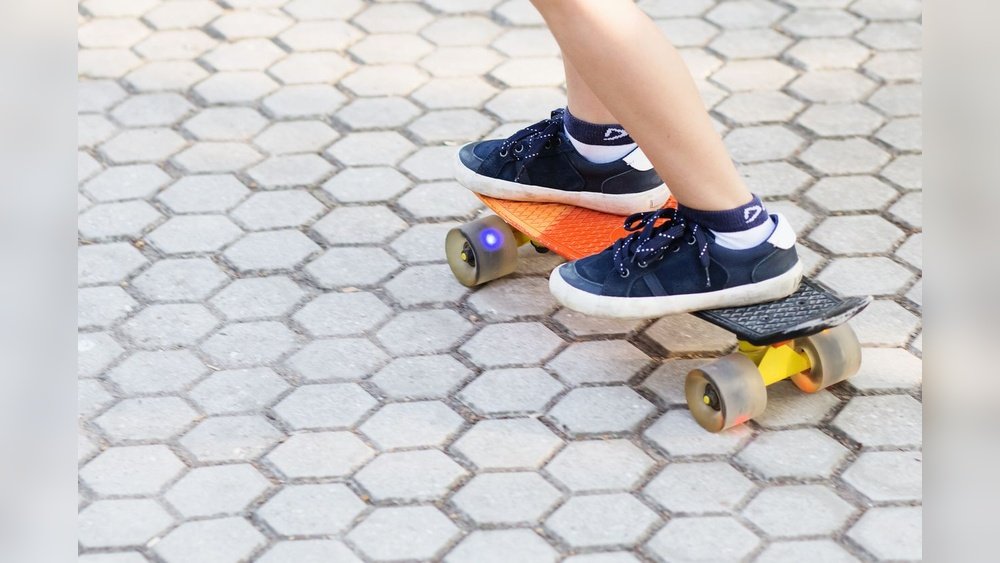
- Wear proper shoes: Skate shoes or sneakers with flat soles give you better grip and control.
- Start slow: Push gently and focus on finding your balance before picking up speed.
- Work on your stance: Stand with your front foot just behind the front bolts, back foot near the tail. Keep your knees slightly bent.
- Practice turning gradually: Lean gently and use your ankles to steer, rather than twisting your whole body.
- Step off to stop: Since Penny Boards aren’t great for foot braking, practice stepping safely off the board to stop.
Beginner insight: Many new Penny Board riders improve fastest by spending just 10–15 minutes a day practicing balance and simple pushes, rather than long risky rides.
Safety Considerations
Because Penny Boards are less stable than bigger boards, safety is even more important. Here are some must-follow tips:
- Always wear a helmet: Even on short rides.
- Use wrist guards and knee pads: Falls are common, especially early on.
- Watch for cracks and debris: Penny Board wheels are soft, but the small deck can still catch on rough surfaces.
- Ride in safe areas: Avoid traffic, steep hills, and busy sidewalks while learning.
According to data from the Consumer Product Safety Commission, skateboarding injuries send about 98,000 people to the emergency room each year in the US. Most beginner injuries happen in the first few weeks of learning, and head injuries are the most serious.
Don’t skip gear, even if friends do.

Credit: www.pennyskateboards.com
Are Penny Boards Good Value?
For many beginners, cost is a big factor. Penny Boards are often cheaper than traditional skateboards, especially if you buy a non-branded version. However, quality can vary.
- Official Penny Boards (from Penny Skateboards) cost $80–$120 but offer great build quality and smooth performance.
- Generic plastic cruisers can be as low as $30–$50, but may have lower-quality wheels or trucks.
Insider tip: If you can, test a real Penny Board and a budget plastic board side by side. The difference in wheel smoothness and deck flex is often surprising.
Comparing Penny Board Sizes: 22″ Vs 27″
Within the world of Penny Boards, you have two main choices: the classic 22-inch board and the 27-inch “Nickel.” Here’s how they compare for new riders.
| Feature | 22″ Penny Board | 27″ Nickel Board |
|---|---|---|
| Deck Size | 22″ x 6″ | 27″ x 7.5″ |
| Weight | ~4 lbs | ~6 lbs |
| Stability | Lower | Higher |
| Portability | Very high | Medium |
| Best For | Kids, small feet, max portability | Teens, adults, better balance |
Pro advice: Many beginners find the 27-inch Nickel board much easier to learn on. It offers more room for your feet and better stability, but still fits in a backpack.
Final Thoughts: Should You Start With A Penny Board?
Penny Boards have clear strengths: they’re portable, durable, and fun for cruising. But for absolute beginners, their small size and sensitive controls can make learning to balance and ride more challenging than on a traditional skateboard.
If you value portability and style above all, and don’t plan to learn tricks, a Penny Board could be a good fit—especially the 27-inch model. But if you want the easiest and safest learning experience, a standard skateboard or even a longboard is usually more beginner-friendly.
Remember, the best skateboard is the one that makes you excited to get out and practice. And if you’re still unsure, try borrowing or renting different board types before buying. For more on skateboard safety and beginner advice, check out the official Consumer Product Safety Commission guide.
Frequently Asked Questions
Are Penny Boards Good For Kids?
Penny Boards can be a good choice for kids, especially those with smaller feet. The lightweight design makes them easy to carry. However, very young children may struggle with balance on the small deck. Always supervise kids and make sure they wear safety gear.
Can You Learn Tricks On A Penny Board?
Penny Boards are not designed for tricks like ollies or flips. Their flexible plastic deck and small size make landing tricks difficult and unsafe. If you want to learn tricks, a wooden skateboard with a wider deck is a better option.
Are Penny Boards Safe For Beginners?
They can be safe if you take precautions: ride in flat, open areas, wear a helmet, and practice basic balance before picking up speed. The instability of the small deck means beginners should be extra careful, especially at first.
How Long Does It Take To Learn To Ride A Penny Board?
Most beginners can learn to push and cruise on a Penny Board in a few hours of practice. However, getting fully comfortable with turning and stopping may take several weeks of regular riding.
What Size Penny Board Is Best For Beginners?
The 27-inch Nickel Penny Board is usually better for beginners because it offers more stability and space for your feet. The classic 22-inch board is best for smaller riders or those who need maximum portability.

Credit: www.pennyskateboards.com