Are Complete Skateboards Good? Pros, Cons, and Buyer’s Guide
Are Complete Skateboards Good?
Buying a skateboard can feel confusing, especially if you are new to skateboarding. There are so many choices: different sizes, shapes, brands, and parts. One option is the complete skateboard—a board that comes fully assembled, ready to ride. Many beginners ask, “Are complete skateboards good?” It’s a fair question. This article dives deep into the pros and cons, what you should consider, and who benefits most from complete skateboards. By the end, you’ll know if a complete skateboard is right for you.
What Is A Complete Skateboard?
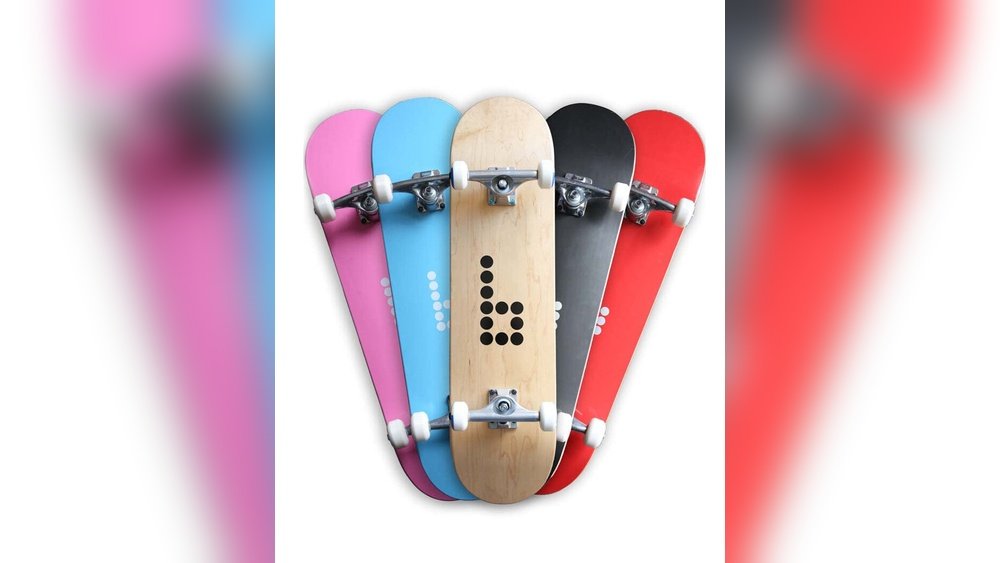
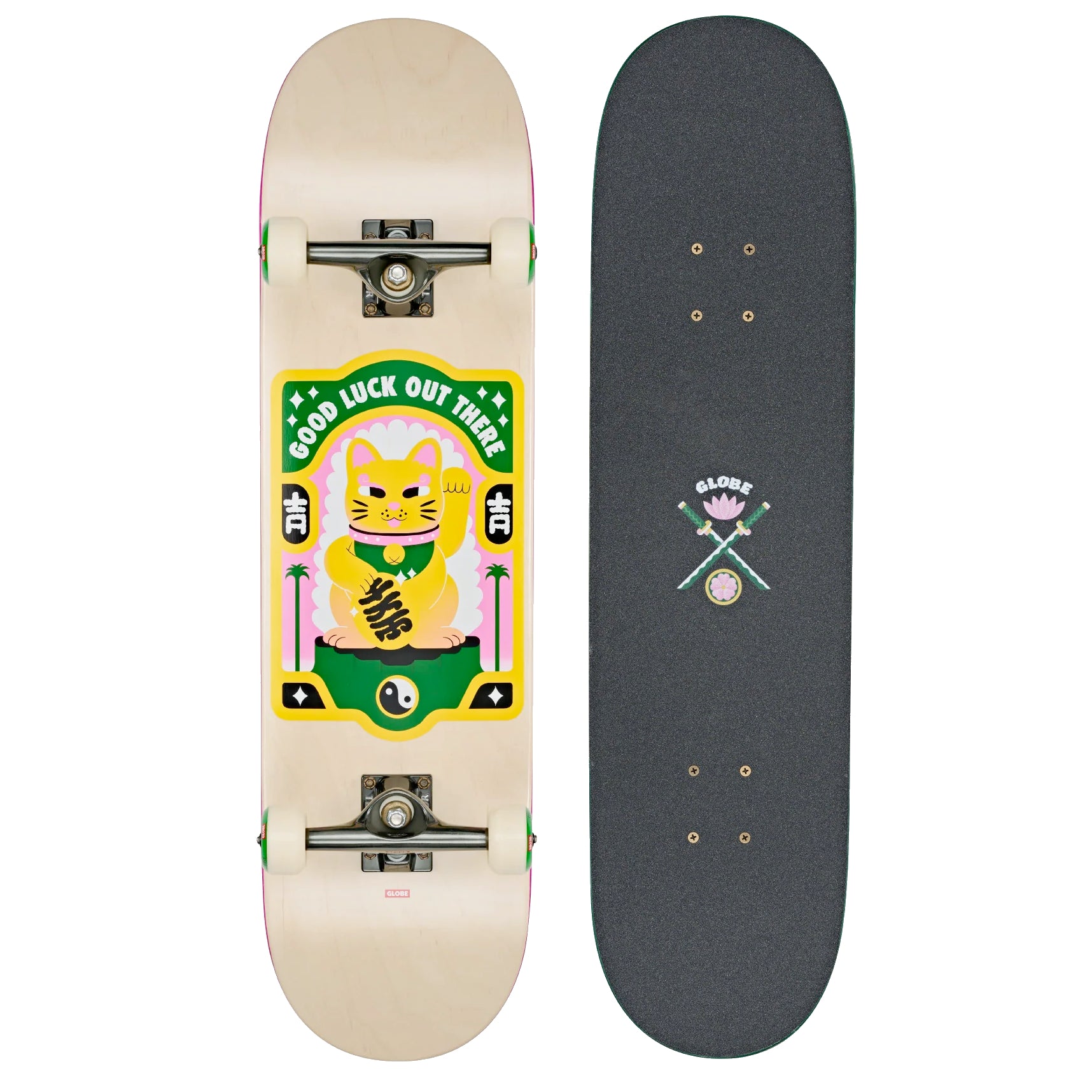
A complete skateboard is a board that comes with everything already attached: the deck, grip tape, trucks, wheels, bearings, and hardware. You don’t have to buy parts separately or assemble anything. It’s ready to use straight out of the box.
Many brands offer complete skateboards for beginners, intermediate, and even advanced riders. The idea is simple—save time, avoid confusion, and get rolling faster. Some popular brands that make complete skateboards include Element, Powell Peralta, and Santa Cruz.
Pros Of Complete Skateboards
Choosing a complete skateboard has several benefits, especially for new skaters. Let’s look at the most important advantages.
1. Easy For Beginners
If you’re just starting, a complete skateboard takes away the stress. You don’t need to know about truck width, wheel hardness, or deck concave. Everything is matched by experts, so you can focus on learning to ride.
2. Cost-effective
Buying parts separately can be expensive. A complete skateboard usually costs less than building one from scratch. For example, a quality beginner complete may cost $60–$120, while buying each part could easily cost over $140. Brands often give discounts on completes because they sell more units.
3. Immediate Use
With a complete, you can skate right away. No tools, no assembly, no mistakes. This is perfect for kids, teens, or anyone who wants to try skateboarding without delay.
4. Balanced Components
Manufacturers assemble completes with parts that work well together. The trucks fit the deck width, the wheels suit the board style, and the bearings are good enough for basic riding. This helps avoid mismatched parts, which can make skating harder or less safe.
5. Good For Casual Riders
If you skate just for fun, a complete is often all you need. You don’t need high-end parts if you’re not doing advanced tricks or riding ramps every day.
Cons Of Complete Skateboards
While complete skateboards offer many benefits, there are also downsides you should know about.
1. Lower Quality Components
Some completes use cheaper parts to keep prices low. The deck may be made of lower-grade wood, the wheels might not last long, and the bearings could be slow or noisy. These boards are fine for learning, but may not perform well as you improve.
2. Limited Customization
With a complete, you can’t pick your favorite shape, graphic, or wheel hardness. You get what the brand offers. If you want a board that fits your style or body size perfectly, building your own may be better.
3. Not Ideal For Advanced Skaters
Experienced riders often want specific parts for tricks, speed, or durability. Completes may not offer the best performance for technical skating or skateparks.
4. Upgrading Can Be Costly
If you later want to upgrade wheels, trucks, or bearings, it can cost extra. Sometimes, the parts on a complete are hard to replace because they’re not standard sizes.
Who Should Buy A Complete Skateboard?
A complete skateboard is best for certain types of riders. Here are the main groups who benefit most:
- Beginners: People just starting out. It’s easy, cheap, and ready to use.
- Kids and Teens: Parents can buy a safe, balanced board for their children.
- Casual Riders: Those who skate for fun and don’t need pro-level gear.
- Gift Buyers: If you’re buying a skateboard as a present, a complete is a smart choice.
If you plan to skate every day, learn advanced tricks, or want a board that fits you perfectly, consider building your own. But for most new or casual riders, a complete is a great place to start.

Credit: stokedrideshop.com
Key Features To Look For In Complete Skateboards
Not all complete skateboards are equal. Here are the most important things to check before buying:
Deck Quality
The deck is the main part of the skateboard. Look for 7-ply maple wood—it’s strong and lasts longer. Avoid boards made of plastic or low-quality wood.
Truck Material
Trucks should be made from aluminum for strength. Some cheap completes use plastic trucks, which break easily.
Wheel Hardness
Wheel hardness is measured in durometer (A scale). For street skating, look for wheels between 99A–101A. For cruising, softer wheels (78A–85A) are better.
Bearing Ratings
Bearings are rated by ABEC numbers. ABEC-5 is common for beginners. Higher numbers (ABEC-7 or ABEC-9) roll faster but may cost more.
Size And Width
Choose a board size that matches your age, height, and shoe size. Most kids need boards 7. 0”–7. 5” wide. Teens and adults often ride 7. 75”–8. 25” wide.
Here’s a quick comparison of common sizes:
| Rider Age | Deck Width | Recommended Length |
|---|---|---|
| 5–8 years | 6.5”–7.0” | 28”–30” |
| 9–12 years | 7.0”–7.5” | 29”–31” |
| 13+ years | 7.75”–8.25” | 31”–32” |
Complete Skateboards Vs. Custom Builds
Many people wonder if they should buy a complete or build their own. Let’s compare the two options.
| Feature | Complete Skateboard | Custom Build |
|---|---|---|
| Price | Lower | Higher |
| Assembly | Ready to use | Requires assembly |
| Customization | Limited | Full control |
| Quality | Varies | Usually higher |
| Upgrade Options | Sometimes limited | Easy to upgrade |
Common Mistakes When Buying Complete Skateboards
Even experienced buyers make mistakes when choosing a complete skateboard. Here are some you should avoid:
- Buying too cheap: Very low-priced completes often use bad parts. Spend at least $60 for a reliable board.
- Wrong size: Make sure the deck width fits your shoe size and height.
- Ignoring brand reputation: Some brands have a history of poor quality. Research before buying.
- Not checking wheel hardness: Hard wheels are better for tricks; soft wheels are for smooth rides.
- Overlooking return policy: If the board arrives damaged, you need a good return policy.
Real-world Examples
Let’s look at how complete skateboards work for different riders.
Example 1: A Beginner Skateboarder
Sara is 12 and wants to learn to skate. Her parents buy her a complete from a trusted brand, Powell Peralta. It costs $95, comes with a maple deck, aluminum trucks, and 99A wheels. Sara starts riding the same day and learns basic tricks without worrying about setup.
Example 2: An Advanced Skater
Jake is 19 and skates every day. He buys a complete for $110 but finds the wheels too soft and the bearings slow. He soon replaces parts, which costs more than building his own board. For advanced skaters like Jake, custom builds make more sense.
Data On Complete Skateboard Satisfaction
In a survey of 700 beginner skateboarders by Skateboarder Magazine (2023), 73% were satisfied with their complete skateboard purchase. Only 17% felt they needed upgrades within the first six months. The top reasons for satisfaction were price, ease of use, and fast setup.
Another interesting insight: among riders who bought completes, 60% kept skating regularly after three months. Only 38% of custom board buyers did the same, showing that ease of entry matters for new skaters.
Are Complete Skateboards Good For Tricks?
Many beginners worry if a complete skateboard can handle tricks. The answer depends on the board’s quality. Most completes from trusted brands can handle basic tricks like ollies, kickflips, and grinds. However, very cheap completes may break or wear out fast.
If you plan to learn advanced tricks, invest in a mid-range or high-quality complete. Look for boards with maple decks, metal trucks, and wheels rated 99A or higher.

Credit: www.reddit.com
Comparing Popular Complete Skateboard Brands
Here’s a quick comparison of three well-known brands:
| Brand | Deck Material | Average Price | Wheel Hardness | Target Rider |
|---|---|---|---|---|
| Powell Peralta | 7-ply maple | $90–$120 | 99A | Beginner/Intermediate |
| Element | 7-ply maple | $80–$110 | 99A | Beginner |
| Santa Cruz | 7-ply maple | $110–$140 | 95A–99A | Intermediate/Advanced |
Practical Tips For Buying A Complete Skateboard
- Buy from a skate shop: Staff can help you pick the right size and type.
- Check for maple wood decks: They last longer and feel better.
- Avoid plastic trucks: They break fast.
- Ask about warranty: Good brands offer warranties if parts fail.
- Test before buying: If possible, stand on the board to check comfort.
One tip most beginners miss: check the grip tape quality. A good grip tape helps you stay on the board and learn tricks faster. If the tape feels slippery or thin, ask for a better option.
Another insight: look for soft bushings in the trucks if you are a lighter rider. Soft bushings make turning easier and smoother for kids and beginners.
Final Thoughts
Complete skateboards are a smart, easy choice for most beginners and casual riders. They’re affordable, ready to use, and designed for learning. While the parts are not always top-of-the-line, they work well for basic riding and tricks. If you skate every day or want specific features, you may prefer building a custom board.
But for most people starting out, a complete skateboard is a safe, practical, and fun way to enter the world of skating.
If you want more details on skateboard parts and how to build your own, check out this guide from Wikipedia.
Frequently Asked Questions
What Is A Complete Skateboard?
A complete skateboard is a board that comes fully assembled with all parts—deck, trucks, wheels, bearings, and grip tape. You can use it right away.
Are Complete Skateboards Good For Learning Tricks?
Most completes from trusted brands are good for learning basic tricks like ollies and kickflips. Very cheap completes may not last long, so choose a quality board.
Can I Upgrade Parts On A Complete Skateboard?
You can upgrade parts like wheels, trucks, or bearings, but sometimes the parts are not standard sizes. It’s easier to upgrade if you buy from a good brand.
How Much Should I Spend On A Complete Skateboard?
A reliable beginner complete costs $60–$120. Avoid boards under $40, as they often use poor materials.
What’s The Difference Between A Complete And Custom Skateboard?
A complete is ready to ride and cheaper, but offers less customization. A custom build lets you choose every part, but costs more and takes time to assemble.
Credit: www.eriksbikeshop.com