Skateboarding Essentials Checklist: Must-Have Gear for Every Rider
Skateboarding is more than just a sport; for many, it’s a way of life. Whether you are stepping on a board for the first time or you’re already hitting the skatepark, having the right gear makes a huge difference. Missing even one essential can turn a fun session into a frustrating or even dangerous experience.
This guide is designed to help you understand exactly what you need, why each item matters, and how to make smart choices. We’ll cover everything from the board itself to protective gear and useful extras, so you’ll always be ready to roll.
The Skateboard: Foundation Of Your Setup
Your skateboard is the heart of your experience. It’s important to choose a board that matches your style, size, and skill level.
Deck
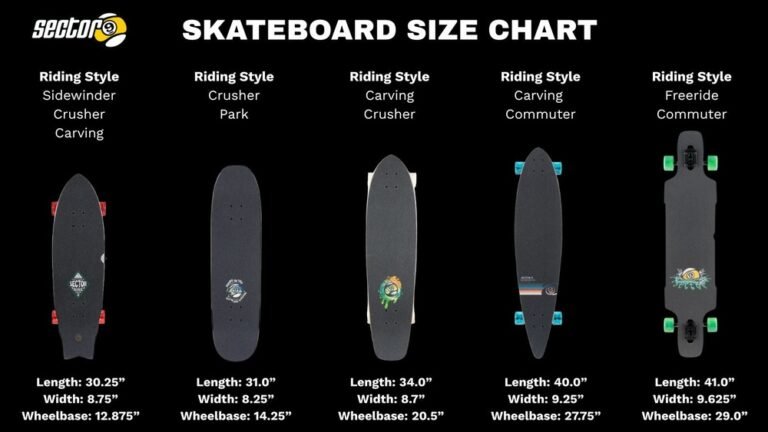
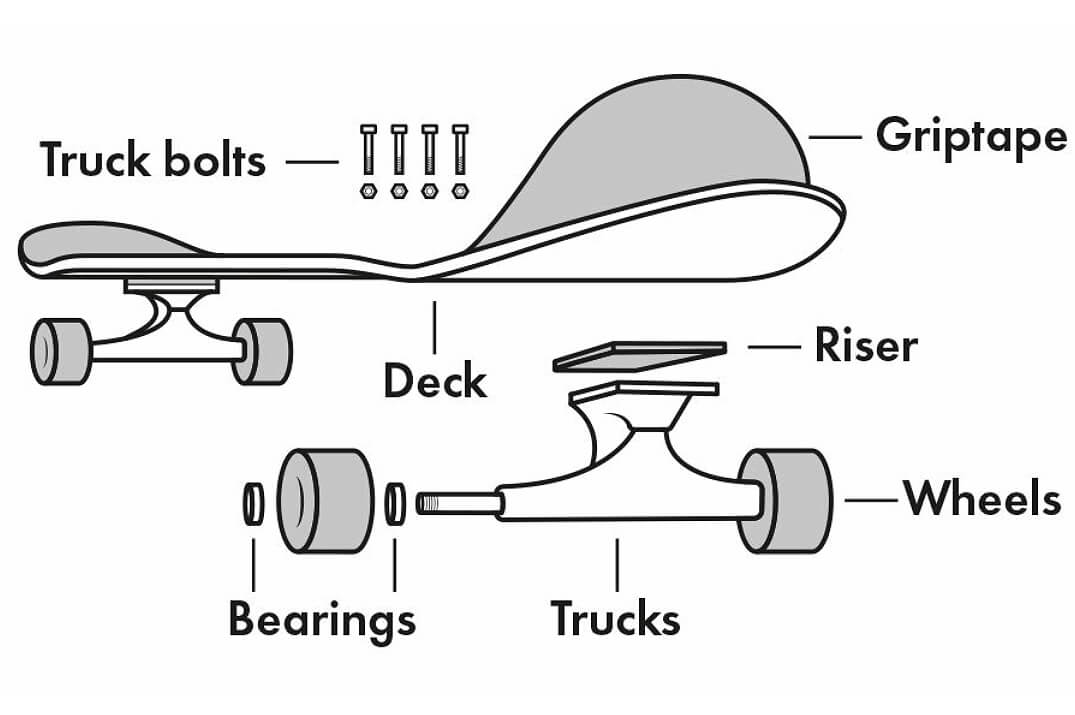
The deck is the flat board you stand on. Most decks are made from 7 layers of maple wood, offering a good balance of strength and flexibility. Deck sizes range from about 7.5 to 8.5 inches wide. For street tricks, a smaller deck (7.75”-8.0”) is common. For ramps or cruising, a wider deck offers more stability.
Trucks
Trucks are the metal parts that attach your wheels to the deck. They allow you to turn and grind. The width of your trucks should match your deck. For example, an 8” deck works best with 8” trucks.
Wheels
Wheels come in different sizes and hardness (measured in durometer). Softer wheels (78A-87A) are good for rough surfaces and cruising. Harder wheels (99A-101A) are ideal for tricks and smooth skateparks. Wheel size also matters: 50-54mm for street, 54-60mm for ramps.
Bearings
Bearings fit inside your wheels and allow them to spin. The ABEC rating (1, 3, 5, 7, 9) is a common measure of precision, but higher numbers don’t always mean better performance. Good bearings make your ride smoother and faster.
Grip Tape
Grip tape is a sandpaper-like sheet you stick to your deck’s top for better traction. Without it, you’ll slip off easily during tricks.
Hardware
These are the small bolts and nuts that hold your trucks to the deck. Always carry a spare set in case they loosen or fall out.
Skateboard Part Comparison
Here’s a simple breakdown of how skateboard deck width and wheel size affect performance:
| Part | Street | Park/Ramp | Cruising |
|---|---|---|---|
| Deck Width | 7.5″ – 8.0″ | 8.0″ – 8.5″ | 8.5″+ |
| Wheel Size | 50-54mm | 54-60mm | 60mm+ |
| Wheel Hardness | 99A-101A | 99A-101A | 78A-87A |
Many beginners overlook the importance of matching these parts to their style. Using the wrong setup can make learning much harder.
Protective Gear: Don’t Skip Safety
No one plans to fall, but everyone does. Protective gear reduces injuries and helps build confidence, especially when learning new tricks.
Helmet
A skate helmet is a must. It should fit snugly and cover the back of your head. Look for certifications like ASTM F1492 or CPSC. Never use a bike helmet for skateboarding—they’re shaped differently and may not protect you properly.
Knee And Elbow Pads
Pads guard your joints during falls. Choose ones that fit well and don’t slip. Knee pads are especially important for ramps, bowls, and vert skating.
Wrist Guards
Wrist injuries are common in skateboarding. Wrist guards absorb impact and prevent sprains or fractures.
Mouthguard
Though not as common, a mouthguard can prevent broken teeth or jaw injuries, especially if you skate ramps or do aggressive tricks.
Essential Protective Gear Checklist
| Gear | Recommended For | Why It Matters |
|---|---|---|
| Helmet | All skaters | Prevents head injuries |
| Knee Pads | Park/ramp skaters | Protects knees during falls |
| Elbow Pads | Beginners, ramp | Prevents elbow scrapes/fractures |
| Wrist Guards | All levels | Reduces wrist injuries |
| Mouthguard | Aggressive skating | Protects teeth/jaw |
A common mistake is skipping pads because they seem “uncool. ” In reality, even pro skaters wear them, especially when trying tough tricks.
Skate Shoes: Grip And Durability
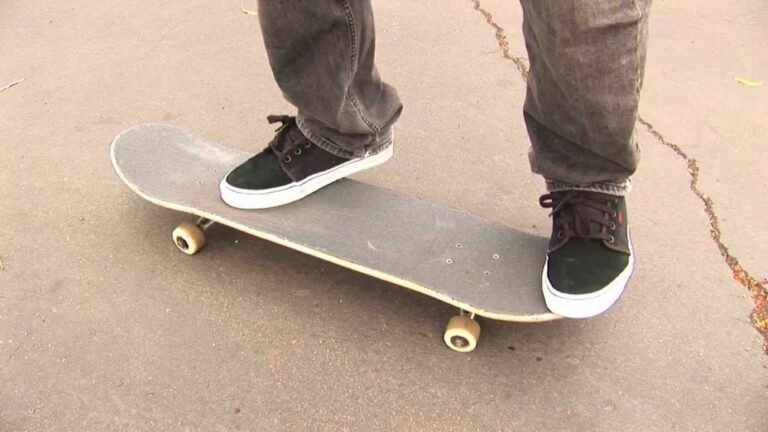
You can’t skate well in regular sneakers. Skate shoes are designed for board feel, grip, and protecting your feet.
What Makes A Good Skate Shoe?
- Flat sole for better contact with the board.
- Thick, grippy rubber for lasting wear.
- Reinforced toe and heel to survive repeated flips and slides.
- Padded tongue and collar for ankle support.
Popular brands include Vans, Nike SB, and Etnies. Shoe choice is personal, but always pick skate-specific models.
Vulcanized Vs. Cupsole
Vulcanized shoes are flexible and give more board feel, but less impact protection. Cupsoles have more cushioning and last longer but may feel “clunkier. ” Try both and see what fits your style.
Clothing: Comfort And Protection
Clothes matter more than you think. The right outfit can help you move freely and avoid scrapes.
- Loose, comfortable shirts for easy movement.
- Durable pants or jeans to resist tears.
- Hoodies or jackets for colder weather.
- Socks that cover your ankles.
Many skaters wear long socks under pads to avoid skin irritation. Avoid shorts unless you’re comfortable with minor scrapes.
Skate Tools And Maintenance
A skate tool is a small, multi-purpose wrench for adjusting your trucks, changing wheels, and tightening hardware. It fits in your pocket or backpack.
Other Maintenance Items
- Spare hardware (nuts, bolts)
- Extra bearings or wheels
- Bearing lubricant
- Small brush to remove dirt
Regular maintenance keeps your board safe and smooth. Many beginners forget to check their gear, which can lead to unexpected problems at the park.
Basic Skate Tool Functions
| Tool Feature | Main Use |
|---|---|
| Socket (9/16″) | Truck mounting |
| Socket (1/2″) | Axle nuts (wheels) |
| Socket (3/8″) | Hardware bolts |
| Phillips screwdriver | Grip tape, hardware |
| Allen wrench | Some hardware types |
Extra Essentials For Every Skater
Water Bottle
Staying hydrated is crucial, especially in hot weather. Always bring a refillable water bottle to avoid fatigue.
Backpack
A small backpack makes carrying your gear, snacks, and tools easy. Many have straps for carrying your board when not skating.
First Aid Kit
Minor cuts and scrapes are common. A simple first aid kit with band-aids, antiseptic wipes, and tape can save your session.
Phone And Emergency Contacts
Keep your phone charged for emergencies. Save important contact numbers in case you need help.
Skate Wax
If you want to slide on curbs or ledges, a small block of skate wax helps your board glide smoothly.
Sunscreen
Skating outdoors exposes your skin to the sun. Use sunscreen to prevent burns and long-term damage.
Credit: locosurfing.com
Common Mistakes When Packing Your Skate Bag
Many skaters, especially beginners, forget small but important items. Here are some typical mistakes:
- Leaving tools at home – You can’t adjust your setup if you don’t bring a tool.
- No water or snacks – Skating is tiring. Dehydration and hunger kill progress.
- Skipping extra hardware – Losing a bolt can end your session early.
- Wearing the wrong shoes – Ordinary shoes can lead to foot pain and poor control.
- Ignoring safety gear – Even one fall can sideline you for weeks.
A little preparation keeps you skating longer and safer.
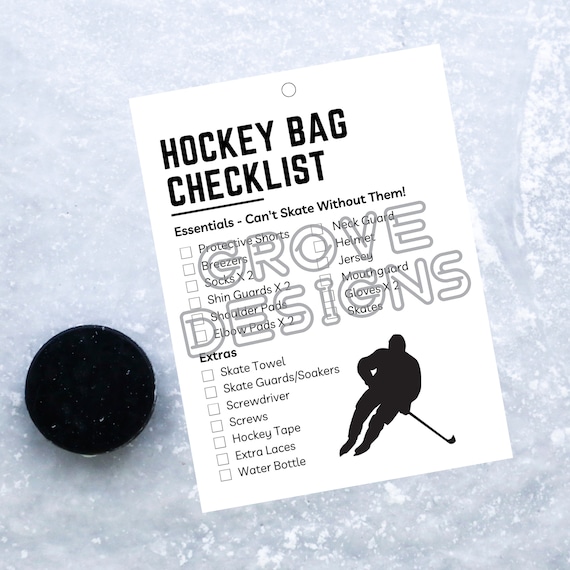
Packing Your Skateboard Essentials Bag
Here’s a quick guide to packing your essentials bag for a day at the park or street spot:
- Skate tool
- Spare hardware (nuts/bolts)
- Water bottle
- First aid kit
- Sunscreen
- Skate wax
- Snacks (energy bars, fruit)
- Phone/charger
- Extra shirt or hoodie
- Clean socks
Pack light but cover your bases. Every skater develops their own routine, but these basics suit most days out.
Credit: www.dissentskateshop.co.uk
Extra Tips For Beginners
- Start slow: Focus on learning to balance and push before trying tricks.
- Watch others: Learn by observing more experienced skaters. Most are happy to offer advice.
- Inspect your board: Check for cracks, loose bolts, or worn wheels before each session.
- Choose the right spot: Start on smooth, flat ground to build confidence.
Many new skaters rush into tricks without the basics. Mastering balance and control first prevents frustration and injuries.
Where To Buy Quality Skateboarding Gear
You can find skateboard essentials at local skate shops, major sporting goods stores, or online retailers. Local shops often offer better advice and can help you set up your board properly. Online sites like Skate Warehouse offer a wide selection and competitive prices.
Credit: www.etsy.com
Frequently Asked Questions
What Size Skateboard Should A Beginner Get?
Most beginners do well with a deck between 7.75” and 8.0” wide. This size offers a good balance between stability and the ability to learn tricks. If you have larger feet or plan to skate ramps, consider going up to 8.25”.
Is It Necessary To Wear All Protective Gear?
While you might see some skaters without pads, wearing protective gear like a helmet, knee pads, and wrist guards is strongly recommended, especially when learning. It prevents serious injuries and boosts your confidence.
Can I Use Running Shoes For Skateboarding?
Running shoes are not designed for skateboarding. They often have thick, rounded soles and less grip. Use skate-specific shoes for better board feel, grip, and foot protection.
How Often Should I Replace Skateboard Parts?
Replace wheels when they become flat-spotted or too small, bearings if they feel rough or slow, and decks if they crack or lose pop. Regularly check your hardware and replace any loose or worn parts.
What Is The Difference Between Cheap And Expensive Skateboards?
Cheaper skateboards often use lower-quality materials, which can affect performance and safety. Expensive boards usually have better wood, stronger trucks, and smoother bearings. Investing in quality gear makes learning easier and more enjoyable.
Skateboarding is about fun, creativity, and pushing your limits. With the right essentials, you can focus on improving your skills and enjoying every session. Prepare well, respect safety, and you’ll build both confidence and style on your board.