Is Longboarding Easier Than Skateboarding? Discover the Truth!
Are you curious whether longboarding is easier than skateboarding? If you’re just starting out or thinking about picking up a new board, this question probably crosses your mind.
You want to enjoy the ride without getting frustrated or overwhelmed by tricky moves. The good news is that longboarding often feels more comfortable and stable when you’re learning. But why is that? And does that mean skateboarding is too hard to try?
Keep reading, and you’ll discover the key differences that can help you decide which board suits your style and skill level best. By the end, you’ll feel confident about which path to take—whether it’s cruising smoothly on a longboard or mastering cool tricks on a skateboard.

Credit: www.ridingboards.com
Longboard Basics
Understanding the basics of longboarding helps to see why it feels easier than skateboarding. Longboards have unique features that make riding smooth and stable. These features include the deck, wheels, trucks, and riding styles. Each part plays a role in how the board performs and how easy it is to learn.
Deck Design And Size
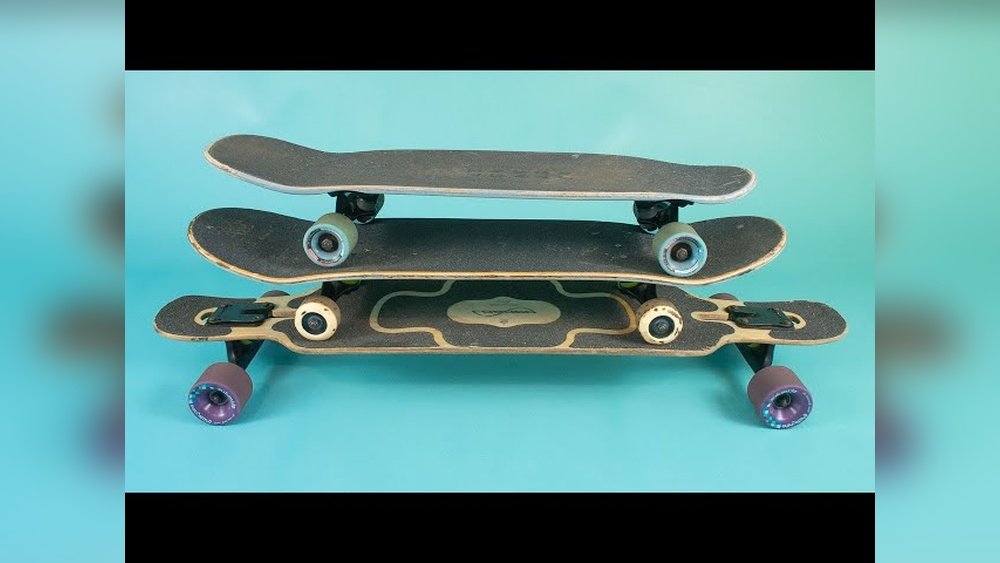
Longboard decks are longer and wider than skateboard decks. They range from 33 to 60 inches in length. This size offers more surface area for your feet. The shape varies too, with some decks being flat and others having a slight curve or flex. The extra length and width provide balance and comfort. This design makes it easier to stand and ride for beginners.
Wheel Types And Trucks
Longboard wheels are larger and softer than skateboard wheels. They usually measure between 60 and 75 millimeters. Soft wheels grip the pavement better and absorb bumps. Trucks on longboards are wider and more flexible. They allow for sharper turns and smoother carving. This setup helps riders feel more stable and in control.
Common Riding Styles
Longboarding supports various riding styles. Cruising is the most common style, focusing on smooth, easy rides around town. Downhill riding is faster, requiring skill and control on steep roads. Freestyle involves tricks but is less technical than skateboarding tricks. Each style suits different skill levels and purposes. Beginners often start with cruising to build confidence and balance.

Credit: retrospec.com
Skateboard Fundamentals
Skateboarding has unique features that shape the riding experience. Understanding these basics helps explain why skateboarding feels harder than longboarding. The skateboard design focuses on tricks and quick movements. Every part of the skateboard plays a role in this style of riding.
Deck Shape And Features
Skateboard decks are usually smaller and symmetrical. Both ends have a kicktail, which allows riders to lift the board easily. The deck’s concave shape helps keep feet in place during tricks. This design makes the board highly responsive but less stable than a longboard.
Wheel And Truck Setup
Skateboard wheels are smaller and harder than longboard wheels. This setup works well for smooth surfaces like skateparks. Trucks are tight to support sharp turns and quick spins. This combination favors agility over stability, making balance more challenging for beginners.
Technical Tricks Focus
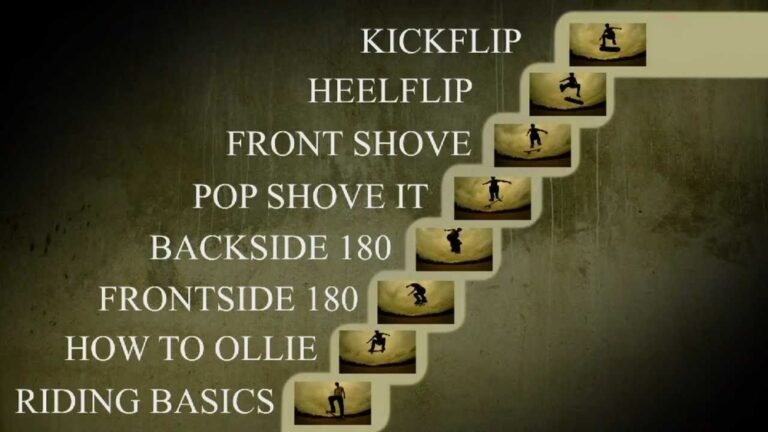
Skateboarding centers on learning tricks like ollies, flips, and grinds. These require precise timing and strong foot control. Practice is needed to develop muscle memory and confidence. The technical nature of tricks adds difficulty for new riders compared to longboarding.
Stability And Balance
Stability and balance are key to feeling confident on any board. These two factors often decide how easy or hard it is to ride. Longboarding and skateboarding differ a lot in these areas. Understanding these differences helps pick the right board.
Longboard Stability Factors
Longboards have wider decks than skateboards. This extra width gives more room for your feet. It makes staying steady easier, even at high speeds.
The wheelbase on a longboard is longer. This means the trucks are farther apart. A longer wheelbase helps the board stay straight and smooth. It reduces wobbling when you ride fast or downhill.
Longboard wheels are bigger and softer. They absorb bumps and cracks on the road. This smooths out the ride and helps keep balance.
Longboards also sit closer to the ground. This lowers your center of gravity. A lower center of gravity adds to the board’s stability.
Skateboard Balance Challenges
Skateboards have narrower decks. Less space for your feet means you need to be more precise. Small shifts in weight affect balance more on a skateboard.
The wheelbase is shorter on skateboards. Trucks are closer together. This helps with tricks but can make the board feel twitchy.
Skateboard wheels are smaller and harder. They do not absorb bumps well. This can make rides rough and require better balance.
Skateboards are designed for quick movements. You must constantly adjust your balance during tricks. This challenge makes skateboarding harder for beginners.
Learning Curve
Learning to ride a board takes time and practice. The learning curve differs between longboarding and skateboarding. Each has unique challenges that impact how quickly beginners improve. Understanding these differences helps you pick the right path for your skills and goals.
Ease Of Mastering Longboarding
Longboarding is easier to learn for most beginners. The boards are larger and more stable. This stability helps riders keep balance without much effort. The longer wheelbase gives a smooth and steady ride. Pushing the board feels natural and simple. Riders can focus more on cruising than tricks. This makes longboarding less intimidating for new riders.
Complexities In Skateboarding
Skateboarding has a steeper learning curve. The boards are smaller and less stable. This requires better balance and control from the start. Skateboarding often involves tricks like flips and grinds. These tricks need precise foot placement and timing. Beginners may struggle to stay on the board initially. Learning to ride and perform tricks takes more time.
Common Beginner Mistakes
Beginners in both sports make similar errors. Leaning too far forward or backward leads to falls. Using the wrong foot for pushing or balancing causes instability. Trying advanced tricks too soon can lead to frustration and injury. Not practicing regularly slows progress. Wearing proper safety gear is often overlooked but important.
Riding Experience
The riding experience differs greatly between longboarding and skateboarding. Each offers unique sensations and challenges. Understanding these helps you pick the right board for your needs and skill level.
Cruising And Commuting With A Longboard
Longboards excel at cruising and commuting. Their longer decks provide excellent stability and balance. Wheels are larger and softer, absorbing bumps and cracks on pavement. This makes rides smoother and less tiring. Pushing requires less effort due to the board’s low height. Longboards glide easily over long distances. This makes them perfect for travel and leisure rides.
Skate Park And Trick Riding
Skateboards shine in skate parks and trick riding. Their smaller decks and harder wheels allow for quick maneuvers. Riders can perform flips, grinds, and jumps with precision. The kicktail design helps with popping the board off the ground. This style demands more balance and practice. Skateboarding involves a steeper learning curve but offers high rewards for skillful tricks.
Comfort And Control
Longboards offer superior comfort due to their size and wheel design. The wider deck supports the feet better. The longer wheelbase increases control at higher speeds. This reduces the risk of falls. Skateboards provide less comfort but allow greater agility. Riders gain control through constant foot adjustments. Both boards require practice to develop smooth handling.
Choosing Your Board
Picking the right board shapes your riding experience. The choice affects how easy or hard it feels to ride. Consider what you want from your board before buying. Each type suits different needs and styles.
Understanding the differences helps you find a board that fits your skills. Comfort, control, and purpose matter most when choosing.
When To Pick A Longboard
Choose a longboard for smooth rides and stability. The longer deck offers more balance for beginners. Longboards work well for cruising and downhill rides. They are easier to push and glide on flat surfaces. If you want a relaxed, steady ride, a longboard is best.
When To Choose A Skateboard
Pick a skateboard if you want to do tricks and stunts. Skateboards are shorter and lighter, making them nimble. They fit well for skateparks and street skating. If you enjoy jumps, flips, and grinding, choose a skateboard. It demands more skill but offers more control for tricks.
Hybrid Options And Alternatives
Some boards mix features of longboards and skateboards. These hybrids offer versatility for both cruising and tricks. They are shorter than longboards but wider than skateboards. Hybrid boards suit riders who want to try both styles. Consider a cruiser board for easy riding with some trick ability.
Safety And Gear
Safety plays a major role in deciding whether longboarding or skateboarding is easier. Both sports need proper gear to protect against falls and injuries. Wearing the right equipment boosts confidence and helps beginners learn faster. Understanding the riding environment and keeping gear in good shape also improve safety. Here is what you should know about safety and gear for both activities.
Protective Equipment Recommendations
Always wear a helmet designed for skate or longboard use. It protects your head during falls. Use wrist guards to prevent wrist fractures. Knee and elbow pads reduce bruises and scrapes. Closed-toe shoes with good grip improve control. Wearing gloves can protect your hands on rough surfaces. Choose gear that fits well and is comfortable. Replace worn-out equipment to maintain protection.
Riding Environment Considerations
Select smooth surfaces for riding to avoid sudden stops or falls. Avoid busy streets and uneven pavement. Choose areas with little traffic and good visibility. Wet or icy conditions make boards slippery and dangerous. Riding downhill needs extra caution and protective gear. Check for obstacles like rocks, cracks, and debris. Practice in controlled spaces before venturing outdoors.
Maintenance Tips
Regularly check your board’s wheels for wear and tear. Clean dirt and grime from bearings for smooth movement. Tighten loose screws and bolts before every ride. Replace damaged or cracked deck parts immediately. Lubricate bearings to reduce friction and noise. Store your board in a dry place to prevent rust. Proper maintenance extends gear life and keeps you safe.
Credit: fireballsupply.co
Frequently Asked Questions
Which Is Better For Beginners, Longboard Or Skateboard?
Longboards suit beginners better due to their wider decks and stability. They offer easier balance and smoother rides. Skateboards require more skill for tricks and balance, making them harder to learn initially. Choose longboards for casual cruising and skateboards for advanced tricks.
How Difficult Is Longboarding?
Longboarding is generally easier to learn than skateboarding. It offers greater stability and requires less balance. Beginners find it simpler to push and control. Mastering basic rides takes little time, but advanced tricks need practice and patience. Overall, longboarding suits casual riding well.
Can You Do 180 Turns On Longboards?
Yes, you can do 180 turns on longboards. They offer stability and control, making such turns manageable with practice.
Is 30 Too Old To Longboard?
No, 30 is not too old to longboard. Many adults start and enjoy longboarding at any age. It’s fun, accessible, and great for fitness.
Is Longboarding Easier To Learn Than Skateboarding?
Longboarding is generally easier to learn due to its larger, stable deck. It offers better balance and requires less technical skill than skateboarding. Beginners often find it less intimidating to start.
Conclusion
Longboarding feels easier for many beginners due to its stability. It offers a smooth ride, perfect for cruising and commuting. Skateboarding demands more skill for tricks and balance. Your choice depends on your goals and interests. Both boards bring fun and excitement in their own ways.
Try each to see what fits your style best. Enjoy the ride, whatever board you pick!