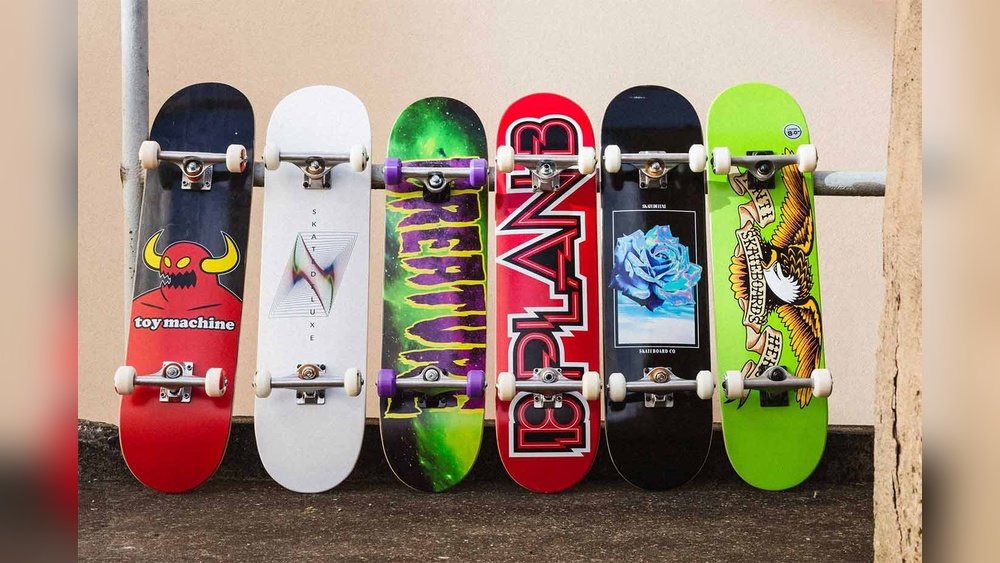
Skateboard Setup for Adults: Expert Tips for Perfect Ride
Skateboarding is not just for teenagers. More adults are picking up skateboards for exercise, fun, and even commuting. But setting up a skateboard for adults is different from picking a board for kids or teens. Adult riders need a setup that fits their body, matches their skill level, and supports their goals.
Whether you’re brand new or returning after years away, making the right choices will help you avoid injuries and enjoy skating more. This guide covers everything you need to know to build a skateboard setup that works for adults—without confusion or wasted money.
Choosing The Right Skateboard Deck
The deck is the main part of your skateboard. For adults, deck size matters more than you might think. Your height, shoe size, and riding style all affect what deck works best.
Most adult riders choose decks between 8.0 and 8.5 inches wide. If your feet are larger (US size 10+), you’ll feel more comfortable with a wider deck. Narrow decks are lighter and flip easier, but wider decks offer more stability. If you’re planning to cruise or commute, you can even go up to 8.75 or 9 inches.
Deck length usually runs between 31–33 inches for adults. Longer decks are more stable for downhill or cruising, while shorter decks help with tricks. Material matters too—most decks use 7-ply maple for strength and pop. Some brands offer carbon fiber or bamboo options, but these are often pricier.
Here’s a simple comparison of deck widths for adults:
| Deck Width | Best For | Shoe Size Range | Stability |
|---|---|---|---|
| 8.0″ | Street Tricks | 7–10 | Medium |
| 8.5″ | Park & Ramp | 10–13 | High |
| 8.75″ | Cruising | 12+ | Very High |
Non-obvious tip: Adults often overlook the concave of the deck—the curve from side to side. Deeper concave gives you more control for tricks, while mellow concave feels more comfortable for cruising.
Trucks: The Backbone Of Stability
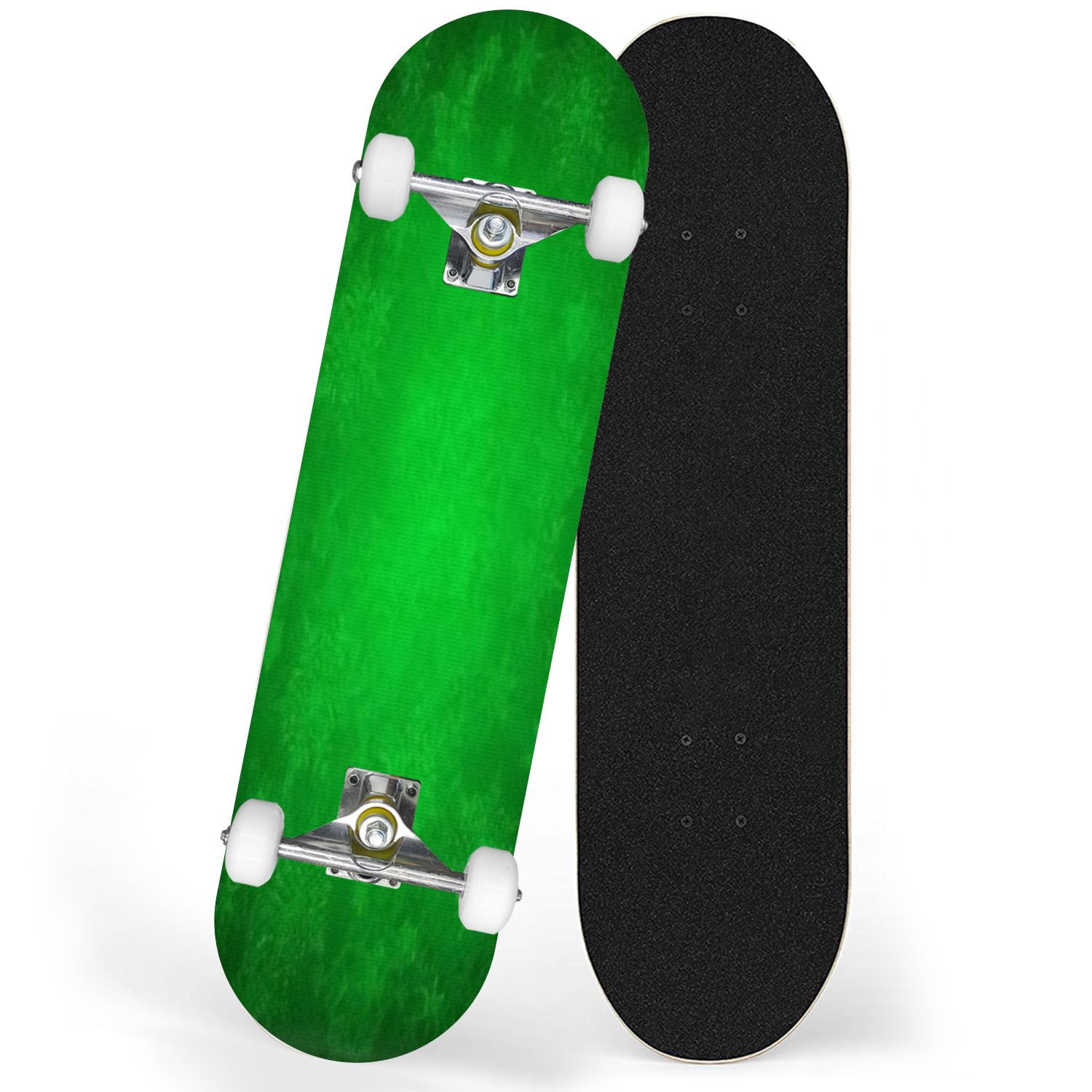
Trucks are the metal parts that connect your wheels to the deck. Picking the right trucks is key to a comfortable and safe ride.
Truck width should match your deck width. For example, an 8. 25-inch deck pairs best with trucks that are 8. 0–8. 25 inches wide. Wider trucks offer more balance, which is ideal for adults learning or returning to skateboarding.
Truck height affects how your board turns and how high it sits off the ground. Mid trucks work for most adult riders. Low trucks make flip tricks easier but limit wheel size. High trucks are best for larger wheels and rough terrain.
Material matters here too. Most trucks are made of aluminum, which is strong and light. Some premium models use titanium or magnesium, but these are expensive and not necessary for most adults.
Here’s a quick comparison of truck types:
| Truck Height | Best For | Wheel Size Range | Benefits |
|---|---|---|---|
| Low | Technical Tricks | 50–53mm | More control |
| Mid | All-Around | 52–56mm | Balanced |
| High | Cruising | 54–60mm | Easy turning |
Don’t forget bushings—the rubber rings in your trucks. Softer bushings make turning easier, while harder bushings give more stability. For heavier adults (over 180 lbs), harder bushings prevent wobbles.
Credit: wrejs.pl
Wheels: Grip, Speed, And Comfort
Wheel choice affects how smooth your ride feels and how fast you can go. Adults often prefer wheels that roll smoothly and absorb bumps.
Diameter: Most adult setups use wheels between 52mm and 56mm. Smaller wheels are better for tricks, but larger wheels make cruising easier.
Durometer: This measures how hard the wheels are. Softer wheels (78A–87A) grip better and handle rough pavement. Harder wheels (99A–104A) slide easily and work well for skateparks.
Material: Polyurethane is the standard. Cheap wheels may use lower-quality materials that wear out fast.
Example: If you’re commuting, choose 54mm wheels with a durometer of 90A. For skatepark tricks, pick 52mm wheels with 99A hardness.
Here’s a wheel comparison:
| Diameter | Durometer | Best For | Surface Type |
|---|---|---|---|
| 52mm | 99A | Street Tricks | Smooth Concrete |
| 54mm | 90A | Cruising/Commute | Rough Pavement |
| 56mm | 85A | Downhill/Ramps | Varied |
Non-obvious insight: If you’re heavier, bigger wheels help distribute weight and prevent flat spots.
Bearings: Speed And Maintenance
Bearings make your wheels spin. Most skateboard bearings use the ABEC rating (1–9), which measures precision. ABEC-5 or ABEC-7 are popular for adult riders. But the ABEC rating is not the only thing to look at—brand reputation and material quality are just as important.
Ceramic bearings are smoother and last longer than steel, but they are expensive. For most adults, quality steel bearings work fine.
Don’t forget to clean bearings regularly. Dirt and moisture slow your wheels and make pushing harder. Lubricate them every few months for best results.
A surprising tip: Avoid cheap bearings from unknown brands. They wear out quickly, costing more in the long run.

Credit: www.amazon.com
Grip Tape: Safety And Performance
Grip tape covers the deck and keeps your feet from slipping. For adults, grip is even more important. You need security when pushing, turning, or landing tricks.
Standard black grip tape works well, but some brands offer extra-coarse options for better grip. If you have sweaty feet or skate in humid areas, consider these.
Cutting designs in grip tape can look cool, but avoid removing too much—less grip means less safety. Also, replace grip tape if it starts peeling or losing roughness.
Hardware: Small Parts That Matter
Hardware means the bolts and nuts that hold your trucks to the deck. Most setups use 1-inch hardware, but if you use riser pads (to prevent wheel bite), choose longer bolts.
A non-obvious insight: Adults sometimes forget to check hardware tightness. Loose bolts can make your board unstable and even dangerous. Check and tighten hardware monthly.
Some brands offer colored bolts for style, but the main thing is durability. Stainless steel bolts resist rust better, especially for riders in wet climates.
Riser Pads And Shock Pads: Optional Comfort
Riser pads lift your deck above the wheels. This prevents wheel bite (when wheels touch the deck during turns). Adults using bigger wheels or skating rough surfaces benefit from riser pads.
Shock pads are softer and absorb vibrations. If you feel foot pain after skating, adding shock pads can help.
Riser pads usually come in ⅛-inch or ¼-inch sizes. Choose the smallest that works for your setup.
Skateboard Setup Examples For Adults
Here are two complete setups for different adult skateboarding goals:
Street/Tricks Setup:
- Deck: 8.25″ x 32″, medium concave
- Trucks: Mid, 8.0″ width, hard bushings
- Wheels: 52mm, 99A
- Bearings: ABEC-7, steel
- Grip tape: Standard
- Hardware: 1″ bolts
- No riser pads
Cruising/Commute Setup:
- Deck: 8.75″ x 33″, mellow concave
- Trucks: High, 8.75″ width, medium bushings
- Wheels: 54mm, 90A
- Bearings: ABEC-5, ceramic
- Grip tape: Extra coarse
- Hardware: 1.25″ bolts with riser pads
- Shock pads for comfort
Safety Gear For Adult Skateboarders
Safety is essential, especially for adults. Bones and joints take longer to heal compared to younger riders. Helmets, knee pads, and wrist guards prevent serious injuries.
Helmet: Buy a certified skateboard helmet. It should fit snugly without shifting.
Pads: Knee and elbow pads protect during falls. Wrist guards stop sprains, which are common for new adult skaters.
Shoes: Skate shoes have flat soles and extra grip. Avoid running shoes or sandals.
Fact: According to the CDC, adults over 25 are 1.5x more likely to sustain wrist fractures during skateboarding falls.
Common Mistakes When Setting Up Skateboards For Adults
- Choosing a deck that’s too small—results in foot pain and less control.
- Ignoring truck width—causes instability.
- Using soft bushings with heavy weight—leads to wobbly turns.
- Picking wheels that are too hard for rough streets—makes the ride uncomfortable.
- Forgetting safety gear—risking avoidable injuries.
- Not checking hardware tightness—can cause accidents.
Most beginners focus on looks or brand names. Instead, think about comfort and control first.
How To Adjust Your Skateboard For Comfort
After setting up your board, you may need adjustments:
- Tighten or loosen trucks for preferred turning.
- Swap bushings for softer or harder types.
- Change wheel size for smoother rides.
- Add riser pads if you notice wheel bite.
- Replace grip tape if feet slip.
Testing your board on different surfaces will show what needs fixing. Don’t be afraid to experiment—small changes can make a big difference.
Skateboarding For Fitness And Commute
Many adults use skateboards for exercise or getting around. Skateboarding burns calories, builds leg muscles, and improves balance. Riding for 30 minutes can burn up to 250 calories.
For commuting, choose wider decks and softer wheels. They roll faster and handle uneven pavement. If your city has bike lanes, skateboarding is a practical way to avoid traffic.
One insight: Adults often skip stretching before skating. Stretching reduces risk of muscle injuries and makes skating more enjoyable.
Where To Buy Skateboard Parts
Local skate shops offer advice and let you see parts in person. Online stores have more options and better prices. Always check reviews before buying.
If you want to learn more about skateboard parts, visit Wikipedia for a detailed breakdown.
Frequently Asked Questions
What Size Skateboard Deck Is Best For Adults?
Most adults prefer decks between 8.0 and 8.5 inches wide. Wider decks give more stability, especially for bigger feet or heavier riders.
How Often Should Adults Replace Skateboard Parts?
Replace grip tape and bearings every 6–12 months, depending on use. Wheels last longer but should be changed if they develop flat spots. Decks need replacing if they crack or lose pop.
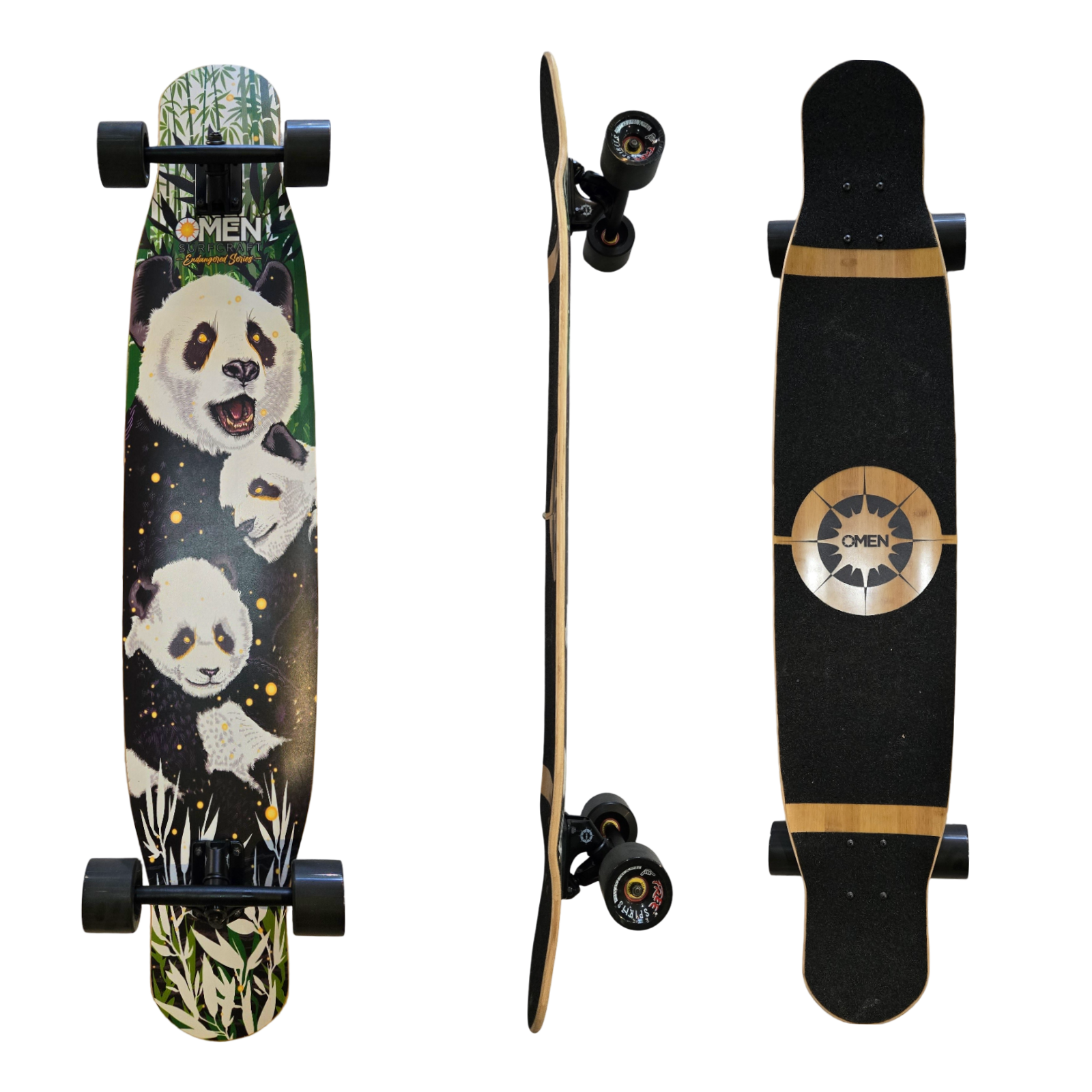
Can Adults Use Longboards Instead Of Skateboards?
Yes, longboards work well for cruising and commuting. They are more stable and comfortable for longer rides but less suitable for tricks.
Are Expensive Skateboard Parts Worth It For Beginners?
Not always. Quality mid-range parts are good enough for most adults. Save money for safety gear and comfortable shoes.
How Can Adults Make Skateboarding Safer?
Always wear a helmet and pads. Skate on smooth surfaces, check hardware often, and stretch before riding. Learn to fall safely to reduce injury risk.
Setting up a skateboard for adults is about more than picking cool colors or brands. It’s about matching your body, style, and goals. With the right setup, skateboarding becomes safer and more fun, whether you’re rolling to work or learning new tricks.
Take your time, ask questions at local shops, and enjoy the ride.
Credit: www.motionboardshop.com