
What is a Skateboard Deck: Complete Guide for Beginners
A skateboard is much more than a toy or a piece of sports equipment—it’s a combination of design, materials, and culture. At the heart of every skateboard is the skateboard deck, the flat board that riders stand on. This deck is the foundation of the skateboard, influencing how it feels, performs, and lasts. Whether you’re new to skateboarding or want to deepen your understanding, learning about skateboard decks will help you choose wisely, ride better, and even appreciate the art behind the sport.
What Is A Skateboard Deck?
The skateboard deck is the board itself, usually made from wood. It’s the part you stand on, and it’s where you attach the trucks, wheels, and grip tape. The deck determines much of the skateboard’s feel, control, and style. Most decks are shaped with curves at each end, called the nose and tail, and have a slight concave in the middle to help with tricks and stability.
A skateboard deck isn’t just a flat piece of wood. It’s engineered to handle impacts, flex, and the demands of skateboarding. The deck’s width, length, shape, and material all affect how a skateboard performs.
Main Parts Of A Skateboard Deck
Understanding the main parts helps you see why decks are different and how they affect your ride.
- Nose: The front end, usually slightly longer or steeper.
- Tail: The back end, used for popping tricks.
- Concave: The curved shape in the middle, helps grip and control.
- Length and Width: Key for stability, turning, and trick ability.
- Mounting Holes: Where you attach the trucks.
These features come together to make the deck both strong and functional.

Credit: www.youtube.com
Materials Used In Skateboard Decks
Most skateboard decks are made of maple wood, which is strong, flexible, and light. However, there are other materials used, each offering unique benefits.
| Material | Main Benefits | Common Use |
|---|---|---|
| Maple Wood | Strong, flexible, durable | Street and park skating |
| Bamboo | Lighter, eco-friendly, flexible | Cruisers, longboards |
| Plastic | Waterproof, cheap | Penny boards |
| Carbon Fiber | Super strong, lightweight | High-end pro decks |
Maple wood is still the favorite for most skateboarders because it balances strength and pop. Bamboo decks are gaining popularity for their environmental benefits, but they don’t always offer the same pop as maple. Carbon fiber decks are expensive but last longer and are lighter.
How Are Skateboard Decks Made?
Most decks are made by pressing several layers of wood, called plies, together. Usually, decks have 7 to 9 plies of maple, glued and pressed under high pressure. This creates a strong, flexible board that can handle impacts. After pressing, decks are cut into shape, sanded, and painted or printed with graphics.
Some companies use advanced methods, like adding fiberglass or carbon fiber layers, to make decks lighter or stronger. Others use heat or chemicals to improve durability. These changes can affect price and performance.
Skateboard Deck Sizes And Shapes
Choosing the right deck size and shape is key to comfort and performance. Let’s look at the most common options.
Width
Deck width is measured in inches, usually from 7. 5” to 8. 5” for regular skateboards. Wider decks (8. 5”+) are common in vert or transition skating, while narrower decks (7. 5”–8. 0”) are used for street tricks.
| Width (inches) | Best For |
|---|---|
| 7.5–8.0 | Street, flip tricks |
| 8.0–8.5 | All-around, park |
| 8.5+ | Vert, bowl, cruising |
Length
Deck length is less important than width but affects stability. Most decks are between 28” and 33” long. Shorter decks are easier to flip, while longer decks feel more stable.
Shape
Deck shapes include popsicle (rounded nose and tail), old school (flat nose, wide tail), and longboard (longer, wider, for cruising). The popsicle shape is most common for tricks and street skating.
Concave: Why It Matters
The concave is the curve across the deck’s width. It helps your feet grip the board and control it during tricks. There are three main types:
- Low concave: Flatter, stable, good for beginners and cruising.
- Medium concave: Balanced, good for most tricks.
- High concave: Deep, helps with technical tricks and control.
A deeper concave gives more pop and control but can feel less comfortable for long rides.
Skateboard Deck Graphics And Art
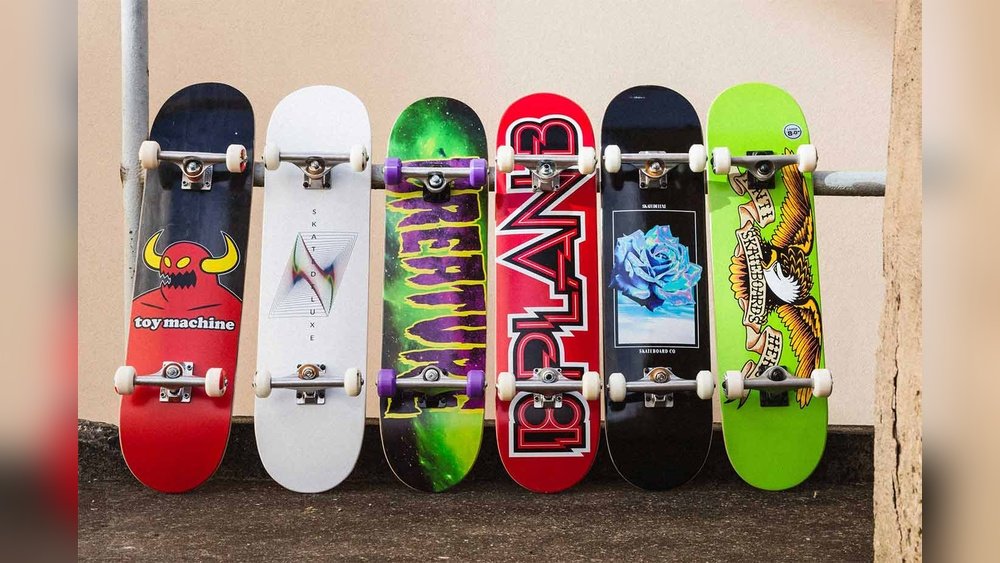
Decks are often decorated with colorful graphics. These don’t affect performance but are important in skateboarding culture. Brands use graphics to show style, support artists, and stand out. Some decks feature limited editions, pro rider designs, or artwork from famous artists.
Graphics are usually printed directly onto the wood or applied as a heat transfer. Over time, graphics wear off from use, but many riders enjoy seeing the marks as signs of progress.
Skateboard Decks For Different Styles
Not every deck is good for every type of skateboarding. The deck you choose depends on where and how you ride.
- Street skating: Narrow, popsicle decks for flip tricks and jumps.
- Park skating: Medium width for balance and versatility.
- Vert skating: Wide decks for stability on ramps.
- Cruising: Longboards or wider decks for comfort.
- Downhill: Extra-long, stiff decks for control at speed.
If you’re unsure, a medium-width popsicle deck is a safe starting point.
How To Choose The Right Skateboard Deck
Buying a skateboard deck isn’t just about picking a cool graphic. Here’s what matters:
- Width: Match to your shoe size and skating style.
- Shape: Popsicle for tricks, old school for cruising.
- Material: Maple is best for most riders.
- Concave: Medium is best for beginners.
- Brand: Reputable brands offer better quality control.
Avoid decks that are too cheap—they may break quickly or feel wrong. It’s better to spend a bit more for a deck that lasts and performs well.
Common Mistakes When Picking A Deck
Many beginners make simple mistakes:
- Buying based only on graphics, ignoring size and shape.
- Choosing a deck that’s too wide or narrow for their feet.
- Not checking the deck’s material or construction.
- Forgetting about concave, which affects control.
- Skipping reputable brands and buying low-quality decks.
To avoid these mistakes, focus on function over looks and ask for advice at skate shops.

Credit: www.skatedeluxe.com
How Long Does A Skateboard Deck Last?
Most decks last 2–6 months for regular riders, but this depends on how much you skate, the tricks you do, and the quality of the deck. Signs your deck needs replacing include:
- Cracks or chips in the wood.
- Loss of pop (the board feels “dead”).
- Warping or delamination.
- Soft spots or broken edges.
Pro skaters may replace decks weekly, while casual riders can keep theirs for over a year.
Skateboard Deck Maintenance Tips
Taking care of your deck makes it last longer:
- Keep it dry—water can ruin the wood.
- Store in a cool, dry place.
- Clean off dirt and mud after riding.
- Check for cracks regularly.
- Avoid leaving your board in direct sunlight.
These simple habits protect your deck and keep it performing well.
Skateboard Deck Technology And Trends
Modern decks use new materials and designs. Some brands add carbon fiber, fiberglass, or resin to make decks lighter and stronger. There are eco-friendly options made from bamboo or recycled materials. Technology is also changing graphics, with digital printing and custom designs.
The average skateboard deck weighs about 2.5–3 pounds, but lighter decks are becoming more common. Some decks use special construction for extra pop, like “impact” or “fiber” models.
Comparing Skateboard Deck Brands
Choosing a deck brand is important for quality and performance. Here’s a quick comparison of popular brands.
| Brand | Main Features | Price Range |
|---|---|---|
| Element | Classic maple, strong graphics | $40–$70 |
| Girl | Popsicle shapes, good pop | $50–$75 |
| Santa Cruz | Old school, modern shapes | $45–$80 |
| Almost | Carbon fiber tech, light | $55–$90 |
Brands offer different shapes, materials, and graphics, so it’s worth trying a few to find your favorite.
Skateboard Decks In Culture
The skateboard deck is more than just equipment—it’s a piece of culture. Deck graphics have become collectibles, and some decks are displayed as art in galleries. Skateboarding brands often support artists, musicians, and pro riders, making decks a way to express identity.
Decks also show the evolution of skateboarding. In the 1970s, decks were wider and flat. Today, they’re lighter, shaped for tricks, and made with advanced materials. The deck you choose reflects your style and place in the skateboarding world.
Frequently Asked Questions
What Is The Best Material For A Skateboard Deck?
Maple wood is the most popular material because it’s strong, flexible, and offers good “pop.” Bamboo and carbon fiber decks are lighter and eco-friendly, but maple is still the top choice for most skaters.
How Do I Know If My Deck Is The Right Size?
Match the deck width to your shoe size and skating style. Most adult riders use decks between 7.75” and 8.25”. If you prefer tricks, go narrower; for stability, go wider.
Can I Use The Same Deck For Street And Vert Skating?
You can, but it’s not ideal. Street decks are usually narrower for flip tricks, while vert decks are wider for stability. If you skate both, pick a medium-width deck (around 8.25”).
How Much Does A Good Skateboard Deck Cost?
A quality deck costs between $40 and $80. Cheaper decks may break faster or feel wrong. Pro models or decks with special technology can be more expensive.
Where Can I Learn More About Skateboard Deck Materials?
For deeper information about skateboard deck construction and materials, visit the Wikipedia Skateboard page, which covers history, materials, and technology in detail.
Skateboard decks are at the heart of skateboarding, shaping every ride and trick. Understanding deck materials, sizes, shapes, and maintenance helps you choose the right board and enjoy skating more. Whether you’re buying your first deck or upgrading, focus on quality, fit, and your personal style.
Skateboarding is about having fun and expressing yourself—so find a deck that feels right and shows who you are.
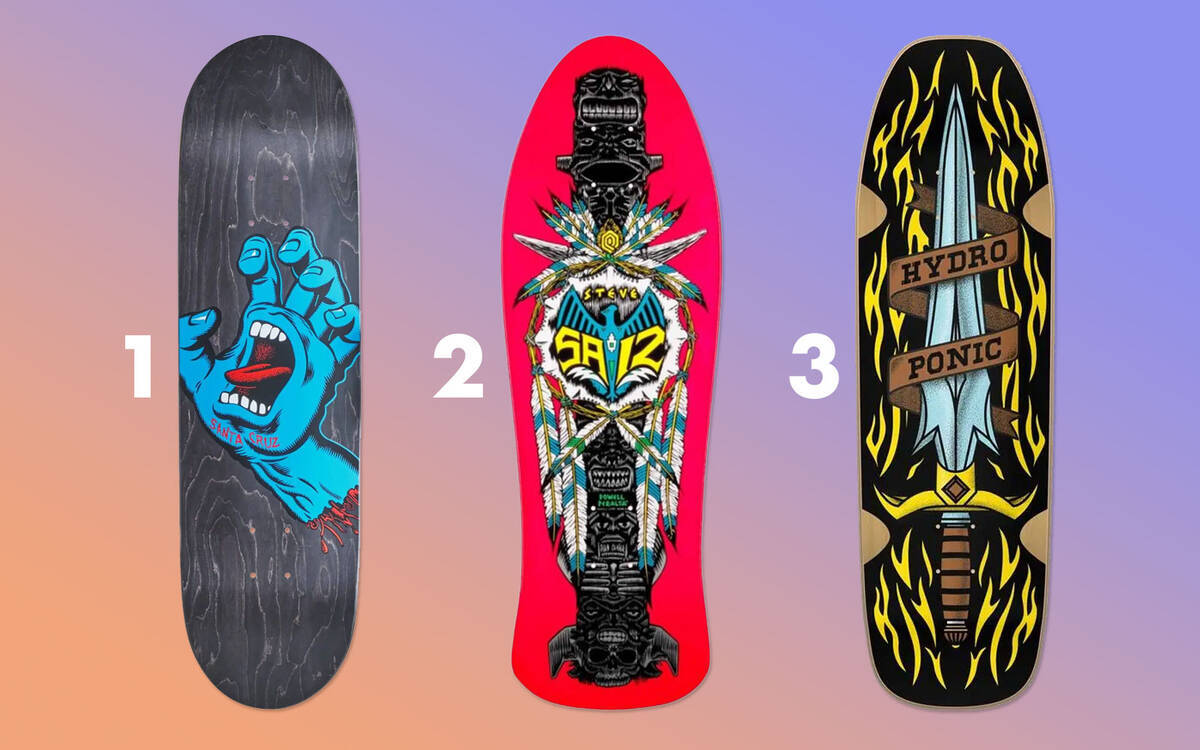
Credit: www.skatepro.com