
Skateboarding is more than just a sport—it’s a cultural movement that has shaped fashion, music, and even art around the world. Yet, many people wonder: when did skateboarding become popular? The answer is not simple, as skateboarding has seen several waves of popularity since its invention. To understand its rise, we need to look at the different decades, the trends that shaped them, and the key moments that brought skateboarding into the global spotlight.
The Early Days: 1950s–1960s
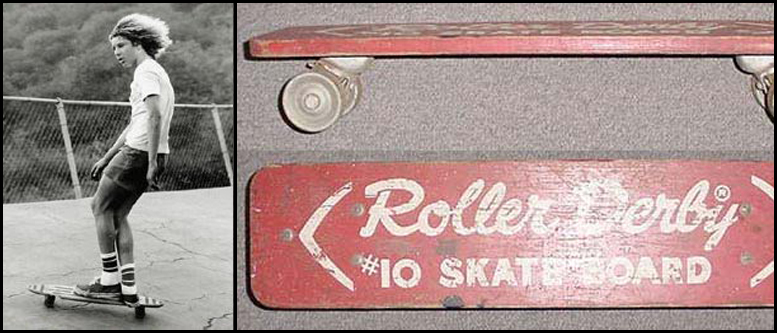
Skateboarding began in California during the 1950s. At first, surfers looked for something to do when the waves were flat. They created homemade boards by attaching roller skate wheels to wooden planks. These first boards were simple, but they allowed surfers to “surf” on land. This activity was called “sidewalk surfing.”
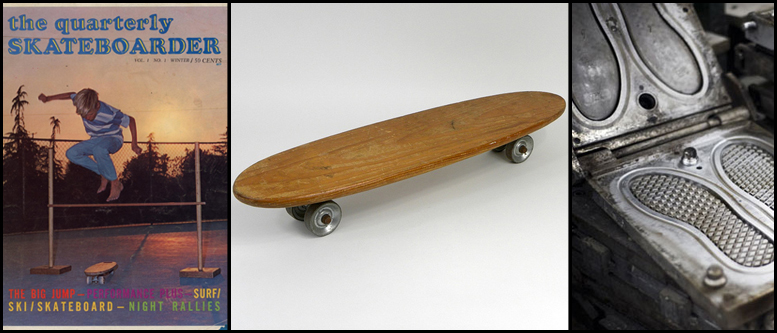
By the early 1960s, small companies started to make and sell skateboards. The first commercial skateboards were basic—narrow, with metal wheels. In 1963, the first skateboarding magazine, The Quarterly Skateboarder, appeared. That same year, the first public skateboarding contest was held in Hermosa Beach, California. This was a sign that skateboarding was catching on, but it was still a small scene.
A few years later, skateboard sales exploded. In 1965, more than 50 million skateboards were sold in the United States. Skateboarding was suddenly everywhere—on TV, in magazines, and in ads. Kids loved the thrill and the freedom. However, this first boom did not last long. Poor-quality boards led to many accidents, and cities started to ban skateboarding in public places.
By 1967, the first wave of popularity was over. Many companies closed, and skateboarding nearly disappeared. But this was just the beginning.
The Second Wave: 1970s
The 1970s brought new technology and a new style. In 1972, urethane wheels were introduced by Frank Nasworthy. These wheels made skateboards smoother, faster, and safer. Suddenly, riding on rough streets felt much easier. This small change had a huge impact.
More skaters meant more innovation. Skateboarders started to invent new tricks and styles. Empty swimming pools—often left behind in California’s drought—became the perfect place to ride. Skaters like Tony Alva and Stacy Peralta became local heroes for their pool-riding skills. This was the birth of modern skateboarding.
During this period, skateboarding moved from simple tricks to a focus on style, creativity, and risk. Skate parks began to open across the US. Magazines and movies showed off the new scene. In 1976, the movie “Skateboard Kings” helped spread the culture.
Below is a comparison of skateboards from the 1960s and 1970s:
| Feature | 1960s Skateboards | 1970s Skateboards |
|---|---|---|
| Wheels | Metal/Clay | Urethane |
| Board Material | Wood | Plywood/Laminated |
| Shape | Flat, narrow | Wider, curved nose/tail |
| Performance | Low grip, rough ride | Smoother, safer |
By the late 1970s, skateboarding was popular among youth, but faced another decline due to rising insurance costs for skate parks and negative media attention about injuries.
1980s: Underground To Mainstream
The 1980s were a turning point. Skateboarding went underground, but grew stronger and more creative. Many skate parks closed, so skaters took to the streets, parking lots, and abandoned pools. The DIY (do-it-yourself) spirit became central. This period saw the rise of street skating.
Skateboarding companies like Powell Peralta, Santa Cruz, and Vision created new board shapes and promoted top skaters. Names like Tony Hawk, Rodney Mullen, and Lance Mountain became legendary. They invented tricks that are still popular today, such as the ollie (by Mullen) and the vert ramp aerials (by Hawk).
Skateboarding videos became a major way to share skills and style. The “Bones Brigade Video Show” (1984) inspired a new generation of skaters worldwide. Skateboarding also influenced fashion—baggy pants, graphic t-shirts, and sneakers became part of youth culture.
Here’s a quick look at how skateboarding spread in the 1980s:
| Year | Major Event | Impact |
|---|---|---|
| 1981 | Thrasher Magazine founded | Gave skaters a voice |
| 1984 | Bones Brigade Video Show released | Skate tricks went global |
| 1985 | Street skating dominates | Urban skate spots boom |
By the late 1980s, skateboarding was no longer just a trend—it was a lifestyle. It grew in both the US and Europe, even as it remained outside the mainstream.
The 1990s: Worldwide Explosion
The 1990s brought skateboarding into the spotlight like never before. Street skating became the main style, with skaters using stairs, rails, and ledges in city landscapes. Companies like World Industries and Girl Skateboards pushed creative graphics and promoted unique styles.
The launch of ESPN’s X Games in 1995 was a game changer. For the first time, millions of people saw skateboarding on TV as a serious sport. Skaters like Bam Margera and Bob Burnquist became celebrities. Brands such as Vans and DC Shoes grew with the scene, making skateboarding fashion mainstream.
Music played a big role in this era. Punk, hip-hop, and rock became linked with skate videos and events. Skateboarding was not just about the tricks—it was an attitude, a look, and a voice for youth culture.
A major insight from the 1990s is how skateboarding brought different communities together. It welcomed people from all backgrounds. This open spirit helped it spread to Asia, South America, and beyond.
Credit: www.skatedeluxe.com
2000s: Mainstream Success And Olympic Dreams
The 2000s saw skateboarding finally become a household name. Video games like Tony Hawk’s Pro Skater helped kids learn about the sport and even try virtual tricks before ever stepping on a board. The video game series sold over 30 million copies worldwide, showing just how big skateboarding had become.
Major brands sponsored events and athletes. Skateboarding videos on the internet reached millions. The sport was featured in commercials, movies, and music videos. New tricks and bigger competitions pushed the limits of what was possible.
In 2016, the International Olympic Committee announced that skateboarding would be part of the Tokyo 2020 Olympics. This was a huge moment for skaters everywhere. It meant that the world now saw skateboarding as a real sport, worthy of global attention.
Here’s a comparison of skateboarding’s media presence in the 1980s vs. 2000s:
| Aspect | 1980s | 2000s |
|---|---|---|
| TV Coverage | Rare | Widespread (X Games, Olympics) |
| Video Games | None | Tony Hawk series, Skate |
| Internet | Not available | Skate videos, tutorials, forums |
| Mainstream Brands | Few | Many (Nike SB, Adidas, Vans) |
2010s–today: Global Community And Cultural Icon
Skateboarding is now a global phenomenon. Thanks to social media platforms like YouTube and Instagram, skaters share tricks and art instantly with fans everywhere. There are professional skaters from Japan, Brazil, South Africa, and other countries. Skating in public spaces is accepted in many cities, and new skate parks are built every year.
The Olympics brought new respect and opportunities. In the Tokyo 2020 Games (held in 2021), skaters like Yuto Horigome and Momiji Nishiya won gold for Japan, showing how much the sport has grown outside the US. Skateboarding is now seen as both an art form and a sport, open to everyone.
A non-obvious insight: Many beginners think skateboarding’s popularity is mainly about tricks or competitions. In reality, its true power is in building community. Local skate scenes help young people find friends, learn new skills, and express themselves. This sense of belonging is a big reason why skateboarding’s popularity keeps growing, even after 70 years.
Credit: www.skatedeluxe.com
Why Did Skateboarding Become Popular?
Several factors made skateboarding popular at different times:
- Innovation: Changes like urethane wheels and new board shapes made skateboarding more fun and safer.
- Media Exposure: Magazines, movies, and especially TV (like the X Games and Olympics) brought skateboarding to millions.
- Youth Rebellion: Skateboarding was seen as rebellious and anti-mainstream, which attracted young people.
- Accessibility: Anyone can start with a simple board. You don’t need a team, a special field, or expensive gear.
- Creativity and Freedom: Skateboarding lets people invent tricks and express their own style.
- Community: Skate parks and street spots create close groups that support and inspire each other.
A common mistake is to think that skateboarding was always popular everywhere. In reality, it had ups and downs, and was often banned in cities due to safety concerns. Its popularity has also depended on technology, the economy, and changing youth culture.
Key Moments That Made Skateboarding Popular
- 1965: First big boom with mass production and contests.
- 1972: Urethane wheels boost the second wave.
- Late 1970s: Pool riding and vertical tricks change the sport.
- 1984: Skateboarding videos spread new ideas globally.
- 1995: X Games put skateboarding on TV.
- 2000s: Video games and internet make it mainstream.
- 2021: Skateboarding debuts in the Olympics.
Each moment built on the last, creating a strong, worldwide culture.
The Surprising Side Of Skateboarding’s Popularity
Many people see skateboarding as just a fun activity or extreme sport. But it has also influenced fashion, music, and art. Brands like Supreme and Vans started in the skate scene and are now worn by people everywhere. Musicians and artists often use skateboarding themes in their work. Some cities have even used skate parks as tools to reduce crime and give young people creative outlets.
Another insight: The growth of skateboarding in countries like Japan, Brazil, and South Africa shows that it’s not just an American trend anymore. Skaters from these countries are now winning world championships and Olympic medals, showing the sport’s true global reach.
For more on the history and impact of skateboarding, check out the History of Skateboarding on Wikipedia.
Frequently Asked Questions
When Did Skateboarding First Appear?
Skateboarding started in the 1950s in California. Surfers wanted something to do when the ocean was flat, so they built early skateboards from wooden planks and roller skate wheels.
When Did Skateboarding Become Popular Worldwide?
Skateboarding’s first big boom was in 1965 in the US. But it became popular worldwide in the 1990s and 2000s, thanks to the X Games, video games, and the internet.
Was Skateboarding Ever Banned?
Yes, many cities banned skateboarding in the 1960s and 1970s because of safety concerns and accidents. Some places still have rules about where you can skate today.
Did The Olympics Make Skateboarding More Popular?
Yes, being in the Tokyo 2020 Olympics (held in 2021) made skateboarding even more popular, especially in countries where it was less known before.
Is Skateboarding Only For Young People?
No. While most skaters are young, people of all ages skateboard. Some top pros are in their 40s or 50s, and many adults skate for fun or fitness.
Skateboarding’s journey from a backyard hobby to an Olympic sport is a story of creativity, risk, and community. Its popularity continues to grow, and its influence can be seen in every corner of youth culture today.

Credit: www.rideevolve.com