Why Do Skateboarders Hate Scooters? Unveiling the Real Reasons
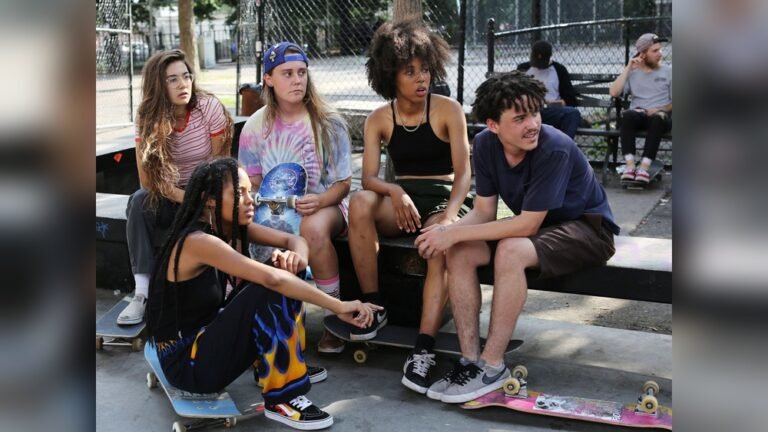
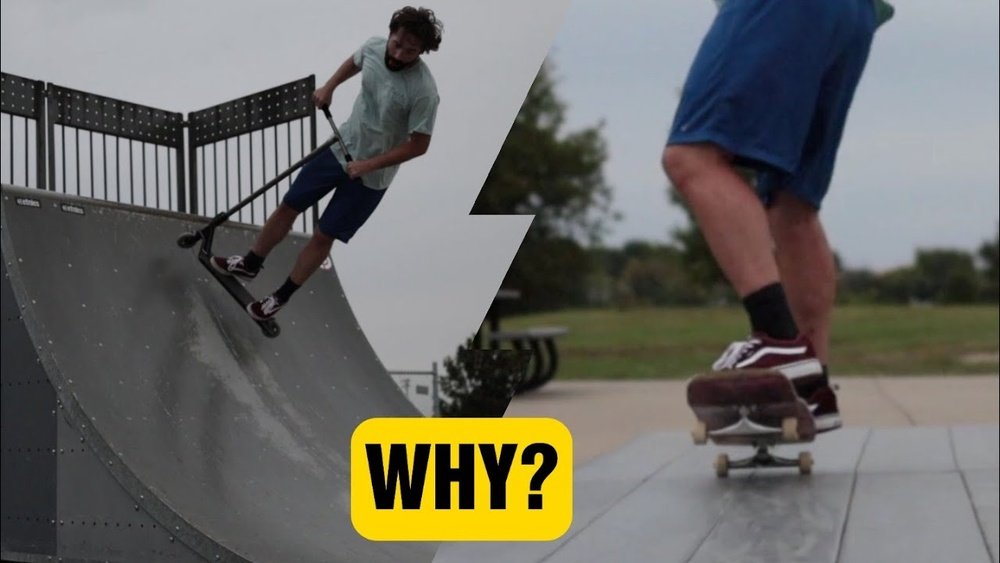
Skate parks are places full of energy and creativity. People come with boards, bikes, and sometimes, scooters. Yet, anyone who spends time in these parks will notice a tension: skateboarders and scooter riders often don’t get along. In fact, some skateboarders seem to truly dislike sharing the space with scooters. Why does this happen? Is it just about space—or is there something deeper? Let’s explore the real reasons behind this rivalry, break down myths, and see how park culture shapes these strong feelings.
The Roots Of Skatepark Culture
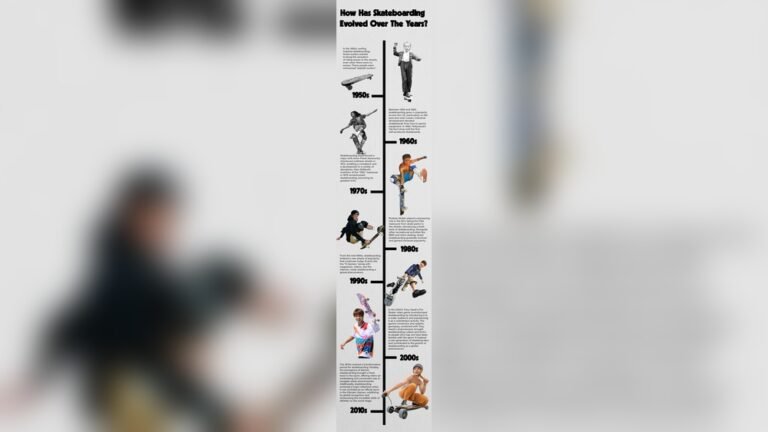
To understand why skateboarders often dislike scooters, you need to know a bit about skatepark culture. Skateboarding has a rich history going back to the 1950s and 60s. Early skateboarders were seen as rebels—people who did not always follow rules. Skateboarding grew up outside the mainstream, with its own language, tricks, and attitudes.
For many, the skatepark is more than just a place to practice. It’s a community. There are unwritten rules about how to behave, how to take turns, and how to respect others. Many skateboarders see themselves as artists or athletes, pushing the limits of what’s possible on four wheels. This deep connection to the culture makes them protective of their space.
Scooters, on the other hand, are newer to skateparks. They became popular in the 2000s, especially with younger riders. For some skateboarders, scooters feel like outsiders who don’t understand the “code” of the park.
Common Complaints: Why Friction Happens
There are several reasons why skateboarders often get frustrated with scooters at the park. While not every skateboarder feels this way, these are the most common points of tension.
1. Different Age Groups
Most scooter riders are children or young teens. Skateboarders, especially older ones, sometimes feel that kids don’t pay attention to the flow of the park. They worry that younger riders might not know when to wait their turn or how to avoid collisions.
2. Understanding Of Etiquette
Every skatepark has its own rhythm. Skaters watch each other, wait for their turn, and communicate without words. New scooter riders may not know these unwritten rules. When they cut in line or ride across someone’s path, it can create dangerous situations—and bad feelings.
3. Riding Style And Space Use
Skateboards and scooters move differently. Scooters can start and stop quickly, and riders often weave through crowded spaces. Skateboarders tend to move in longer lines, needing more room for tricks. Mixing these styles can lead to crashes or near misses.
4. Perceived Lack Of Respect
Some skateboarders feel that scooter riders don’t respect the history or culture of the park. They may see scooters as “easier” or less skilled. This feeling grows if scooter riders don’t help maintain the park or follow the same standards.
5. Noise And Disruption
Scooters often make loud clattering sounds, especially when dropped. For skaters who are trying to focus, this can be distracting.

Credit: www.youtube.com
Comparing Skateboards And Scooters In Parks
Here’s a side-by-side look at how skateboards and scooters are used in skateparks.
| Aspect | Skateboards | Scooters |
|---|---|---|
| Typical Rider Age | Teens, Adults | Kids, Young Teens |
| Learning Curve | Steep (takes time) | Gentler (easier to start) |
| Space Needed | Wide, long lines | Short, quick movements |
| Noise Level | Moderate | Can be loud (metal parts) |
| Community History | Deep, long-standing | Newer, less established |
This table shows that the two sports have different needs and traditions, which can cause misunderstanding.
The Psychology Behind The Rivalry
Some of the dislike comes from simple human nature. People want to protect their group. When a new group arrives and changes the space, it can feel threatening—even if no one means harm.
In-group bias is a powerful force. This means people support those who are “like them” and distrust outsiders. Skateboarders, who built a strong identity over decades, may see scooters as outsiders. This bias is not unique to skateboarding. Similar feelings happen in other sports and hobbies when new trends arrive.
Another key factor is status. Skateboarding is hard to master. Tricks take months or years to learn. When scooter riders, especially young ones, do easy stunts, some skaters feel their own effort is not valued. They may say, “Scootering is just too easy.” This isn’t always true, but it shapes attitudes.
Credit: skateboardsprint.com
Safety Concerns: More Than Just Annoyance
Many skateboarders’ complaints are not just about tradition—they’re also about safety. Skateparks are busy places with fast-moving people. When riders don’t follow the flow, accidents happen.
A 2018 study found that scooter-related injuries in skateparks have risen as scooters gained popularity. Most injuries were minor, but some were serious enough for hospital visits. Skateboarders argue that riders who don’t know the rules put everyone at risk.
The table below shows a comparison of common injuries:
| Injury Type | Skateboarders | Scooter Riders |
|---|---|---|
| Sprains | 30% | 25% |
| Fractures | 20% | 28% |
| Head Injuries | 15% | 22% |
| Minor Cuts/Bruises | 35% | 25% |
While both groups face risks, the different styles and experience levels can create extra danger.
Not All Skateboarders Hate Scooters
It’s important to say that not every skateboarder dislikes scooters. Many older skaters remember when BMX bikes first came to parks. There was tension then, too, but over time, most learned to share the space.
Some skateboarders even ride scooters themselves or have friends who do. Modern skateparks are often designed for many types of riders. The issue is less about the equipment and more about attitude and respect.
Non-obvious Insights Beginners Miss
People new to skateparks often think the problem is just “old vs. young” or “one sport vs. another.” But there’s more:
- Respect for maintenance: Many skateboarders help clean, fix, and protect their local park. When they see scooter riders damaging ramps or not helping, it feels like disrespect—even if it’s not on purpose.
- The impact of viral videos: Some viral scooter videos show kids doing wild stunts or causing chaos. These don’t represent most riders, but they shape opinions. Skateboarders may expect bad behavior because of a few online clips.
Beginners often miss how much these small details matter to park regulars.
The Role Of Parents And Supervision
Another hidden factor is parental involvement. Scooter riders are often younger and come with parents or guardians. Sometimes, adults don’t understand the flow of the park and may step onto ramps or yell instructions. This can annoy both skateboarders and other kids, making the space feel less free.
Also, parents sometimes push kids to try things they’re not ready for, increasing the chance of accidents.
Can Skateboarders And Scooters Get Along?
Despite the rivalry, many parks now have rules and signs explaining how to share space. Some even have time slots for different sports. In cities with strong skate communities, skaters and scooter riders often talk through problems and work out solutions.
Here are a few ways both groups can get along:
- Learn the rules: Every rider should know park etiquette.
- Take turns: Wait for your run and don’t cut across others.
- Respect the space: Help keep the park clean and safe.
- Communicate: If you make a mistake, say sorry and move on.
Some parks host “all wheels” days, where everyone is welcome, and experienced riders help teach newcomers.
The Growing Popularity Of Scooters
Scooters are here to stay. In fact, scooter sales in the US reached over 5 million in 2022, according to the Outdoor Industry Association. Many kids start on scooters before moving to skateboards, BMX, or rollerblades.
As more scooter riders grow up, they learn the same lessons about park culture. In time, the lines between groups may fade, just as they did between skaters and BMX riders years ago.
Skatepark Design And Shared Spaces
Modern parks are built to handle many sports at once. Designers create zones for different activities—bowls for skaters, rails for scooters, and open spaces for everyone. This reduces conflict and lets people practice safely.
Some cities even publish skatepark etiquette guides. For example, the Wikipedia Skatepark page has advice on park design and user behavior.
Here’s a quick comparison of old vs. new skatepark designs:
| Feature | Old Parks | Modern Parks |
|---|---|---|
| Space Use | One main area | Multiple zones |
| Signage | Rarely any | Clear rules posted |
| For All Wheels? | Mainly skateboards | All types welcome |
Good design helps everyone enjoy the park—and reduces tension.
Changing Attitudes: The Future Of Skateparks
Younger skateboarders are growing up with scooters and see them as normal. Social media is also helping break down barriers, as people see talented riders of all kinds online. Many pro skaters and scooter riders now follow each other and even train together.
With time and education, the “us vs. them” attitude is fading. Respect, patience, and communication are making parks safer and more fun for everyone.

Credit: www.skateboardershq.com
Frequently Asked Questions
Why Do Skateboarders Think Scooters Are Easier?
Many skateboarders feel that scooters require less balance and skill at the beginner level. With handlebars for control, basic movement and tricks are often learned faster. This can make skateboarders feel their own learning process is less valued, although advanced scooter tricks are also very difficult.
Are There Parks Where Scooters Aren’t Allowed?
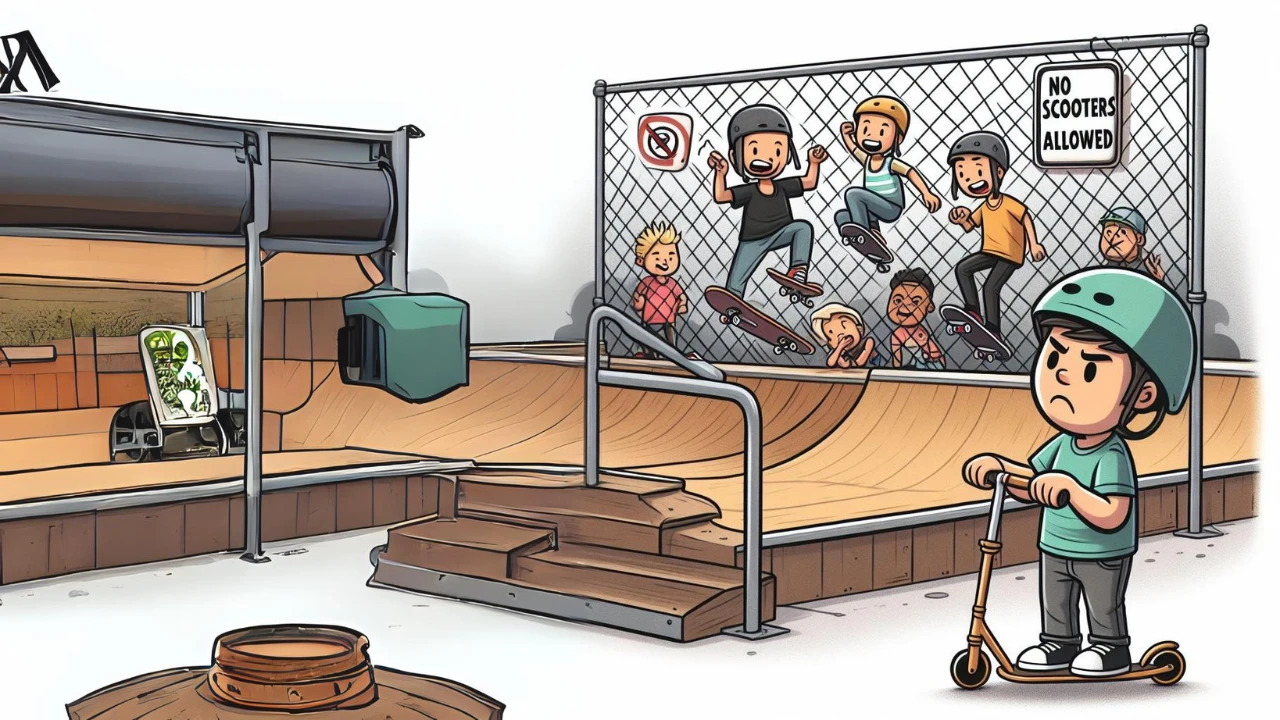
Yes, some parks ban scooters or limit their use at certain times. This is usually to manage crowding or because the park was designed for skateboards only. Always check park rules before visiting.
Can Skateboarders And Scooter Riders Share A Park Safely?
Absolutely—sharing is possible when everyone follows the rules. Taking turns, watching for others, and respecting the space helps prevent accidents and fights. Many parks have clear etiquette signs to help.
Do Scooter Riders Ever Dislike Skateboarders?
Sometimes. Scooter riders, especially younger ones, may feel bullied or unwelcome. They may also feel that skateboarders don’t respect their sport. Respect goes both ways.
How Can New Riders Avoid Problems At The Skatepark?
New riders should learn park etiquette, wait their turn, and be aware of their surroundings. Watching how experienced riders move and asking questions can help avoid misunderstandings and build friendships.
Skateparks are for everyone who loves riding on wheels. Understanding the roots of rivalry—and working to fix it—can make parks better for all.