Skateboarding Safety Tips: Stay Injury-Free and Ride with Confidence
Skateboarding is exciting, challenging, and full of creativity. For many, it’s more than a sport—it’s a way to express themselves and connect with friends. But skateboarding also comes with risks. Whether you’re just starting or have years of experience, accidents can happen quickly. In fact, the US Consumer Product Safety Commission reported over 98,000 skateboarding injuries in 2022, and most of them were preventable. That’s why learning about skateboarding safety tips is essential if you want to enjoy skating for years without serious injuries.
This guide covers the most important ways to protect yourself, your board, and those around you. You’ll learn how to choose the right gear, avoid common mistakes, and develop habits that keep you safe—on and off the board.
Why Skateboarding Safety Matters
Many new skaters believe injuries only happen during tricks. In reality, most accidents occur from simple falls, uneven surfaces, or poor equipment. Broken bones, sprained wrists, and concussions are all common, especially for beginners. But with the right safety habits, you can reduce your chance of injury by more than half.
An extra helmet, the correct shoes, or knowing how to fall properly might seem small. But these details can be the difference between a bruise and a trip to the hospital. Safety is not about taking the fun out of skateboarding—it’s about making sure you get to keep skating.
Essential Protective Gear
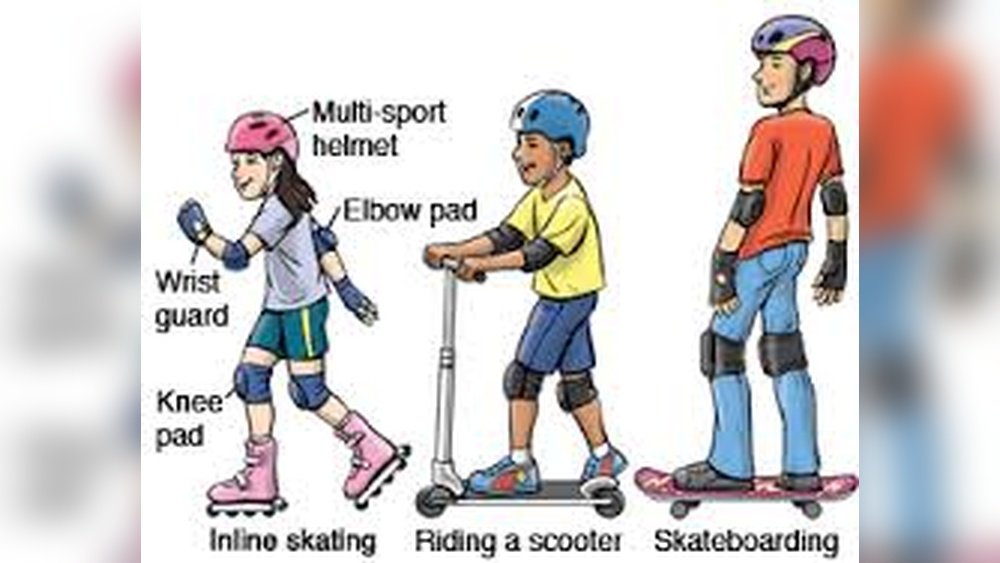
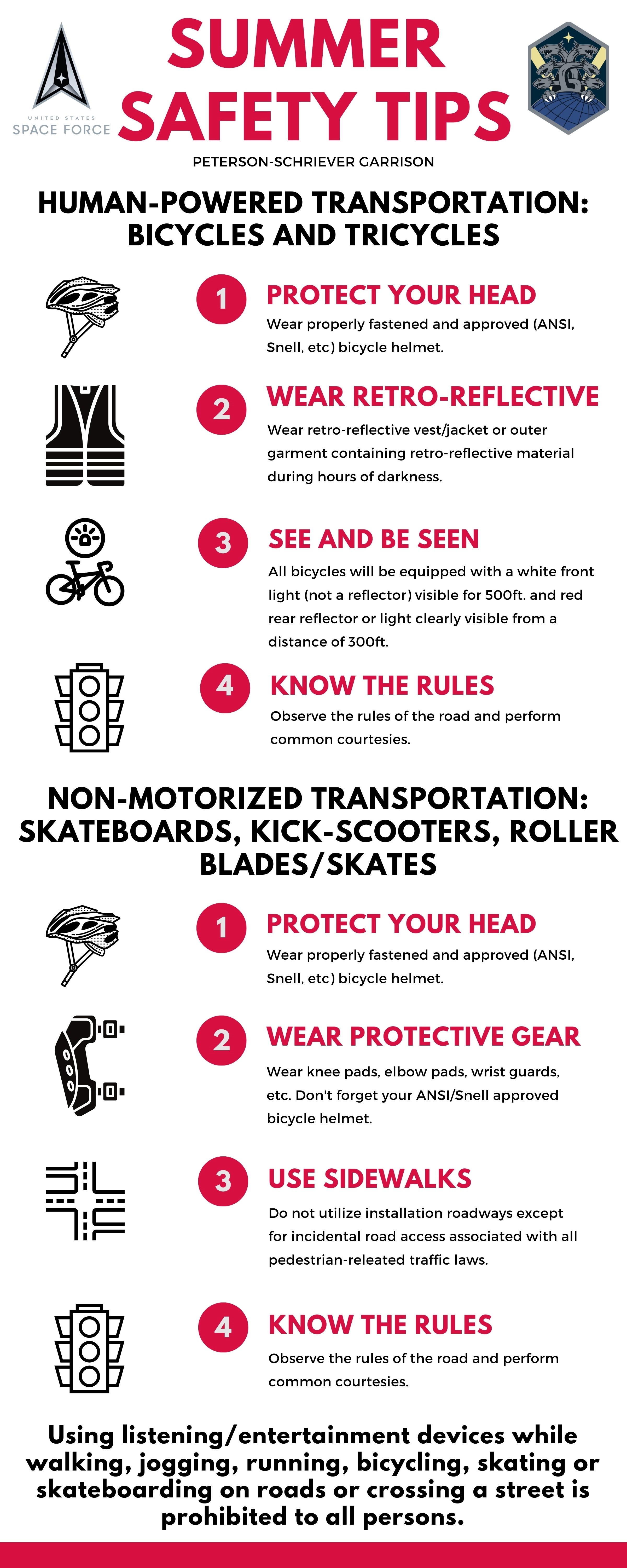
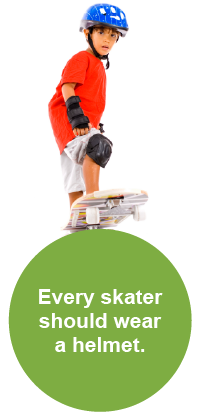
Wearing the right gear is the most effective way to protect yourself. Each piece has a purpose, and even advanced skaters use protection when learning new tricks.
| Protective Gear | Main Purpose | Recommended For |
|---|---|---|
| Helmet | Prevents head injuries and concussions | All skaters, all skill levels |
| Wrist guards | Protects wrists and hands during falls | Beginners, trick skaters |
| Knee pads | Cushions knees and absorbs impact | Park, ramp, and street skaters |
| Elbow pads | Prevents scrapes and bruises | Trick and ramp skaters |
| Proper shoes | Improves grip and foot protection | All skaters |
Important tips for gear:
- Always choose a certified helmet (look for CPSC or ASTM labels).
- Replace any helmet after a hard fall—even if it looks fine.
- Shoes should have flat soles and reinforced toes for grip and durability.
- Make sure pads fit snugly but don’t cut off circulation.
Credit: www.safety.af.mil
Choosing The Right Skateboard
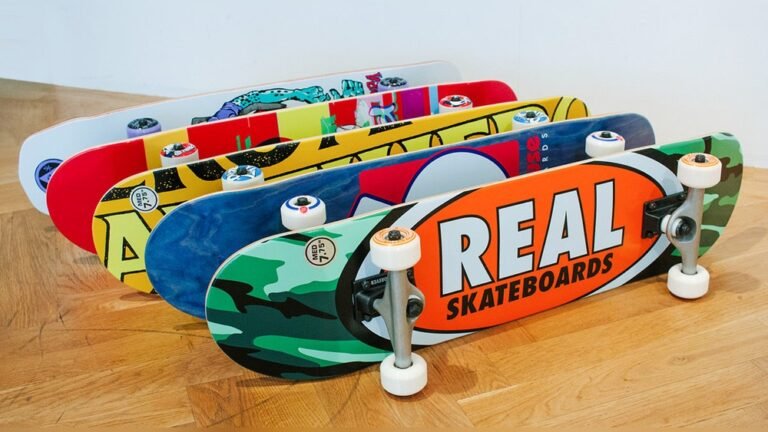
A good skateboard fits your body, style, and skill level. The wrong board can make accidents more likely.
Key Factors For Skateboard Selection
- Deck width: Wider decks (8.0–8.5 inches) are more stable for beginners. Narrower decks turn faster but are harder to balance.
- Deck material: Maple wood is the standard for strength and flex. Avoid cheap plastic boards, which break easily.
- Trucks and wheels: Softer wheels (78A–87A) grip better for rough streets. Harder wheels (99A+) are faster but less forgiving.
- Bearings: Choose quality bearings (ABEC 5 or higher) for smoother rides.
Common Mistakes
Many beginners buy boards that look cool but are too small or heavy. Some buy “toy” skateboards from big box stores, which can break under normal use. Always shop at a real skate shop or trusted online store.
Safe Places To Skate
Where you skate is almost as important as how you skate. Not all places are safe, and each environment brings its own risks.
| Skating Location | Advantages | Risks |
|---|---|---|
| Skateparks | Designed for skating, smooth surfaces, safety rules | Can get crowded, advanced tricks in close spaces |
| Residential streets | Easy access, familiar surroundings | Cars, rough pavement, driveways |
| Parking lots | Flat, open areas | Cars, oil slicks, security rules |
| Sidewalks | Long stretches, less traffic | Pedestrians, cracks, uneven concrete |
Insider tip: Some cities publish maps of skate-friendly spots and skateparks. Always check local rules to avoid fines or complaints.
Warming Up Before You Skate
Warming up may sound boring, but it helps prevent many common injuries. Your muscles, ligaments, and joints need to be ready for sudden moves and impacts.
Effective Warm-up Routine
- Jog or jump rope for 5 minutes to raise your heart rate.
- Stretch your ankles, wrists, shoulders, and back gently.
- Do a few bodyweight squats and lunges to activate leg muscles.
- Practice balancing on your board before trying tricks.
Skaters who skip warm-ups are more likely to get sprains, especially in cold weather.
Learning To Fall Safely
No skater can avoid falling forever, but you can learn to fall with less risk. Mastering how to take a fall can reduce injuries by up to 40%.
Falling Tips
- Stay relaxed: Tensing up makes injuries worse.
- Roll, don’t slam: Try to roll over your shoulder or side, not land flat.
- Use pads: Let your knee and elbow pads take the hit, not your bones.
- Protect your head: Tuck your chin if you feel yourself falling backward.
- Practice: Try falling on grass or mats to get used to safe landings.
Advanced skaters often practice “bailing out” safely before trying new tricks.

Credit: www.magnific.com
Understanding Your Limits
Pushing yourself is part of skateboarding, but knowing your limits is smart. Most serious injuries happen when skaters try tricks they’re not ready for.
Signs You’re Pushing Too Far
- Feeling nervous or shaky before a trick
- Not landing basics consistently
- Skating in unfamiliar places or with new obstacles
It’s okay to say no or take a break. Skating within your limits leads to faster progress and fewer injuries.
Skateboarding Etiquette And Respect
Safety isn’t just about your body—it’s also about respecting others. Good etiquette keeps everyone safer and makes the skateboarding community stronger.
Basic Etiquette Rules
- Take turns: Don’t cut in front of others at skateparks.
- Watch for beginners: Give space to those still learning.
- Don’t litter: Broken boards and trash can cause accidents.
- Respect property: Only skate where it’s allowed.
A positive attitude means more friends and fewer problems with neighbors or police.
Credit: www.safekids.org
Inspecting Your Skateboard Regularly
A worn-out or broken skateboard can cause sudden accidents. Check your board often to spot problems before they become dangerous.
What To Check
- Deck: Look for cracks, chips, or soft spots.
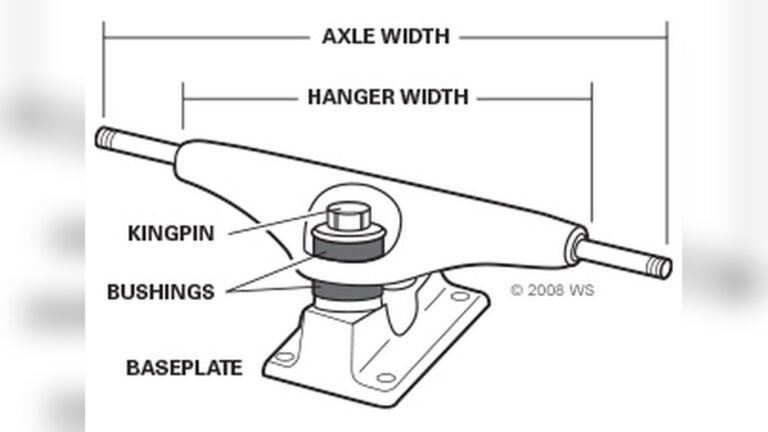
- Trucks: Make sure bolts are tight but not over-tightened.
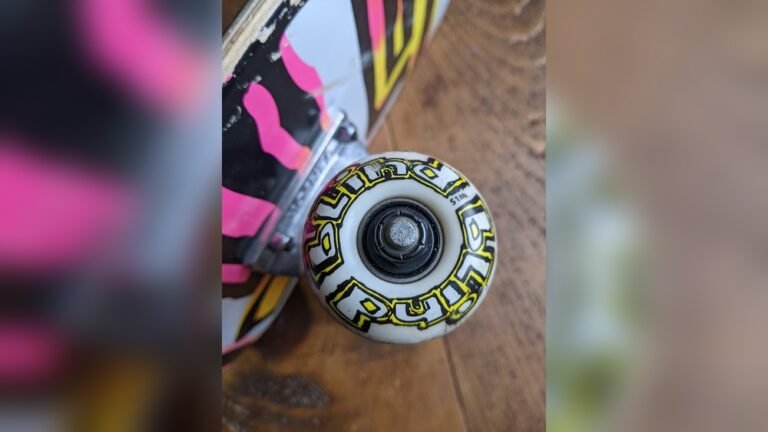
- Wheels: Spin smoothly; no flat spots or uneven wear.
- Bearings: Should be free of dirt and rust.
- Grip tape: Should be rough; replace if it’s smooth or peeling.
A quick 5-minute check before each session can prevent a lot of trouble.
Night And Weather Safety
Many skaters ride in the evening or during different weather conditions. These add extra risks.
Night Skating Tips
- Wear bright or reflective clothing.
- Use board lights or reflective tape.
- Avoid busy streets or areas with poor lighting.
Weather Tips
- Don’t skate on wet surfaces—wheels slip easily, and bearings rust.
- Avoid icy or snowy spots.
- Hot weather? Drink water and take breaks to avoid overheating.
If you must skate after rain, check your board for water damage.
Staying Alert And Avoiding Distractions
Many accidents happen when skaters get distracted. Phones, loud music, or talking with friends can make you miss hazards.
Stay Focused By
- Keeping your phone in your pocket while riding.
- Only using one earbud if you want music.
- Looking ahead for bumps, cars, or people.
Pro insight: Even experienced skaters crash because they stop paying attention for just a moment.
Advanced Safety For Tricks And Ramps
As you get better, you’ll want to try bigger tricks and ramps. These situations require extra caution.
Tips For Advanced Skating
- Spotters: Have a friend watch when trying dangerous tricks.
- Work up gradually: Learn new moves in stages, not all at once.
- Check ramps and rails: Make sure surfaces are clean and not slippery.
- Know first aid: Learn how to treat minor injuries or call for help.
Remember, even professional skaters use pads when trying new tricks.
Comparing Skateboarding Risks To Other Sports
Some people think skateboarding is more dangerous than other sports. Here’s a quick look at injury rates:
| Sport | Injury Rate (per 1,000 hours) | Common Injuries |
|---|---|---|
| Skateboarding | 8.9 | Fractures, sprains, abrasions |
| Basketball | 7.8 | Sprains, knee injuries, hand injuries |
| Soccer | 6.2 | Sprains, head injuries, bruises |
| Cycling | 7.5 | Fractures, head injuries, road rash |
You can see that skateboarding has a slightly higher injury rate, but with good habits, it doesn’t have to be more dangerous.
Two Non-obvious Safety Insights
- Foot placement matters: Many ankle and knee injuries happen because of poor foot position, not just failed tricks. Always check your stance before dropping in or trying anything new.
- Sun protection is part of safety: Skaters spend hours outdoors. Sunburn and dehydration can ruin a session and distract you, raising the risk of falls. Use sunscreen and drink water, especially in summer.
What To Do After A Fall
Even with good habits, falls happen. How you respond can speed up your recovery.
- Stay calm and don’t jump up right away. Check for pain or swelling.
- Clean scrapes with water and cover with a clean bandage.
- Ice swelling for 10–20 minutes to reduce pain.
- Rest if you feel dizzy, have a headache, or can’t move a limb easily.
- If pain lasts or you suspect a fracture, see a doctor immediately.
Learning basic first aid helps you and your friends stay safe together.
Frequently Asked Questions
What Is The Most Important Piece Of Skateboarding Safety Gear?
The helmet is the most important. It protects your head from serious injury or concussion. Even a simple fall can lead to life-changing head injuries if you aren’t wearing one.
At What Age Is It Safe To Start Skateboarding?
Children as young as five can start with supervision and proper gear. The key is using the right size board and always skating with an adult nearby for beginners.
How Often Should I Replace My Skateboard Helmet?
Replace your helmet after any strong impact, even if it looks fine. If it’s more than five years old, or shows cracks or worn straps, get a new one.
Is It Safe To Skateboard On Public Roads?
Public roads are risky because of cars and poor visibility. Only skate on roads if it’s legal in your area, and always wear bright clothing and a helmet.
Where Can I Learn More About Skateboarding Safety?
You can find more tips on the CDC Helmet Safety page, which offers guides for skaters and parents.
Skateboarding is about freedom, skill, and fun. But smart skaters know that safety is what keeps them on their boards—session after session. Take these safety tips seriously, and you’ll not only avoid injuries but also improve your skills faster and enjoy skating more.
Stay alert, respect others, and always wear your gear. The right habits today can make a lifetime of skateboarding possible.