Skateboarding is more than just a sport or hobby—it’s a lifestyle that blends creativity, skill, and self-expression. But to truly enjoy skating, you need to wear the right clothing and gear. Choosing what to wear for skateboarding isn’t just about looking cool; it’s about safety, comfort, and performance.
Whether you’re a beginner or an experienced skater, wearing the proper outfit makes a big difference on and off the board.
Many newcomers focus on the skateboard itself, but they often overlook the importance of clothing and protective gear. Wearing the wrong clothes can cause discomfort, restrict movement, or even lead to injuries. The right apparel lets you move freely, protects you from falls, and helps you stay safe in different weather conditions.
Let’s dive into what to wear for skateboarding, including essential items, optional gear, and style tips, so you can skate confidently and comfortably.
Essential Skateboarding Clothing
Skateboarding demands clothes that are both functional and durable. Here’s what you should wear for a safe and comfortable skating experience.
Skate Shoes
The most important item for skateboarding is a pair of skate shoes. Regular sneakers don’t offer enough grip or protection. Skate shoes are designed with flat soles, special grip, and extra padding in key areas. Here’s why they matter:
- Grip: Flat soles made from rubber provide excellent traction on the board.
- Durability: Reinforced areas (like the toe and heel) resist wear from tricks and slides.
- Protection: Extra padding shields your feet from impacts.
Popular brands like Vans, Nike SB, and Etnies are known for their skate shoes. For beginners, choose shoes with a thicker sole and strong toe caps. Avoid running shoes or sandals—they won’t protect your feet and may cause you to slip.
Skate Pants
Your choice of pants affects comfort and movement. Skate pants should be tough, flexible, and fit well. Most skaters prefer:
- Denim jeans: Thick and resistant to scrapes, but can be stiff.
- Cargo pants: Offer flexibility and pockets for carrying items.
- Chinos: Comfortable and stylish; some are made specifically for skaters.
Look for pants with reinforced stitching in high-stress areas. Avoid pants that are too tight or too loose—both can restrict movement or get caught on the board.
T-shirts And Long Sleeves
A T-shirt is a classic choice. It’s lightweight, breathable, and allows free movement. For cooler days or extra protection, wear a long sleeve shirt.
- Cotton: Absorbs sweat and is comfortable.
- Synthetic blends: Dry faster and offer more stretch.
Some skaters wear layered shirts to protect their arms from scrapes. If you skate outdoors, choose shirts with UV protection.
Socks
Don’t overlook your socks. Thick, high-quality socks cushion your feet and prevent blisters. Avoid thin or low-cut socks—they may slip down and cause discomfort.
Protective Gear
Skateboarding involves risk, especially for beginners or those learning new tricks. Protective gear helps prevent serious injuries. Here’s what you should consider:
Helmet
The most important piece is the helmet. It protects your head from falls and collisions. Choose helmets certified for skateboarding, not just biking.
- Fit: Should sit snugly without wobbling.
- Ventilation: Keeps your head cool.
- Certification: Look for ASTM or CPSC marks.
Wearing a helmet is strongly recommended, even if you skate in parks or on flat ground.
Knee And Elbow Pads
Knee pads and elbow pads cushion your joints during falls. They are essential for beginners and anyone practicing tricks.
- Hard shell pads: Offer maximum protection.
- Soft pads: More comfortable but less protective.
Pads should fit snugly, but not restrict movement. Many experienced skaters use pads when trying difficult tricks or skating ramps.
Wrist Guards
Wrist guards protect against sprains and fractures, which are common when falling forward. Choose guards with flexible straps and solid support.
Many beginners skip wrist guards, but they help prevent painful injuries. If you skate on rough surfaces or do tricks, they’re a smart choice.

Credit: goskate.com
Optional Gear And Accessories
Some items aren’t essential for everyone but can improve comfort or style.
Hoodies And Jackets
Skating outdoors in cool weather? Wear a hoodie or light jacket. They keep you warm and protect from wind, but shouldn’t be too bulky.
- Zip-up hoodies: Easy to remove and adjust.
- Windbreakers: Lightweight and resist wind.
Avoid heavy coats—they can restrict movement and make you sweat quickly.
Hats And Beanies
A hat or beanie protects your head from sun or cold. Choose ones that fit comfortably and won’t fly off during tricks.
- Flat-brim caps: Popular for style and sun protection.
- Beanies: Keep you warm in winter.
Don’t wear hats that block your vision or distract you.
Backpacks
If you carry gear, water, or extra clothes, a small backpack is practical. Choose ones with chest straps to keep them secure. Avoid large or loose backpacks—they can throw off your balance.
Weather Considerations
Skateboarding clothes should change with the weather. Here’s how to dress for different conditions:
Hot Weather
- Wear lightweight, breathable shirts and shorts.
- Choose moisture-wicking materials.
- Use sunscreen and hats for sun protection.
Cold Weather
- Layer with hoodies or jackets.
- Wear thicker pants and high socks.
- Use gloves if your hands get cold (choose thin, flexible gloves).
Rainy Or Wet Conditions
- Avoid skating in heavy rain—it’s dangerous.
- Wear water-resistant jackets and pants.
- Dry your shoes and gear after skating.

Credit: www.thesupplynetwork.co.uk
Clothing Materials And Durability
Skateboarding puts stress on clothes, so material choice matters. Here’s a quick comparison of common materials:
| Material | Durability | Comfort | Best For |
|---|---|---|---|
| Cotton | Medium | High | T-shirts, socks |
| Denim | High | Medium | Pants |
| Synthetic blends | Medium | High | Performance shirts |
| Leather | Very High | Low | Shoes |
Choose materials that balance comfort and durability. For frequent skaters, investing in reinforced clothing saves money over time.
Skateboarding Clothing Vs. Regular Clothing
Skateboarding clothing isn’t just about style. Here’s how it compares to regular clothing:
| Feature | Skateboarding Clothing | Regular Clothing |
|---|---|---|
| Durability | High | Low-Medium |
| Flexibility | High | Medium |
| Protection | Good | Poor |
| Fit | Loose/Relaxed | Varies |
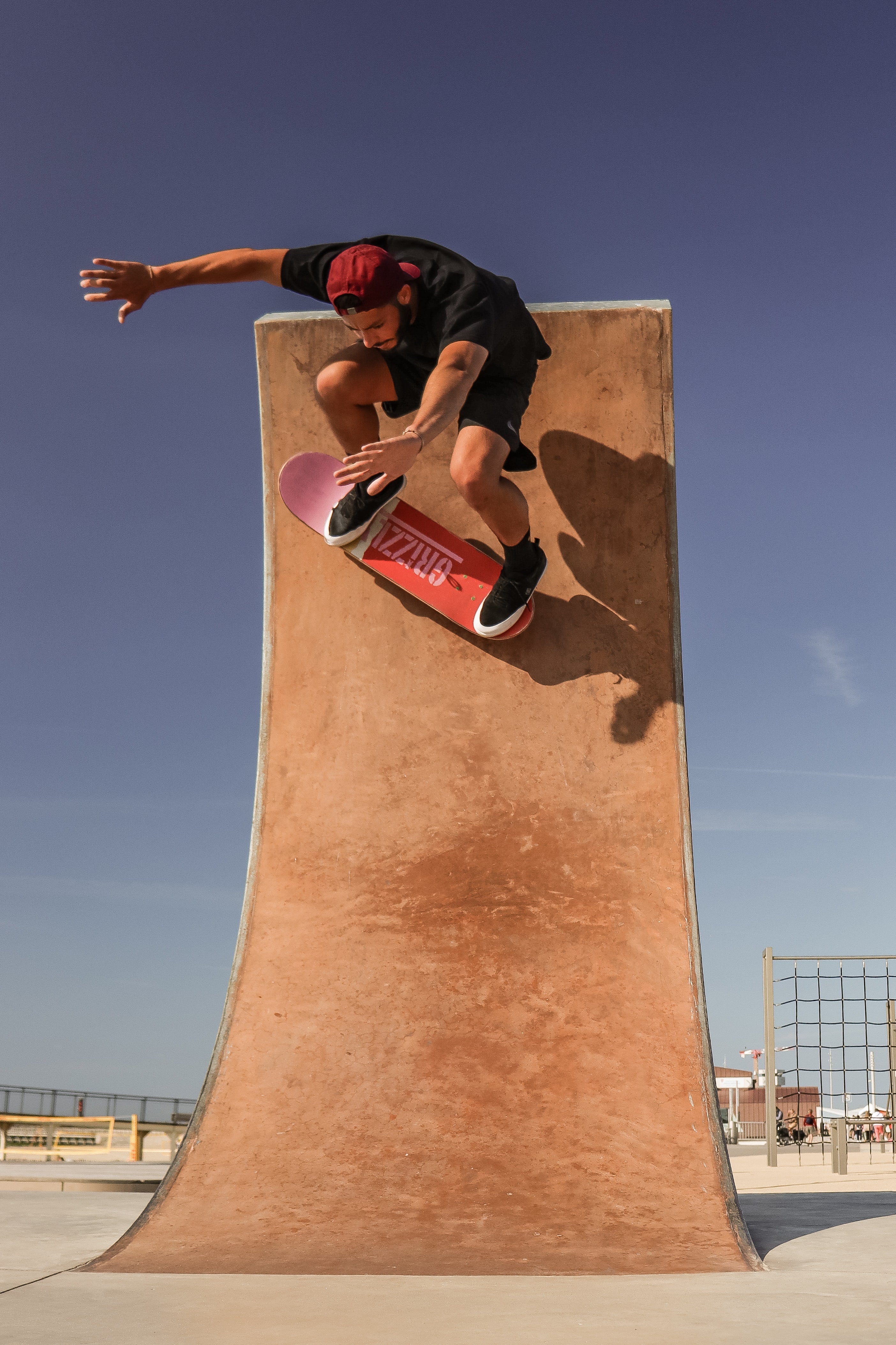
Wearing regular clothes for skateboarding is possible, but you may experience faster wear-and-tear and less protection.
Credit: stokedrideshop.com
Common Mistakes Beginners Make
Many beginners make mistakes when choosing skateboarding clothes. Avoid these to stay safe and comfortable:
- Wearing tight clothes: Restricts movement and increases injury risk.
- Skipping protective gear: Leads to avoidable injuries.
- Choosing fashion over function: Looks matter, but safety is more important.
- Using old, worn-out shoes: Reduces grip and control.
- Ignoring weather: Wearing the wrong clothes for the season is uncomfortable.
You’ll skate better and safer when you avoid these mistakes.
How To Choose The Right Skateboarding Outfit
Picking the best outfit depends on your skill level, style, and environment. Here are practical tips:
- Fit matters: Clothes should be loose enough for movement but not baggy.
- Prioritize safety: Always wear a helmet and pads, especially when learning tricks.
- Check durability: Reinforced stitching and thick materials last longer.
- Adapt to weather: Layer up or down depending on temperature.
- Express yourself: Skateboarding culture celebrates individuality—choose colors and styles you like.
Experienced skaters often choose clothes that reflect their personality. Don’t be afraid to mix brands or styles, as long as you stay comfortable and protected.
Skateboarding Style Trends
Skateboarding has influenced fashion for decades. Here are some style trends:
- Baggy pants: Popular in the 90s, making a comeback.
- Graphic tees: Show off art, brands, or skate culture.
- Layered outfits: Combine shirts, hoodies, and jackets.
- Bright colors: Stand out and express personality.
Skating style is about self-expression. While trends change, the basics of safety and comfort stay the same.
Practical Insights Most Beginners Miss
- Double up socks for impact: Wearing two pairs of socks can help cushion your feet during hard landings, especially when learning ollies and flips.
- Reinforced laces matter: Many skate shoes have extra-thick or waxed laces, which last longer and resist shredding from grip tape. This small detail helps shoes survive months of skating.
Another tip: Look for pants with stretch panels or gussets at the knees. These allow you to bend and crouch without tearing the fabric.
Skateboarding Clothing For Women
Women’s skateboarding clothing is becoming more available. Brands now offer pants, shirts, and shoes designed for women’s bodies. Look for:
- Fitted pants: Not too tight, flexible at the hips and knees.
- Women’s skate shoes: Narrower fit and smaller sizes.
- Sports bras: For support during jumps and tricks.
Women can wear men’s skate clothes, but choosing the right fit improves comfort and confidence.
Where To Buy Skateboarding Clothing
You can find skateboarding clothes at:
- Local skate shops: Offer expert advice and support the community.
- Online stores: Wide selection and reviews. Look for trusted retailers like Zumiez, Tactics, and official brand sites.
- Secondhand shops: Good for beginners on a budget.
Always check product reviews and sizing charts before buying online. For more info about skateboarding gear, visit Wikipedia.
Frequently Asked Questions
What Should Beginners Wear For Skateboarding?
Beginners should wear skate shoes, comfortable pants, a T-shirt, and protective gear like a helmet, knee pads, and wrist guards. Safety is most important when starting.
Is It Safe To Skateboard In Shorts?
You can skateboard in shorts, but your legs will be exposed to scrapes and bruises. For safety, wear longer pants or use knee pads if you prefer shorts.
Can I Use Regular Sneakers For Skateboarding?
Regular sneakers don’t offer enough grip or protection. Invest in skate shoes for better performance and safety.
Do I Need A Helmet For Skateboarding?
Yes, wearing a helmet is strongly recommended for all skaters, especially beginners and those learning tricks. It protects your head from serious injuries.
What Materials Are Best For Skateboarding Clothes?
Cotton, denim, and synthetic blends are good choices. Cotton is comfortable, denim is durable, and synthetics offer flexibility and moisture-wicking.
Skateboarding is fun and challenging, but wearing the right clothes and gear makes it safer and more enjoyable. Choose outfits that let you move freely, protect you from falls, and express your style. As you gain experience, you’ll learn what works best for your body, climate, and skateboarding habits.
Stay safe, stay comfortable, and let your clothing become part of your unique skateboarding story.
1 thought on “What to Wear for Skateboarding: Essential Gear and Style Tips”