Skateboarding becomes much more exciting when you move beyond the basics. If you already feel comfortable riding, turning, and stopping, it’s time to challenge yourself with intermediate skateboard tricks. These moves will push your skills, help you gain confidence, and impress your friends at the skatepark. But remember: every new trick takes patience, practice, and a willingness to fall and get up again.
Intermediate tricks sit between the simple ollie and the advanced flip tricks you see in competitions. They mix basic moves with new elements—like spinning, sliding, or flipping the board. Mastering these tricks not only makes you a better skater but also prepares you for even bigger challenges later.
Let’s break down what you need to know, which tricks to learn, and how to avoid common mistakes.
What Makes A Trick Intermediate?
Intermediate tricks are more complex than beginner moves but not as advanced as professional-level stunts. They usually require:
- Good balance: You must control your board well on flat ground.
- Ollie skills: Almost every intermediate trick starts with an ollie.
- Comfort with speed: Some tricks need you to roll faster than you did as a beginner.
- Willingness to commit: You can’t hesitate mid-trick.
These tricks often combine a jump, turn, or slide. For example, a kickflip adds a board flip to an ollie. A boardslide mixes a jump with sliding across a rail or ledge. Learning these moves teaches you better timing and coordination.
Essential Gear For Progression
Before you start, make sure you have the right gear. Intermediate tricks are harder on your equipment, and safety becomes more important.
- Skateboard: A deck with good grip tape helps your feet stay in place. Decks between 7.75”–8.25” wide are common for street tricks.
- Trucks and wheels: Medium or hard wheels (99A–101A) roll fast and slide better.
- Helmet and pads: Falls are more common at this stage, so wrist guards, elbow, and knee pads are smart choices.
- Shoes: Skate-specific shoes with flat soles give better board feel and last longer.
Protecting yourself is not only smart—it helps you keep practicing after falls.

Credit: www.youtube.com
Top Intermediate Skateboard Tricks To Learn
Once you have the basics down, these are the most popular and useful intermediate tricks.
1. Kickflip
The kickflip is often the first flip trick skaters learn. It starts with an ollie, but you flick the board with your front foot so it spins in the air.
- Tip: Practice the flick motion separately before trying to land.
- Common mistake: Not jumping high enough or flicking too early.
2. Heelflip
The heelflip is similar to the kickflip, but you use your heel to flip the board away from you.
- Tip: Keep your toes slightly hanging off the edge for a better flick.
- Common mistake: Not committing to the jump, causing the board to shoot away.
3. Pop Shuvit
A pop shuvit spins the board 180 degrees under you while you stay facing the same way.
- Tip: Use your back foot to scoop the board, not just push.
- Common mistake: Not staying above the board, making it hard to land.
4. Frontside 180
With the frontside 180, both you and the board spin 180 degrees in the air.
- Tip: Wind up your shoulders before you pop.
- Common mistake: Turning your upper body but not your legs, so the board stays straight.
5. Backside 180
The backside 180 is similar but you turn the other direction.
- Tip: Look over your back shoulder to complete the spin.
- Common mistake: Losing balance during the rotation.
6. Boardslide
A boardslide is your first slide trick. Jump onto a rail or ledge so the board slides sideways.
- Tip: Approach at a slight angle and aim to land with the middle of your board.
- Common mistake: Leaning too far forward or backward, causing a fall.
7. 50-50 Grind
For the 50-50 grind, both trucks land on the rail or ledge.
- Tip: Ollie high and keep your weight centered.
- Common mistake: Missing the rail or not committing, which can lead to shinners.
8. Manual
A manual is a wheelie on your skateboard. Roll on just your back wheels without letting the tail touch the ground.
- Tip: Use your arms for balance and keep your weight over the back foot.
- Common mistake: Leaning too far and scraping the tail.
9. Nose Manual
The nose manual is the opposite—roll on your front wheels.
- Tip: Keep your eyes forward and use small movements to balance.
- Common mistake: Putting too much weight forward, causing the nose to hit.
10. Varial Kickflip
This trick combines a kickflip and a pop shuvit. The board spins and flips at the same time.
- Tip: Master both kickflips and shuvits first.
- Common mistake: Not getting both motions right, so the board spins awkwardly.
Learning Progression: Which Trick Should You Learn Next?
Everyone learns at a different pace, but some tricks build on others. Here’s a helpful sequence:
| Trick | Prerequisite | Skill Built |
|---|---|---|
| Kickflip | Ollie | Board flipping |
| Heelflip | Ollie | Alternate foot flick |
| Pop Shuvit | Ollie | Board rotation |
| Frontside 180 | Ollie | Body spin |
| Boardslide | Ollie | Rail approach |
Start with tricks that feel closest to your current skills. For example, if you can ollie onto a ledge, try boardslides or 50-50 grinds. If you like flat ground, focus on flip tricks.

Credit: www.youtube.com
Common Challenges And How To Overcome Them
Learning intermediate tricks means facing more frustration. Here are some problems most skaters face, with solutions to keep you moving forward.
Losing Confidence After A Fall
Falling is part of skateboarding. Even pros fall every day. The key is to analyze your mistake instead of just trying again blindly. Was your foot in the wrong spot? Were you not fully committing? Take a moment to replay the trick in your head.
Plateauing On One Trick
It’s normal to get stuck on a trick for weeks. Instead of drilling it for hours, mix up your practice. Work on a different trick or just ride around for fun. Sometimes, your brain and body need a break before they can nail it.
Board And Shoe Wear
Intermediate tricks are tough on gear. Kickflips and slides especially can tear up shoes and boards fast.
| Trick | Impact on Shoes | Impact on Deck |
|---|---|---|
| Kickflip | High (toe area) | Medium (side edge) |
| Boardslide | Low | High (middle deck) |
| Manual | Low | Low |
| 50-50 Grind | Low | Medium (truck area) |
Rotating your shoes, using shoe goo, and checking your board for cracks can help extend their life.
Not Practicing Switch And Fakie
Many skaters ignore riding switch (opposite stance) or fakie (backward). But these skills make future tricks easier and help you recover from mistakes. Try simple tricks in both stances to build all-around skill.
Safety Tips For Intermediate Skaters
As you try more difficult moves, injuries become more likely. Here’s how to skate smarter:
- Warm up: Do light riding and stretches before practicing new tricks.
- Protect yourself: Wear a helmet and pads, especially when learning rails or ledges.
- Know your limits: If you’re too tired or frustrated, take a break.
- Check your surroundings: Make sure the skate spot is clear of debris and people.
- Skate with friends: They can help you if you get hurt and give feedback.
Data from the National Safety Council shows that over 70,000 skateboarders visit the ER each year in the US. Most injuries are preventable with the right gear and smart habits.
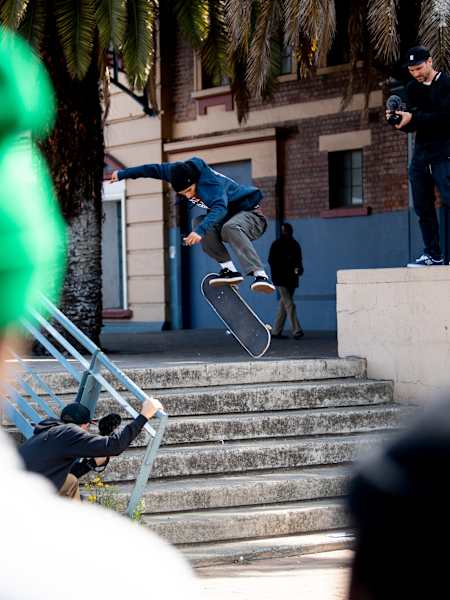
Credit: www.redbull.com
Two Hidden Tips Most Skaters Miss
- Film Yourself Often: Watching your attempts on video shows mistakes you don’t feel while skating. Small details—like foot placement or body lean—are easier to spot on replay. Even your phone camera is enough.
- Visualize Success Before Trying: Spend 10–20 seconds imagining the trick, from start to landing. Studies suggest visualization helps athletes learn new moves faster. Your brain starts to build the correct pattern before your body does.
When To Move To Advanced Tricks
You’re ready for advanced tricks when you can land intermediate moves consistently—at least 7 out of 10 tries—on flat ground and, if possible, off small ledges or ramps. This consistency means your body understands the motion and you’re less likely to develop bad habits.
Don’t rush. Skipping steps often leads to more falls and less progress later. Skateboarding rewards patience and attention to detail.
Frequently Asked Questions
How Long Does It Take To Learn Intermediate Skateboard Tricks?
It depends on the trick and how often you practice. Most skaters need 2–8 weeks of regular practice to land their first kickflip or boardslide. Some tricks come faster, while others can take months. Progress speeds up if you practice 3–5 times per week.
Should I Learn Tricks On Flat Ground Or Ramps First?
Flat ground is best for most flip tricks, like kickflips and shuvits. Ramps and ledges are better for slides and grinds. Start on flat ground, then move to small obstacles as you gain confidence.
What’s The Best Way To Get Over Fear Of New Tricks?
Fear is normal. Start by breaking the trick into smaller steps. For example, try landing with only one foot first, or practice the motion without rolling. Skating with friends and wearing safety gear also helps reduce fear.
How Do I Know If My Skateboard Is Right For Intermediate Tricks?
A board with a medium width (7.75”–8.25”), hard wheels (99A+), and good grip tape works for most tricks. If your board feels too heavy, too light, or slippery, try changing one part at a time. Visit a local shop for advice, or check reviews from trusted sites like SkateboardersHQ.
Why Do My Shoes Wear Out So Fast Now?
Intermediate tricks, especially flip tricks, create friction between your shoes and the grip tape. This causes holes or tears. Skate shoes with reinforced toe areas last longer. Using shoe goo or tape can extend shoe life, but some wear is normal at this level.
Taking your skateboarding from beginner to intermediate is a big step. You’ll face new challenges and make big gains in skill. Focus on steady progress, safety, and having fun. With patience and the right approach, you’ll soon see your hard work pay off at the skatepark.
1 thought on “Intermediate Skateboard Tricks: Level Up Your Skills Fast”