Longboard dancing is one of the most creative forms of skateboarding. Instead of only rolling or turning, riders use the longboard as a moving stage to perform smooth tricks and stylish steps. It’s like a mix between dance, surf, and skate culture, all on four wheels.
If you’re curious about how to start, or you want to improve your skills, learning the basics—and then the advanced tricks—will help you dance on your board with confidence.
Whether you’re new or already sliding across the pavement, this guide will walk you through the world of longboard dancing tricks. You’ll learn how these tricks work, how to get started, and what separates the best dancers from the rest. Plus, you’ll discover details that most beginners miss—like the importance of footwork and the mental side of learning new moves. By the end, you’ll understand what it takes to bring your longboard to life.
What Is Longboard Dancing?
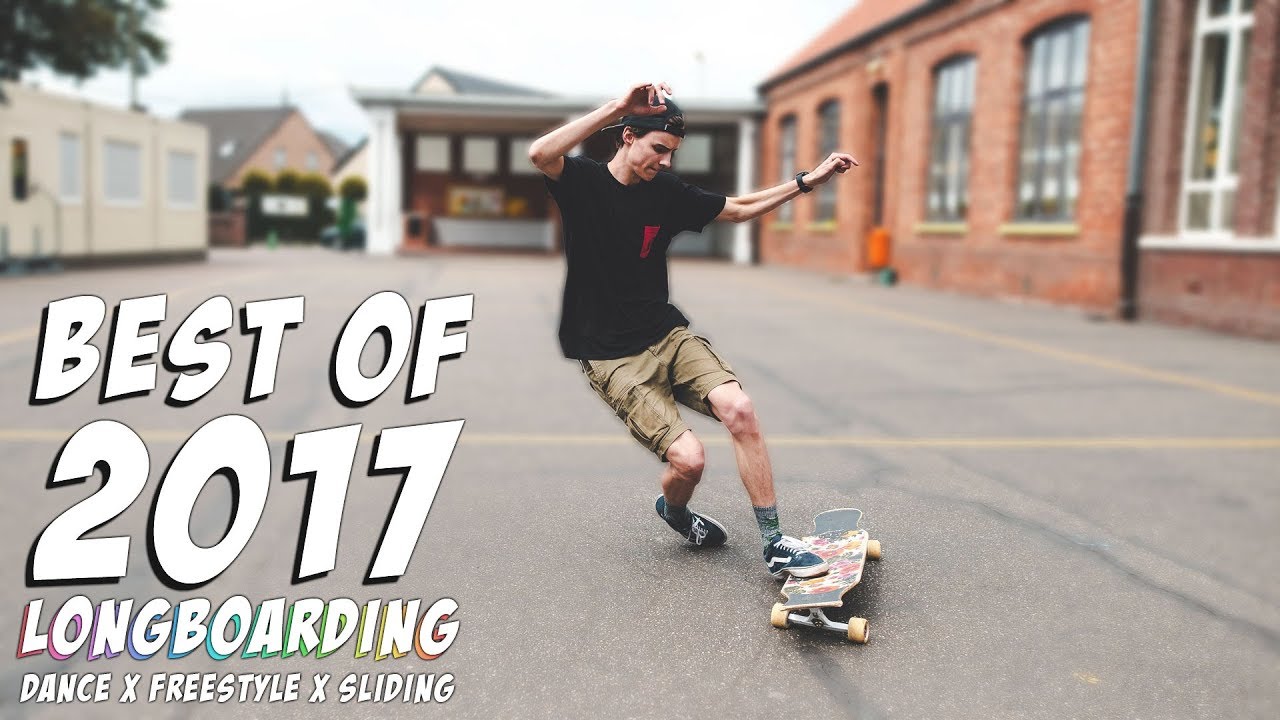
Longboard dancing is all about fluid movement and creative steps performed on a longboard deck. Riders use their feet and body to move up and down the board, often combining spins, cross-steps, and slides. The goal is not just to ride, but to express yourself—much like dancing on the ground, but with wheels rolling underneath you.
There are two main focuses in longboard dancing:
- Footwork tricks: Steps, walks, and patterns across the board.
- Freestyle tricks: More technical moves, like flips, spins, or slides.
Most dancers blend both, creating unique routines that show off personal style. The emphasis is on style, rhythm, and flow.
Essential Longboard Dancing Tricks For Beginners
If you want to start longboard dancing, it’s best to master a few basic tricks first. These create the foundation for more advanced moves later.
1. The Basic Cross-step
The cross-step is a must-learn. It’s when you walk across the board by stepping one foot over the other. This move helps keep the board rolling straight and adds a smooth look to your dance.
How to do it:
- Begin rolling slowly.
- Place your front foot near the middle of the board.
- Step your back foot over the front, crossing it.
- Continue stepping, switching feet as you move forward.
- Return to your starting position by reversing the steps.
Tips: Keep your weight centered, and look ahead—not at your feet. Try to make your steps light and even.
2. Peter Pan
The Peter Pan is a cross-step variation where each step lands on the opposite side of the board. It looks like you’re walking sideways across the deck.
How to do it:
- Start with the basic cross-step.
- As you step, place your foot on the edge of the board, not in the middle.
- Alternate sides, keeping your body facing forward.
This trick teaches balance and control over the edges of your board.
3. Pivot
A pivot is a simple spin on one foot. It helps you change direction and adds flair to any routine.
How to do it:
- Place your weight on your front foot.
- Use your back foot to guide the board in a 180-degree turn.
- Spin smoothly, using your arms for balance.
Start with half-turns (180°), then try full turns (360°) as you get better.
4. Ghost Ride
The ghost ride involves stepping off your board while it keeps rolling, then stepping back on without stopping it.
How to do it:
- While rolling, step your front foot onto the ground.
- Let your board keep moving.
- Step your back foot off and then quickly back on.
- Jump back onto the board, landing smoothly.
This trick is a great way to practice foot placement and timing.
Credit: www.youtube.com
Intermediate Longboard Dancing Tricks
Once you’re comfortable with the basics, you can move on to intermediate tricks. These require better balance and more practice, but they make your dancing style stand out.
1. Shuvit
A shuvit is when you spin the board 180° under your feet without flipping it.
How to do it:
- Stand with your feet near the tail and nose.
- Pop the tail with your back foot while sliding your front foot forward.
- Jump slightly, letting the board spin underneath.
- Land back on the board after the spin.
It’s important to practice on soft ground and wear safety gear, as the board can fly out if not controlled.
2. Tiger Claw
The tiger claw mixes handwork with footwork for a stylish effect.
How to do it:
- Step off with your front foot.
- Grab the board’s nose with your hand.
- Spin the board 360° with your hand.
- Jump and land back on the board as it completes the spin.
Tiger claws are impressive and open doors to more advanced freestyle tricks.
3. G-turn
The G-turn is a one-footed pivot in a smooth, circular motion.
How to do it:
- Start rolling and shift your weight to your front foot.
- Lift your back foot and carve a tight circle.
- Spin on your front foot, drawing a “G” shape.
This trick teaches board control and is useful for linking moves together.
4. No-comply
A no-comply mixes ground and air tricks. You pop the board with one foot while stepping off with the other.
How to do it:
- While rolling, step your front foot off the board.
- Use your back foot to pop the board up.
- Jump back on as the board comes up.
It looks advanced, but with practice, you’ll get the timing right.
Advanced Longboard Dancing Tricks
After you have the basics and some intermediate moves, you can try more complex tricks that need strong balance and creativity.
1. 360 Shuvit
This is a more difficult version of the regular shuvit. The board spins 360° under your feet.
- Requires perfect timing and fast foot movement.
- Often combined with other steps for stylish combos.
2. Double Peter Pan
This trick uses the Peter Pan but with two steps on each side before switching. It makes your routine look more dynamic.
- Demands precision and good balance on the board’s edges.
3. Chop The Wood
A stylish trick where you swing your back foot in a wide arc, “chopping” the board as you cross-step.
- Looks best when smooth and quick.
- Helps with flow and linking tricks.
4. Body Varial
You jump and spin your body 180° or 360° while the board keeps rolling straight.
- Requires strong core and confidence.
- Often used as a transition between steps.
5. Kickflip
A classic skate trick adapted for longboards. The board flips under your feet as you jump.
- Needs a lot of practice, especially on longer decks.
- Protective gear is a must for this one.
Credit: www.skatepro.com
Choosing The Right Longboard For Dancing
The right board makes dancing much easier. Here’s what to look for:
| Feature | Why It Matters | Recommended Range |
|---|---|---|
| Deck Length | More space for footwork | 42–48 inches |
| Deck Flex | Absorbs shocks, helps flow | Medium flex |
| Wheelbase | Stable and smooth turns | 27–32 inches |
| Wheels | Grippy and soft for smooth rides | 65–70 mm, 78A–83A hardness |
A wider, longer board gives you more space for dance moves. Medium flex helps absorb bumps and feels comfortable for long sessions. Wheels should be soft and large for a smooth roll.
Training Tips For Longboard Dancing
Learning to dance on a longboard is different from just riding. Here are some practical tips that can speed up your progress:
- Practice on flat, smooth ground. Rough pavement can stop your flow and make tricks harder.
- Film yourself. Watching videos of your own dancing helps spot mistakes you don’t notice in real time.
- Break tricks into small steps. Practice one part at a time, then combine them.
- Use music with a steady beat. Dancing is about rhythm; music helps your timing.
- Wear protective gear. Falls happen, especially with new tricks. Helmets and pads keep you safe and confident.
Many beginners forget to practice balance drills off the board. Simple exercises like standing on one leg or using a balance board improve your stability and reduce falls.

Credit: lushlongboards.com
Common Mistakes Beginners Make
Getting started with longboard dancing can be tricky. Here are two mistakes many beginners don’t realize:
- Looking down at your feet. This breaks your balance and makes tricks harder. Keep your eyes forward and trust your muscle memory.
- Stiff arms and shoulders. Many new dancers forget to use their upper body. Loosen up—your arms help with balance and style.
Small details—like where you look and how you use your arms—can make a big difference in your progress.
How To Build A Routine
Longboard dancing is about more than single tricks. The best dancers link moves into smooth routines. Here’s a simple way to start building your own:
- Pick three tricks you know well.
- Decide the order—start with the easiest, end with the hardest.
- Add transitions between each trick. For example, use a pivot to change direction or a cross-step to move along the board.
- Practice with music to keep your timing steady.
- Film and review. Watch for awkward pauses and fix them.
As you improve, add more tricks or make the routine longer. The goal is flow—no stopping between moves.
Safety And Community
Longboard dancing is safer than downhill or street skating, but injuries still happen. Always use a helmet and wrist guards. Start slow, and don’t push yourself to try advanced tricks before you’re ready.
Joining a community helps you learn faster and stay motivated. Look for local dance meetups or online groups. You’ll get new ideas, encouragement, and honest feedback.
For more on the culture and history of longboard dancing, check out the article on Wikipedia.
Comparing Longboard Dancing To Other Skate Styles
Longboard dancing isn’t the only way to enjoy a skateboard. Here’s a quick comparison:
| Style | Main Focus | Board Type | Typical Tricks |
|---|---|---|---|
| Longboard Dancing | Footwork, flow, creativity | Long, flexible deck | Cross-step, Peter Pan, pivots |
| Freestyle | Technical tricks | Shorter deck, sometimes stiff | Kickflips, shuvits, manuals |
| Downhill | Speed, stability | Stiff, long deck | Slides, tucks, speed checks |
| Street Skating | Obstacles, jumps | Short, stiff deck | Ollies, grinds, flips |
Dancing is unique because it values expression and style as much as technical skill.
The Mental Side Of Learning Tricks
Improving at longboard dancing is not just physical. Mindset is crucial. Many beginners get frustrated when they can’t learn a trick quickly. Here are two insights most people miss:
- Plateaus are normal. Progress isn’t always steady. Sometimes you’ll practice for days with no progress—then suddenly it clicks.
- Visualizing tricks helps. Before you try a new move, close your eyes and picture every step. This mental practice makes physical learning much faster.
Staying patient and positive will help you master even the hardest tricks over time.
Frequently Asked Questions
What Type Of Shoes Are Best For Longboard Dancing?
Flat-soled shoes with good grip work best. Skate shoes or even some tennis shoes are popular. Avoid shoes with thick soles or heavy treads, as these can catch on the board or reduce your feel for the deck.
Can I Use Any Longboard For Dancing?
Not all longboards are suitable. Look for a long, flexible deck (42 inches or longer) with a wide standing platform. Boards made for downhill or cruising are usually too stiff or narrow for smooth dance moves.
How Long Does It Take To Learn Basic Longboard Dancing Tricks?
Most people can learn the basics like the cross-step and pivot in a few weeks with regular practice. More advanced tricks may take months. Consistent short sessions are better than long, rare practices.
Is Longboard Dancing Safe For Beginners?
With the right safety gear and a flat, open space, longboard dancing is quite safe. Start slow, wear a helmet and wrist guards, and avoid busy roads or steep hills. Most injuries happen from falls when learning new tricks.
Where Can I Find Longboard Dancing Tutorials Or Communities?
Many tutorials are available for free on YouTube or in skate forums. Joining local skate groups or online communities (like Reddit’s longboarding sub) is a great way to connect, ask questions, and share progress.
Longboard dancing combines movement, creativity, and technical skill in a way few sports can match. By learning the right tricks, practicing safely, and connecting with others, you’ll soon be gliding and spinning with style. Whether you’re after smooth steps or impressive flips, the dance floor is always open—the only limit is your imagination.