Why Skaters Hate Longboarders: Shocking Truths Revealed
If you’ve ever spent time around skateparks or cruising city streets, you might have noticed a clear divide between skaters and longboarders. But have you ever wondered why skaters seem to dislike longboarders so much?
It’s more than just a simple preference—it’s about style, skill, and even respect within the skate community. You’ll discover the real reasons behind this tension, what it means for both groups, and how understanding these differences can change the way you see skating altogether.
Ready to dive into the world where boards, attitudes, and culture collide? Let’s break it down.

Credit: www.skateboardershq.com
Skateboarding Vs. Longboarding Culture
Skateboarding and longboarding share a similar foundation but differ deeply in culture. Each has its own style, values, and community vibe. These differences create tension between skaters and longboarders. Understanding their unique cultures helps explain why some skaters dislike longboarders.
The clash is not just about the boards but about how each group sees itself and the other. The gap in culture often leads to misunderstandings and rivalry.
Different Styles And Techniques
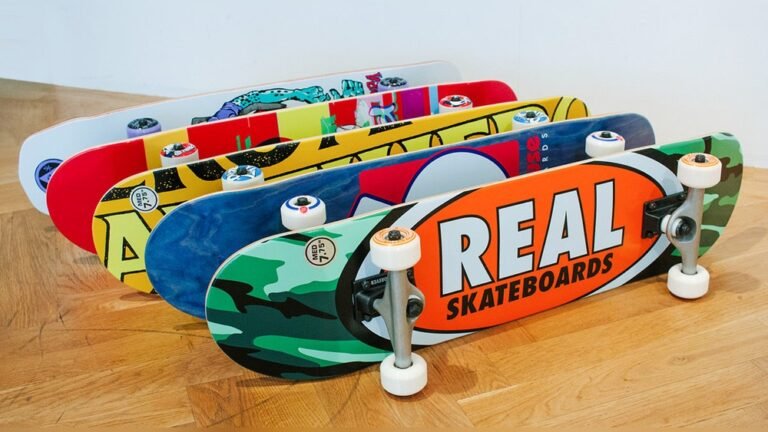
Skateboarding focuses on tricks, jumps, and technical skills. Skaters use short boards to perform flips and grinds on ramps and rails. The sport demands balance, agility, and practice to master complex maneuvers.
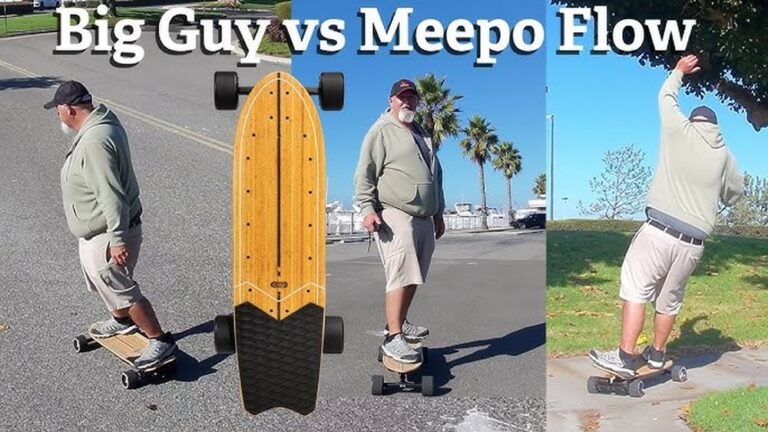
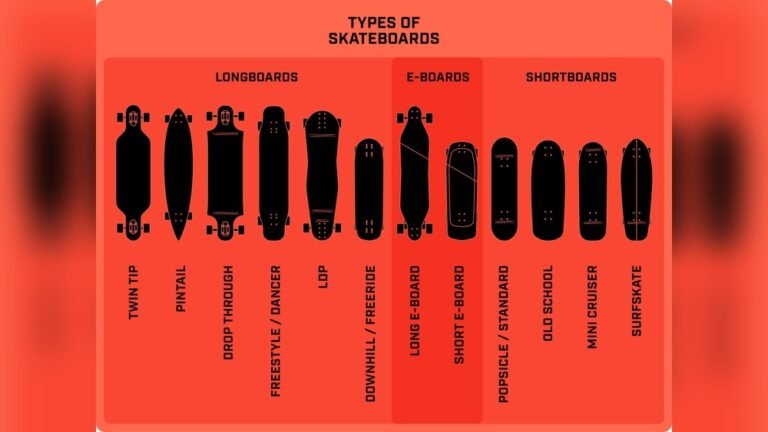
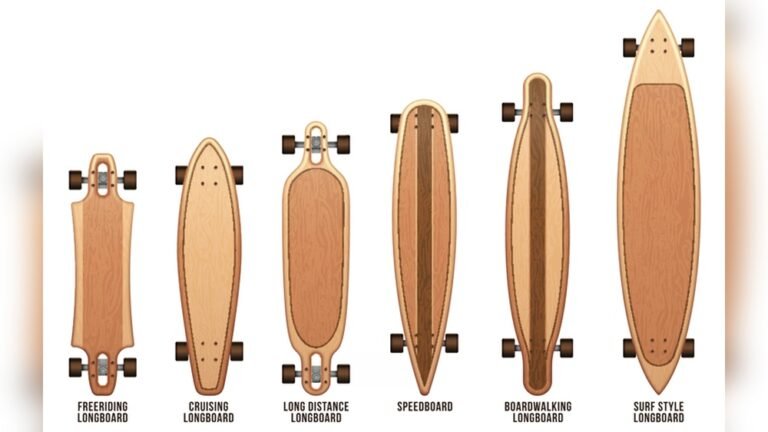
Longboarding emphasizes cruising, carving, and downhill speed. Longboarders use longer, wider boards for stability and smooth rides. Their style is more relaxed and less about tricks. They often ride on streets and hills instead of skateparks.
These distinct techniques create a divide. Skaters see their craft as challenging and artistic. Longboarding feels easier and less skilled to many skaters. This difference fuels some of the resentment.
Cultural Identity And Image
Skateboarders embrace a rebellious, edgy identity. Their culture grew from street art, punk music, and urban life. Skaters value creativity, risk-taking, and a raw, underground image.
Longboarders often appear more casual and mainstream. They attract a wider, sometimes older crowd who enjoy the ride but not the risk. Their culture feels more relaxed and less about rebellion.
Skaters sometimes see longboarders as poseurs or tourists in their world. They believe longboarding lacks the authenticity and toughness of skateboarding. This clash of identities adds to the friction between the two groups.

Credit: www.skateboardershq.com
Perceived Skill Levels
Stereotypes and misconceptions fuel much of the tension between skaters and longboarders. Both groups ride boards but often see each other very differently. These views shape their opinions and sometimes lead to dislike or misunderstanding.
Skaters often think of longboarders as less serious or skilled. Longboarders may feel judged unfairly for their style and purpose of riding. These ideas are not always true but they persist in the community.
Longboarders As Casual Riders
Many skaters see longboarders as casual riders who just cruise around for fun. They believe longboarding requires less skill than skateboarding tricks. The longer boards and bigger wheels make balancing easier, so skaters say it is not as challenging.
This view ignores the skills needed for downhill racing or long-distance riding. Longboarders often focus on speed, control, and smooth carving. Their style is different, but not easier. Still, the “casual” label sticks, causing frustration for longboard riders.
Skaters’ Perception Of Longboarders
Skaters sometimes think longboarders do not respect skate culture. They may believe longboarders are only in it for the look or to join a trend. This idea makes skaters feel their sport is being diluted or misunderstood.
Some skaters also think longboarders take up space in skateparks without following the same rules. This causes tension in shared areas. Overall, skaters see longboarders as outsiders who don’t share the same passion or attitude.
Skatepark Etiquette Conflicts
Community and respect play big roles in how skaters and longboarders see each other. Both groups share a love for riding, but their ways of skating and values often clash. Skaters feel a strong bond in their community, built on skill, style, and tradition. When longboarders enter skateparks or streets, skaters sometimes see them as outsiders. This feeling can hurt respect between the two groups and lead to tension.
Toxicity In Skate Culture
Skate culture can be rough and unfriendly. Some skaters believe longboarders take an easier path. They see longboarding as less skilled or less authentic. This view causes harsh words and judgment. Skaters often protect their space and style fiercely. The dislike can turn into teasing or exclusion. This toxicity makes it hard for new riders to feel welcome. It also blocks chances for respect and learning from each other.
Efforts To Bridge The Divide
Some skaters and longboarders want to end the tension. They organize events where both groups ride together. These meetups help build trust and understanding. Riders share tips and stories about their boards and tricks. Respect grows when people see the skill in each style. Skate shops and online forums also promote friendly talks. These efforts remind everyone that riding is about joy, not fights.

Credit: www.reddit.com
Commercialization And Authenticity
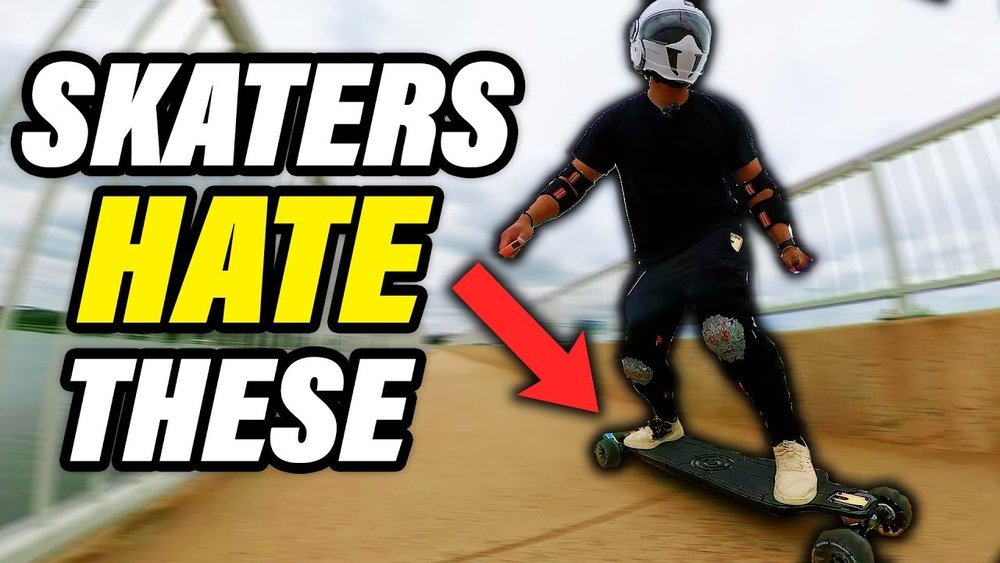
Electric boards have changed the skateboarding scene. These boards add speed and ease to riding. They blur the line between skating and motorized travel. This shift affects how traditional skaters view the culture.
Electric longboards bring new energy but also new problems. They can go faster than regular boards. Their motors mean riders don’t need to push off the ground. This changes the skill and effort involved in skating.
New Challenges To Skate Culture
Electric boards challenge the old rules of skating. Skate parks and streets see more electric riders now. Their speed can cause safety concerns for others. Traditional skaters feel the space is less their own. It creates tension at shared spots.
The ease of electric boards makes skating less about skill. Some skaters see this as a threat to skate culture. The “authentic” effort of skating seems lost. This leads to debates about what counts as real skating.
Skaters’ Reactions To Electric Longboards
Many skaters dislike electric longboards for changing the vibe. They feel electric boards bring a commercial feel to skating. The motorized boost can make longboarders seem less skilled. This fuels old rivalries between skaters and longboarders.
Electric longboarders often ride faster and in ways that feel unsafe. Skaters worry about accidents and respect at skate parks. These concerns add to the dislike. Some skaters openly express frustration or avoid areas with electric boards.
Frequently Asked Questions
Who’s Richer, Rob Dyrdek Or Tony Hawk?
Tony Hawk is richer than Rob Dyrdek. Tony Hawk’s net worth exceeds $140 million, while Rob Dyrdek’s is around $50 million.
How Did Jake Phelps Pass Away?
Jake Phelps passed away from a sudden heart attack in March 2019. He was 56 years old at the time.
What Was Tony Hawk’s Iq?
Tony Hawk’s IQ is not publicly disclosed. No official records confirm his intelligence quotient. Focus remains on his skateboarding achievements.
Is Longboarding Safer Than Skateboarding?
Longboarding is generally safer due to its stable design and larger wheels. Skateboarding involves more tricks, increasing injury risk. Both require protective gear for safety.
Why Do Skaters Dislike Longboarders At Skateparks?
Skaters feel longboarders take up too much space and slow down the flow. Longboards are bigger, making park tricks harder for skaters. This often causes frustration and clashes.
Conclusion
Skaters and longboarders share a love for riding, but clash often. Differences in style and culture create tension. Skaters see longboarding as easier and less skilled. Longboarders enjoy speed and cruising, not tricks. Respect and understanding can bridge the gap.
Both groups can learn from each other’s passion. Let’s focus on what unites, not divides, the community. Riding together can bring respect and fun for all.