Types of Longboards: Ultimate Guide to Choose Your Perfect Ride
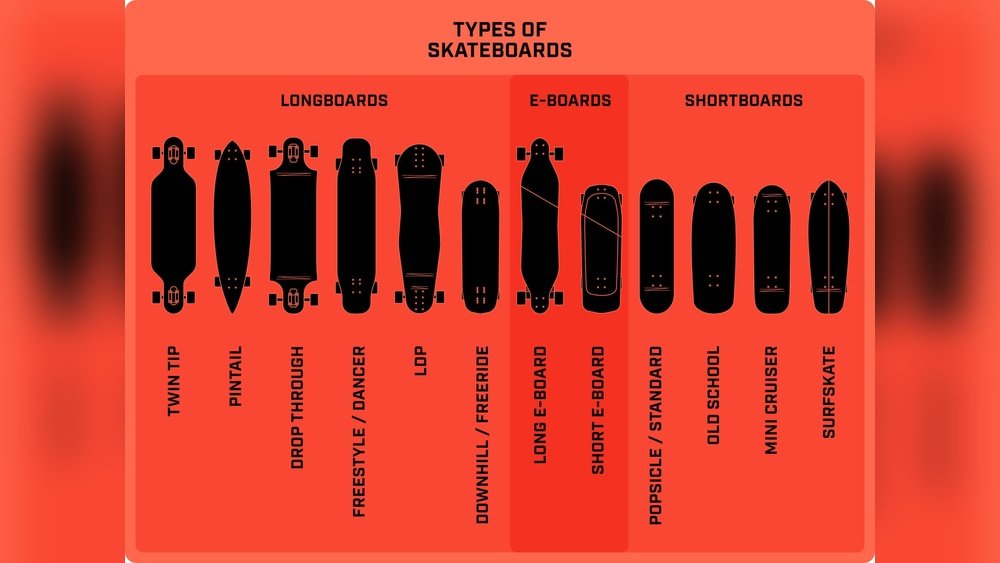
When it comes to picking your perfect longboard, knowing the types available can make all the difference. Whether you want to cruise down city streets, carve through winding paths, or race downhill at thrilling speeds, there’s a longboard designed just for you.
Understanding the different shapes, sizes, and styles helps you find the one that matches your riding style and skill level. Ready to discover which longboard fits your vibe and goals? Keep reading to explore the key types of longboards and how they can transform your ride.

Credit: www.pinewskis.com
Pintail Longboards
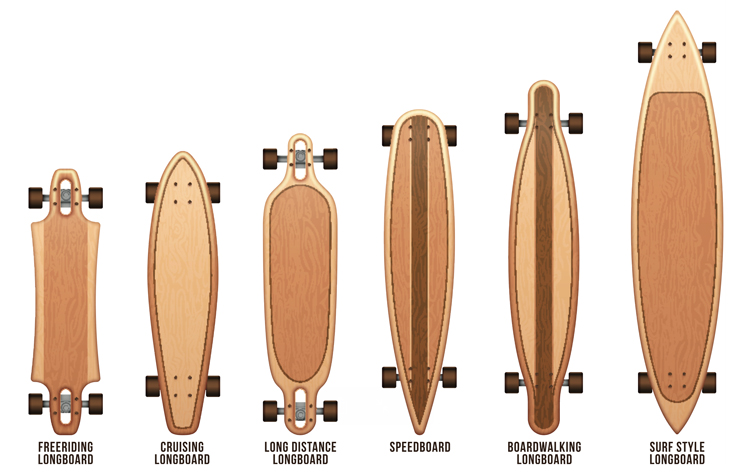
Pintail longboards are classic and popular choices for riders of all levels. Their shape resembles a surfboard, with a wider middle and a tapered tail and nose. This design offers smooth and stable rides, perfect for casual cruising and carving. Pintail longboards provide a natural feel, making them great for street and boardwalk rides.
Design And Features
Pintail longboards have a sleek, pointed shape. The deck usually measures between 38 and 42 inches in length. Their wide center allows for good foot placement. The tapered ends prevent wheel bite, letting riders make wide turns. These boards often feature a medium flex for a comfortable ride. The trucks are mounted under the deck, providing stability. The wheels are larger and softer, ideal for rough surfaces.
Best Uses
Pintail longboards excel at cruising on flat surfaces. They are great for commuting short distances. Their design supports smooth carving, like surfing on pavement. These boards handle gentle downhill rides well. They are not meant for high-speed racing or tricks. Pintails offer a relaxed, enjoyable ride for exploring neighborhoods and parks.
Ideal Riders
Pintail longboards suit beginners and casual riders. They are perfect for those who want a stable, easy-to-control board. Riders who enjoy a smooth, flowing ride will appreciate pintails. They fit people looking for a stylish, classic longboard look. Pintails are great for commuters who prefer comfort over speed. These boards work well for all ages and skill levels.
Drop-through Longboards
Drop-through longboards have trucks mounted through the deck. This design lowers the board’s center of gravity. Riders feel more stable and balanced. The style suits many skill levels. It offers easy pushing and smooth rides. Drop-throughs are great for cruising and downhill rides.
Deck Construction
The deck has cutouts where trucks fit through. This lowers the standing height. Decks use layers of maple, bamboo, or fiberglass. The materials provide strength and flexibility. The shape is usually wide and flat. This helps with foot placement and control.
Stability And Control
Lower deck height improves stability at high speeds. Riders feel less wobble on rough pavement. The board responds well to carving and turns. Control is easier, even on steep hills. This makes drop-through longboards good for beginners.
Popular Riding Styles
Drop-through longboards work well for cruising around town. They handle downhill riding with smooth control. Many use them for freeriding and sliding tricks. The design supports long-distance pushing with less effort. Riders enjoy their balance and comfort for daily use.
Cruiser Longboards
Freeride longboards offer a thrilling blend of speed and control for riders. They focus on sliding and carving down hills with smooth, stylish moves. These boards suit skaters who want to explore tricks and slides while maintaining stability. Designed for riders who enjoy a dynamic experience, freeride boards balance performance and fun.
Sliding And Tricks
Freeride longboards excel at sliding. Riders can perform controlled drifts on sharp turns. These slides help slow down or add flair to downhill rides. Tricks include powerslides, coleman slides, and stand-up slides. The smooth sliding surface improves grip and control. This makes freeride boards perfect for those who want to try new moves.
Deck Flexibility
The deck of a freeride longboard is usually medium-flex. This flexibility absorbs shocks from rough pavement. It also provides good pop for tricks and slides. Too stiff a deck makes sliding harder to control. A flexible deck helps riders shift weight easily for sharp turns. It adds comfort on long rides and during tricks.
Essential Gear
Wearing safety gear is important for freeride longboarding. Helmets protect the head during falls. Slide gloves help protect hands and allow better control during slides. Knee and elbow pads guard against scrapes and bruises. Proper shoes with grip improve board control. This gear keeps riders safe and confident on every run.
Freeride Longboards
Downhill longboards are built for speed and stability. They let riders race down hills with control and confidence. These boards have unique features that make them perfect for high-speed riding.
High-speed Design
Downhill longboards have a low center of gravity. This design helps riders stay balanced at fast speeds. The decks are stiff and long for better stability. They often use wider wheels for improved grip on pavement. Trucks are tight and responsive to handle sharp turns. These elements combine for smooth, fast rides down steep hills.
Safety Considerations
Riders need protective gear like helmets and pads. Gloves are important for hand protection during falls. Knowing how to brake safely is crucial to avoid accidents. Many downhill longboards include special foot stops to help with control. Practicing in safe areas reduces risk. Safety must be a top priority with downhill longboarding.
Suitable Terrain
Downhill longboards perform best on smooth, steep roads. Asphalt hills with little debris make ideal riding spots. Long, straight roads allow riders to build speed safely. Some riders use closed courses designed for downhill racing. Avoid rough or uneven surfaces to maintain control. Picking the right terrain helps ensure a fun ride.
Downhill Longboards
Top-mount longboards are one of the most common types of longboards. The deck sits directly on top of the trucks. This design offers a classic feel and is popular among riders of all levels. It provides good control and stability, making it a favorite for cruising and carving.
Deck Positioning
The deck sits above the trucks, raising the rider higher. This position gives a traditional skateboard feel. It allows for more leverage during turns. The height makes it easier to control speed and direction. Deck flexibility can vary, influencing the ride smoothness.
Performance Impact
Top-mount longboards respond quickly to rider input. They offer better grip on turns due to the leverage. The higher center of gravity can make the board feel more lively. This setup is ideal for carving and downhill riding. Riders can easily shift their weight to control the board.
Riding Experience
Riders enjoy a balanced feel with top-mount longboards. The setup allows for smooth, flowing turns. It is comfortable for beginners and experienced riders alike. The board’s responsiveness makes it fun for cruising city streets. This type suits riders who want control and agility.

Credit: twelveboardstore.com.au
Top-mount Longboards
Double drop longboards offer a unique design that lowers the deck between the trucks. This shape gives riders a different feel compared to traditional longboards. It helps with control and makes pushing easier for longer rides.
The deck sits closer to the ground, which changes how the board handles. Double drop longboards suit many types of riding, especially for cruising and commuting. They balance speed and stability well.
Lowered Center Of Gravity
The main feature of double drop longboards is the lowered center of gravity. The deck drops down where the trucks mount. This makes the rider sit closer to the ground.
A lower center of gravity means better balance. It reduces the chance of tipping over. Riders feel more connected to the board and the road.
Enhanced Stability
Double drop longboards offer excellent stability, especially at higher speeds. The low deck position reduces wobbling. This makes them great for downhill and fast cruising.
The wider stance and lower height help riders stay steady. It allows for smooth turns and better control on rough surfaces.
Who Should Choose This Type
Double drop longboards suit beginners and experienced riders alike. They work well for those who want a steady ride without much effort. Riders who enjoy long-distance cruising find them comfortable.
This type is also good for downhill riders seeking stability. It is ideal for people who want easy pushing and a smooth ride on flat or hilly roads.
Double Drop Longboards
Choosing a longboard based on your riding style helps you enjoy every ride more. Different styles need different board shapes and features. Knowing your style guides you to the right longboard. This makes skating safer and more fun.
Commuting And Cruising
Boards for commuting and cruising focus on smooth rides and comfort. They are usually longer and wider for stability. Soft wheels absorb bumps on city streets. These boards make it easy to travel short distances. They are perfect for beginners and casual riders.
Freeride And Tricks
Freeride boards suit riders who like slides and tricks. They are lighter and smaller than cruisers. Their shape allows quick turns and spins. Wheels are harder to slide easily on pavement. These boards work well on hills and flat ground. They help improve balance and control.
Downhill And Racing
Downhill and racing boards are built for speed and control. They are stiff and aerodynamic to reduce wind resistance. Decks are lower to keep you stable at high speeds. Wheels have strong grip for sharp turns on steep roads. These boards need experience and good protective gear.
Hybrid Longboards
Selecting the right size and shape of a longboard is key to enjoying your ride. The size affects stability and control. The shape influences your riding style and comfort. Understanding these factors helps you pick a board that fits your needs.
Deck Length And Width
Deck length varies from 33 to 60 inches. Longer decks offer more stability at high speeds. Shorter decks are easier to maneuver and carry. Width affects your foot placement and balance. Wider decks give more room but can feel heavier. Narrow decks allow quicker turns and lighter rides.
Wheelbase Considerations
The wheelbase is the distance between the trucks. A longer wheelbase provides a smoother, stable ride. It is great for downhill and cruising. A shorter wheelbase makes the board more responsive. It suits tricks and sharp turns. Choose a wheelbase that matches your riding style.
Shape Impact On Performance
Different shapes serve different purposes. Drop-through boards lower your center of gravity for easy pushing. Pintail shapes prevent wheel bite on turns and are good for cruising. Directional shapes work well for downhill speed. Symmetrical shapes are best for freestyle and tricks. Select a shape that fits your preferred riding type.
Choosing By Riding Style
Materials and build quality play a major role in the performance of longboards. The choice of materials affects weight, strength, and flexibility. A well-built longboard offers better control and lasts longer. Understanding different materials helps in choosing the right board for your style and needs.
Wood Types
Most longboards use hardwood like maple or bamboo. Maple is strong and stiff, ideal for downhill riding. Bamboo is lighter and more flexible, perfect for cruising and carving. Some boards combine layers of wood for added strength and flexibility. Quality wood ensures a smooth ride and durability.
Composite Materials
Composite materials include fiberglass, carbon fiber, and resin. These materials add strength without much weight. Fiberglass layers increase stiffness and protect the wood. Carbon fiber is very light and strong, used in high-end boards. Resin binds the layers, making the board more durable and water-resistant.
Durability Factors
Durability depends on material quality and construction. Boards with multiple wood layers and composite layers last longer. Proper sealing prevents water damage and warping. The type of glue used also affects strength. Regular maintenance helps keep the board in good shape. A durable longboard saves money and provides a safer ride.
Credit: www.surfertoday.com
Selecting The Right Size And Shape
Choosing the right wheels and trucks is key for a great longboard ride. These parts affect speed, control, and comfort. Understanding wheel hardness and size helps pick the best setup. Trucks also come in different types and can be adjusted. Each choice impacts how the board feels on different surfaces.
Wheel Hardness And Size
Wheel hardness is measured on a durometer scale. Softer wheels grip the road better and absorb bumps. Harder wheels slide easily and roll faster on smooth pavement. Wheel size varies from 60mm to 75mm or more. Larger wheels handle rough terrain and keep speed well. Smaller wheels turn quickly but feel less stable at high speeds.
Truck Types And Adjustments
Longboard trucks come in two main types: traditional kingpin and reverse kingpin. Reverse kingpin trucks offer better stability and easier turning. Traditional kingpin trucks are common on skateboards and some longboards. Trucks can be tightened or loosened to change turning response. Bushings inside trucks also affect how they feel and move.
Impact On Ride Quality
Soft, large wheels create a smooth and comfortable ride. Hard, small wheels give a faster but rougher experience. Trucks that are loose allow sharp turns but less control at speed. Tight trucks improve stability but reduce maneuverability. The right wheel and truck setup depends on riding style and terrain. Adjusting these parts tunes the board to your needs.
Frequently Asked Questions
What Are The Different Types Of Longboards?
Longboards include cruiser, drop-through, pintail, downhill, freeride, and electric types. Each suits different riding styles and terrains.
Which Type Of Longboard Is Best For Beginners?
A drop-through or cruiser longboard suits beginners best. They offer stability, easy turning, and comfortable rides for learning.
What Is The Difference Between A Pintail And A Drop Down Longboard?
A pintail longboard has a narrow, pointed shape for smooth cruising and carving. A drop down longboard features a lowered deck for better stability and easier pushing.
What Is The Best Type Of Longboard For Cruising?
The best longboard for cruising features a drop-through or pintail shape. It offers stability, smooth rides, and easy turning. Look for soft wheels and a longer deck for comfort and control on varied surfaces.
What Are The Main Types Of Longboards?
The main types include cruiser, downhill, freeride, dancing, and carving longboards. Each type suits different riding styles and terrains. Knowing these helps you pick the right board.
Conclusion
Longboards come in many shapes and sizes, each serving a unique purpose. Some are great for cruising, while others suit downhill racing or tricks. Choosing the right longboard depends on your style and needs. Start with a simple design if you are new to longboarding.
Experiment and enjoy the ride as you learn what fits you best. Remember, the best longboard is the one that makes you feel confident and comfortable. Keep exploring and have fun on every ride!