What are the Front And Back of a Skateboard
A skateboard is a surprisingly intricate piece of equipment, far more than just a plank with wheels. Understanding its anatomy is crucial for any rider, from the absolute beginner taking their first push to the seasoned pro fine-tuning their setup. The board itself, often referred to as the deck, is the primary surface for standing and performing tricks. But a skateboard is a system, and its performance is a direct result of how each component interacts. Two fundamental aspects define a skateboard’s physical presence: its front and its back. While seemingly simple, the design and function of these two ends are critical to stability, maneuverability, and the overall skateboarding experience.
This guide will meticulously dissect the front and back of a skateboard, exploring the distinct features, purposes, and nuances that differentiate them. We’ll examine how these elements influence riding style, trick execution, and board longevity. By the end, you’ll possess a comprehensive understanding of what makes a skateboard’s front distinct from its back, and why this distinction matters for every rider.
Key Takeaways
- The front of a skateboard is typically characterized by the nose and the front truck, which is usually mounted slightly further forward.
- The back of a skateboard features the tail and the back truck, often angled slightly differently to the front truck for optimal performance.
- The nose is generally longer and more pointed than the tail, designed for tricks like ollies and nose manuals.
- The tail is often shorter and steeper, crucial for popping the board into the air and performing tail-based tricks.
- Truck geometry and bushing stiffness play a significant role in distinguishing front and back functionality, impacting turning and stability.
- Understanding the front and back helps riders choose appropriate boards, maintain them correctly, and progress in their skateboarding journey.
The Skateboard Deck: A Tale Of Two Ends
The skateboard deck is the heart of the board, the wooden platform upon which a rider stands. While many decks appear symmetrical at first glance, subtle yet significant differences exist between the front and back ends, primarily in their shape and curvature. These variations are not arbitrary; they are engineered to facilitate specific skateboarding techniques and provide a more dynamic riding experience.
The Nose: Your Forward Pointer
The nose is the front-most part of the skateboard deck. In most standard skateboard shapes, the nose is designed to be slightly longer and wider than the tail. It often features a more gradual curve upwards from the flat of the deck. This extended length and subtle upward angle are instrumental for several key skateboarding maneuvers.
One of the primary functions of the nose is in executing ollies, the foundational trick where the rider and board leap into the air. As the rider pops the tail, they simultaneously slide their front foot up the deck towards the nose. The nose’s upward curve helps guide the front foot to level out the board in mid-air. Furthermore, the nose is essential for nose manuals, a trick where the rider balances on the back wheels while lifting the front wheels off the ground, balancing on the nose. The extended length provides a larger surface area for balance and control during this maneuver.
The shape of the nose can vary significantly between different types of skateboards. Street decks often have a more pronounced, rounded nose, optimized for flip tricks and slides. Pool decks or wider decks might have a more subtle nose shape, prioritizing stability.
Understanding the nuances of nose design can help riders choose a deck that best suits their preferred style of skating. For instance, a rider focused on technical flip tricks will likely benefit from a deck with a more defined nose.
The Tail: The Pop And Pivot Point
The tail is the rear-most part of the skateboard deck. It is typically shorter and has a steeper upward curve compared to the nose. This steeper angle is critical for the “pop” in an ollie. When a skater stomps down on the tail, it forcefully strikes the ground, causing the board to pivot and lift into the air. The tail’s compact size and steep angle allow for a quick, powerful pop, essential for getting airborne and executing a wide range of tricks.
Beyond ollies, the tail is central to many other tricks. It’s used for tail grabs, where the rider grabs the tail of the board in mid-air. It’s also fundamental for tricks that involve pivoting on the back truck, like powerslides or certain types of grinds. The tail’s shape directly influences how easily a rider can initiate these maneuvers. A steeper tail will provide a more immediate pop, while a flatter tail might offer more stability for certain slides.
The difference in length and angle between the nose and tail is a defining characteristic of a standard skateboard. This asymmetry allows for dynamic movements, providing the leverage needed for popping tricks while offering a more forgiving surface for nose-based maneuvers and general riding.
The specific dimensions of the nose and tail can be found in the deck’s specifications, often referred to as “nose length,” “tail length,” and “nose/tail concave. “

Credit: www.reddit.com
The Trucks: Steering And Stability At Each End
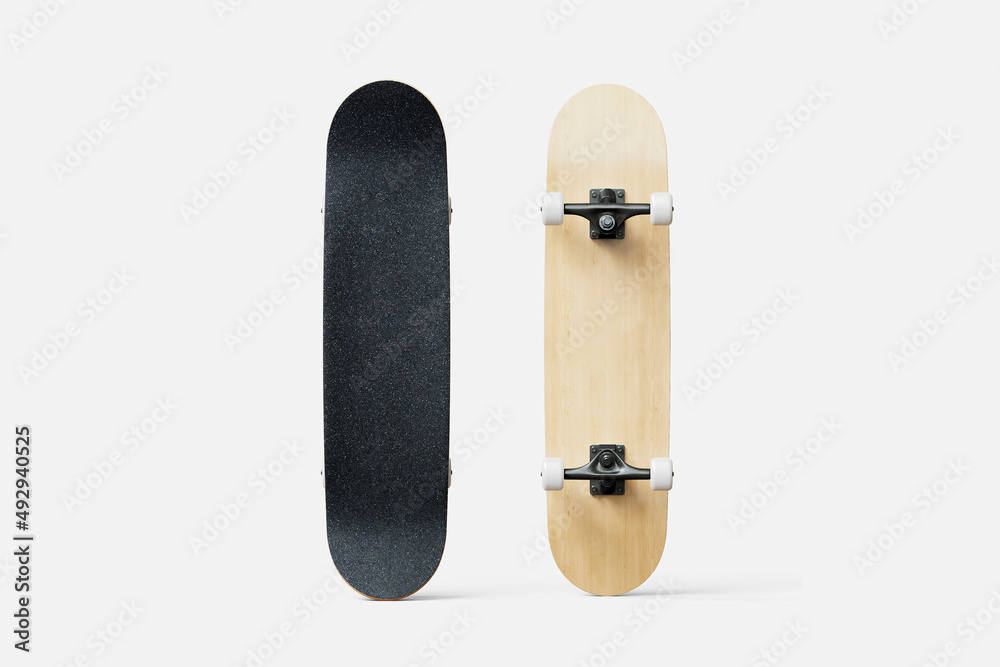
Skateboard trucks are the T-shaped metal axles that attach to the underside of the deck. They house the wheels and are responsible for steering and stability. While the trucks themselves are generally identical in their core components (axle, hangar, baseplate, kingpin, bushings), their placement and the subtle adjustments made to them can differentiate the front and back trucks’ functional roles.
Front Truck: The Steering Specialist
The front truck is primarily responsible for steering the skateboard. Its geometry and the hardness of its bushings influence how the board carves and turns. When a rider leans to one side, the front truck pivots, causing the board to change direction. The way the front truck responds to weight shifts dictates the board’s responsiveness.
- Bushings: These are polyurethane rings that surround the kingpin. Softer bushings allow for easier turning and a more responsive feel, making it simpler to carve and navigate obstacles. Harder bushings offer more stability at higher speeds and during landings, reducing wobbling.
- Kingpin Angle: While typically the same for both trucks, slight variations or adjustments can influence turning radius.
- Pivot Cup: This small cup within the truck assembly allows the hangar to pivot smoothly against the baseplate. Its condition affects turning precision.
In some specialized setups, riders might experiment with slightly different bushing durometers between the front and back trucks to fine-tune their ride. For example, a slightly softer front bushing might enhance turning capabilities, while a slightly harder back bushing could improve stability during slides or landings.
This customization is part of the advanced tuning that riders undertake to optimize their board for specific disciplines.
Back Truck: The Stability Anchor
The back truck plays a more significant role in stability, particularly during landings and slides. While it also contributes to turning, its primary function is to provide a solid foundation for the board. The back truck is often the point of contact during grinds and slides, and its setup can affect how smoothly these maneuvers are executed.
- Bushings: As mentioned, harder bushings on the back truck can provide more stability, which is crucial for preventing the board from over-turning during high-speed runs or preventing unwanted wobbling when landing tricks.
- Axle Width: The width of the truck axle, which extends beyond the deck on each side, is designed to match the deck width. This ensures optimal leverage for turning and stability.
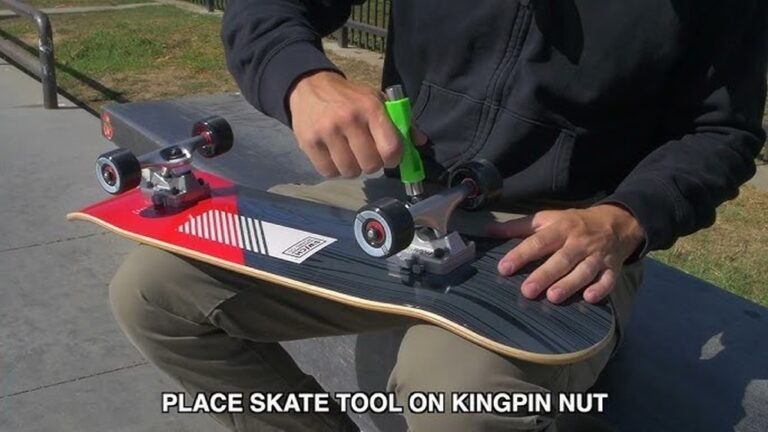
- Kingpin: The kingpin holds the bushings and hangar together. Its tightness, adjusted by a nut, directly impacts how easily the truck turns. A tighter kingpin nut results in less turn, increasing stability.
The interplay between the front and back trucks is what allows a skateboarder to control their board. The front truck initiates turns, while the back truck provides a stable pivot point and anchors the board during maneuvers. Understanding how to adjust and maintain these components is key to a safe and enjoyable skateboarding experience. For a deeper dive into truck selection, consider resources on choosing a skateboard deck, as deck size often dictates appropriate truck size.

Credit: www.reddit.com
Wheels And Bearings: Rolling Through The Differences
While the wheels and bearings are generally identical for both the front and back of a skateboard, their placement and the forces they endure can subtly highlight the functional differences between the front and back ends of the board.
Wheel Characteristics And Placement
Skateboard wheels come in various sizes and durometers (hardness). The size and hardness of wheels affect speed, grip, and how smoothly the board rolls over different surfaces. Typically, all four wheels on a standard skateboard are identical. However, their performance is influenced by their position.
The front wheels are the first to encounter imperfections on the ground, absorbing initial impacts and initiating turns. The back wheels, following closely behind, bear the brunt of landings and are crucial for slides and grinds. While the wheels themselves are the same, the forces experienced at the front and back differ.
Bearing Functionality
Skateboard bearings are small, circular devices that fit inside the wheels, allowing them to spin freely around the truck’s axle. Each wheel typically houses two bearings. Like wheels, bearings are generally identical for all four positions. Their primary function is to reduce friction.
However, bearings at the back are often subjected to more stress from landings and impacts, potentially leading to quicker wear or damage if not properly maintained. Conversely, front bearings might experience more direct forces during carving and turning. Regular cleaning and lubrication are essential for maintaining the performance of all bearings, ensuring a smooth ride from front to back.
Credit: stock.adobe.com
Grip Tape And Deck Concave: Foot Placement And Control
The grip tape on the top surface of the deck and the deck concave are crucial for rider control and play a role in how the front and back are utilized.
Grip Tape: The Rider’s Connection
Grip tape is a sandpaper-like material applied to the top of the skateboard deck. Its sole purpose is to provide traction for the rider’s feet, preventing them from slipping off the board, especially during tricks or in wet conditions. While the grip tape is applied uniformly across the deck’s top surface, the rider’s foot placement naturally differentiates its use at the front and back.
The front foot, typically placed towards the front bolts, is used for sliding and leveling the board during ollies. The back foot, positioned over the back bolts or slightly behind, is responsible for the crucial “pop” of the tail. The grip tape ensures a secure connection for both these distinct actions.
Deck Concave: Shaping The Ride
Deck concave refers to the subtle inward curvature across the width of the skateboard deck. This concave shape is vital for foot lock-in and board control. It provides channels for the rider’s feet, enhancing grip and allowing for easier manipulation of the board during tricks.
- Deep Concave: Offers a more pronounced foot lock-in, ideal for technical tricks where precise foot placement is critical. This can make flip tricks easier to control.
- Mild Concave: Provides a more comfortable feel for cruising and less technical skating, offering a flatter platform.
- W Concave: A less common design that features a ridge down the center of the board, offering unique foot positioning options.
The concave can subtly influence how the rider interacts with the nose and tail. A deeper concave might make it easier to “feel” the edges of the board, aiding in flicking the board for flip tricks using the nose or controlling slides with the tail. While the concave is consistent along the length of the deck, its interaction with the upward curves of the nose and tail is what enables advanced board manipulation. For more on choosing the right deck, explore guides on how to choose a skateboard deck.
Comparing Front And Back: A Functional Divide
While a skateboard might look symmetrical, its functionality is inherently asymmetrical due to the distinct roles of its front and back ends. This divide is crucial for performing the dynamic maneuvers that define skateboarding.
Shape And Design Differences
The most apparent difference lies in the deck’s shape. As discussed, the nose is typically longer and has a more gradual upward curve, optimized for sliding the foot during ollies and for nose manuals. The tail is shorter and has a steeper upward curve, engineered for a powerful pop. This difference in shape directly translates to the board’s performance in specific tricks.
Truck Setup Nuances
While the trucks themselves are often identical, subtle adjustments in bushing hardness or kingpin tightness can differentiate their roles. A rider might opt for slightly softer bushings in the front truck to facilitate easier turning and carving, while using firmer bushings in the back truck for enhanced stability during landings and slides.
This customization allows riders to fine-tune their board to their specific style and needs.
Performance Implications
The distinct design of the nose and tail, coupled with potential truck tuning, leads to clear performance implications:
- Ollies: The pop from the tail and the leveling action with the front foot over the nose are fundamental.
- Manuals: Nose manuals rely on the nose’s shape and balance, while tail manuals utilize the tail as a pivot point.
- Turning: The front truck is the primary steering mechanism, while the back truck provides stability.
- Slides and Grinds: The tail and nose are often used for initiating and controlling slides and grinds.
Understanding these differences is not just academic; it directly impacts a rider’s ability to learn new tricks, maintain control, and choose equipment that suits their riding style. For example, a beginner might benefit from a board with a more balanced nose and tail shape, while a street skater might prefer a pronounced tail for popping and a slightly longer nose for flip tricks.
Example: The Street Skater’s Setup
Consider a typical street skater. Their board might feature a slightly wider deck (e.g., 8.25 inches) with a pronounced concave. The nose will likely be rounded and well-defined, perhaps slightly longer than the tail. The tail will be steep and responsive, designed for maximum pop.
The front truck might have medium-hard bushings (e. g. , 90a durometer) to allow for quick turns in tight spots and responsiveness when navigating obstacles. The back truck could have slightly harder bushings (e. g. , 92a) to provide stability when landing tricks from height or during slides.
The wheels might be in the 52-54mm range, with a hardness of 99a, balancing speed for flat ground tricks with the durability needed for street skating.
This setup prioritizes the agility and pop required for street skating. The distinct features of the nose and tail, combined with carefully chosen truck and wheel setups, allow the skater to perform complex flip tricks, grinds on ledges, and ollies over various obstacles. This nuanced approach to board design and setup highlights how the front and back of a skateboard are intentionally differentiated for optimal performance. This is similar to how different brands offer unique characteristics, such as how Element skateboards are reviewed for their specific constructions.
Maintenance And Longevity: Caring For Both Ends
Proper maintenance ensures that both the front and back of your skateboard function optimally and last longer. Neglecting either end can lead to reduced performance and potential damage.
Deck Care
- Prevent Water Damage: Keep your deck dry. Water can weaken the wood plies, leading to delamination and a loss of pop. If your board gets wet, dry it thoroughly.
- Avoid Extreme Temperatures: Excessive heat can warp the deck, while extreme cold can make the wood brittle.
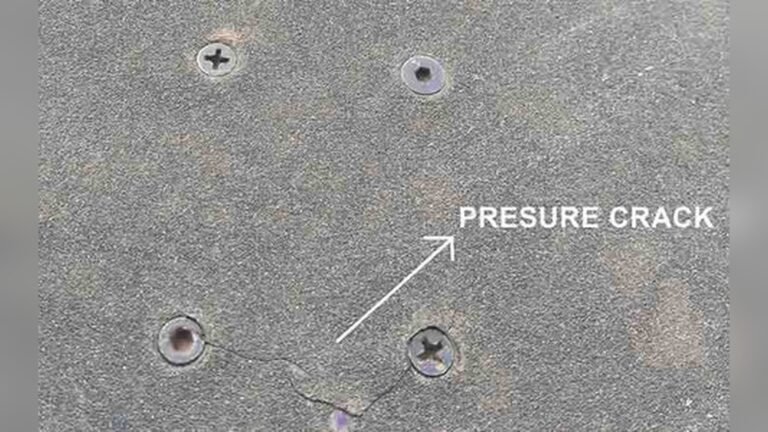
- Inspect for Damage: Regularly check the nose and tail for chipping, pressure cracks, or delamination. While minor chips are common, significant damage can compromise the board’s integrity. Pressure cracks on skateboards are a common issue that riders should be aware of.
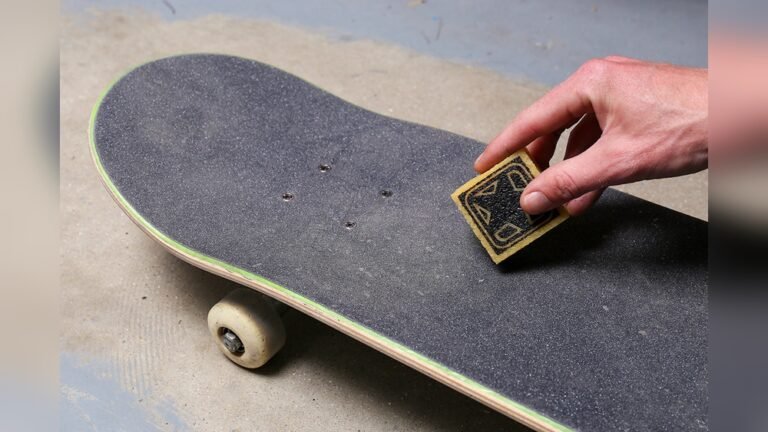
- Re-gripping: Over time, grip tape loses its grit. Replace it when it becomes smooth or starts peeling, especially if you notice your feet slipping during tricks.
Truck And Wheel Maintenance
- Clean Bearings: Regularly remove dirt and debris from your bearings. Use a bearing cleaner and re-lubricate them with bearing lubricant.
- Check Bushings: Inspect bushings for wear and tear. Replace them if they are cracked, torn, or excessively compressed.
- Tighten Hardware: Ensure all hardware (bolts holding the trucks to the deck) is snug. Loose hardware can lead to wobbling and instability.
- Rotate Wheels: While not always necessary, rotating wheels can help ensure even wear, though the forces on front and back wheels are different.
Protecting The Nose And Tail
- Tail Guards and Nose Guards: For skaters who frequently perform tricks that impact the nose and tail (like powerslides or aggressive ollies), plastic guards can be attached to protect the wood. These are particularly popular among younger skaters or those learning new tricks.
- “Chipping” vs. “Cracking”: Minor chipping on the nose and tail edges is normal wear and tear from hitting the ground. However, deep cracks or delamination indicate more serious damage that can affect the board’s performance and lifespan.
Frequently Asked Questions
What Is The Primary Difference Between A Skateboard Nose And Tail?
The nose is the front of the board, typically longer and with a more gradual upward curve, designed for sliding the foot during ollies and for nose manuals. The tail is the back of the board, usually shorter with a steeper upward curve, engineered for a powerful “pop” to get the board into the air.
How Do Truck Setups Differ Between The Front And Back?
While the trucks themselves are often identical, riders may adjust bushings or kingpin tightness to differentiate their function. Softer bushings in the front truck enhance turning and responsiveness, while harder bushings in the back truck provide greater stability for landings and slides.
Can The Front And Back Wheels/bearings Be Different?
Generally, all four wheels and bearings on a standard skateboard are identical. However, the forces they endure differ. Back bearings may experience more stress from landings, while front bearings are more involved in turning. Regular maintenance is key for all components.
Why Is The Asymmetry Of The Nose And Tail Important?
This asymmetry is fundamental to skateboarding maneuvers. The tail’s steepness allows for the ollie’s pop, while the nose’s shape aids in leveling the board and performing tricks like nose manuals. Without this difference, many foundational tricks would be impossible.
How Can I Protect The Nose And Tail Of My Skateboard?
You can protect the nose and tail by being mindful of how you land tricks and by avoiding unnecessary impacts. For skaters who frequently scrape or hit these areas, specialized plastic nose guards and tail guards can be attached to the deck to absorb impact and prevent damage.
The distinction between the front and back of a skateboard is a critical element of its design, enabling the dynamic and multifaceted nature of skateboarding. From the subtle curves of the deck to the precise tuning of the trucks, every component plays a role in defining the board’s performance at each end. Understanding these differences empowers riders to make informed choices about their equipment, optimize their riding, and ultimately, have more fun on their board. Whether you’re just starting out with learning to skateboard or looking to master intermediate tricks, a solid grasp of your skateboard’s anatomy, particularly its front and back, is an invaluable asset.