Do I Need Knee Pads for Mountain Biking
Mountain biking is an exhilarating sport that pushes riders to their limits, offering a thrilling blend of physical challenge and natural exploration. As you navigate challenging terrain, tackle steep descents, and conquer technical climbs, the potential for falls and impacts is ever-present. While instinct might tell you to focus solely on your bike and your line, protecting your body, particularly your knees, is paramount to enjoying the sport safely and consistently. This leads to a common question among riders, from seasoned veterans to enthusiastic beginners: Do I need knee pads for mountain biking?
The answer is a resounding yes, for most riders and most types of mountain biking. While casual cruising on smooth, flat trails might not necessitate heavy protection, the moment you venture into terrain that involves significant speed, technical obstacles, or the possibility of crashes, knee pads become an indispensable piece of safety gear. They are not just for downhill professionals; enduro riders, trail riders, and even some cross-country riders can benefit immensely from the protection they offer. Understanding the different types of knee pads, their benefits, and when to wear them is crucial for making an informed decision and ensuring your riding adventures are as safe as they are thrilling.
Key Takeaways
- Knee pads are highly recommended for most mountain biking disciplines due to the inherent risk of falls and impacts on technical terrain.
- Protection is paramount: Knee pads significantly reduce the severity of injuries, from minor abrasions to severe ligament damage.
- Type matters: The level of protection and mobility required depends on your riding style and the trails you frequent, ranging from lightweight sleeves to full-coverage hardshell pads.
- Comfort and fit are crucial: Properly fitting pads enhance protection and prevent distractions, allowing you to focus on the ride.
- Consider the trade-offs: While pads add a layer of protection, they can also increase heat and slightly restrict movement, but these are generally outweighed by the safety benefits.
- Investing in quality knee pads is an investment in your riding longevity and enjoyment.
Credit: www.d3o.com
The Crucial Role Of Knee Protection In Mountain Biking
Mountain biking, by its very nature, involves navigating unpredictable environments. Rocks, roots, loose gravel, and sudden drops are common features of trails, and even the most skilled riders can experience unexpected dismounts. Your knees are particularly vulnerable in these situations.
They are complex joints with many exposed bony prominences and delicate ligaments, making them susceptible to a wide range of injuries.
Understanding Knee Injuries In Mountain Biking
When a mountain biker falls, the knees often bear the brunt of the impact. Common injuries include:
- Abrasions and Lacerations: Simple scrapes and cuts from sliding on rough surfaces like dirt, gravel, or rock. While often superficial, they can be painful and prone to infection if not cleaned properly.
- Bruises and Contusions: Direct impact with the ground or obstacles can cause significant bruising, leading to swelling and pain.
- Sprains: Ligament injuries, such as a torn ACL (Anterior Cruciate Ligament) or MCL (Medial Collateral Ligament), are common and can be debilitating, often requiring extensive rehabilitation or surgery.
- Fractures: In severe impacts, fractures of the kneecap (patella) or surrounding bones can occur.
- Meniscus Tears: The cartilage that cushions the knee joint can be torn through twisting motions during a fall.
Data from emergency room visits related to cycling accidents consistently shows a high incidence of lower extremity injuries, with knees being a primary area of concern. While specific statistics for mountain biking injuries vary, studies indicate that a significant percentage of falls involve direct knee trauma. For instance, a study published in the *Journal of Wilderness Medicine* found that lower extremity injuries were among the most frequent reported in mountain biking accidents. The protection offered by knee pads can significantly mitigate the severity of these injuries, turning a potentially season-ending event into a minor setback.
Benefits Of Wearing Knee Pads
The primary benefit of wearing knee pads is, of course, injury prevention and reduction. Beyond that, however, they offer several other advantages that contribute to a better riding experience:
- Increased Confidence: Knowing you have a layer of protection can allow you to push your boundaries and tackle more challenging sections of trail with greater confidence. This can lead to faster progression and more enjoyment.
- Reduced Fear of Falling: The fear of crashing is a significant psychological barrier for many riders. Knee pads can alleviate some of this fear, allowing for a more relaxed and focused ride.
- Protection from Debris: On dusty or loose trails, knee pads can offer a minor barrier against flying dirt, small stones, and other trail debris that might otherwise cause scrapes or discomfort.
- Support and Stability (for some pads): Certain types of knee pads, particularly those with compression sleeves, can offer a subtle sense of support and warmth to the knee joint, which some riders find beneficial.
In my experience, even on seemingly smooth trails, a sudden loss of traction or an unexpected root can send you tumbling. The difference between sliding on bare skin and sliding on durable padding is immense. The peace of mind that comes with knowing your knees are shielded is invaluable, allowing you to truly immerse yourself in the ride.
Types Of Mountain Bike Knee Pads
The market offers a diverse range of knee pads, each designed to cater to different riding styles, terrains, and levels of protection. Understanding these distinctions is key to selecting the right pair for your needs.
1. Soft Shell / Sleeve Knee Pads
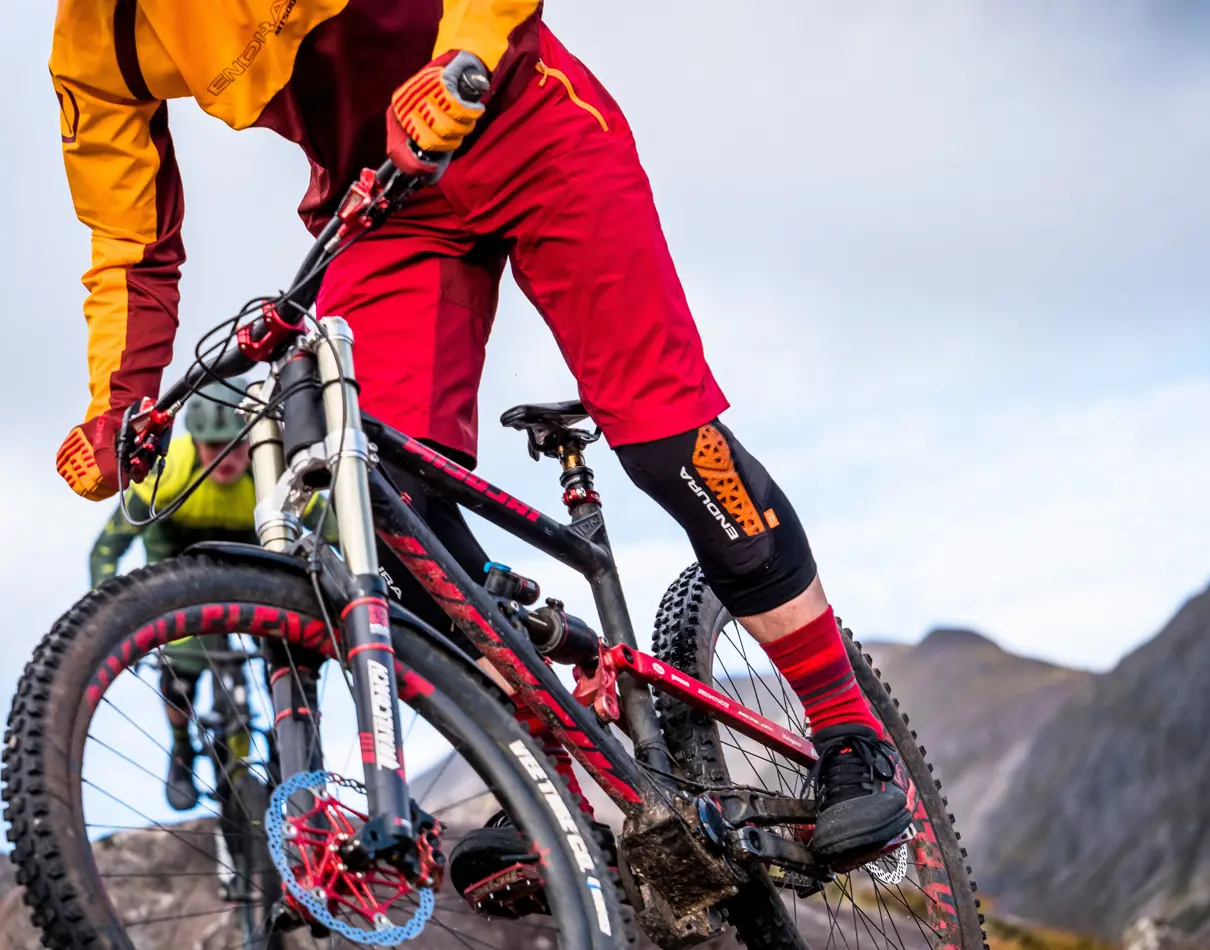
These are generally the lightest and most flexible option. They typically consist of a breathable, stretchy sleeve with a padded insert over the kneecap.
- Construction: Made from neoprene or other synthetic fabrics, often with a foam or gel pad. Some may have a thin plastic or composite insert for slightly more impact resistance.
- Protection Level: Offer basic protection against abrasions, minor impacts, and trail buzz. They are not designed for high-speed, heavy crashes.
- Pros:
- Excellent breathability and comfort: Ideal for long rides and warm weather.
- High mobility and flexibility: Do not restrict pedaling or movement.
- Lightweight and packable: Easy to carry in a backpack if not worn.
- Subtle: Less bulky, allowing for more discreet wear.
- Cons:
- Limited impact protection: Not suitable for aggressive riding or frequent crashes.
- May slip down: Can sometimes slide down the leg during intense riding.
- Best For: Cross-country (XC) riding, trail riding on less technical terrain, gravel biking, and riders prioritizing comfort and pedaling efficiency over maximum protection.
2. Hard Shell / All-mountain Knee Pads
These pads offer a significant step up in protection. They feature a hard plastic or composite outer shell over a layer of impact-absorbing foam.
- Construction: A robust outer shell (often polypropylene or similar plastic) is attached to a comfortable, padded backing. Many incorporate straps for a secure fit.
- Protection Level: Designed to withstand direct impacts from rocks, roots, and hard falls, offering much better protection against significant trauma.
- Pros:
- Superior impact protection: The hard shell distributes impact forces.
- Durable: Built to withstand rough use.
- Secure fit: Straps and often a sleeve design keep them in place.
- Cons:
- Less breathable: Can get hot, especially during strenuous climbs.
- More restrictive: May slightly impede pedaling or flexibility compared to soft shells.
- Bulkier: More noticeable and can be warmer.
- Best For: Trail riding, enduro, all-mountain, and downhill riding where falls are more likely and impacts can be more severe.
3. Full-coverage / Downhill Knee Pads
These are the most protective option, often extending further down the shin and sometimes incorporating knee braces for maximum stability and impact absorption.
- Construction: Feature a large, hard outer shell, extensive padding, and often a hinged or articulated design for better movement. Some integrate shin protection.
- Protection Level: Offer the highest level of protection against direct impacts, sharp objects, and severe crashes. They are engineered for the most demanding disciplines.
- Pros:
- Maximum safety: Provide unparalleled protection.
- Excellent impact absorption and distribution.
- Often include shin protection.
- Cons:
- Most restrictive: Can significantly impact pedaling and flexibility.
- Hot and heavy: Least breathable and heaviest option.
- Expensive: Generally the priciest category.
- Best For: Downhill (DH) racing, freeride, and riders who frequently encounter very technical terrain and expect high-impact falls.

Credit: www.bikeradar.com
Factors To Consider When Choosing Knee Pads
Selecting the right knee pads involves balancing protection, comfort, and your specific riding needs. Here are the key factors to evaluate:
Riding Discipline And Terrain
The most critical factor is the type of riding you do.
- Cross-Country (XC): If you ride smooth, fast trails with minimal technical features and prioritize pedaling efficiency, lightweight soft shell knee pads or even no pads might suffice for casual rides. However, for racing or more challenging XC routes, a light sleeve offers valuable protection against minor impacts and abrasions.
- Trail Riding: This is a broad category, but generally involves varied terrain with roots, rocks, and some climbs and descents. Hard shell all-mountain pads are a popular choice here, offering a good balance of protection and mobility. Some riders may opt for lighter sleeves if their trails are less aggressive.
- Enduro: Enduro racing involves timed downhill stages and untimed uphill transfers. Riders need protection that can withstand significant impacts during descents but is also comfortable enough for pedaling. All-mountain pads are the standard, with many riders opting for models with good ventilation and flexible designs.
- Downhill (DH) and Freeride: These disciplines involve high speeds, large jumps, and extremely technical terrain. Full-coverage downhill pads are essential, providing the maximum possible protection against severe impacts.
Fit And Comfort
Even the most protective knee pads are useless if they are uncomfortable or don’t stay in place.
- Sizing: Always consult the manufacturer’s sizing chart. Measure your thigh and calf circumference as instructed. A pad that is too tight will restrict blood flow and be uncomfortable; too loose, and it will slip down, offering no protection and becoming a distraction.
- Straps: Look for adjustable straps (often Velcro) that allow you to fine-tune the fit. Some pads also have silicone grippers on the inside to prevent slippage.
- Articulation: The best pads will have a design that allows for natural knee movement. They should bend with your leg when pedaling and not bunch up behind the knee.
- Padding: Ensure the padding is strategically placed to cover the kneecap and surrounding vulnerable areas. The density and thickness of the padding should correspond to the level of protection you need.
- Breathability: For long rides or warm climates, breathable materials and ventilation panels are crucial to prevent overheating and excessive sweating.
Materials And Construction
The materials used directly impact durability, protection, and comfort.
- Outer Shell: Hard shells are typically made from durable plastics like polypropylene, ABS, or Kevlar blends for abrasion resistance.
- Padding: High-density foams (like EVA or D3O technology) are common. D3O and similar viscoelastic materials are designed to be flexible during normal movement but harden instantly upon impact to absorb energy.
- Inner Liner: A soft, moisture-wicking inner liner enhances comfort against the skin.
- Strap System: Robust Velcro straps and sometimes buckle systems ensure a secure fit.
Weight And Bulk
While protection is key, consider how the weight and bulk of the pads will affect your riding. Heavier, bulkier pads can be more noticeable and fatiguing on long climbs. For disciplines where pedaling is a significant component, finding a lighter, more streamlined option within the required protection level is often desirable.
Example Scenario: Choosing Pads For Enduro
Let’s consider an enduro rider who tackles challenging descents but also needs to pedal efficiently between stages. They would likely look for all-mountain knee pads. Key features would include:
- A hard shell for impact protection.
- D3O or similar impact-absorbing padding that remains flexible for pedaling.
- Adjustable straps and silicone grippers to ensure they stay put during rough descents.
- Ventilation panels to manage heat during climbs.
- A design that allows for good articulation to avoid bunching behind the knee.
This rider would likely avoid full-downhill pads due to their weight and restriction, and might find basic soft shells insufficient for the high-impact nature of enduro descents.

Credit: www.outsideonline.com
How To Properly Wear And Care For Your Knee Pads
Even the best knee pads won’t perform optimally if they aren’t worn correctly or maintained properly.
Getting The Fit Right
- Measure: Refer to the manufacturer’s sizing guide. Measure the circumference of your thigh about 6 inches (15 cm) above the center of your kneecap and your calf about 2 inches (5 cm) below the center of your kneecap.
- Try On (if possible): If buying in person, try them on and simulate riding motions. Pedal, squat, and walk around.
- Adjust Straps: Secure the straps snugly but not too tightly. The pad should feel secure and not shift excessively when you move. The top strap should be above the widest part of your thigh, and the bottom strap below the widest part of your calf.
- Check for Bunching: Ensure the material isn’t bunching uncomfortably behind your knee.
Wearing Knee Pads For Extended Periods
- Warm-up: If wearing pads for the first time or after a break, your legs might feel warmer than usual. This is normal.
- Hydration: Being well-hydrated can help your body regulate temperature, even with the added warmth from pads.
- Breaks: On very long rides, especially with significant climbing, you might consider taking short breaks to remove your pads if they become excessively hot and uncomfortable, provided you are on safe ground. However, this is generally not recommended during technical downhill sections.
Cleaning And Maintenance
Proper care will extend the life of your knee pads and ensure they remain hygienic and functional.
- Washing: Most knee pads can be hand-washed with mild soap and cold water. Check the manufacturer’s instructions, as some may be machine washable on a delicate cycle (always place in a mesh laundry bag). Never use harsh detergents or bleach.
- Drying: Air dry your pads completely. Do not put them in a clothes dryer, as the heat can damage the padding, plastic shells, and elastic materials. Avoid direct sunlight for prolonged periods, which can also degrade materials.
- Storage: Store your pads in a cool, dry place, away from direct sunlight and extreme temperatures. Ensure they are fully dry before storing to prevent mold and mildew.
- Inspect Regularly: Before each ride, check your pads for any signs of wear and tear, such as cracks in the shell, frayed straps, or degraded padding. Replace them if they are significantly damaged, as their protective capabilities will be compromised.
When To Consider Not Wearing Knee Pads
While the recommendation is overwhelmingly to wear knee pads for most mountain biking, there are a few niche scenarios where they might be deemed less essential, though still potentially beneficial.
Casual Riding On Smooth, Flat Trails
If your “mountain biking” consists of leisurely rides on well-maintained gravel paths or smooth, fire-road-like trails with virtually no obstacles and a very low risk of falling, then basic knee protection might be considered optional. In these situations, the primary concerns are comfort and pedaling efficiency.
However, even on such trails, a simple tumble can result in scrapes.
Extreme Focus On Weight And Pedaling Efficiency (xc Racing)
In elite-level Cross-Country racing, where every gram and every watt of energy counts, some professional athletes might opt for minimal or no knee protection on specific courses. This is a calculated risk taken by individuals with exceptional bike handling skills and extensive experience.
They may wear very thin, barely-there sleeves for minimal abrasion protection or none at all. However, this is a highly specialized decision and not recommended for the vast majority of riders.
Specific Medical Conditions Or Comfort Issues
In rare cases, individuals with specific medical conditions or extreme discomfort with wearing pads might explore alternatives or ride less aggressively. However, it’s crucial to consult with a healthcare professional and a cycling gear specialist in such situations.
It’s vital to reiterate that these are exceptions, not the rule. For the overwhelming majority of mountain biking activities, from casual trail rides to aggressive enduro and downhill runs, wearing appropriate knee pads is a crucial safety measure. The potential for injury far outweighs the minor inconveniences of heat or slight restriction that well-fitting pads might introduce.
The Psychology Of Protection: Confidence And Progression
Beyond the physical benefits, wearing knee pads can have a significant psychological impact on a mountain biker’s confidence and progression. The inherent risks associated with the sport can create a mental barrier, especially for newer riders or those returning after an injury.
Overcoming The Fear Factor
Fear of falling is a natural response, but it can significantly limit a rider’s ability to enjoy the sport and improve their skills. When you know your knees are protected by robust padding and a hard shell, the fear of a minor crash is substantially reduced. This allows you to:
- Focus on the Trail: Instead of constantly worrying about a potential fall, you can concentrate on reading the terrain, choosing your line, and executing the necessary techniques.
- Ride Within Your Limits (Safely): You can explore slightly more challenging sections or push the pace a bit harder, knowing that a mistake might not result in a painful injury.
- Build Confidence: Each successful ride, even if it involves a minor slip or near-fall that is mitigated by pads, builds confidence. This positive reinforcement encourages further skill development.
Enabling Skill Progression
Progression in mountain biking often involves trying new obstacles, riding faster, and tackling more technical terrain. This naturally increases the risk of crashing. Knee pads provide a safety net that allows riders to experiment and learn without the constant threat of severe injury.
- Learning New Tricks: Riders learning jumps, drops, or technical features are almost guaranteed to fall. Knee pads make these learning experiences less painful and discouraging.
- Tackling Steeper Descents: As riders improve, they often seek out steeper and more challenging descents. Knee pads offer the confidence and protection needed to navigate these lines.
- Enduro and Downhill Training: For disciplines like enduro and downhill, where crashes are frequent, proper protection is non-negotiable for consistent training and performance.
Consider the journey of learning to ride more challenging terrain. Initially, a rider might be hesitant to take on a rocky section. With knee pads on, they might feel more empowered to attempt it. If they do fall, the impact is absorbed, and they can get back up, analyze what went wrong, and try again.
Without pads, a painful fall might discourage them from attempting that section again for a long time, hindering their progress. This psychological boost is a significant, though often overlooked, benefit of wearing knee pads. It transforms the perception of risk from a constant threat to a manageable challenge.
Comparing Different Protection Levels
To illustrate the differences, let’s look at how various types of knee pads stack up against each other in terms of protection, mobility, and suitability for different disciplines.
| Feature | Soft Shell / Sleeve Pads | All-Mountain / Hard Shell Pads | Full-Coverage / Downhill Pads |
|---|---|---|---|
| **Primary Protection** | Abrasion, minor impacts, trail buzz | Direct impacts, moderate falls | Severe impacts, high-speed crashes |
| **Outer Shell** | Fabric, sometimes thin plastic insert | Hard plastic or composite | Large, robust hard plastic |
| **Padding** | Foam or gel | High-density foam (e.g., D3O) | Extensive high-density foam |
| **Mobility** | Excellent | Good | Moderate to Limited |
| **Breathability** | High | Moderate | Low |
| **Weight/Bulk** | Low | Medium | High |
| **Typical Use** | XC, light trail, gravel | Trail, Enduro, All-Mountain | Downhill, Freeride |
| **Comfort for Pedaling** | Very High | High | Moderate |
| **Injury Risk Mitigation** | Low to Moderate | High | Very High |
This table highlights that there isn’t a one-size-fits-all answer. The “best” knee pad is the one that matches your riding style and the risks associated with your typical trails. For instance, an XC rider prioritizing speed might choose soft shells, while an enduro rider needing to pedal uphill but face tough descents would lean towards the balanced protection of all-mountain pads.
A downhill racer, however, would prioritize the maximum safety offered by full-coverage pads, accepting the trade-offs in weight and breathability.
Real-world Scenarios: When Knee Pads Saved The Day
Anecdotal evidence and numerous rider testimonials highlight the value of knee pads. While we cannot fabricate specific product testimonials or pricing, we can illustrate common scenarios where knee pads proved invaluable.
Scenario 1: The Unexpected Root
A trail rider is navigating a familiar singletrack at a moderate pace. They hit an unseen root that catches their pedal, causing