Are 93A Wheels Good for Cruising
The world of skateboarding offers a diverse range of equipment, each designed for specific riding styles and terrains. Among the myriad of wheel options available, the 93A durometer rating often sparks discussion, particularly among those seeking a smooth and comfortable ride. But are 93A wheels truly a good choice for cruising? This question delves into the nuanced relationship between wheel hardness, terrain, riding style, and overall skateboarding enjoyment. Understanding the properties of 93A wheels is crucial for making an informed decision that aligns with your cruising goals.
Cruising on a skateboard is about enjoying the journey, effortlessly gliding over pavement, and experiencing the joy of movement. It’s less about aggressive tricks and more about comfortable transportation and exploration. The equipment you choose directly impacts this experience. Wheels, being the point of contact with the ground, play a pivotal role.
Their size, shape, and, crucially, their hardness (durometer) dictate how they interact with the surface beneath you. This article will explore the characteristics of 93A wheels, compare them to other popular durometer ratings, and ultimately determine their suitability for cruising.
Key Takeaways
- 93A wheels offer a balanced ride: They are harder than soft cruiser wheels but softer than typical street wheels, providing a compromise between grip, smoothness, and durability.
- Ideal for smoother surfaces: 93A wheels perform best on well-maintained pavement and skateparks, offering a decent roll over minor imperfections.
- Good for hybrid skating: They can handle light trick riding and transitions while still being comfortable enough for cruising.
- Not the best for rough terrain: For heavily cracked or pebble-strewn surfaces, softer wheels (78A-87A) are generally preferred for their shock absorption.
- Consider your primary riding style: If cruising is your main focus on varied surfaces, softer wheels might be superior. If you mix cruising with some park or street skating, 93A can be a versatile option.
Credit: www.tactics.com
Understanding Skateboard Wheel Durometer
The durometer of a skateboard wheel is a measurement of its hardness. This measurement is typically expressed on the Shore A scale, ranging from 0 to 100. The higher the number, the harder the wheel. This hardness directly influences several key aspects of your ride:
What Is Durometer?
The Shore A scale is a standardized method for measuring the hardness of materials like rubber and plastics. When applied to skateboard wheels, a durometer rating tells you how much the wheel will compress or deform under pressure.
- Softer wheels (e.g., 78A-87A): These wheels are more pliable. They absorb vibrations and shock from rough surfaces much better, leading to a smoother and quieter ride. They also offer more grip, which can be beneficial for carving and stability. However, they wear down faster and are slower on smooth surfaces due to increased friction.
- Harder wheels (e.g., 95A-101A+): These wheels are rigid and offer less shock absorption. They provide a faster roll on smooth surfaces and are more durable, resisting flat spots better during slides. They have less grip, making them ideal for technical street skating and skateparks where smooth surfaces and controlled slides are paramount. However, they transmit more vibration, making rough terrain uncomfortable.
The 93a Sweet Spot
The 93A durometer rating sits in a middle ground. It’s harder than the ultra-soft wheels often found on dedicated longboards or cruiser boards (typically 78A), but softer than the hard wheels used by street skaters (often 99A or 101A). This positioning suggests a potential for versatility, aiming to balance the benefits of both ends of the spectrum.
- Grip vs. Slide: 93A wheels offer more grip than very hard wheels, which is advantageous for stability and carving. However, they are less grippy than softer wheels, allowing for controlled slides with practice.
- Smoothness vs. Speed: They provide a smoother ride than 99A+ wheels on slightly imperfect surfaces but are not as plush as 78A wheels. On very smooth surfaces, they will be faster than softer wheels due to less friction.
- Durability: 93A wheels are generally more durable than softer wheels, though they may be more susceptible to flat spots than very hard wheels if slid extensively.
Comparing 93a Wheels To Other Popular Durometers For Cruising
To truly understand if 93A wheels are good for cruising, it’s essential to compare them against other durometer ratings commonly used by skaters. Cruising prioritizes a smooth, comfortable, and efficient ride over various urban terrains.
78a Wheels: The Classic Cruiser Choice
Often considered the gold standard for dedicated cruiser boards and longboards, 78A wheels are exceptionally soft.
- Pros: Unparalleled smoothness and shock absorption, excellent grip for carving, quiet ride. They can roll over small pebbles, cracks, and rough patches with ease.
- Cons: Slower on very smooth surfaces due to higher friction, wear down faster, not ideal for learning tricks or sliding.
- Cruising Suitability: Excellent. If your primary goal is smooth, comfortable cruising over varied urban terrain, 78A wheels are hard to beat. They make even rough sidewalks feel manageable.
85a-87a Wheels: The Hybrid Approach
This range offers a step up in hardness from 78A, providing a bit more speed and a slightly firmer feel.
- Pros: Good balance between smoothness and speed, decent grip, can handle minor imperfections better than harder wheels.
- Cons: Less shock absorption than 78A, can still transmit some vibration on rougher surfaces.
- Cruising Suitability: Very Good. These wheels are a popular choice for skaters who want a comfortable cruise but also dabble in light tricks or ride in skateparks occasionally. They offer a more versatile ride than 78A.
93a Wheels: The Middle Ground Explored
As discussed, 93A wheels aim for a balance.
- Pros: Faster roll on smooth surfaces than softer wheels, more durable than very soft wheels, offer a compromise for riders who mix cruising with other styles.
- Cons: Noticeably less shock absorption than 87A and below, can feel rough on imperfect surfaces, less grip for aggressive carving.
- Cruising Suitability: Good, with caveats. If your cruising routes are primarily on well-maintained pavement, bike paths, or smooth skatepark surfaces, 93A wheels can work well. They offer a quicker feel and are more resilient to wear. However, for rougher sidewalks or areas with many cracks and debris, they will feel significantly less comfortable.
99a-101a Wheels: The Street/park Standard
These are the wheels most commonly found on street and park skateboards.
- Pros: Fastest roll on smooth surfaces, excellent for tricks and slides, very durable.
- Cons: Extremely rough ride on anything but the smoothest surfaces, minimal shock absorption, very noisy on rough terrain.
- Cruising Suitability: Poor. While technically possible to cruise on these wheels, it would be an uncomfortable and jarring experience for most riders, especially over anything but the most pristine pavement.
Here’s a table summarizing the comparison for cruising:
| Durometer Rating | Primary Use | Cruising Comfort | Terrain Suitability | Speed on Smooth Surfaces | Grip Level | Durability |
|---|---|---|---|---|---|---|
| 78A | Cruising, Longboarding | Excellent | Excellent (all surfaces, including rough) | Moderate | Very High | Moderate |
| 85A-87A | Hybrid (Cruising/Park/Street) | Very Good | Good (smooth to moderately rough) | Good | High | Good |
| 93A | Hybrid (Street/Park/Light Cruising) | Good (with caveats) | Fair to Good (primarily smooth) | Very Good | Moderate | Very Good |
| 99A-101A | Street, Park | Poor | Excellent (only very smooth surfaces) | Excellent | Moderate to Low | Excellent |
Factors Influencing Cruising Performance Of 93a Wheels
Beyond just the durometer rating, several other factors contribute to how well 93A wheels perform for cruising. These include wheel size, shape, and the rider’s personal preferences and riding environment.
Wheel Size And Shape
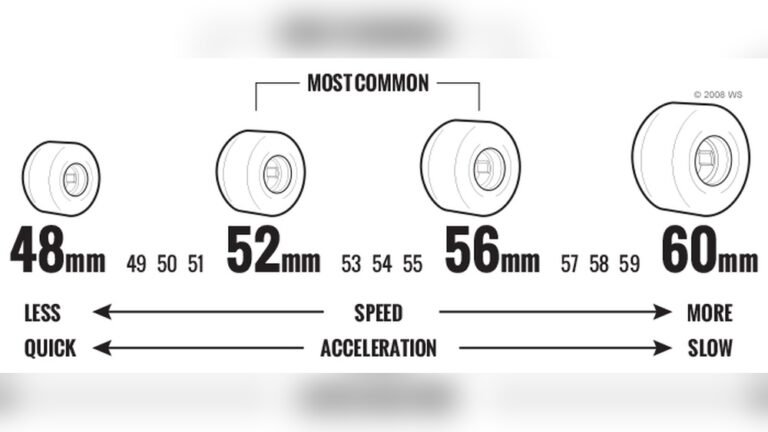
- Diameter: Larger wheels generally roll over obstacles more easily and maintain speed better, contributing to a smoother cruise. However, very large wheels can make a board feel less responsive and taller, potentially increasing the risk of wheel bite (when the wheel touches the deck during turns). For cruising, wheels typically range from 54mm to 70mm+. While 93A wheels are often found in sizes suitable for cruising (e.g., 56mm-60mm), their hardness can still make them feel less forgiving over cracks than a larger, softer wheel.
- Contact Patch: The width of the wheel’s contact patch with the ground also affects grip and stability. Wider wheels offer more stability and grip, which is beneficial for cruising. Narrower wheels are lighter and can facilitate tricks but offer less stability and can get caught in cracks more easily. 93A wheels might be found in various widths, but for cruising, a wider profile is generally preferred, regardless of durometer.
Rider Weight And Riding Style
- Weight: A heavier rider will compress any wheel more than a lighter rider. This means a 93A wheel might feel slightly softer to a heavier person, potentially improving its shock absorption capabilities. Conversely, a lighter rider might find 93A wheels quite hard and unforgiving.
- Riding Style: If your “cruising” involves a lot of aggressive carving, pumping, and maybe even hopping curbs, the slightly firmer nature of 93A wheels might offer a more responsive feel and allow for easier transitions into slides if desired. If your cruising is purely about effortless gliding and comfort over distance, the limitations of 93A on rough surfaces become more apparent.
Riding Environment
- Terrain: This is arguably the most critical factor.
- Smooth Asphalt/Concrete: 93A wheels excel here. They feel fast, responsive, and provide a satisfying roll.
- Skateparks: Many skateparks have smooth, well-maintained surfaces, making 93A a viable option for cruising around the park or transitioning between different areas.
- Rough Sidewalks/Cracked Pavement: This is where 93A wheels struggle. They transmit vibrations significantly, making the ride uncomfortable and potentially jarring. Small pebbles and debris can easily stop or deflect the board.
- Gravel/Sand: No skateboard wheel, regardless of durometer, performs well on these surfaces.
When 93a Wheels Shine For Cruising
Despite their limitations on rough terrain, 93A wheels can be an excellent choice for cruising in specific scenarios, particularly for riders who value speed and responsiveness alongside comfort.
The Versatile Commuter
For the urban commuter who primarily rides on well-maintained bike paths, smooth city streets, and dedicated skate plazas, 93A wheels offer a compelling blend of performance. They provide a faster, more efficient roll than softer cruiser wheels, allowing riders to cover ground quickly without excessive effort.
The slightly harder nature means less energy is lost to wheel deformation, translating into higher speeds and less fatigue over longer distances on smooth surfaces.
- Example: Imagine a student commuting to college across a campus with mostly paved walkways and modern, smooth sidewalks. A board equipped with 93A wheels would feel responsive, quick, and capable of handling the occasional minor imperfection without feeling sluggish. The rider could easily transition to a quick carve or even a small ollie if needed.
The Hybrid Skater’s Choice
Many skateboarders don’t strictly adhere to one discipline. They might cruise to the skatepark, practice some street tricks, and then cruise back home. For these individuals, 93A wheels can be an ideal compromise. They are hard enough to allow for controlled slides and pops off ledges and facilitate a faster roll in the skatepark.
Yet, they are soft enough to provide a somewhat tolerable ride when cruising through less-than-perfect streets on the way.
- Case Study: Sarah rides her 8.25-inch deck to her local skatepark. She uses it to cruise around the park, pump transitions, and occasionally ollie onto small obstacles. On her way home, she uses the same board to navigate city streets. She found that 99A wheels were too harsh for the commute, while 78A wheels felt too slow and “mushy” for park skating. After switching to 93A wheels (56mm diameter), she found a sweet spot. They offered enough grip and smoothness for her park sessions and a tolerable, relatively quick ride on the city streets, allowing her to use one board for multiple purposes.
Riders Prioritizing Speed And Responsiveness
If your definition of cruising emphasizes speed, quick turns, and a responsive feel underfoot, 93A wheels might be preferable even on moderately imperfect surfaces. They provide a more direct connection to the ground, allowing riders to feel the nuances of the pavement and react quickly.
This responsiveness can be particularly enjoyable for those who like to pump through turns or maintain momentum effortlessly.
When To Avoid 93a Wheels For Cruising
While 93A wheels have their merits, there are clear situations where they are not the optimal choice for cruising, primarily when comfort and the ability to handle rough terrain are paramount.
Navigating Rough Or Cracked Pavement
If your typical cruising environment involves sidewalks with numerous cracks, uneven surfaces, loose gravel, or general disrepair, 93A wheels will likely lead to a frustrating experience. The limited shock absorption means every bump, pebble, and crack will be transmitted directly to your feet and legs.
This can make riding uncomfortable, slow you down significantly as the board gets caught on obstacles, and increase the risk of losing balance.
- Real-world Example: Mark lives in an older neighborhood where the sidewalks are notoriously broken and uneven. He initially tried cruising on a board with 93A wheels, hoping for a faster ride than his old soft wheels. However, he found himself constantly stopping to pick up debris from his wheels or having to dismount entirely to navigate particularly bad sections. The jarring vibrations made his legs ache after only a short distance. He eventually switched to 80A wheels, which dramatically improved his ability to roll smoothly over the rough terrain.
Long-distance Cruising And Transportation
For riders intending to use their skateboard for extended commutes or as a primary mode of transportation over longer distances, comfort becomes a major factor. Softer wheels (78A-87A) are far superior for long-distance cruising because they absorb road vibrations, reducing rider fatigue and providing a more pleasant experience mile after mile.
The efficiency gained from the slightly harder 93A wheels on smooth sections is often negated by the discomfort and reduced ability to handle varied terrain over a longer journey.
Beginners Focused Solely On Cruising
New skateboarders learning to cruise often benefit from the inherent stability and forgiveness of softer wheels. The increased grip of softer wheels helps prevent accidental slides, and the shock absorption makes the learning process more comfortable and less intimidating. While 93A wheels are not excessively hard, they lack the plushness and grip that can build confidence for absolute beginners whose sole focus is learning to balance and glide. Learning to skateboard as an adult, for instance, often benefits from setups that prioritize comfort and stability. How to Learn Skateboarding As an Adult: Essential Tips for Beginners
Setting Up Your Cruising Board With 93a Wheels
If you’ve decided that the versatility of 93A wheels aligns with your riding style and environment, here are some tips for setting up your board to maximize their cruising potential.
Choosing The Right Deck
- Width: A slightly wider deck (8.0 inches or wider) can provide more stability, which complements the responsiveness of 93A wheels. This is especially true if you plan on mixing in some light street or park skating.
- Concave: A moderate concave offers a good balance of board feel and comfort for cruising. Very deep concaves can sometimes feel less comfortable for long-distance cruising. Consider decks designed for hybrid riding or even some shorter longboard-style decks if cruising is your primary focus. How to Choose a Skateboard Deck: Expert Tips for Perfect Fit
Selecting Trucks And Bearings
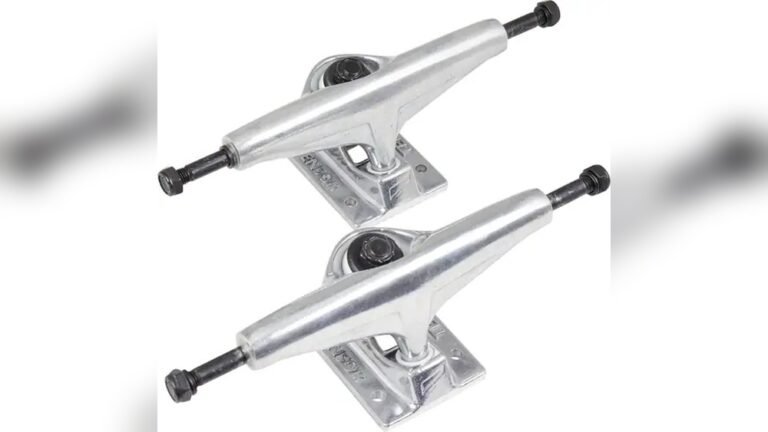
- Trucks: Standard skateboard trucks will work. Ensure they are the correct width for your deck. For cruising, some riders prefer slightly looser trucks for easier turning and carving, but this is a matter of personal preference.
- Bearings: High-quality bearings are essential for any skateboard, but especially for cruising. They ensure a smooth, fast roll. Brands like Bones Bearings or Bronson Speed Co. are highly regarded. Using speed rings can also help reduce friction. For the smoothest ride, ensure your bearings are clean and well-maintained.
Wheel Size Considerations
As mentioned earlier, larger wheels generally provide a better cruising experience. If you’re opting for 93A wheels, consider choosing a diameter on the larger end of the spectrum for this durometer, perhaps in the 56mm to 60mm range. This will help mitigate some of the harshness associated with their hardness and improve their ability to roll over minor imperfections.
Ensure your setup allows for this wheel size without experiencing significant wheel bite, you might need riser pads if you choose larger wheels on a deck with loose trucks.
Maintenance And Care For 93a Wheels
Proper maintenance ensures your 93A wheels perform optimally and last longer, whether you’re cruising or engaging in other forms of skating.
Cleaning Your Wheels And Bearings
- Wheels: Periodically remove your wheels and wipe them down with a damp cloth to remove dirt and grime. This can improve their grip and appearance.
- Bearings: This is more critical. Grit and dirt inside bearings significantly reduce their speed and smoothness. You can clean bearings using a bearing cleaner solution or isopropyl alcohol. After cleaning, ensure they are completely dry before re-lubricating them with a quality bearing lubricant. Properly maintained bearings are crucial for a fast and smooth cruise.
Inspecting For Wear And Damage
- Flat Spots: While 93A wheels are more resistant to flat spots than very soft wheels, aggressive sliding can still cause them. Inspect your wheels for any flattened areas. Significant flat spots will create a bumpy ride and should be addressed by rotating your wheels or replacing them if the damage is severe.
- Cracks: Check the urethane for any cracks, especially around the core or edges. Cracks can lead to wheel failure.
- Uneven Wear: If one side of a wheel is wearing down faster than the other, it might indicate alignment issues with your trucks or a very specific riding style. Rotating your wheels can help ensure more even wear.
Frequently Asked Questions
What Is The Main Advantage Of 93a Wheels For Cruising?
The primary advantage of 93A wheels for cruising is their balance. They offer a faster, more responsive roll on smooth surfaces compared to softer cruiser wheels (like 78A), while still providing more grip and vibration dampening than very hard street wheels (like 99A-101A). This makes them a versatile option for riders who cruise on predominantly smooth terrain and might also engage in light trick riding or park skating.
Are 93a Wheels Good For Rough Streets?
No, 93A wheels are generally not ideal for rough streets. Their hardness means they offer limited shock absorption. Rough surfaces, cracks, pebbles, and debris will be felt much more intensely, leading to an uncomfortable and potentially jarring ride. Softer wheels (78A-87A) are significantly better suited for navigating rougher urban environments due to their superior vibration dampening capabilities.
Can I Do Tricks On A Skateboard With 93a Wheels?
Yes, you can perform basic to intermediate tricks on a skateboard with 93A wheels. They are harder than dedicated cruiser wheels, allowing for better pop off the ground and more controlled slides than very soft wheels. However, they may not offer the same level of grip or slide control as 99A or 101A wheels, which are the standard for technical street and park skating. They represent a compromise for those who want to cruise and dabble in tricks.
How Do 93a Wheels Compare To 99a Wheels For Cruising?
93A wheels are noticeably softer and more comfortable for cruising than 99A wheels. While 99A wheels offer maximum speed and slide capability on very smooth surfaces like skateparks, they transmit significantly more vibration on imperfect pavement, making them quite harsh for cruising. 93A wheels provide a better balance, offering a smoother ride over minor imperfections and more grip, making them a more viable, albeit still not perfect, option for general cruising compared to 99A.