How to Manual And Nose Manual
Mastering the manual and nose manual are quintessential skateboarding tricks that elevate a rider’s control and style. These maneuvers, while seemingly simple, require a delicate balance of weight distribution, core strength, and precise timing. The manual, often referred to as a “wheelie” on a skateboard, involves balancing on the back two wheels, while the nose manual shifts that balance to the front two.
Both tricks are fundamental building blocks for more complex skateboarding maneuvers and are a joy to learn and perform.
Key Takeaways
- The manual is balancing on the back two wheels, while the nose manual is balancing on the front two.
- Both tricks require a strong core, balance, and practice.
- Body positioning is crucial: Keep knees bent, back straight, and eyes looking ahead.
- Board setup can influence difficulty; a slightly larger wheelbase or stiffer bushings might help beginners.
- Progression is key: Start by holding the balance for short durations before extending.
- Practice consistently in a safe, flat area.
- Falling safely is an important skill to develop alongside learning tricks.
The Art Of The Manual: Balancing On Your Back Wheels
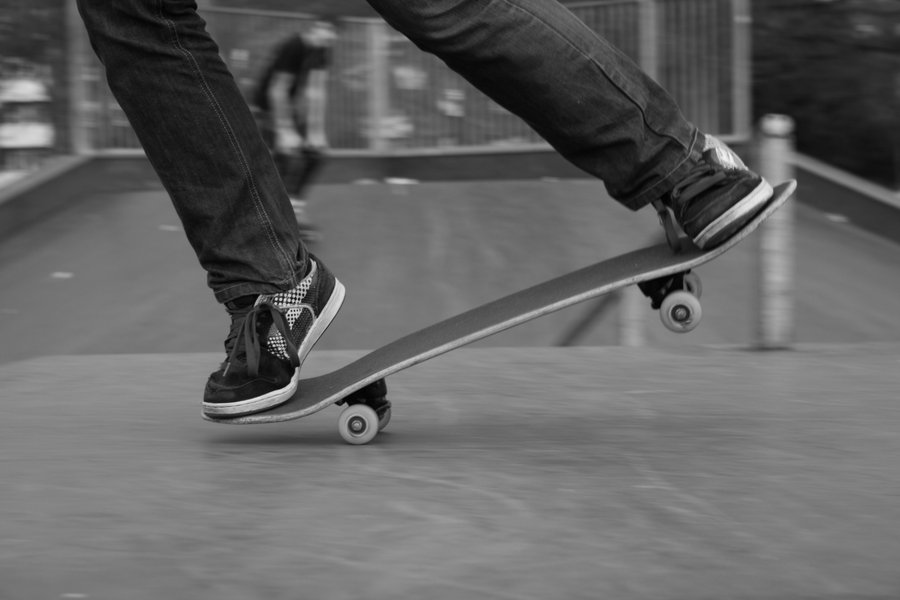
The manual is a foundational skateboarding trick that demonstrates a rider’s finesse and control. It’s the act of lifting the front wheels off the ground and balancing solely on the back two wheels, much like a cyclist performing a wheelie.
Mastering the manual requires patience, consistent practice, and an understanding of how your body weight interacts with the skateboard. It’s not just about lifting the front wheels; it’s about finding and maintaining that sweet spot of equilibrium.
Understanding The Mechanics Of The Manual
At its core, the manual is a feat of physics and proprioception. When you pop the tail of your board, you’re momentarily unweighting the front. The key to initiating and holding a manual is to then shift your weight slightly backward, over the rear truck, while keeping your body centered.
Your arms act as crucial counterbalances, allowing for micro-adjustments to maintain stability. Think of your body as a pendulum; small movements can have significant effects on your balance.
The ideal body position for a manual involves:
- Bent Knees: This lowers your center of gravity and provides a shock-absorbing base.
- Straight Back: A straight back helps maintain a stable, upright posture.
- Eyes Forward: Looking where you’re going, not down at your feet, is vital for anticipating changes in terrain and maintaining balance.
- Core Engaged: A strong core provides the stability needed to make subtle adjustments.
Equipment Considerations For Manuals
While any skateboard can technically perform a manual, certain setups can make the learning process a bit smoother.
- Wheelbase: A slightly longer wheelbase can offer more stability, giving you a larger window to find your balance point. Some riders prefer decks with a wheelbase around 14.25 to 14.5 inches for manual practice. You can check our guide on how to choose a skateboard deck for more insights.
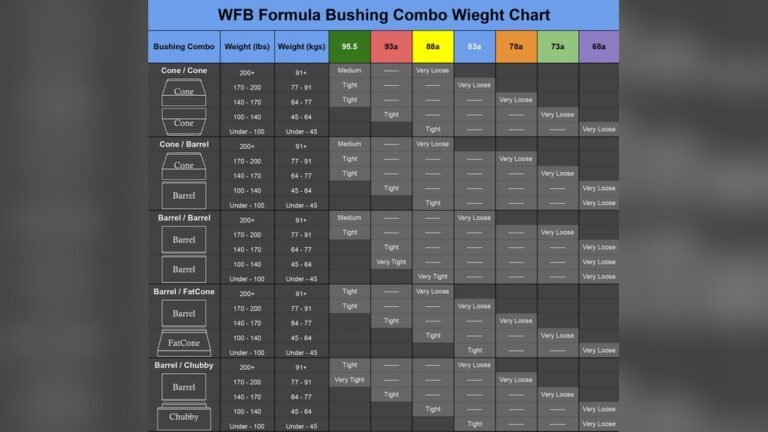
- Bushings: Softer bushings allow for easier turning but can make manualing more challenging as they are less stable. Medium to slightly stiffer bushings might offer more resistance and stability, which can be beneficial when you’re first learning.
- Wheels: While wheel size and durometer don’t directly impact the mechanics of manualing as much as board setup, smoother, harder wheels will roll more easily, allowing you to focus on balance rather than fighting resistance.
Step-by-step Guide To Learning The Manual
Learning the manual is a progressive process. Don’t expect to hold it for long distances on your first try.
- Find a Smooth, Flat Surface: A smooth concrete or asphalt surface is ideal. Avoid cracks, pebbles, or inclines initially.
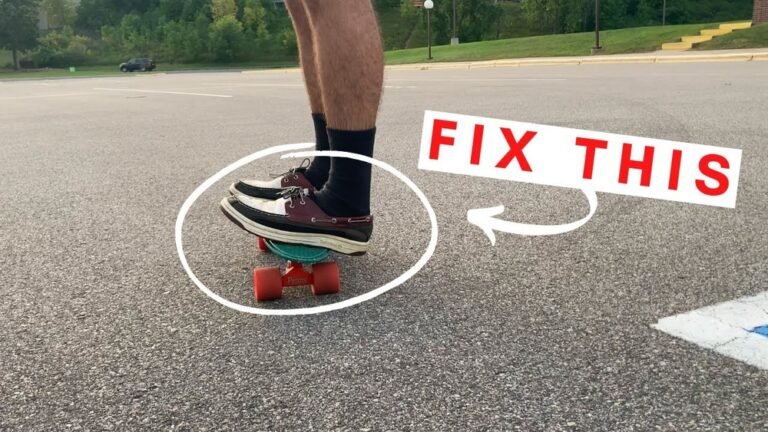
- Position Your Feet: Place your back foot on the tail of the board and your front foot somewhere behind the front bolts, typically a bit further back than you would for riding.
- Pop and Shift: Gently pop the tail of the board, lifting the front wheels. As the front wheels lift, immediately shift your weight slightly backward. You’re aiming to get the front wheels about an inch or two off the ground.
- Find Your Balance Point: This is the critical step. You’ll feel a point where the board feels relatively stable. If you feel like you’re falling backward, shift your weight forward slightly. If you feel like you’re going to tip forward, shift your weight backward.
- Use Your Arms and Core: Extend your arms out to the sides for balance. Engage your core muscles to keep your body stable.
- Look Ahead: Keep your gaze fixed on a point in the distance.
- Practice Short Holds: Focus on holding the manual for just a second or two initially. Gradually increase the duration as you get more comfortable.
- Learn to Bail Safely: As you practice, you’ll inevitably fall. Learn to step off the board backward or to the side. This skill is as important as learning to hold the manual itself.
Common Manual Mistakes And How To Fix Them
- Popping Too Hard: This can cause you to lose control and overshoot your balance point, leading to falling backward. Fix: Focus on a controlled pop and a smooth weight shift.
- Leaning Too Far Back: This is the most common reason for falling backward. Fix: Gently shift your weight forward over the rear truck. Your front foot can also help by applying slight pressure forward.
- Not Engaging the Core: A weak core leads to a wobbly manual. Fix: Consciously tighten your abdominal muscles.
- Looking Down: This throws off your balance. Fix: Force yourself to look ahead.
Credit: tonyhawkgames.fandom.com
The Nose Manual: Mastering The Front Wheels
The nose manual is the inverse of the manual, requiring you to balance on the front two wheels while the back wheels are lifted. This trick demands even greater precision and control than the standard manual, as the front truck is a more sensitive pivot point.
It’s a stylish trick that, once mastered, can add a significant flair to your skateboarding.
The Nuances Of Front-wheel Balance
Balancing on the front two wheels is inherently less stable than balancing on the back two. The front truck has kingpin and bushings that allow for steering, which can make maintaining a straight line more challenging. The key here is to find the balance point over the front truck and use subtle shifts in weight and arm movements to counteract any tendency to tip forward or backward.
The body positioning for a nose manual is similar to a regular manual, but with a slight shift in emphasis:
- Knees Bent: Essential for absorbing shock and making adjustments.
- Back Straight: Crucial for maintaining a stable center of gravity.
- Weight Forward: You need to position your weight over the front truck, but not so far that you tip forward.
- Arms for Balance: Extended arms are critical for making fine adjustments.
Equipment For Nose Manuals
Similar to the manual, equipment can play a role, though it’s often more about rider preference and skill.
- Wheelbase: Some riders find a shorter wheelbase can make nose manuals easier to initiate, as there’s less distance to cover to get over the front truck. However, a shorter wheelbase also means a smaller balance window.
- Bushings: Tighter bushings can provide more stability for nose manuals, reducing the tendency of the board to turn unexpectedly.
How To Execute A Nose Manual
Learning the nose manual often comes after you’ve gained some proficiency with the regular manual.
- Start on a Smooth Surface: As with the manual, a smooth, flat area is best.
- Foot Placement: Place your front foot just behind the front bolts, and your back foot on the tail of the board.
- Initiate the Lift: This is different from a manual. Instead of popping the tail, you’ll use your back foot to *press down* on the tail, lifting the front of the board. Alternatively, you can start by rolling slowly and then gently lifting the tail with your back foot while shifting your weight forward.
- Shift Your Weight Forward: As the nose lifts, shift your weight forward over the front truck. This is where the sensitivity comes in. Too much forward weight, and you’ll fall off the front.
- Find the Balance: You’re looking for that point where the board hovers on the front two wheels. Your arms will be working overtime here to keep you upright.
- Maintain Balance: Use your arms and core to make tiny adjustments. Keep your eyes looking forward.
- Practice Small Holds: Begin by holding the nose manual for very short durations. The goal is to get a feel for the balance point.
- Learn to Bail: Practice stepping off the front or side of the board when you lose balance.
Common Nose Manual Challenges And Solutions
- Falling Forward: This is the most common issue. Fix: You’ve shifted too much weight forward. Try to shift your weight back slightly, or apply a tiny bit of pressure with your back foot on the tail.
- Board Tilting Side to Side: This indicates a lack of core stability. Fix: Engage your core muscles more firmly.
- Difficulty Initiating: Some riders struggle to get the nose to lift and stay up. Fix: Experiment with different ways of lifting the nose, a gentle pop of the tail or a controlled shift of weight while rolling.
- Turning Unintentionally: The front truck’s steering can be tricky. Fix: Focus on keeping your body directly over the board and use your arms for counter-balance, not for steering.

Credit: www.youtube.com
Progression And Practice: Honing Your Balance Skills
Learning the manual and nose manual isn’t a race. It’s a journey of developing muscle memory, understanding your board, and building confidence. Consistent, deliberate practice is the most effective way to improve.
Building Up To Longer Manuals
- Start with Stationary Manuals: Practice popping into a manual and holding it for just a second while standing still. This helps you find the balance point without the added challenge of movement.
- Short Rolls: Once you can hold it for a few seconds stationary, try rolling a few feet. Focus on smooth transitions from riding to manualing and back.
- Gradual Distance Increase: As you get more comfortable, aim to hold the manual for longer distances. Don’t be discouraged by short runs; every successful manual is progress.
- Varying Surfaces: Once you’re confident on smooth surfaces, try manuals on slightly rougher terrain to improve your adaptability.
Integrating Manuals Into Your Riding
- Manuals into Tricks: Once you can hold a manual for a decent distance, start practicing manualing into other tricks. For example, manualing into a kickflip or manualing out of a grind. This requires transitioning smoothly from one state of balance to another.
- Nose Manuals into Transitions: Similarly, practice nose manuals into or out of other tricks. This is advanced but showcases incredible board control.
- Manual Pad Drills: Some skaters use manual pads, specialized equipment designed to help you practice manuals. These can offer a consistent surface and help you focus purely on balance.
The Importance Of Falling Safely
Falling is an inevitable part of learning to skateboard. Developing the skill of falling safely is paramount to progression and injury prevention.
- Tuck and Roll: When you feel yourself losing balance, especially in a manual or nose manual, try to tuck your body and roll if possible. This distributes the impact over a larger area.
- Step Off: If a roll isn’t feasible, try to step off the board as quickly and cleanly as possible, aiming to land on your feet.
- Protect Your Head and Wrists: Wearing a helmet is crucial. If you fall, try to avoid putting your hands straight out to break your fall, as this can lead to wrist injuries.
Credit: www.pinkbike.com
Data And Benchmarks In Manual Progression
While there are no official statistics on how long it takes to learn a manual, anecdotal evidence and skateboarding community discussions offer some insights into typical progression.
| Skill Level | Manual Hold Time (Approx.) | Nose Manual Hold Time (Approx.) | Notes |
|---|---|---|---|
| **Beginner** | 1-3 seconds | <1 second | Focus on initiation and short holds. Learning to bail safely is key. |
| **Novice** | 3-10 seconds | 1-3 seconds | Can hold for short distances, starting to link them with riding. |
| **Intermediate** | 10-30 seconds | 3-8 seconds | Can hold for significant distances, starting to incorporate into tricks. |
| **Advanced** | 30+ seconds | 8+ seconds | Can hold for extended distances, performing manuals and nose manuals with ease. |
*Note: These are approximate benchmarks. Individual progress can vary significantly based on practice frequency, natural ability, and dedication.*
Real-world Examples Of Manual Mastery
You see masterful manuals and nose manuals in skateboarding videos and competitions regularly. Professional skateboarders like Shane O’Neill are known for their incredibly clean and long manuals, often incorporating them seamlessly into complex lines. The ability to hold a manual for an extended period, navigating obstacles and maintaining perfect balance, is a testament to years of dedicated practice.
Similarly, riders performing nose manuals over substantial distances or using them to transition into flip tricks showcase an elite level of board control. These examples serve as inspiration, demonstrating what’s possible with persistent effort.
The Psychological Benefits Of Mastering Balance Tricks
Beyond the physical skill, learning and mastering the manual and nose manual offers significant psychological benefits. Skateboarding, in general, is known for its positive impact on mental well-being, and balance tricks are a prime example of this.
- Increased Confidence: Successfully landing a trick you’ve been working on provides a powerful boost to self-esteem. Each successful manual or nose manual reinforces a sense of accomplishment.
- Improved Focus and Concentration: These tricks demand your full attention. The process of learning them trains your brain to concentrate for extended periods, a skill that can translate to other areas of life. This aligns with findings on why skateboarding is good for mental health.
- Patience and Perseverance: Learning balance tricks is rarely instantaneous. It requires patience with yourself and the perseverance to keep trying after setbacks. This builds resilience.
- Mindfulness: When you’re in a manual, you’re fully present in the moment, acutely aware of your body and the board. This state of flow is akin to mindfulness, reducing stress and promoting a sense of calm.
Safety And Injury Prevention While Practicing
While learning manuals, safety should always be a top priority. The risk of falling is inherent, and taking precautions can significantly reduce the chance of injury.
Essential Safety Gear
- Helmet: Non-negotiable for any skateboarder, especially when learning new tricks. Protect your brain.
- Pads: Knee pads and elbow pads can prevent scrapes and bruises, making the learning process less painful.
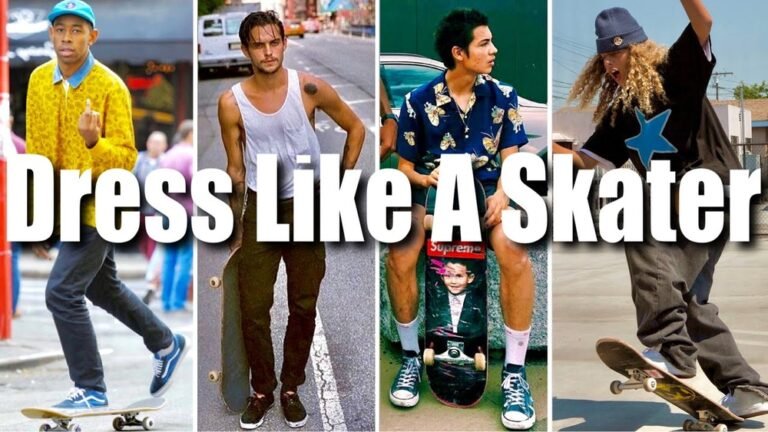
- Skate Shoes: Proper skate shoes offer grip and support, helping you maintain control of the board and cushioning your feet. Our guide on what to wear for skateboarding provides more details.
Choosing The Right Practice Environment
- Smooth Surfaces: Always start on the smoothest, flattest, and clearest surface available. Avoid busy streets, busy skateparks, or areas with lots of obstacles.
- Low Traffic Areas: Practicing in areas with minimal foot or vehicle traffic reduces the risk of collisions.
- Familiar Terrain: Stick to terrain you know well until you’re comfortable with the tricks.
Understanding Board Maintenance
A well-maintained skateboard is a safer skateboard.
- Check Trucks: Ensure your truck bolts are tightened appropriately. Loose trucks can lead to wobbles and instability.
- Inspect Deck: Look for cracks or significant wear on your skateboard deck, especially around the edges and where the trucks are mounted. A compromised deck can break unexpectedly. Check out our article on pressure cracks on skateboard to learn more.
- Clean Bearings: Clean and lubricated bearings allow your wheels to spin freely, making it easier to maintain momentum for manuals.
Frequently Asked Questions
What Is The Difference Between A Manual And A Nose Manual?
The primary difference lies in which wheels you balance on. A manual is balancing on the back two wheels, with the front wheels lifted. A nose manual is balancing on the front two wheels, with the back wheels lifted.
How Long Does It Typically Take To Learn A Manual?
The time it takes to learn a manual varies greatly from person to person. For some, it might take a few hours of consistent practice to hold a short manual. For others, it could take weeks or even months to achieve a comfortable hold.
Factors like prior balance experience, dedication to practice, and natural coordination play significant roles.
Should I Learn Manuals Or Nose Manuals First?
It is generally recommended to learn the manual (balancing on the back wheels) first. This trick is typically considered easier to learn and control because the back truck offers a more stable pivot point than the front truck, which is designed for steering. Once you’ve mastered the manual, you can then progress to the more challenging nose manual.
What Kind Of Skateboard Is Best For Learning Manuals?
While any skateboard can be used, a board with a slightly longer wheelbase (around 14.25 to 14.5 inches) can offer more stability, making it easier for beginners. Stiffer truck bushings can also help provide a more stable platform. However, the most important factor is a skateboard that is well-maintained and comfortable for you to ride. For more on choosing a deck, see our guide on choosing a skateboard deck.
What Are The Most Common Mistakes Beginners Make When Learning Manuals?
The most common mistakes include popping the tail too hard, leading to falling backward; leaning too far back without proper counter-balance; not engaging the core for stability; and looking down at their feet instead of ahead. For nose manuals, the most frequent error is shifting too much weight forward, causing a fall off the front of the board.
Mastering the manual and nose manual are significant milestones in a skateboarder’s journey. They are not just tricks but fundamental skills that enhance board control, build confidence, and open doors to more advanced skateboarding. The process requires dedication, patience, and a commitment to consistent practice.
By understanding the mechanics, practicing diligently, prioritizing safety, and celebrating small victories, any skateboarder can eventually achieve the fluid balance and stylish control that these iconic tricks represent. The journey of learning these maneuvers is as rewarding as the execution itself, offering both physical and mental benefits that extend far beyond the skatepark.