Does Skateboarding Help You Lose Weight
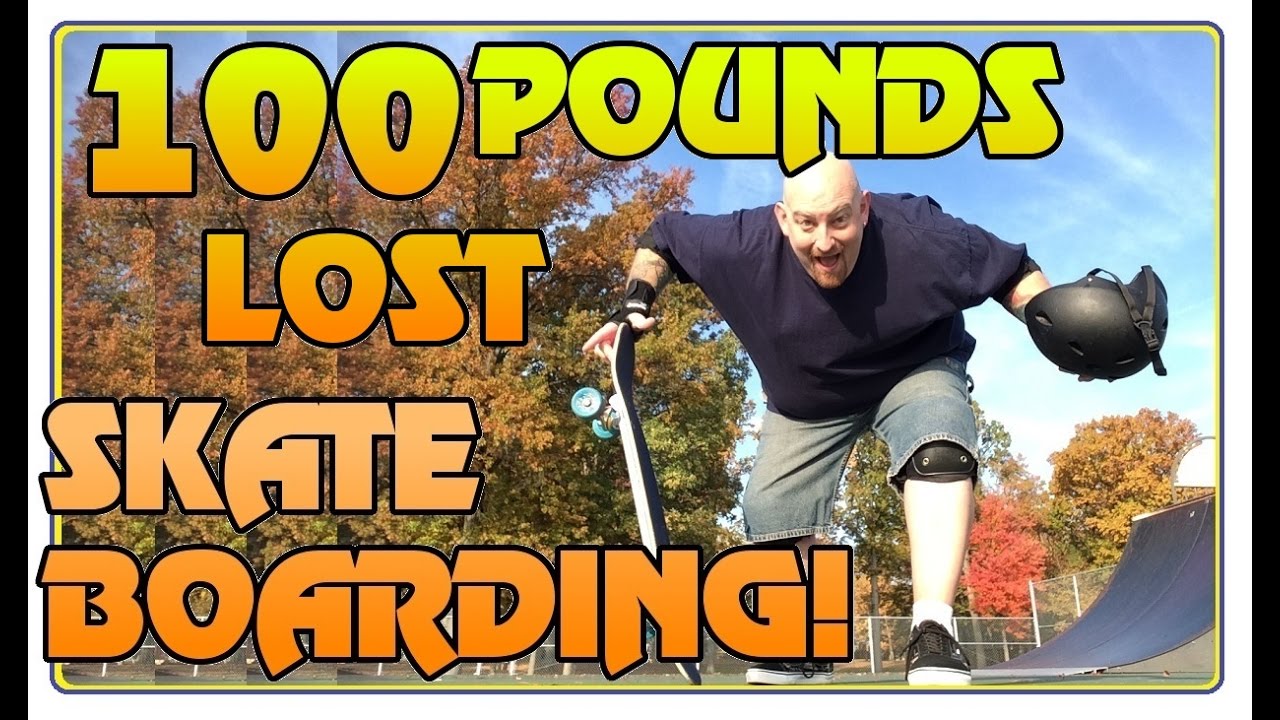
Skateboarding offers a dynamic and engaging way to improve your physical fitness, and for many, the question arises: can this exhilarating activity also be a powerful tool for weight loss? The answer is a resounding yes. By engaging multiple muscle groups and elevating your heart rate, skateboarding burns calories, builds lean muscle, and contributes to a healthier metabolism, all while providing a sense of freedom and fun.
Beyond the physical exertion, the mental benefits of skateboarding are equally significant. The focus required to balance, maneuver, and learn new tricks can significantly reduce stress and improve mood, complementing the physical journey towards a healthier weight. This holistic approach makes skateboarding a compelling option for anyone looking to shed pounds and enhance their overall well-being.
Key Takeaways
- Calorie Burn: Skateboarding is a high-intensity activity that can burn a significant number of calories, directly contributing to a caloric deficit necessary for weight loss.
- Muscle Engagement: It works a wide range of muscles, including legs, core, and arms, leading to increased muscle mass which boosts metabolism.
- Cardiovascular Health: Regular skateboarding improves heart health, stamina, and endurance, essential components of a healthy lifestyle.
- Mental Well-being: The activity is a proven stress reliever, enhancing mental health which is crucial for sustained weight management efforts.
- Consistency is Key: Like any fitness regimen, consistent skateboarding practice is vital for achieving and maintaining weight loss results.
- Balanced Approach: Skateboarding is most effective for weight loss when combined with a balanced diet and other forms of exercise.
Credit: www.youtube.com
The Calorie-burning Power Of Skateboarding
Skateboarding is far from a passive hobby; it’s a full-body workout that can torch a surprising amount of calories. The intensity of the activity dictates the exact burn, but even casual cruising can contribute significantly to your daily energy expenditure.
When you push off, balance, and navigate obstacles, your body is working hard. This constant movement and engagement of muscles translate directly into calories burned, forming the foundation of weight loss.
The sustained effort required to maintain speed and control on a skateboard elevates your heart rate into a fat-burning zone. This cardiovascular challenge not only aids in immediate calorie expenditure but also improves your overall cardiovascular fitness, making you more efficient during subsequent sessions.
For those looking to increase their daily calorie burn without the monotony of traditional cardio machines, skateboarding offers an exciting alternative.
Estimating Calorie Expenditure
Estimating the precise number of calories burned while skateboarding can vary based on several factors, including body weight, intensity of the session, duration, and the type of skateboarding being performed. For instance, a heavier individual will naturally burn more calories than a lighter individual performing the same activity.
Similarly, aggressive street skating or downhill longboarding will typically burn more calories than leisurely cruising.
According to Harvard Health Publishing, a person weighing around 155 pounds can burn approximately 240 calories in 30 minutes of moderate skateboarding. If that same person engages in vigorous skateboarding, the calorie burn can jump to over 300 calories in 30 minutes.
This data highlights the potential of skateboarding as a significant calorie-burning activity.
Here’s a general comparison table illustrating estimated calorie burn for different activities, including skateboarding:
| Activity | Calories Burned (per 30 minutes, 155 lb person) |
|---|---|
| Skateboarding (moderate) | 240 |
| Skateboarding (vigorous) | 300+ |
| Running (5 mph) | 298 |
| Cycling (moderate) | 298 |
| Walking (3.5 mph) | 149 |
| Swimming (leisurely) | 223 |
*Note: These are estimates and can vary significantly based on individual factors and specific activity intensity.*
Beyond Cruising: The Impact Of Different Skateboarding Styles
The type of skateboarding you engage in can dramatically influence calorie expenditure. Simple cruising involves less intense effort, primarily focusing on maintaining momentum. However, as you progress to more dynamic forms of skateboarding, the calorie burn intensifies.
- Street Skating: This style involves performing tricks like ollies, grinds, and manuals on urban obstacles such as stairs, rails, and ledges. The constant pushing, jumping, and repositioning required for street skating elevates the heart rate and engages stabilizer muscles, leading to a higher calorie burn. Learning easy skateboard tricks for beginners is a great starting point to increase intensity.
- Vert Skating: Performed on half-pipes or full pipes, vert skating involves riding up and down the curved walls, performing aerial tricks. The repetitive motion of riding up and down, combined with the explosive power needed for tricks, makes this a very demanding activity in terms of calorie expenditure.
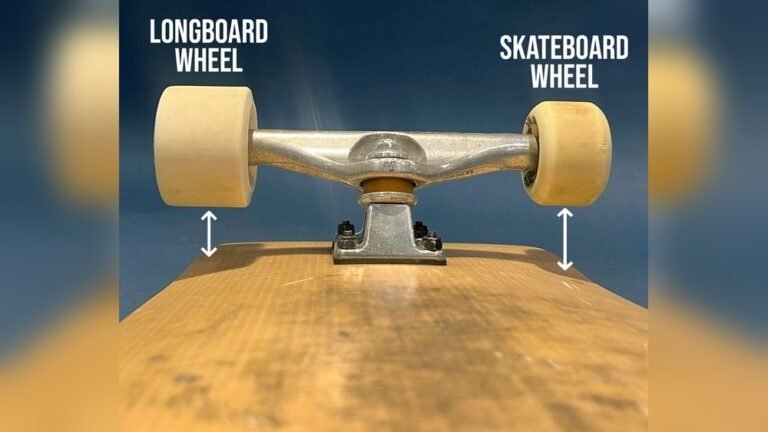
- Longboarding: While often associated with downhill speed or cruising, longboarding can also be a significant calorie burner, especially when incorporating carving techniques or riding uphill. The longer wheelbase and larger wheels can make it easier to maintain momentum, but the sustained effort for propulsion and control still contributes to a good workout. The history of longboarding shows its evolution into various riding styles.
- Freestyle Skateboarding: This discipline focuses on technical flatground tricks, often involving intricate footwork and board manipulation. While it may seem less physically demanding than vert or street skating, the precision and repetitive nature of practicing these tricks can still lead to a substantial calorie burn over time.

Credit: www.youtube.com
Building Muscle And Boosting Metabolism
Weight loss isn’t just about burning calories; it’s also about building a body that burns calories more efficiently. Skateboarding excels in this area by engaging a wide array of muscles, leading to increased lean muscle mass. Muscle tissue is metabolically active, meaning it burns calories even at rest.
The more muscle you have, the higher your resting metabolic rate, making it easier to maintain a healthy weight long-term.
When you skateboard, you’re not just working your legs. Your core muscles are constantly engaged to maintain balance and stability. Your arms and shoulders are used for pushing and steering, and your back muscles play a crucial role in posture and control.
This comprehensive muscle engagement contributes to overall strength and toning, not just weight loss.
Key Muscle Groups Targeted
- Legs: Quadriceps, hamstrings, calves, and glutes are heavily involved in pushing off, balancing, and absorbing impact. The repetitive motion of pushing builds endurance and strength in these key lower body muscles.
- Core: Abdominal muscles, obliques, and lower back muscles work overtime to keep you balanced and stable, especially when performing tricks or navigating uneven terrain. A strong core is fundamental for efficient movement and injury prevention.
- Glutes: The gluteal muscles are essential for powerful pushing and maintaining an upright posture.
- Calves: These muscles are continuously engaged for balance and propulsion.
- Arms and Shoulders: While not primary movers, these are engaged for pushing, balancing, and sometimes for tricks or recovering from falls.
The Role Of Muscle Mass In Metabolism
The metabolic benefits of increased muscle mass are well-documented. For every pound of muscle gained, your body can burn an additional 50-100 calories per day at rest. Over time, this can add up significantly, making it easier to manage your weight.
Skateboarding, by promoting strength training through dynamic movements and balance challenges, helps build this valuable lean muscle.
A study published in the Journal of Strength and Conditioning Research found that resistance training, which skateboarding inherently incorporates, is effective in increasing resting metabolic rate. While skateboarding isn’t solely a resistance exercise, the constant demands placed on muscles to stabilize and propel the body contribute to muscle hypertrophy (growth) and increased metabolic activity.
Cardiovascular Health And Endurance Benefits
Skateboarding is an excellent cardiovascular workout. When you’re actively riding, your heart rate increases, and your cardiovascular system works harder to deliver oxygen to your muscles. Regular sessions can lead to significant improvements in heart health, lung capacity, and overall endurance.
This enhanced cardiovascular fitness not only supports weight loss by allowing you to exercise for longer durations and at higher intensities but also offers numerous health benefits, reducing the risk of heart disease and other chronic conditions.
The sustained aerobic activity involved in skateboarding strengthens the heart muscle, lowers resting heart rate, and improves blood circulation. This means your body becomes more efficient at using oxygen, which translates to feeling less fatigued during physical activities and even during daily tasks.
Improving Heart Function
Engaging in activities that elevate your heart rate, like skateboarding, strengthens the heart muscle. A stronger heart can pump blood more effectively, requiring fewer beats per minute to circulate the same amount of blood. This can lead to a lower resting heart rate and blood pressure, both key indicators of good cardiovascular health.
According to the American Heart Association, regular aerobic exercise can reduce your risk of heart disease by improving cholesterol levels, lowering blood pressure, and helping to maintain a healthy weight. Skateboarding fits perfectly into this recommendation, offering a fun and engaging way to achieve these benefits.
Enhancing Stamina And Endurance
As you become more proficient and consistent with skateboarding, your stamina and endurance will naturally increase. You’ll find yourself able to ride for longer periods without feeling fatigued, and your ability to tackle hills or perform more demanding maneuvers will improve.
This increased endurance is a direct result of your cardiovascular system becoming more efficient and your muscles adapting to the demands of the activity.
This improved endurance is not only beneficial for skateboarding itself but also translates to other areas of your life. You’ll likely find you have more energy throughout the day and can participate in other physical activities with greater ease.

Credit: doseskateboarding.com
Mental Health And Stress Reduction
The connection between physical activity and mental well-being is profound, and skateboarding is no exception. The focus required to master tricks, navigate obstacles, and maintain balance can act as a form of active meditation, helping to clear the mind and reduce stress.
This mental component is crucial for sustainable weight loss, as stress can often lead to emotional eating and hinder progress.
The sense of accomplishment that comes with learning a new trick or successfully landing a challenging maneuver provides a significant boost to self-esteem and confidence. This positive reinforcement can be incredibly motivating, encouraging continued engagement with the activity and a healthier lifestyle overall. Skateboarding can be a powerful tool for improving mental health, as explored in articles like Why Skateboarding is Good for Mental Health: Boost Your Wellbeing.
The Mind-body Connection
Skateboarding demands a high level of concentration. You need to be aware of your surroundings, anticipate your movements, and react quickly to changes. This intense focus can help to distract from daily worries and anxieties, providing a mental escape. The rhythmic motion of riding and the physical exertion can also release endorphins, which are natural mood boosters.
This active engagement of the mind and body can help to mitigate the effects of stress hormones like cortisol, which are known to contribute to weight gain, particularly around the abdominal area.
Building Confidence And Self-esteem
Learning to skateboard, especially as an adult or as a beginner, involves overcoming challenges and pushing past perceived limitations. Each small victory, whether it’s successfully balancing for a few seconds, making a turn, or landing a basic trick, builds confidence.
This increased self-efficacy can spill over into other aspects of your life, empowering you to tackle other health and fitness goals.
The skateboarding community itself often fosters a supportive environment, where encouragement and shared passion can further enhance mental well-being. Understanding skateboarding culture explained can highlight this aspect.
Integrating Skateboarding Into A Weight Loss Plan
While skateboarding offers significant benefits for weight loss, it’s most effective when integrated into a holistic approach that includes a balanced diet and potentially other forms of exercise. Relying solely on skateboarding without addressing dietary habits will likely yield slower results.
The key is consistency and sustainability. Finding ways to incorporate skateboarding regularly into your routine will maximize its benefits. This might mean dedicating specific days for longer sessions, using your skateboard for short commutes, or simply finding time for casual rides a few times a week. For those new to the sport, learning how to learn skateboarding as an adult is a great start.
The Importance Of Diet
No exercise program can outrun a poor diet. To achieve sustainable weight loss through skateboarding, it’s crucial to complement your physical activity with healthy eating habits. This involves consuming a balanced diet rich in whole foods, lean proteins, fruits, vegetables, and healthy fats, while moderating processed foods, sugary drinks, and excessive unhealthy fats.
Focus on creating a caloric deficit by consuming fewer calories than you burn. Skateboarding helps increase the “calories out” side of the equation, while mindful eating manages the “calories in” side.
Combining Skateboarding With Other Activities
To achieve optimal results and prevent plateaus, consider diversifying your fitness routine. While skateboarding is excellent for cardiovascular health and leg strength, incorporating other activities can provide a more comprehensive workout and target different muscle groups.
- Strength Training: Adding bodyweight exercises (push-ups, squats, lunges) or weight training can further enhance muscle building and boost metabolism.
- Flexibility and Mobility: Yoga or stretching can improve range of motion, prevent injuries, and aid in recovery.
- Cross-Training: Activities like swimming or cycling can provide a lower-impact cardio alternative and work different muscle groups.
Creating A Sustainable Routine
The most effective weight loss plan is one you can stick with long-term. For skateboarding, this means finding ways to make it enjoyable and accessible.
- Set Realistic Goals: Start with achievable targets, such as skateboarding for 20-30 minutes, three times a week, and gradually increase duration and frequency.
- Find a Skate Spot: Locate a safe and enjoyable place to skate, whether it’s a local skatepark, a quiet street, or a dedicated path.
- Skate with Friends: Exercising with others can increase motivation and make the experience more fun.
- Vary Your Routes: Explore new areas to keep your rides interesting and challenging.
- Listen to Your Body: Rest when needed and avoid overexertion to prevent injuries.
Potential Challenges And How To Overcome Them
While skateboarding offers numerous benefits for weight loss, it’s important to acknowledge potential challenges and plan accordingly. The risk of injury is a primary concern, especially for beginners or those attempting advanced tricks. However, with proper precautions and gradual progression, these risks can be significantly mitigated.
Another challenge can be the learning curve. Mastering skateboarding takes time, patience, and persistence. It’s easy to get discouraged by falls or slow progress. Maintaining a positive mindset and focusing on incremental improvements is key.
Injury Prevention
- Wear Protective Gear: Always use a helmet, knee pads, elbow pads, and wrist guards. This is non-negotiable, especially when learning or pushing your limits. Proper gear can protect against common injuries like scrapes, bruises, and fractures.
- Start Slow and Progress Gradually: Don’t try to attempt advanced tricks or high-speed riding immediately. Begin with basic balance, pushing, and turning. Gradually increase the difficulty as your skills and confidence grow. Consider learning how to teach a kid to skateboard to understand the foundational principles of teaching and learning safely.
- Learn to Fall: Falling is an inevitable part of skateboarding. Learning how to fall safely, by rolling and distributing impact, can significantly reduce the risk of serious injury.
- Choose Appropriate Equipment: Ensure your skateboard is the right size and type for your needs. A well-maintained board from a reputable manufacturer, such as those detailed in a skateboard manufacturers guide, can enhance safety and performance.
- Warm-up and Cool-down: Before each session, perform a light warm-up to prepare your muscles. After skating, engage in stretching to improve flexibility and aid recovery.
Overcoming The Learning Curve
- Patience and Persistence: Understand that learning to skateboard is a process. There will be ups and downs (literally). Celebrate small victories and don’t get discouraged by setbacks.
- Seek Instruction: Consider taking lessons from a qualified instructor or watching tutorials. Learning proper techniques from the start can prevent bad habits and speed up progress.
- Practice Regularly: Consistency is more important than long, infrequent sessions. Short, regular practice sessions will lead to faster skill development.
- Find a Supportive Community: Skateboarding with others who are at a similar skill level can provide encouragement and motivation.
Environmental Factors
- Skating Surface: Choose smooth, clean surfaces free of debris, cracks, and significant inclines when you’re starting. Well-maintained skateparks or smooth, quiet streets are ideal.
- Weather Conditions: Extreme heat, cold, rain, or ice can make skateboarding dangerous and uncomfortable. Be mindful of the weather and adjust your skating times or locations accordingly.
Case Study: Sarah’s Skateboarding Weight Loss Journey
Sarah, a 32-year-old marketing professional, had struggled with her weight for years. She had tried various diets and gym routines but found them monotonous and difficult to stick to. Feeling uninspired, she decided to try something new and picked up a skateboard for the first time in over a decade.
Initially, Sarah’s sessions were short, lasting only 15-20 minutes, and focused on simply cruising around her neighborhood. She invested in a good quality skateboard and all the necessary safety gear. She combined her newfound hobby with a commitment to eating more whole foods and reducing her intake of processed snacks.
Within the first month, Sarah noticed an improvement in her energy levels and a slight decrease in her waistline. She continued to skate 3-4 times a week, gradually increasing the duration of her sessions to 45 minutes. She also started incorporating some basic flatground tricks, which made her rides more engaging and challenging.
After six months, Sarah had lost 15 pounds. More importantly, she felt stronger, more confident, and had developed a genuine passion for skateboarding. She found that the mental benefits, the focus required and the sense of accomplishment, were just as impactful as the physical ones.
Her journey illustrates how skateboarding, when combined with healthy lifestyle choices, can be a highly effective and enjoyable path to weight loss.
Frequently Asked Questions
Is Skateboarding A Good Way To Lose Belly Fat?
Skateboarding contributes to overall fat loss, which includes belly fat, by burning a significant number of calories and increasing metabolism through muscle building. However, spot reduction (losing fat from a specific area) is largely a myth. Sustainable weight loss through a combination of diet and exercise will lead to a reduction in belly fat over time.
How Often Should I Skateboard To Lose Weight?
For noticeable weight loss results, aim for consistency. Skateboarding for at least 30-60 minutes, 3-5 times per week, is a good target. The intensity of your sessions and your overall calorie intake will also play a crucial role. It’s important to listen to your body and allow for rest days.
Can Skateboarding Replace My Gym Routine?
Skateboarding provides excellent cardiovascular exercise and builds lower body and core strength. However, it may not fully replace a comprehensive gym routine that targets all major muscle groups for balanced strength development. Incorporating some strength training alongside skateboarding can lead to more holistic fitness and weight loss results.
What Are The Risks Of Skateboarding For Weight Loss?
The primary risk associated with skateboarding is injury, ranging from minor scrapes and bruises to more serious fractures or sprains. This is particularly true for beginners or those attempting difficult tricks. Wearing appropriate protective gear, learning proper technique, and progressing gradually can significantly minimize these risks.
How Long Does It Take To See Weight Loss Results From Skateboarding?
Weight loss is a gradual process and varies greatly among individuals. With consistent skateboarding (3-5 times per week) and a healthy diet, many people start to notice changes within 4-8 weeks. Significant, sustainable weight loss typically takes several months of consistent effort.
Skateboarding offers a unique and effective avenue for weight loss by combining calorie expenditure, muscle building, and cardiovascular improvement with significant mental health benefits. Its dynamic nature keeps the activity engaging, making it easier to maintain consistency compared to more mundane forms of exercise.
By integrating skateboarding into a balanced lifestyle that includes a nutritious diet and mindful practice, individuals can achieve their weight loss goals while enjoying the freedom and exhilaration of riding. The journey on four wheels can indeed be a powerful path to a healthier, happier you.