Is Tony Hawk Pro Skater Goofy Or Regular
The world of skateboarding, both real and virtual, is defined by a fundamental stance: goofy or regular. This choice dictates how a skater positions their feet on the board, influencing their approach to tricks, grinds, and even basic riding. In the iconic *Tony Hawk’s Pro Skater* (THPS) video game series, this distinction is not just an aesthetic detail; it’s a core gameplay mechanic that allows players to embody their preferred riding style or experiment with new ones. Understanding whether Tony Hawk himself, and by extension the game’s mechanics, lean towards goofy or regular is key to grasping the nuance of the series and the broader skateboarding world it represents.
For many, the THPS games were their first introduction to skateboarding terminology and culture. The ability to customize skaters, choose their stance, and execute complex maneuvers made the virtual experience incredibly immersive. This personalization extended to the fundamental choice of stance, mirroring the real-world decision every skater faces.
Whether you naturally feel more comfortable with your left foot forward (regular) or your right foot forward (goofy), the game accommodates it, allowing for a more authentic and engaging play experience. The question of Tony Hawk’s personal stance, and how it translates into the game’s design, often sparks curiosity among fans and newcomers alike, touching upon the very essence of what makes skateboarding dynamic.
Key Takeaways
- Tony Hawk rides regular: The legendary skateboarder Tony Hawk, who is the namesake and a key figure in the *Tony Hawk’s Pro Skater* series, predominantly rides in the regular stance (left foot forward).
- Game mechanics support both stances: The *Tony Hawk’s Pro Skater* video game series allows players to choose between goofy (right foot forward) and regular stances for their custom skaters and even for the iconic pros.
- Stance impacts gameplay: In THPS, your chosen stance affects the direction of spins, grinds, and the overall feel of performing tricks, offering a layer of customization and realism.
- Majority of skaters are regular: While both stances are equally valid, statistical observations and anecdotal evidence suggest that a larger percentage of skateboarders ride in the regular stance.
- Choosing a stance is personal: The decision between goofy and regular is typically based on natural inclination, balance, and comfort, rather than any inherent advantage of one over the other.
- THPS offers a realistic simulation: The game’s faithful representation of skateboarding stances contributes to its enduring appeal and its role as an accessible entry point into skate culture for millions.
Credit: www.wired.com
Understanding Skateboarding Stances: Goofy Vs. Regular
The fundamental difference in skateboarding, and indeed many board sports, lies in the rider’s stance. This refers to the position of the feet on the board. There are two primary stances: regular and goofy. This choice is often one of the first decisions a new skater makes, and it profoundly influences how they approach every aspect of riding.
The Regular Stance
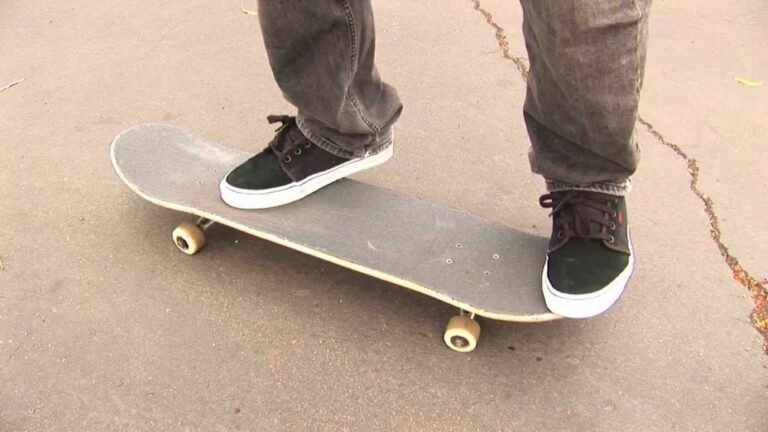
A skater who rides regular has their left foot forward on the skateboard. When facing forward, their left foot is closer to the nose of the board, and their right foot is at the tail. This stance is generally considered the more common of the two. Many people naturally feel more comfortable placing their dominant foot behind them for pushing and their other foot forward for balance and control.
The Goofy Stance
Conversely, a skater who rides goofy has their right foot forward on the skateboard. In this position, their right foot is closer to the nose, and their left foot is at the tail. While less common than the regular stance, the goofy stance is equally valid and functional. Many professional skateboarders, surfers, and snowboarders ride goofy.
How To Determine Your Natural Stance
If you’re new to skateboarding or curious about your own natural stance, there are simple tests you can do. One common method is to have someone gently push you from behind. The foot you instinctively step forward with to regain balance is often your front foot.
Another method involves imagining you are kicking a ball; the foot you would use is likely your back foot in skateboarding. You can also try sliding on a slippery floor, the foot you naturally put forward to slide is often your front foot.

Credit: www.reddit.com
Tony Hawk’s Personal Stance
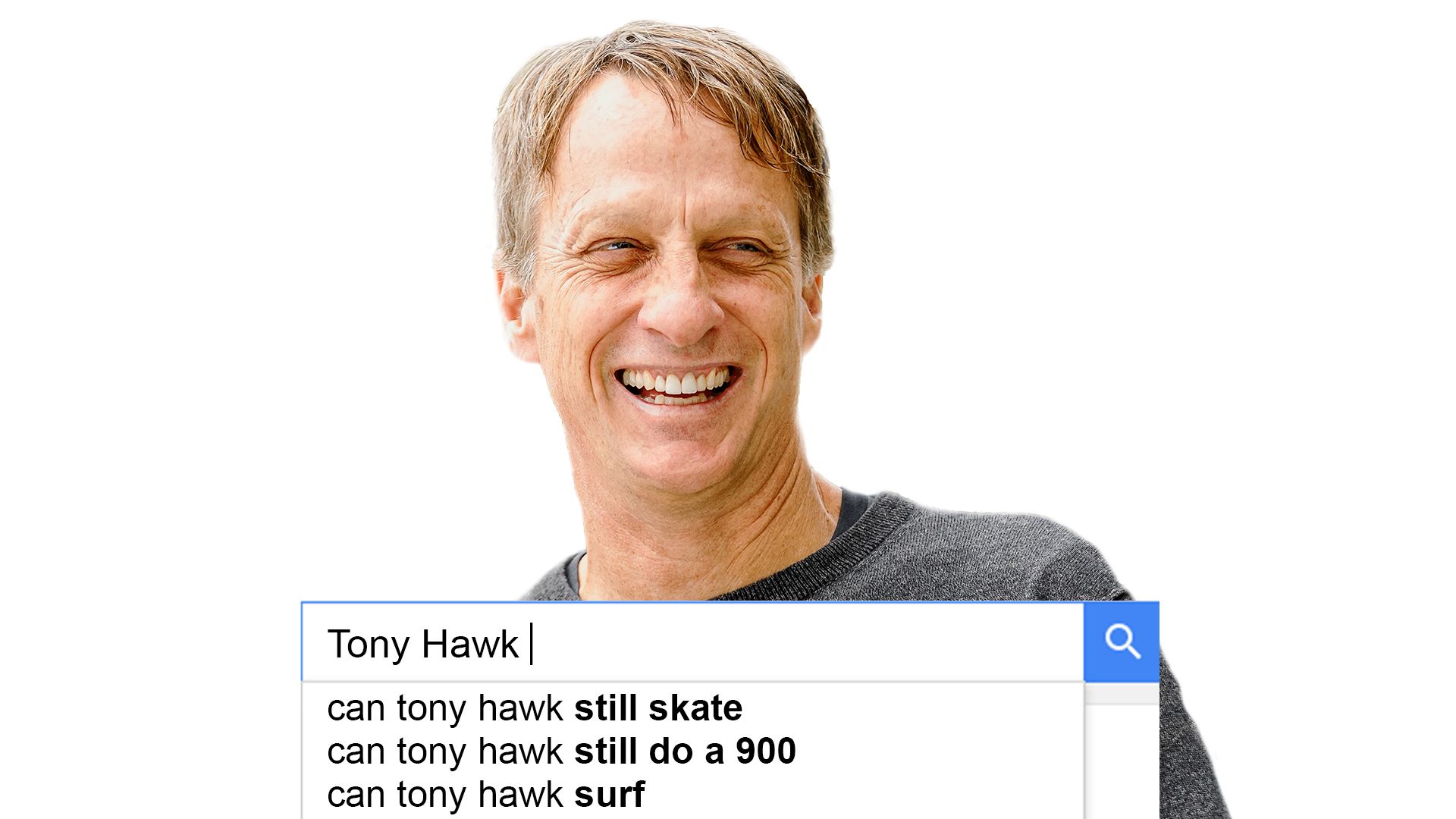
Tony Hawk, the undisputed king of vert skateboarding and the namesake of the beloved video game franchise, is famously a regular-footed skater. This means his left foot is forward on the board. Throughout his illustrious career, from his early days as a competitive prodigy to his current status as a global icon, Tony Hawk has consistently demonstrated his skills riding with his left foot leading.
His mastery of the regular stance has inspired countless skaters worldwide. For many fans, seeing Tony Hawk effortlessly perform gravity-defying aerials and complex tricks in his regular stance solidified the image of what a professional skateboarder looks like. This personal preference naturally influenced the representation of the sport and its athletes.
Impact On The Game’s Design
Given Tony Hawk’s personal preference, it might be assumed that the game would inherently favor the regular stance. However, the *Tony Hawk’s Pro Skater* series was designed with inclusivity and realism in mind, aiming to capture the essence of skateboarding for a broad audience.
This meant acknowledging that not everyone rides like Tony. The developers ensured that players could choose their stance, reflecting the diversity within the skateboarding community.
Legacy And Influence
Tony Hawk’s consistent dedication to his regular stance has made it synonymous with professional skateboarding excellence for many. His influence extends beyond his personal riding style; it’s woven into the fabric of the sport’s cultural narrative. For fans of the games, understanding Tony Hawk’s stance adds another layer of appreciation for the legend and the authentic experience the games strive to provide.
The Tony Hawk’s Pro Skater Series And Stance Customization
The *Tony Hawk’s Pro Skater* (THPS) series is renowned for its groundbreaking gameplay, realistic physics, and faithful representation of skateboarding culture. A crucial element contributing to this authenticity is the ability for players to select their preferred stance, whether it be goofy or regular, for both custom skaters and the professional athletes featured in the game. This feature was a significant innovation, allowing players to personalize their experience and connect with the game on a deeper level.
Stance Options In The Games
From the very first installment, released in 1999, players were presented with the option to choose their skater’s stance. This wasn’t merely a cosmetic choice; it had tangible effects on gameplay. When a player selected “regular,” their skater would place their left foot forward.
Conversely, selecting “goofy” would orient the skater with their right foot forward. This choice influenced how tricks were performed, particularly spins and grinds, adding a layer of strategic depth and personal expression.
How Stance Affects Gameplay
The difference in stance manifests in several key ways within the THPS games:
- Trick Direction: Many tricks involve rotations. A skater in the regular stance will naturally spin in one direction (e.g., counter-clockwise for a fakie 360), while a goofy skater will spin in the opposite direction (e.g., clockwise for a fakie 360). The game accurately reflects these directional differences.
- Grinds and Lip Tricks: The approach to rails and ledges, as well as the foot placement during grinds and lip tricks, differs based on stance. A 50-50 grind on a rail, for instance, will have the skater’s front foot on one side of the rail for regular and the other side for goofy.
- Manuals and Nose Manuals: While the core mechanic remains the same, the subtle adjustments in weight distribution and foot placement to maintain balance in a manual or nose manual can feel different depending on your chosen stance.
This attention to detail ensures that players can replicate their real-world riding preferences or experiment with a different style, enhancing the immersive quality of the game. It’s this commitment to simulating the nuances of skateboarding that has cemented the THPS series’ legacy. The ability to customize your skater, including their stance, is a core part of the skateboarding experience that the games successfully translated to a digital format.
Iconic Pros And Their Stances
The THPS series features a roster of legendary professional skateboarders, each with their own signature style and, importantly, their own stance. While Tony Hawk is famously regular, other pros represented in the game have different preferences. For instance, Rodney Mullen, a pioneer of street skateboarding and many of its fundamental tricks, is also a regular-footed skater.
However, skaters like Danny Way, who is known for pushing the boundaries of big air and vert, rides goofy.
The inclusion of these pros, with their accurately represented stances, further deepens the game’s authenticity. Players can choose to play as their favorite skater, experiencing their unique style and approach to the virtual skatepark. This fidelity to real-world skateboarding, down to the subtle but significant detail of foot placement, is a testament to the developers’ dedication and a key reason for the series’ enduring popularity.
It allows players to connect with the sport and its heroes on a more personal level.

Credit: www.reddit.com
The Skater Demographic: Goofy Vs. Regular Prevalence
When discussing stances in skateboarding, a common question arises: are more people goofy or regular? While both stances are equally valid and functional for skateboarding, statistical observations and anecdotal evidence from the skateboarding community suggest that the regular stance is more common. This phenomenon is not unique to skateboarding; similar trends can be observed in other board sports like surfing and snowboarding, and even in general handedness or footedness.
Statistical Observations
While precise global statistics are difficult to pin down due to the informal nature of the sport and the lack of dedicated surveys, numerous informal polls and observations within the skateboarding community indicate a higher prevalence of regular-footed skaters. For example, online forums and skateboarding websites frequently conduct polls where the majority of respondents identify as regular.
Some estimates suggest that roughly 60-70% of skateboarders ride regular, with the remaining 30-40% riding goofy. However, it’s crucial to note that these figures are not based on rigorous scientific studies and should be treated as general indicators.
Why The Discrepancy?
The reasons behind this demographic split are not fully understood and are likely multifactorial. One leading theory connects it to dominant footedness. Most people are right-handed, and it’s often observed that their dominant hand corresponds to their back foot in skateboarding (i.e., right-handed people tend to be regular-footed). Conversely, left-handed individuals are more likely to be goofy-footed. While not a perfect correlation, this tendency plays a significant role for many.
Another factor could be the influence of early exposure and instruction. In sports where a specific stance is predominantly taught or demonstrated by influential figures, newcomers might unconsciously adopt that stance. Given that Tony Hawk, arguably the most recognizable skateboarder globally, rides regular, his influence may have subtly encouraged more people to try or stick with the regular stance, especially during the boom of skateboarding in the late 20th and early 21st centuries.
Does Stance Affect Skill Ceiling?
It’s important to emphasize that neither stance inherently offers a skill advantage. Both goofy and regular skaters can achieve the highest levels of professional skateboarding. The key is comfort, practice, and dedication. Skaters like Steve Caballero (regular) and Christian Hosoi (goofy) have achieved legendary status, showcasing that mastery is independent of stance.
The choice of stance is deeply personal and often determined by what feels most natural and balanced to the individual.
The *Tony Hawk’s Pro Skater* series, by allowing players to choose either stance, respects this individuality. It ensures that every player, regardless of whether they are goofy or regular, can enjoy the game and perform tricks as they would in real life. This inclusivity is a cornerstone of the game’s appeal and its contribution to the broader skateboarding culture.
Choosing Your Stance: A Personal Journey
The decision of whether to ride goofy or regular is one of the most personal choices a skateboarder makes. There’s no right or wrong answer, and what feels natural to one person might feel awkward to another. This journey of discovery is often part of the initial learning process for new skaters. For those picking up a skateboard for the first time, understanding how to determine their natural stance can make the learning curve much smoother.
Natural Inclination And Comfort
The most reliable way to determine your stance is through natural inclination. As mentioned earlier, simple tests like being gently pushed from behind or imagining kicking a ball can provide strong clues. The foot you instinctively use for balance or propulsion is often your front foot. Beyond these tests, it’s about what feels most stable and comfortable when you stand on a board. Some individuals might try both stances briefly to see which one allows for better balance and control.
The Role Of Balance And Body Mechanics
Balance is paramount in skateboarding. Your stance affects how you distribute your weight and how your body naturally aligns itself for stability. A regular stance typically positions the left foot forward, allowing the right foot to be used for pushing and then tucking in for balance.
A goofy stance reverses this. The mechanics of turning, ollieing, and landing tricks are all influenced by this initial foot placement. Experimenting with both positions can help you identify which one allows for a more intuitive connection with the board.
Influence Of Other Board Sports
For many, their skateboarding stance is influenced by their experience in other board sports such as surfing, snowboarding, or wakeboarding. If someone has been surfing goofy for years, they are highly likely to be goofy in skateboarding as well, as the muscle memory and balance instincts often transfer.
This cross-pollination of stances is common and highlights the interconnectedness of board sport cultures.
The Learning Curve And Stance Flexibility
While most skaters settle into a primary stance, it’s not uncommon for beginners to experiment. Some may even learn to ride comfortably in both goofy and regular stances, a skill known as being ambidextrous on a skateboard. However, for most, focusing on one stance initially is more beneficial for developing fundamental skills. The ability to perform tricks and maneuvers consistently is built upon mastering the feel and balance of your chosen stance.
When learning, it’s often recommended to start with what feels most natural. Trying to force a stance that doesn’t feel right can lead to frustration and hinder progress. The *Tony Hawk’s Pro Skater* series offers a safe and accessible environment to even experiment with different stances without the physical risk, allowing players to understand the subtle differences in how tricks are executed from a goofy versus a regular perspective. This virtual exploration can even inform real-world learning.
The Technical Aspects: How Stance Is Implemented In Thps
The *Tony Hawk’s Pro Skater* series, developed by Neversoft and later by other studios under Activision, has consistently impressed with its sophisticated simulation of skateboarding physics and mechanics. The implementation of stance, whether goofy or regular, is a fundamental aspect of this simulation, impacting everything from trick animations to input interpretation.
Understanding these technical nuances reveals the depth of the game’s design.
Animation And Character Models
Each trick in the THPS games has multiple variations and animations. A critical part of this is ensuring that the animations are correctly mirrored for goofy and regular skaters. When a skater performs a kickflip, for example, the animation will show the board rotating in a specific direction relative to the skater’s feet.
For a regular skater, this rotation will appear differently than for a goofy skater. The game’s engine is designed to select the appropriate animation set based on the player’s chosen stance, ensuring visual accuracy. This meticulous attention to detail in animation is a hallmark of the series, contributing significantly to its realistic feel.
Input Mapping And Trick Execution
The game’s control scheme is designed to be intuitive, but the interpretation of certain inputs can be influenced by stance. For example, when initiating a manual, the player typically uses the directional buttons or analog stick to balance. The subtle adjustments required to maintain a manual might be mapped differently or feel different depending on whether the player’s dominant foot is forward or back.
Similarly, the direction of spins and flips (like 180s, 360s, kickflips, heelflips) is intrinsically linked to the skater’s stance. The game’s code translates player inputs into on-screen actions that are consistent with the chosen stance, creating a coherent and predictable control experience.
Customization And Player Agency
The ability to choose between goofy and regular is a prime example of player agency within the THPS games. It’s not just about picking a character; it’s about tailoring the gameplay experience to match the player’s personal preferences or to explore different skating styles. This level of customization was revolutionary for its time and remains a key feature that distinguishes the series. It empowers players to feel a more personal connection to their on-screen avatar, enhancing immersion and replayability. The underlying technology ensures that this choice has a meaningful impact on how the game is played, making the simulation feel robust and authentic. The gameplay mechanics are thus deeply intertwined with the chosen stance.
Beyond Tony Hawk: Other Pros And Their Stances
While Tony Hawk’s regular stance is iconic, the *Tony Hawk’s Pro Skater* series has always featured a diverse roster of professional skateboarders, each with their own unique riding style and, crucially, their own stance. This inclusivity is a vital aspect of the game’s authenticity and its appeal to a wide range of skateboarding fans. By accurately representing the stances of various pros, the game offers players a chance to emulate their heroes, regardless of whether they ride goofy or regular.
Notable Goofy Footers In Thps
Several legendary skateboarders who have appeared in the THPS franchise ride in the goofy stance (right foot forward). Their inclusion ensures that the game authentically represents the spectrum of professional skateboarding.
- Danny Way: Famous for his incredible big air feats and innovative skateboarding, Danny Way is a prominent goofy-footed skater. His inclusion in the games allows players to experience his powerful style.
- Christian Hosoi: A pivotal figure in the 80s vert skateboarding scene, Hosoi is known for his stylish and aggressive approach, all performed from a goofy stance.
- Paul Rodriguez (P-Rod): A highly successful street skater with multiple X Games medals and a long career, P-Rod is another well-known goofy rider featured in the series.
Notable Regular Footers In Thps
On the other side, the series is filled with iconic regular-footed skaters, including its namesake.
- Tony Hawk: As established, Tony Hawk is the quintessential regular-footed skater, and his presence is central to the franchise.
- Rodney Mullen: The widely credited inventor of numerous street skateboarding tricks, Rodney Mullen, is a regular-footed skater whose influence is immense.
- Steve Caballero: Another legend of vert and street skating, Caballero has been a professional for decades and rides regular.
The Importance Of Accurate Representation
The accurate portrayal of each pro skater’s stance is more than just a minor detail; it’s fundamental to the game’s realism and appeal. For aspiring skaters who look up to these athletes, being able to play as them in their natural stance offers a more genuine connection to their heroes and the sport. It reinforces the idea that there is no single “correct” way to skate, only personal preference and dedication. This commitment to authenticity has been a cornerstone of the THPS series’ enduring legacy, making it a beloved title for both seasoned skaters and newcomers alike. The diversity in stances showcased in the game mirrors the rich tapestry of the skateboarding community itself.
Frequently Asked Questions
What Does “goofy” Or “regular” Mean In Skateboarding?
“Goofy” and “regular” refer to a skateboarder’s stance, or the position of their feet on the board. A regular stance means the rider places their left foot forward on the board, with their right foot at the back for pushing. A goofy stance means the rider places their right foot forward, with their left foot at the back. Both stances are equally valid for skateboarding.
Is Tony Hawk Goofy Or Regular?
Tony Hawk, the legendary skateboarder and namesake of the popular video game series, is famously a regular-footed skater. This means he rides with his left foot forward on the skateboard. His consistent use of the regular stance throughout his career has made it synonymous with his iconic status in the sport.
Can I Choose My Stance In The Tony Hawk’s Pro Skater Games?
Yes, absolutely. The *Tony Hawk’s Pro Skater* series offers players the ability to choose their stance for both custom skaters and the professional athletes featured in the game. You can select whether your skater rides goofy (right foot forward) or regular (left foot forward). This feature enhances the game’s realism and allows players to personalize their skateboarding experience.
Does My Stance Affect How I Play Tony Hawk’s Pro Skater?
Yes, your chosen stance significantly impacts gameplay in the *Tony Hawk’s Pro Skater* series. It affects the direction of spins and flips, the approach to grinds and rails, and the subtle weight adjustments needed for manuals. The game accurately mirrors these differences, ensuring that trick animations and execution feel authentic to whether you are riding goofy or regular.
Is One Stance Better Than The Other In Skateboarding Or In The Game?
Neither stance is inherently better than the other. Both goofy and regular stances are equally capable for performing any skateboarding trick or maneuver. The “best” stance is purely a matter of personal preference, comfort, and natural inclination. The *Tony Hawk’s Pro Skater* games reflect this by allowing players to choose their preferred stance without any gameplay advantage given to one over the other.
The enduring popularity of the *Tony Hawk’s Pro Skater* series owes much to its commitment to authenticity, and the handling of skater stances is a prime example. By allowing players to choose between goofy and regular, the games not only cater to the diverse preferences within the skateboarding community but also provide a more immersive and personalized experience.
Whether you ride like Tony Hawk with your left foot forward