How to Get Over Fear of Skateboarding: Boost Confidence Fast
If you feel nervous stepping onto a skateboard, you’re not alone. Many people—kids, teens, and adults—struggle with the fear of skateboarding. The fear can be strong, especially after falling, seeing someone get hurt, or simply imagining what could go wrong. But skateboarding is not just about tricks; it’s about gaining confidence, freedom, and fun. With the right mindset and steps, you can overcome your fear and enjoy the ride.
Why Skateboarding Fear Happens
Fear is a natural reaction when you try something new or risky. For skateboarding, common reasons include:
- Previous falls or injuries
- Watching accidents online or in real life
- Feeling judged by others at the skatepark
- Worrying about losing balance or control
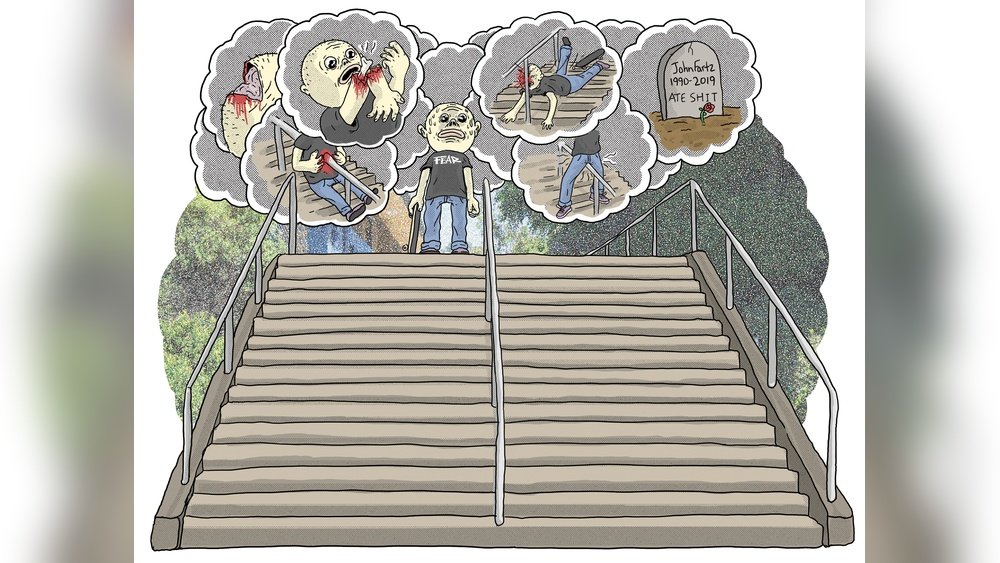
Skateboarding pushes you out of your comfort zone. Your brain wants to protect you, so it sends warning signals. However, most skateboarding fears are bigger in your mind than in reality.
Understanding The Real Risks
Before you move forward, it helps to know the facts. Here’s a quick look at skateboarding injuries compared to other sports:
| Sport | Injury Rate (per 1,000 hours) | Common Injury Type |
|---|---|---|
| Soccer | 6.2 | Sprains |
| Basketball | 6.8 | Fractures |
| Skateboarding | 3.1 | Wrist injuries |
| Cycling | 2.5 | Scrapes |
Surprisingly, skateboarding has a lower injury rate than sports like soccer or basketball. Most injuries are not severe, and wearing protective gear reduces risk even more.
Credit: www.reddit.com
Gear Up For Safety And Confidence
One of the best ways to reduce fear is to use proper safety gear. It’s not just about helmets; other items matter too.
| Safety Gear | Protection Level | Recommended for Beginners |
|---|---|---|
| Helmet | High | Yes |
| Wrist Guards | Medium | Yes |
| Knee Pads | High | Yes |
| Elbow Pads | Medium | Optional |
| Proper Shoes | Medium | Yes |
Wearing helmet, knee pads, and wrist guards is not just smart—it’s proven to lower injury risk. Good shoes also help with grip and control.
Step-by-step Approach To Beat Skateboarding Fear
Many beginners try to rush into skateboarding. This only makes fear worse. Instead, take it slow and build up confidence one step at a time.
1. Start On Flat, Smooth Surfaces
Find a place with no traffic and smooth pavement. Parking lots, empty tennis courts, or quiet sidewalks are perfect. Avoid slopes or rough surfaces until you feel comfortable.
2. Learn To Stand And Balance
Before rolling, practice standing on your skateboard. Place it on grass or carpet so it doesn’t move. Stand with your feet over the bolts, bend your knees slightly, and feel the board. This helps your body adjust before you start moving.
3. Practice Rolling Slowly
Push off gently and roll a few feet at a time. Keep your knees bent and arms loose. Focus on staying relaxed rather than stiff. If you feel scared, stop, breathe, and try again. Small, repeated practice builds confidence.
4. Master Basic Turns And Stops
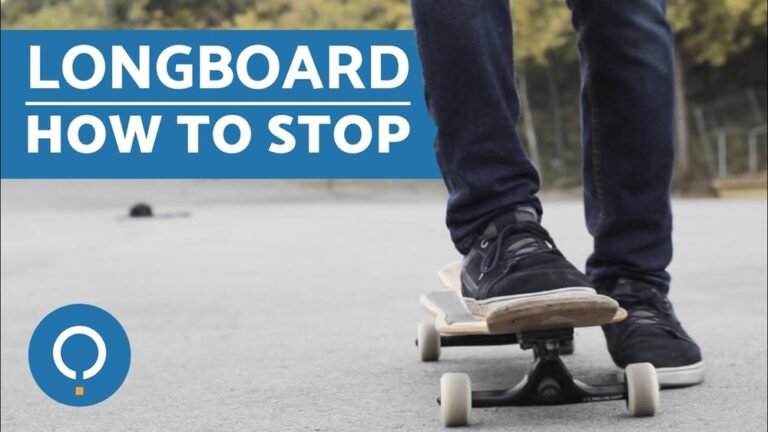
Learn to turn by leaning slightly left or right. Practice stopping with your foot or a gentle slide. Knowing how to stop safely makes you feel in control and reduces fear.
5. Progress At Your Own Pace
Don’t compare yourself to others. Some people learn fast; others take weeks or months. If you panic, step off the board and reset. Celebrate small wins—standing, rolling, turning—before moving to tricks.

Credit: www.youtube.com
Mental Strategies To Control Fear
Skateboarding is as much about mindset as skill. Here are proven ways to manage your thoughts and emotions:
Visualize Success
Close your eyes and imagine yourself skateboarding smoothly. Picture yourself falling and getting up unharmed. This tricks your brain into feeling safer.
Use Positive Self-talk
Replace negative thoughts (“I’ll fall,” “I’m scared”) with positive ones (“I can do this,” “I am improving”). Repeat these before and during practice.
Set Small, Achievable Goals
Instead of aiming for big tricks, set goals like “stand for 30 seconds” or “roll 10 feet. ” Small steps help you see progress and stay motivated.
Breathe And Relax
When you feel fear, pause and take deep breaths. Relax your shoulders and hands. This calms your body and helps you focus.
The Power Of Practice And Repetition
Most fears fade with experience. The more you practice, the less scary it becomes. Try to skateboard regularly—even 10 minutes a day helps. Consistency is key.
Here’s a quick comparison of progress for beginners:
| Practice Frequency | Confidence Growth (1-10) | Skill Improvement (%) |
|---|---|---|
| Daily (10 min) | 7 | 50% |
| Weekly (30 min) | 4 | 20% |
| Monthly (1 hour) | 2 | 10% |
Regular, short practice builds confidence faster than rare, long sessions.

Credit: www.reddit.com
Learn From Others And Build Support
Skateboarding is easier when you have support. Watch videos of beginners, join local groups, or ask friends to skate with you. Most skateboarders are friendly and happy to help.
If you can, take a beginner lesson. Instructors teach safe techniques and help you progress step-by-step. You can find local classes or community events in many cities.
Common Mistakes Beginners Make
Understanding what not to do is just as important as knowing what to do. Here are some frequent mistakes:
- Skipping safety gear: Even if you think you’re “just learning,” always wear protective gear.
- Trying difficult tricks too soon: Stick with basics until you’re confident.
- Comparing yourself to experts: Focus on your own progress.
- Practicing on rough or sloped surfaces: Start on flat, smooth areas.
- Ignoring mental preparation: Fear is both physical and mental—work on both.
Most beginners overlook the importance of mental practice—like visualization and positive self-talk. They also forget that slow, steady progress is normal.
How To Recover From Falls And Setbacks
Falling is part of skateboarding. Even pros fall often. If you fall, check for injuries, take a break, and reflect on what happened. Don’t let one bad experience stop you.
Tips for handling setbacks:
- Analyze what went wrong: Was it balance, speed, or surface?
- Rest and recover: Give your body time to heal.
- Return at your own pace: Start with basics again if needed.
- Stay positive: Every fall is a lesson, not a failure.
Many beginners miss the value of learning from each fall. Instead of feeling defeated, use setbacks to improve.
When Fear Is Too Strong
If your fear feels overwhelming, it’s okay to step back. Take time off, talk to someone, or try other sports for a while. Sometimes, working with a coach or therapist helps.
For some people, fear is linked to past trauma or anxiety. If this is your case, seek professional advice. Most skateboarders can overcome fear with patience and support.
Frequently Asked Questions
How Long Does It Take To Overcome Skateboarding Fear?
Most people feel more confident after a few weeks of regular practice. For some, it takes longer. Progress depends on how often you practice, your mindset, and if you use safety gear.
What Should I Do If I Fall And Get Hurt?
First, check for injuries. If it’s minor, rest and ice the area. For serious injuries, seek medical help. Learn from the fall—was it caused by speed, balance, or surface? Use protective gear to prevent future injuries.
Is It Normal To Be Scared Of Skateboarding?
Yes, it’s very common. Even professional skateboarders feel fear sometimes. The key is to take small steps, practice regularly, and focus on safety.
Can Mental Exercises Really Help With Skateboarding Fear?
Absolutely. Visualization, positive self-talk, and breathing exercises reduce anxiety. They help your brain feel safe and boost confidence. Many athletes use these methods with great results.
Where Can I Find Beginner Skateboarding Classes Or Support?
You can search for local skateboarding clubs, community centers, or sports shops. Many cities offer beginner classes. For online support, try forums or YouTube tutorials. For example, SkateboardersHQ offers helpful guides and community advice.
Skateboarding fear is real, but it doesn’t have to stop you. With the right steps, mindset, and support, you can move past your worries and enjoy the thrill. Remember: progress is personal, and every small victory matters. Get out there, stay safe, and let your confidence grow—one ride at a time.