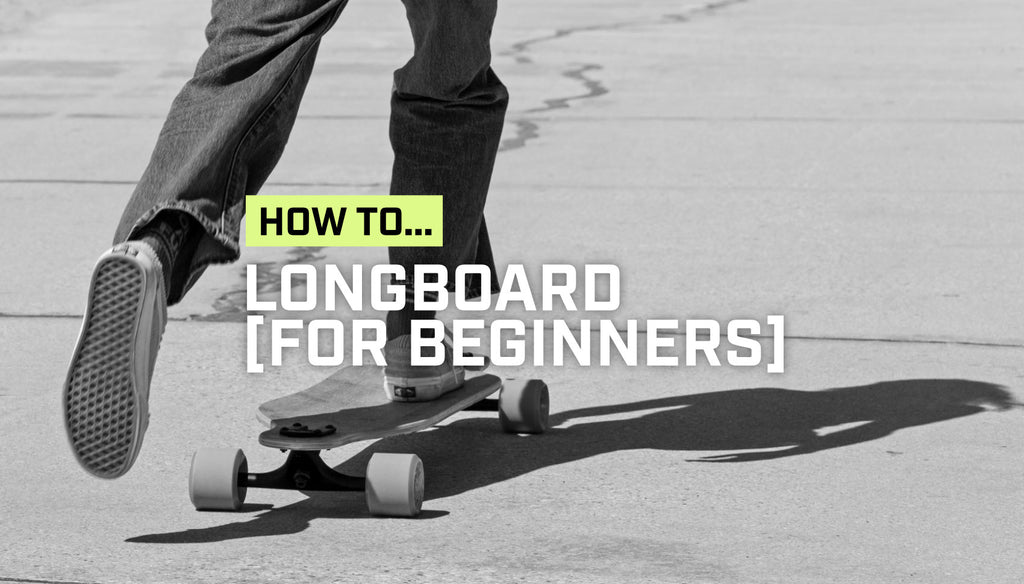
Longboarding is a fun and exciting way to travel, exercise, and express yourself. Whether you want to cruise around your neighborhood, enjoy downhill rides, or learn cool tricks, riding a longboard can give you freedom and confidence. Many beginners worry about balance, safety, and how to start.
The good news is, anyone can learn with the right guidance and practice. This article will help you understand the basics of longboarding, step-by-step techniques, and practical advice to ride safely and confidently. You’ll discover what makes longboarding different from skateboarding, how to choose the right board, and common mistakes to avoid—so you can enjoy smooth rides from your very first day.
What Makes Longboarding Unique?
Longboards are not regular skateboards. They are longer and wider, usually 33 to 60 inches in length. This size gives more stability, making it easier for beginners to balance. The wheels are also bigger and softer, which helps absorb shocks from rough roads and allows for smoother rides. People use longboards for cruising, downhill racing, freeriding, and even dancing.
A key difference is the turning ability. Longboards have trucks that allow deep turns, so you can carve and glide easily. Unlike skateboards, which are made for tricks and jumps, longboards are designed for speed and comfort. If you want to travel longer distances or enjoy gentle rides, a longboard is the best choice.
Choosing Your First Longboard
Picking the right longboard is important. The board you choose will affect how easy it is to learn and how comfortable you feel.
| Board Type | Length | Best For |
|---|---|---|
| Cruiser | 33–40 inches | Easy riding, city streets |
| Freeride | 38–42 inches | Sliding, tricks |
| Downhill | 36–40 inches | High speed, stability |
| Dancer | 45–60 inches | Dancing, freestyle |
For beginners, a cruiser is the easiest to start with. It’s stable and not too long, making it easier to control. Look for a board with soft wheels (78A–85A hardness), which grip the road better and make turns smoother. Wider decks (8–10 inches) help your feet stay balanced.
Two common mistakes beginners make are: choosing a board that’s too short (harder to balance) or too stiff (less shock absorption). Visit a local shop if possible and stand on different boards before buying.
Credit: fireballsupply.co
Essential Safety Gear
Longboarding is safe if you use the right protection. Injuries often happen from falls, so wearing safety gear is important, especially in the beginning.
- Helmet: Always wear a helmet. Choose one that fits snugly and covers the back of your head.
- Knee pads: Protects you from scrapes and bruises when you fall.
- Elbow pads: Prevents elbow injuries.
- Wrist guards: Helps avoid wrist fractures.
- Gloves: Useful for sliding or downhill, protects your hands.
Many beginners skip wrist guards, but wrist injuries are common. Investing in full safety gear lets you practice with confidence and reduces risk.
Learning The Basics: Stance And Balance
Your stance is the foundation of riding. There are two main stances:
- Regular: Left foot forward
- Goofy: Right foot forward
To find your stance, imagine sliding across a smooth floor. The foot you lead with is usually your front foot on the board. Place your front foot near the front truck (slightly angled), and your back foot near the rear truck (straight across).
Keep your knees slightly bent and your weight centered.
Balance is easier on a longboard than a skateboard. Stand on the board while it’s on carpet or grass, practice shifting your weight from side to side. This will help you feel comfortable before you start rolling.

Credit: polyboards.com
How To Push And Start Rolling
Pushing is how you move forward on a longboard. Follow these steps:
- Stand with your front foot on the board, just behind the front truck.
- Place your back foot flat on the ground.
- Lean forward slightly and push off with your back foot, then place it on the board.
- Keep your knees bent and look ahead.
Beginners often look down at their feet, but it’s better to look where you’re going. Push gently at first, then increase speed as you gain confidence.
Common Mistakes When Pushing
- Pushing with your heel: Push with the ball of your foot for smoother control.
- Standing too straight: Bend your knees to absorb bumps and keep balance.
- Wrong foot placement: Place your feet across the deck, not lengthwise.
Practice pushing on flat, smooth surfaces like parking lots or bike paths. Avoid steep hills or crowded areas until you feel comfortable.
Turning And Carving Techniques
Turning is called carving in longboarding. It’s the art of leaning your body to guide the board. Here’s how:
- Lean your body in the direction you want to turn.
- Keep your weight on your toes for toe-side turns, and on your heels for heel-side turns.
- Use your shoulders to guide the movement.
| Turn Type | How to Lean | Difficulty |
|---|---|---|
| Toe-side | Lean forward, pressure on toes | Easy |
| Heel-side | Lean backward, pressure on heels | Moderate |
| Carving | Smooth side-to-side lean | Intermediate |
Practice gentle turns at slow speed. As you improve, you can carve deeper, which helps you control speed on hills and enjoy flowing rides.
One insight many beginners miss: turning is not just foot movement. It’s a full-body action. Use your arms and shoulders to balance and steer.
How To Stop Safely
Stopping is as important as riding. There are several ways to stop your longboard:
- Foot brake: Take your back foot off the board and drag it gently on the ground. This is the safest for beginners.
- Heel drag: Drop your heel off the back edge and apply pressure.
- Slide stop: Advanced technique, where you turn the board sideways to slow down.
Always practice stopping before riding on busy streets or hills. Most beginners forget to learn braking, but it’s critical for safety.
Tips For Safe Stopping
- Slow down before stopping.
- Keep your balance, don’t jump off the board.
- Practice foot braking at different speeds.
If you ride downhill, learn to slide stop with gloves for extra safety.
Practicing On Different Terrains
Longboarding feels different depending on the surface. Start on smooth pavement or bike paths. Avoid rough roads, gravel, or steep slopes in the beginning.
As you gain skill, try new terrains:
- Paved trails: Good for cruising and carving.
- Downhill roads: For speed and advanced techniques.
- Parks: Space for practicing turns and foot placement.
Many beginners miss the importance of terrain. Rough surfaces can cause wobbles, while smooth paths help you learn faster.

Credit: www.youtube.com
Improving Your Skills
Once you can push, turn, and stop, focus on improving your technique. Set small goals:
- Ride 100 meters without stopping.
- Practice carving in both directions.
- Try riding with one foot (improves balance).
Record your progress or ask friends to watch and give feedback. Join local longboarding groups or attend events to meet other riders and learn from their experience.
One overlooked tip: try different boards as you advance. Each board type gives a new feeling and skill set. For example, a dancer board is great for learning balance and footwork, while a downhill board teaches stability at speed.
Maintaining Your Longboard
Longboards need regular care to last longer and perform well. Clean your board after every ride, especially if you ride in wet conditions.
| Maintenance Task | Frequency | Tips |
|---|---|---|
| Wheel cleaning | Weekly | Remove dirt for smooth rolls |
| Truck tightening | Monthly | Check for loose or tight trucks |
| Grip tape cleaning | Monthly | Brush to avoid slippery surface |
| Bearing lubrication | Every 2–3 months | Use proper skate oil |
Two things beginners often miss: checking truck tightness and cleaning grip tape. Loose trucks cause wobbles, and dirty grip tape leads to slips. Always inspect your board before every ride.
Common Beginner Mistakes And How To Avoid Them
Everyone makes mistakes when starting. Here are some common errors and how to prevent them:
- Riding too fast: Start slow. Speed increases risk.
- Ignoring safety gear: Always wear protection, even for short rides.
- Not practicing braking: Learn to stop before anything else.
- Wrong stance: Test your stance before riding.
- Unbalanced weight: Keep your weight centered, avoid leaning too much.
- Poor foot placement: Place feet across the deck, not lengthwise.
If you make mistakes, don’t worry. Practice and patience will help you improve. Watching tutorial videos or reading guides from trusted sources like Wikipedia can also help you understand advanced techniques.
Advanced Techniques For Confident Riding
Once you feel comfortable, try learning advanced moves:
- Switch stance: Ride with your opposite foot forward.
- Cross-stepping: Walk across the board while riding.
- Sliding: Turn your board sideways to slow down or stop.
- Downhill tuck: Bend low for higher speed and stability.
Advanced moves require practice and proper safety gear. Always try them in safe environments and learn from experienced riders.
Frequently Asked Questions
What Is The Best Longboard For Beginners?
A cruiser longboard with soft wheels and a wide deck is ideal. It offers stability and easy control, helping you learn quickly.
How Do I Know If My Stance Is Regular Or Goofy?
Try sliding across a smooth floor. The foot you lead with is usually your front foot on the board. Most people are regular (left foot forward), but it varies.
Can I Ride A Longboard On Rough Roads?
Longboards can handle some rough surfaces thanks to bigger wheels, but it’s best to stick to smooth pavement when you start. Rough roads can cause wobbles and falls.
How Do I Maintain My Longboard?
Clean wheels weekly, check and tighten trucks monthly, brush grip tape, and lubricate bearings every 2–3 months. This keeps your board safe and smooth.
Is Longboarding Dangerous?
Longboarding is safe with proper safety gear and practice. Most injuries come from ignoring protection or riding too fast. Always wear a helmet and pads.
Learning to ride a longboard opens up a new world of movement and enjoyment. With the right board, safety gear, and practice, you’ll soon feel confident and ready to explore. Take your time, ride at your own pace, and remember: the journey is just as fun as the destination.