Do Elbow Pads Prevent Breaks
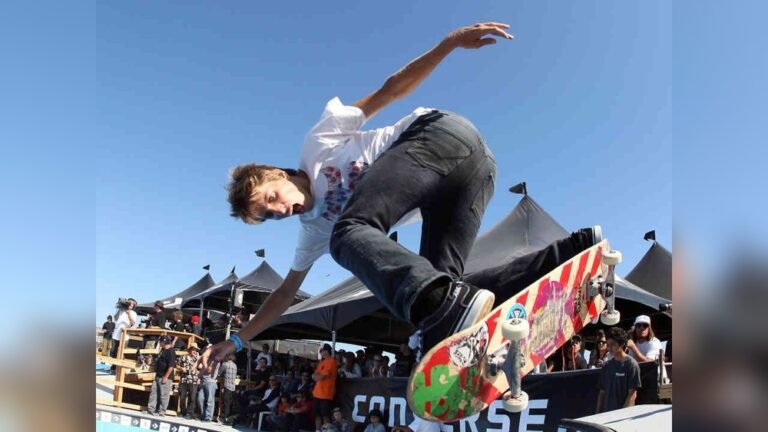
The thrill of dropping into a skate park, the wind in your hair as you carve down a hill, or the simple joy of cruising through your neighborhood, skateboarding offers a unique blend of freedom and physical challenge. However, with this freedom comes inherent risk. Falls are an inevitable part of learning and progressing in skateboarding, and while many result in minor scrapes and bruises, others can lead to more serious injuries, particularly to the extremities. Among these, the elbow is a common point of impact during a fall. This raises a crucial question for riders of all levels: do elbow pads actually prevent breaks?
Understanding the mechanics of a fall and the protective capabilities of gear is essential for any skateboarder looking to minimize risk. Elbow pads are designed to absorb and dissipate impact, acting as a buffer between the bony prominence of the elbow and the hard ground.
But how effective are they against the forces involved in a typical skateboarding fall? This article will explore the science behind elbow protection, the types of pads available, and the real-world impact they have on injury prevention, specifically focusing on preventing fractures.
Key Takeaways
- Elbow pads significantly reduce the severity of impacts on the elbow during falls, thereby lowering the risk of fractures and other injuries.
- They work by absorbing and dispersing the kinetic energy of a fall across a larger surface area and over a longer period.
- The effectiveness of elbow pads depends on their design, fit, and the type of impact they are subjected to.
- Hard-shell pads offer superior protection against direct impact and abrasion, making them ideal for skateboarding.
- Proper fit is crucial; pads that are too loose will shift and offer little protection, while those that are too tight can be uncomfortable and restrict movement.
- Elbow pads are a vital component of a comprehensive safety gear setup, alongside helmets and knee pads.
- While pads reduce risk, they do not eliminate it entirely, and safe skating practices remain paramount.

Credit: www.amazon.com
The Biomechanics Of Elbow Injuries In Skateboarding
When a skateboarder falls, the body’s natural reaction is often to extend the arms to break the fall. This leads to a direct impact on the elbow, which is a complex joint made up of three bones: the humerus (upper arm bone), the radius, and the ulna (forearm bones). The elbow is designed for bending and straightening, but it is also vulnerable to direct force.
Understanding Impact Forces
A fall from a skateboard, even from a relatively low height, can generate significant impact forces. These forces are a product of the rider’s mass and the velocity at which they hit the ground. When the elbow strikes the ground directly, the force is concentrated on a small area, increasing the pressure on the bone and surrounding tissues.
This concentrated force can exceed the structural integrity of the bone, leading to a fracture.
The typical fall involves a rapid deceleration. If the arm is extended, the impact travels up the arm. The elbow joint, with its prominent olecranon (the bony tip of the elbow), is particularly susceptible. Fractures can range from hairline cracks to complete breaks, involving displacement of bone fragments.
Common elbow fractures in sports include olecranon fractures, radial head fractures, and supracondylar fractures.
How Protective Gear Mitigates Force
Elbow pads are engineered to intercept these forces before they reach the bone. They achieve this through several mechanisms:
- Impact Absorption: The padding material, typically foam or gel, compresses upon impact, absorbing a significant portion of the kinetic energy. This compression slows down the rate at which force is transferred to the elbow.
- Force Distribution: The hard outer shell of most skateboarding elbow pads spreads the impact force over a wider surface area. Instead of a concentrated point of pressure, the force is distributed across the entire pad and therefore across a larger area of the elbow.
- Abrasion Resistance: The hard outer shell also protects against scrapes and cuts that can occur when sliding on rough surfaces, which can sometimes be as debilitating as a minor fracture.
In essence, elbow pads act as a shock absorber and a shield, reducing the peak force experienced by the elbow and preventing the direct, concentrated impact that is most likely to cause a break.
Types Of Elbow Pads And Their Protective Qualities
Not all elbow pads are created equal. For skateboarding, specific types are designed to offer the highest level of protection against the unique demands of the sport.
Hard-shell Vs. Soft-shell Pads
- Hard-Shell Pads: These are the most common and recommended type for skateboarding. They feature a rigid plastic or composite outer shell designed to withstand direct impacts and slides. Beneath the shell is a layer of dense foam or gel for shock absorption. The hard shell is crucial for distributing impact force and preventing the pad from collapsing under pressure, which is vital for preventing bone fractures.
- Soft-Shell Pads: These pads typically consist of foam or gel encased in fabric. While they offer good comfort and flexibility, they are generally less effective at preventing fractures from hard impacts. The foam can compress too much, and the lack of a rigid shell means impact forces are not as effectively distributed. Soft-shell pads are better suited for activities with lower impact risks, like casual cycling or rollerblading where falls are less severe.
Construction And Materials
The effectiveness of hard-shell pads also depends on their construction:
- Shell Material: High-density polyethylene (HDPE) or ABS plastic are common materials for the outer shell, offering a good balance of durability and impact resistance.
- Padding: Closed-cell foam is preferred as it doesn’t absorb moisture and maintains its density over time. Gel inserts can provide additional cushioning and comfort.
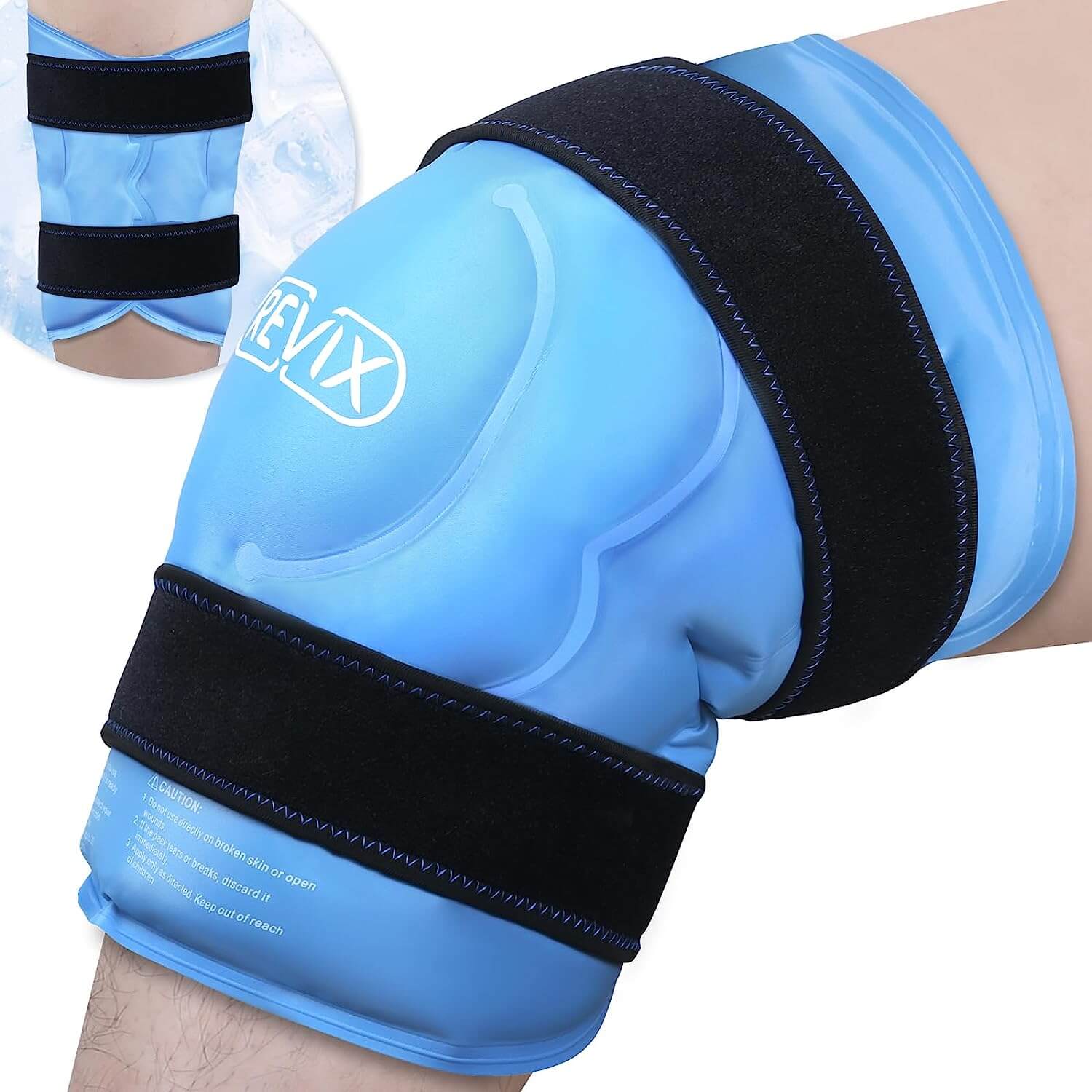
- Strapping System: Adjustable straps (usually Velcro) are essential for a secure fit. A good strapping system ensures the pad stays in place during a fall, which is critical for its protective function. Some advanced models may also include a sleeve component for a snugger fit.
For skateboarding, the hard-shell design with robust padding and a secure strapping system is unequivocally superior in its ability to prevent fractures by managing high-impact forces.
Credit: revixcare.com
Do Elbow Pads Prevent Breaks? The Evidence And Expert Opinion
The primary function of elbow pads in skateboarding is to mitigate injury, and the evidence strongly suggests they are effective in preventing fractures. While no piece of safety equipment can guarantee complete immunity from injury, the physics of impact and numerous anecdotal and observational reports support their role in fracture prevention.
Physics Of Protection
As discussed, elbow pads work by absorbing and distributing impact energy. When an elbow strikes the ground at speed, the force can be substantial. A hard-shell pad acts as a buffer, taking the brunt of the impact. The dense padding beneath the shell compresses, slowing down the transfer of energy.
Simultaneously, the hard shell spreads this energy over a larger area, reducing the localized pressure on the bone. This reduction in peak force and improved distribution is precisely what helps prevent the bone from exceeding its fracture threshold.
Expert Insights And Research
While large-scale, randomized controlled trials specifically on elbow pad effectiveness in preventing skateboarding fractures are rare due to ethical and practical limitations, the consensus among orthopedic surgeons, sports medicine professionals, and safety organizations is clear: protective gear, including elbow pads, significantly reduces the risk and severity of injuries.
Dr. Robert LaPrade, a knee and sports medicine surgeon, has noted that “while helmets are paramount, the extremities are also vulnerable. Protective gear like pads can make the difference between a minor sprain and a serious fracture. ” Studies on other impact sports, such as snowboarding and skiing, have consistently shown a reduction in upper extremity injuries with the use of protective padding.
For instance, a study published in the *American Journal of Sports Medicine* on snowboarding injuries found that participants wearing protective gear reported fewer fractures and dislocations. Although this study focused on snowboarding, the principles of impact and protection are directly transferable to skateboarding.
Anecdotal Evidence And Real-world Impact
Countless skateboarders can attest to the protective value of elbow pads. Many will share stories of hard falls where they expected to sustain an injury, only to walk away with little more than a bruised ego thanks to their pads.
Example: A beginner skateboarder, learning to ollie, falls backward repeatedly. On one fall, they land directly on their right elbow with significant force. Without pads, this could easily result in a radial head fracture or olecranon fracture. However, wearing well-fitted hard-shell elbow pads, the impact is absorbed and distributed. The skateboarder experiences bruising and soreness under the pad but avoids any bone damage. This scenario is common and highlights the direct role pads play in preventing breaks by managing the initial impact.
Limitations And Considerations
It’s crucial to understand that elbow pads are not foolproof.
- Type of Fall: Some falls, particularly those involving twisting motions or extreme angles of impact, can still lead to injury even with pads.
- Pad Quality and Fit: Poorly fitting or low-quality pads may not provide adequate protection.
- Complacency: Relying solely on pads without adopting safe skating practices can be dangerous.
Despite these limitations, the overwhelming evidence and expert consensus indicate that elbow pads are highly effective in preventing fractures by significantly reducing the force transmitted to the elbow during a fall.
Credit: www.daddiesboardshop.com
The Crucial Role Of Fit And Proper Use
Even the best elbow pads are rendered ineffective if they don’t fit correctly or aren’t used properly. A secure and stable fit is paramount to ensuring the pad stays in place and performs its protective function during an impact.
Achieving The Right Fit
- Sizing: Elbow pads come in various sizes (e.g., S, M, L, XL). It’s essential to measure your elbow circumference according to the manufacturer’s guidelines. Don’t guess; accurate measurement is key.
- Placement: The pad should cover the entire elbow joint, with the protective shell centered over the olecranon. It should feel snug but not constricting.
- Straps: Secure all straps firmly. They should be tight enough to prevent the pad from slipping down the arm during activity or upon impact, but not so tight that they cut off circulation or cause discomfort.
- Movement: With the straps secured, try bending and straightening your arm. The pad should move with your arm without significant shifting. There should be no excessive pressure points or chafing.
When To Wear Them
- Every Session: Elbow pads should be worn for every skateboarding session, regardless of your skill level or the type of skating you’re doing. Even experienced skaters can have unexpected falls.
- All Disciplines: Whether you’re street skating, park skating, cruising, or attempting tricks, the risk of falling and impacting your elbow exists.
Maintenance And Replacement
- Cleaning: After use, especially if they’ve gotten dirty or sweaty, clean your pads according to the manufacturer’s instructions. This typically involves hand washing with mild soap and water and air drying.
- Inspection: Regularly inspect your pads for signs of wear and tear, such as cracks in the shell, compressed or degraded padding, or damaged straps.
- Replacement: If pads have been subjected to a significant impact, or if they show signs of damage or loss of cushioning, it’s time to replace them. Even if they look intact, the internal protective materials may have been compromised, reducing their effectiveness. A pad that has absorbed a major impact may not provide the same level of protection in a subsequent fall.
Pro Tip: Always try on elbow pads before purchasing if possible, or ensure the retailer has a good return policy. A comfortable, well-fitting pad is one you’ll be more likely to wear consistently.
The Importance Of A Comprehensive Safety Gear Setup
While this article focuses on elbow pads, it’s crucial to remember that they are just one part of a comprehensive safety strategy for skateboarding. Relying solely on elbow pads while neglecting other protective gear significantly increases the risk of serious injury.
The Holy Trinity Of Skate Safety
- Helmet: A helmet is non-negotiable for protecting the most vital organ, the brain. Head injuries can be catastrophic, and a certified skate helmet is designed to absorb impact forces that could otherwise lead to concussions or more severe traumatic brain injuries.
- Knee Pads: The knees are another common point of impact during falls. Knee pads protect against scrapes, abrasions, and fractures, and can also help prevent ligament damage by absorbing some of the impact force.
- Elbow Pads: As we’ve discussed, these protect the elbow joint from fractures, dislocations, and severe abrasions.
Other Protective Gear
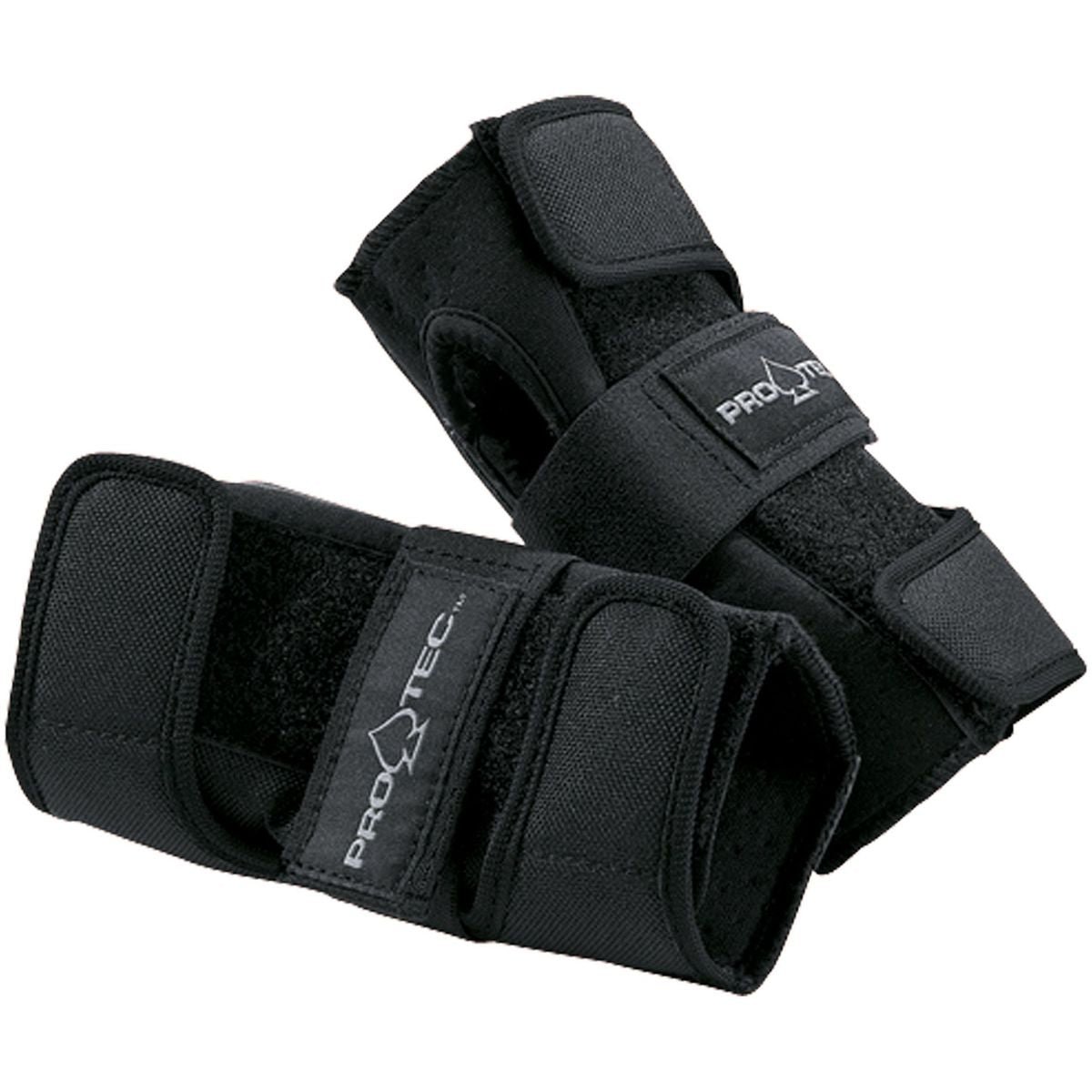
- Wrist Guards: Many falls result in riders instinctively putting their hands out. Wrist guards protect against fractures, sprains, and dislocations of the wrist. They can be particularly useful for beginners.
- Padded Shorts: These can offer some protection to the hips and tailbone, which are also common impact zones.
- Mouthguards: While less common in skateboarding than in contact sports, a mouthguard can prevent dental injuries.
Why A Full Setup Matters
Each piece of protective gear serves a distinct purpose, addressing different types of impacts and vulnerable body parts. When used together, they create a layered defense system. For example, falling backward might involve hitting your helmet, elbow, and tailbone simultaneously.
A complete set of gear ensures that each of these areas receives appropriate protection.
A study published in the journal *Accident Analysis & Prevention* indicated that the use of multiple pieces of protective equipment was associated with a significant reduction in injury severity among skateboarders. This reinforces the idea that a holistic approach to safety is most effective.
Warning: Never assume that wearing one piece of safety gear makes you invincible. The goal of protective equipment is to reduce the *risk* and *severity* of injury, not to eliminate it entirely.
Factors Influencing Elbow Injury Risk In Skateboarding
While elbow pads are a primary defense, several other factors influence the likelihood and severity of elbow injuries in skateboarding. Understanding these can help riders adopt practices that further minimize risk.
Skill Level And Experience
- Beginners: Newcomers to skateboarding are naturally more prone to falls as they learn basic balance and control. Their falls are often less controlled, leading to direct impacts. This is why elbow pads, along with helmets and knee pads, are essential for beginners. Learning to fall correctly is a skill that develops over time.
- Intermediate and Advanced Riders: While more experienced riders may fall less frequently, they often attempt more complex tricks and maneuvers, which can result in falls with higher impact forces. The risk shifts from frequency to severity.
Type Of Skateboarding
- Street Skating: Involves obstacles like stairs, rails, and ledges. Falls can be unpredictable and often involve sliding or impact against hard surfaces.
- Park Skating (Skateparks): Features ramps, bowls, and transitions. Falls can occur from height or during complex aerial maneuvers, leading to high-impact landings.
- Cruising/Longboarding: Generally lower risk, but falls can still occur due to uneven terrain, equipment failure, or loss of control at speed.
Environmental Factors
- Surface Quality: Skating on rough, uneven, or wet surfaces increases the risk of slips and falls.
- Obstacles: Unseen cracks, debris, or poorly maintained skatepark features can cause sudden stops or loss of balance.
- Weather Conditions: Rain or extreme temperatures can affect board control and surface grip.
Equipment Condition
- Skateboard: A poorly maintained skateboard, such as a deck with pressure cracks, worn-out wheels, or loose trucks, can lead to unexpected instability and falls. For instance, a pressure crack on a skateboard deck can cause the board to snap mid-trick, leading to an immediate and severe fall.
- Footwear: Proper skateboarding shoes provide grip and support, reducing the chance of slipping off the board.
Physical Condition
- Fitness and Flexibility: Good physical condition, including strength and flexibility, can help a rider maintain balance and recover from near-falls, reducing the likelihood of falling in the first place.
- Fatigue: As fatigue sets in, concentration wanes, and physical reactions slow down, increasing the risk of errors and falls.
Safe Skating Practices
- Knowing Your Limits: Pushing beyond your current skill level without proper preparation or supervision increases risk.
- Learning to Fall: While counterintuitive, learning to roll and distribute impact during a fall can significantly reduce injury. However, this is a skill that takes time to develop.
- Awareness: Being aware of your surroundings and potential hazards is crucial.
While elbow pads are a vital tool for mitigating injury, adopting a holistic approach that includes skill development, proper equipment, environmental awareness, and consistent use of a full set of safety gear offers the most comprehensive protection.
Frequently Asked Questions
What Is The Most Common Type Of Elbow Injury In Skateboarding?
The most common injuries are abrasions, contusions (bruises), and sprains. However, fractures, particularly of the olecranon (the tip of the elbow) and the radial head (top of the forearm bone near the elbow), are also significant risks during hard falls.
These fractures occur when the direct impact force exceeds the bone’s capacity to withstand it.
Are Hard-shell Elbow Pads Necessary For Casual Skateboarding?
Even for casual skateboarding, falls can happen unexpectedly. Hard-shell pads offer superior protection against direct impact and abrasion compared to soft-shell alternatives. Given the relatively low cost and high benefit, hard-shell pads are highly recommended for all levels of skateboarding, including casual cruising, to prevent potential fractures and severe abrasions.
Can Elbow Pads Prevent All Types Of Elbow Breaks?
No, elbow pads cannot prevent all types of elbow breaks. While they significantly reduce the risk by absorbing and distributing impact forces, certain extreme impacts, twisting injuries, or falls at very high speeds might still result in a fracture. However, they dramatically decrease the likelihood and severity of most common impact-related fractures.
How Often Should I Replace My Elbow Pads?
You should replace your elbow pads if they have sustained a significant impact (even if they appear undamaged externally), if the padding feels compressed or degraded, or if the straps are worn out and no longer provide a secure fit.
For regularly used pads, inspecting them every few months for wear and tear is advisable, and replacement every 1-3 years depending on usage and quality is a general guideline.
Do Elbow Pads Affect My Ability To Perform Tricks?
Well-designed, properly fitted elbow pads should offer a good balance between protection and mobility. While they might add a slight sensation of bulk, they generally do not significantly hinder the ability to perform most skateboarding tricks. The key is finding a pair that fits snugly and allows for a full range of motion in the elbow joint.
Some riders may initially feel a minor adjustment period, but the protection they offer far outweighs any minimal perceived restriction.
The question of whether elbow pads prevent breaks in skateboarding is answered with a resounding yes, with important caveats. These protective devices are engineered to absorb and disperse the kinetic energy of impacts, acting as a crucial buffer between the vulnerable elbow joint and hard surfaces.
By reducing the direct, concentrated force that can lead to fractures, they play a vital role in injury prevention. The consensus among medical professionals and the extensive anecdotal evidence from skateboarders themselves underscore their effectiveness. However, their efficacy is maximized when combined with proper fit, consistent use, and a comprehensive safety gear setup that includes helmets and knee pads.
Ultimately, while no gear can offer absolute protection, well-chosen and correctly worn elbow pads are an indispensable tool for any skateboarder committed to enjoying their sport safely and minimizing the risk of debilitating breaks.