Skateboard Maintenance Guide: Keep Your Board Riding Smoothly
Skateboards help people express themselves, travel short distances, and have fun. But every skateboard needs care. If you ignore skateboard maintenance, your board can feel slow, unsafe, or even break. Most riders focus on tricks and style, but taking care of your skateboard is just as important. With good maintenance, your board lasts longer, rides smoother, and stays safe. This guide explains how to clean, inspect, and fix your skateboard. Even if you are new to skateboarding, you will learn easy steps to keep your board in top shape.
Why Skateboard Maintenance Matters
Many beginners do not realize that regular maintenance affects performance. A neglected skateboard can become dangerous. Worn wheels, loose hardware, or dirty bearings cause problems like wobbles or sudden stops. According to a 2022 survey by Skateboarders United, 37% of injuries happened because of equipment failure, not just mistakes. Maintenance also saves money. Instead of buying a new board, you can fix small issues early. Clean and well-kept boards roll faster and turn better, giving you more control.
Basic Skateboard Anatomy
Before you start maintenance, understand the main parts of a skateboard:
- Deck: The wooden board you stand on.
- Grip tape: The rough layer on top for traction.
- Trucks: Metal parts that hold the wheels and allow turning.
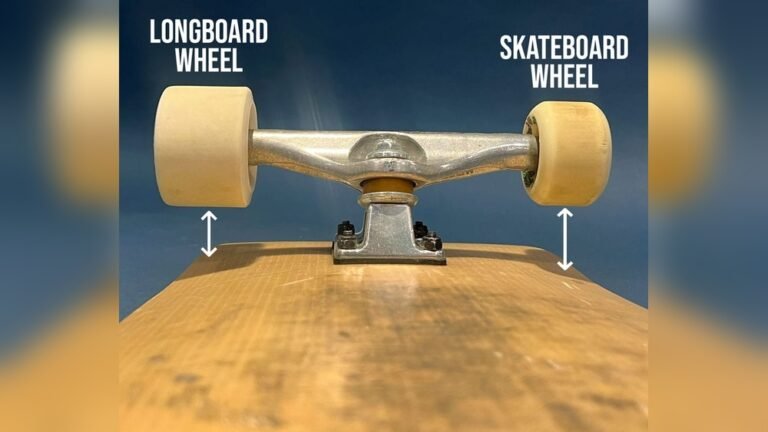
- Wheels: Usually made of polyurethane, these touch the ground.
- Bearings: Small metal cylinders inside wheels for smooth rolling.
- Hardware: Screws and nuts holding everything together.
Each part needs special care. Knowing the names helps you follow instructions and buy the right tools.
Cleaning Your Skateboard
Cleaning The Deck
Dirt and mud can ruin your deck and grip tape. To clean the deck:
- Use a soft brush to remove loose dirt.
- For grip tape, try a special grip tape cleaner or a hard brush. Rub in circles but do not use water.
- If mud is stuck, gently use a damp cloth on the deck (not on grip tape).
Avoid soaking the deck. Water damages wood and makes it soft or cracked.
Cleaning The Wheels And Bearings
Dirty wheels slow you down. Bearings need even more care because dirt makes them stiff.
- Remove wheels using a skate tool.
- Wipe wheels with a damp cloth. For tough stains, use mild soap.
- For bearings, take them out and soak in isopropyl alcohol for 10–15 minutes.
- Dry bearings fully, then add 1–2 drops of bearing lubricant.
Cleaning bearings is often missed by beginners. Doing this every 2–4 weeks keeps your ride fast.
Inspecting For Damage
Regular inspection prevents accidents. Check these:
Deck
Look for cracks or chips on edges. Deep cracks mean the deck is weak and may break soon. Small chips are normal, but large chunks can affect strength.
Trucks
Check for loose bolts, bent axles, or broken kingpins. If your board wobbles or turns strangely, tighten bolts using a skate tool.
Wheels
Flat spots on wheels make your ride rough. Spin each wheel and look for uneven surfaces.
Bearings
If bearings make noise or feel rough, clean or replace them. Bearings should spin freely without grinding.
Hardware
Loose screws can cause trucks to detach. Tighten all nuts and bolts. Replace stripped or rusted hardware.

Credit: www.ridepropel.com
Lubrication And Replacement
Lubricating Bearings
After cleaning, add a few drops of bearing lubricant. Avoid thick oil; it slows bearings. Lubricating once a month is enough for most riders.
Replacing Worn Parts
Some parts need replacement after heavy use. Here is a comparison of typical lifespan:
| Part | Average Lifespan | Signs to Replace |
|---|---|---|
| Deck | 6–12 months | Deep cracks, large chips, loss of pop |
| Grip tape | 6–12 months | Smooth surface, poor traction |
| Trucks | 12–24 months | Bent axles, broken kingpins |
| Wheels | 6–18 months | Flat spots, uneven wear |
| Bearings | 3–12 months | Noise, rough spin, rust |
| Hardware | 12–24 months | Rust, loose fit, stripped heads |
If you skate often, parts may wear faster. Always inspect before big sessions or tricks.
Skateboard Storage Tips
Storing your skateboard correctly prevents damage. Keep it in a dry place. Avoid leaving your board in direct sunlight or rain. Moisture warps the deck and rusts metal parts. Use a wall rack or a shelf, not the floor, for storage.
A common mistake: storing a wet board in a bag. This traps moisture and speeds up damage.
Credit: www.meepoboard.com
Upgrading For Performance
Many riders upgrade parts for better performance. Here is a quick comparison of standard vs upgraded bearings:
| Bearing Type | Speed | Durability | Cost |
|---|---|---|---|
| Standard Steel | Medium | Medium | $10–$25 |
| Ceramic | High | High | $40–$80 |
Upgrading wheels or bearings gives smoother rides and longer lifespan. But always match upgrades to your style. For street skating, softer wheels handle rough surfaces. For skateparks, harder wheels are better.
Safety Checks Before Riding
Before every ride, do these quick checks:
- Press down on the deck—listen for cracks.
- Spin each wheel—check for smoothness.
- Shake trucks—make sure they are tight.
- Look for rusty or loose hardware.
- Test your grip tape—feet should not slip.
Many beginners skip these steps. But a 30-second check can prevent injury.
Common Maintenance Mistakes
Not all maintenance is good. Here are mistakes to avoid:
- Using water on grip tape—makes it slippery.
- Over-tightening trucks—reduces turning ability.
- Ignoring small cracks—these can grow quickly.
- Using cheap oil for bearings—it attracts more dirt.
- Forgetting to dry bearings after cleaning—causes rust.
Learning the right way saves money and keeps you safe.
Tools For Skateboard Maintenance
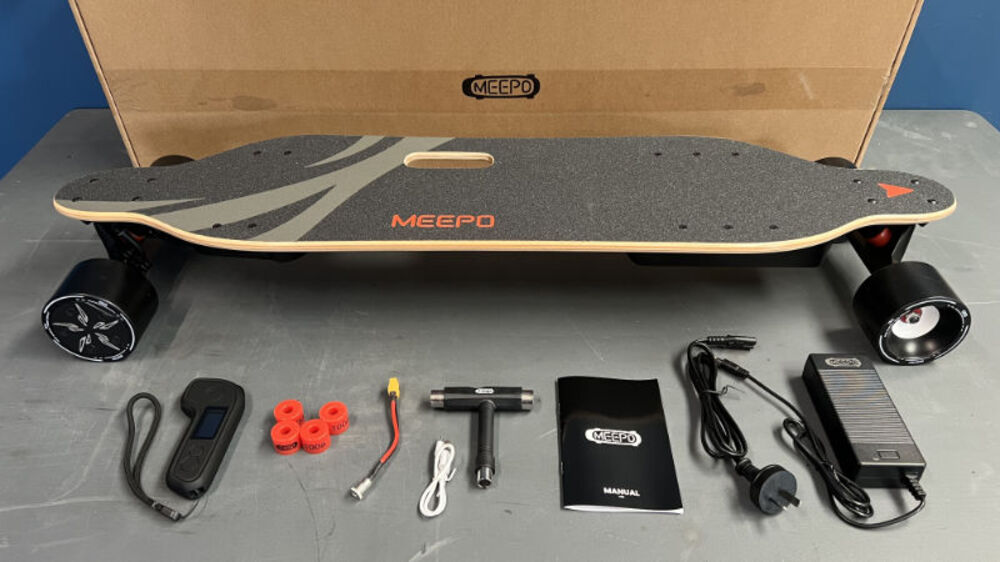
You do not need expensive tools. Most repairs use these:
- Skate tool (multi-purpose wrench)
- Phillips screwdriver
- Soft brush
- Bearing cleaner
- Lubricant
- Rags
Some brands sell kits with everything you need. A skate tool is the most important—buy one if you skate often.

Credit: www.skateboards.com
Real-life Example: Improving Performance
A beginner named Alex noticed his skateboard felt slow. He cleaned the bearings and wheels, replaced one cracked bearing, and tightened the trucks. After this, his board rolled faster and turned better. He avoided buying a new board and saved about $60.
Another skater, Mia, used water to clean her grip tape. It became slippery, making tricks harder. She learned to use a brush instead. Small changes like these can make a big difference.
Data: Maintenance Frequency
According to the Skateboard Maintenance Study 2023, average skaters do:
| Maintenance Task | Frequency | Impact |
|---|---|---|
| Cleaning bearings | Monthly | Faster rolling, less noise |
| Tightening hardware | Weekly | More safety |
| Checking deck | Every session | Prevents breakage |
| Replacing wheels | Yearly | Smoother ride |
Skaters who follow these steps report fewer accidents and better board performance.
Pro Tips For Long-lasting Boards
- Never leave your board outside overnight.
- Avoid riding in rain—it damages all parts.
- Buy quality parts; cheap parts wear faster.
- Keep a spare set of bearings and hardware.
- Learn to replace parts yourself—saves money and time.
Many beginners miss the importance of hardware and bearing care. These two areas affect safety the most.
Frequently Asked Questions
How Often Should I Clean Skateboard Bearings?
Clean bearings every 1–2 months if you skate regularly. If you ride in dirty or wet places, clean more often. Clean bearings roll faster and last longer.
Can I Use Water To Clean Grip Tape?
No, avoid water on grip tape. It makes the surface slippery and damages glue. Use a dry brush or special grip tape cleaner.
What Lubricant Is Best For Skateboard Bearings?
Use a bearing-specific lubricant. Do not use thick oil or WD-40. Skate shops sell lubricants made for bearings; they keep bearings fast and clean.
How Do I Know If My Skateboard Deck Needs Replacing?
Replace the deck if you see deep cracks, large chips, or it feels soft. Loss of “pop” means the deck is weak. Always replace before it breaks.
What Is The Safest Way To Store My Skateboard?
Store your skateboard in a dry, cool place. Use a wall rack or shelf, not the floor. Avoid sunlight and moisture to prevent warping and rust.
Maintaining your skateboard is not hard. With a few simple steps, you keep your board running well, avoid injuries, and save money. Treat your skateboard with care, and it will reward you with smooth rides and lasting performance. For more information on skateboard parts and maintenance, you can visit Wikipedia. Stay safe and enjoy every session!