Skateboarding Safety Tips
Skateboarding is an exhilarating activity that offers a unique blend of physical exercise, creative expression, and a strong sense of community. From cruising through city streets to mastering complex tricks at the skatepark, the freedom and thrill of riding a skateboard are undeniable.
However, with this freedom comes inherent risk. Falls are a common part of learning and progressing in skateboarding, and understanding how to mitigate these risks is paramount for enjoying the sport safely and for the long term.
Prioritizing safety doesn’t diminish the fun; it enhances it by building confidence and allowing riders to push their limits responsibly. This comprehensive guide will equip you with the essential knowledge and practices to skateboard safely, whether you’re a complete beginner or looking to refine your approach.
We’ll cover everything from essential protective gear and proper technique to understanding your environment and the basics of board maintenance.
Key Takeaways
- Protective Gear is Non-Negotiable: Always wear a properly fitting helmet, knee pads, elbow pads, and wrist guards to protect against common skateboarding injuries.
- Master the Basics First: Before attempting advanced maneuvers, ensure you have a solid foundation in balancing, pushing, turning, and stopping.
- Know Your Environment: Be aware of your surroundings, including terrain, obstacles, traffic, and other users, to avoid potential hazards.
- Proper Technique Prevents Injury: Learn and practice correct body positioning and movement for better control and to reduce the impact of falls.
- Skateboard Maintenance Matters: Regularly inspect your board for damage and ensure all components are in good working order to prevent unexpected failures.
- Start Slow and Progress Gradually: Don’t rush into difficult tricks or high-speed riding. Build up your skills and confidence incrementally.
- Stay Hydrated and Listen to Your Body: Proper physical condition is crucial for reaction time and endurance, while knowing your limits prevents overexertion and injury.

Credit: www.magnific.com
Essential Protective Gear: Your First Line Of Defense
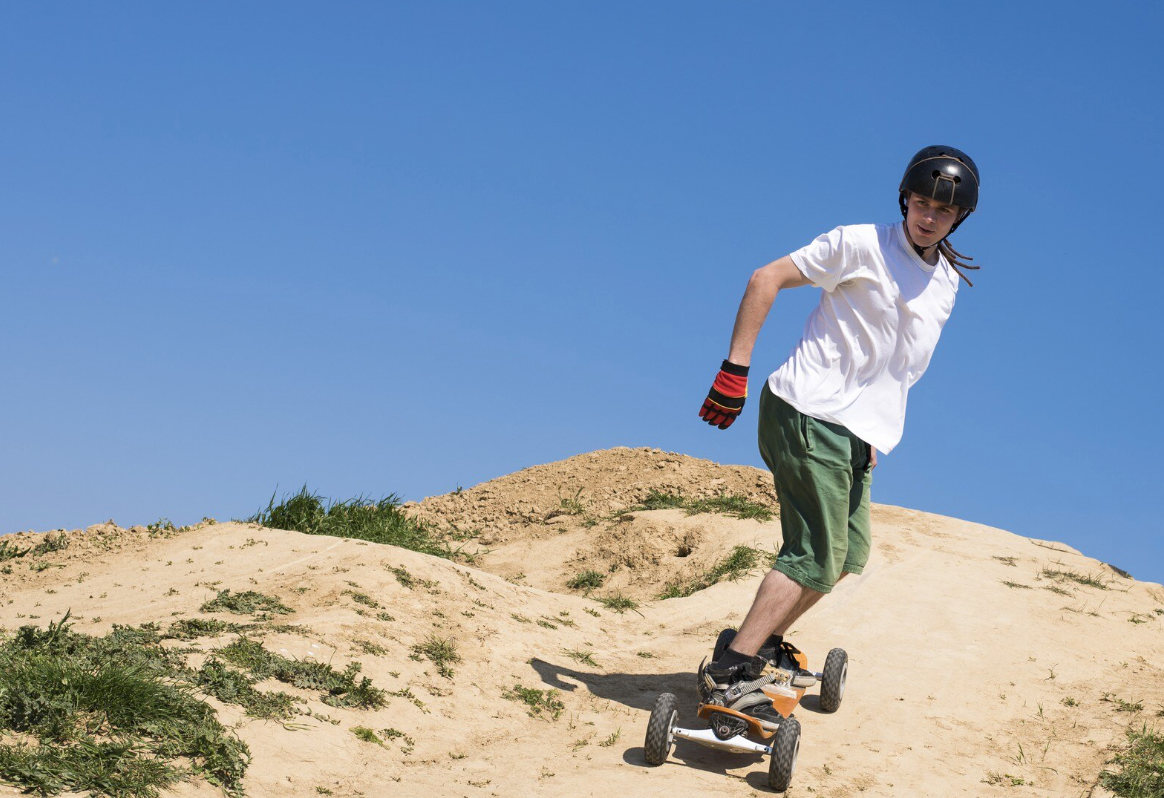
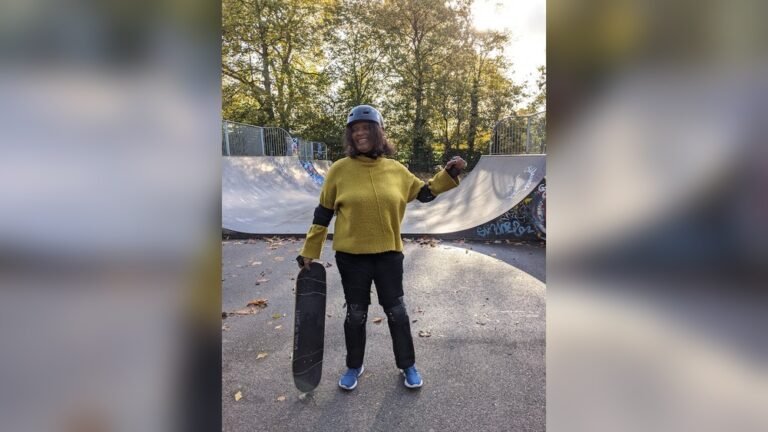
The most crucial aspect of skateboarding safety is the consistent and correct use of protective gear. While some seasoned skaters might forgo certain items, especially for casual cruising, protective gear is non-negotiable for beginners and highly recommended for all levels, particularly when attempting new tricks or riding in challenging environments. The aim is to minimize the impact of inevitable falls and reduce the severity of injuries.
Helmets: Protecting Your Most Vital Asset
A helmet is arguably the most important piece of safety equipment for any skateboarder. Head injuries, ranging from concussions to more severe traumatic brain injuries, can have long-lasting consequences. It’s vital to choose a helmet specifically designed for skateboarding or multi-sport use, as these are built to withstand impacts from various angles.
- Fit is Key: A helmet that doesn’t fit properly won’t offer adequate protection. It should sit level on your head, about two finger-widths above your eyebrows, and feel snug without being uncomfortable. The straps should form a ‘V’ shape under your ears, and the chin strap should be tight enough that you can only fit one or two fingers between it and your chin.
- Certification Standards: Look for helmets that meet safety standards like the ASTM F1492 or CPSC (Consumer Product Safety Commission) certifications in the US. These indicate the helmet has undergone rigorous testing.
- Regular Replacement: Helmets are designed for single-impact protection. If your helmet has been involved in a significant fall or impact, it should be replaced, even if there’s no visible damage. Over time, sweat and UV exposure can also degrade the materials, so consider replacing a helmet every 3-5 years.
Pads: Safeguarding Extremities
While helmets protect the head, pads are essential for protecting your arms and legs from scrapes, bruises, and fractures.
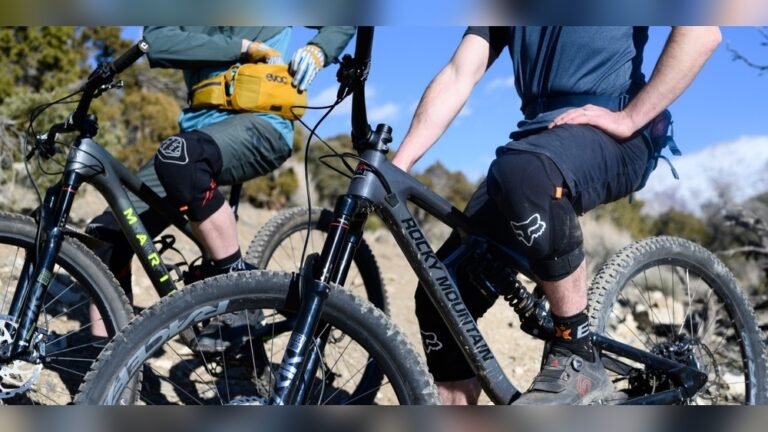
- Knee Pads: These are critical for absorbing the impact of falls, which often involve landing on your knees. Good knee pads should offer ample padding, a hard shell to slide on, and secure straps to keep them in place.
- Elbow Pads: Similar to knee pads, elbow pads protect your elbows from direct impact and abrasions. They are particularly important for preventing fractures and dislocations.
- Wrist Guards: The wrists are particularly vulnerable in skateboarding. When falling forward, the natural instinct is to put your hands out, often leading to wrist sprains or fractures. Wrist guards typically include a rigid splint on the palm side to prevent hyperextension and protect the bones.
Pro Tip: When purchasing pads, try them on with your protective clothing to ensure they fit comfortably and don’t restrict your movement excessively. Many skate shops offer combo packs that include a helmet and a set of pads, which can be a cost-effective option.
Footwear: Grip And Support
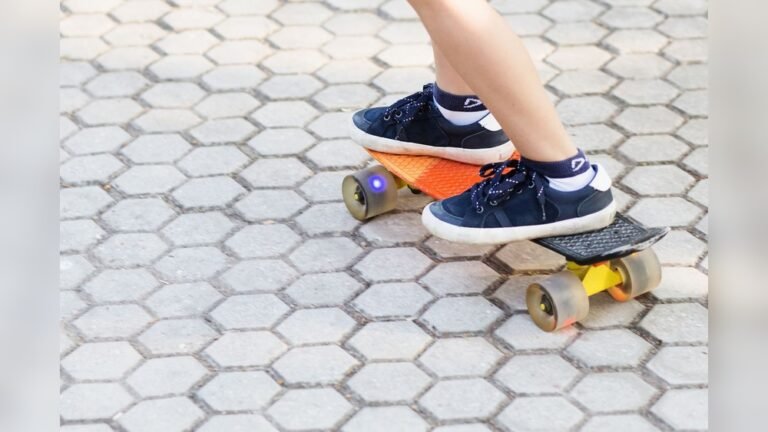
While not “protective gear” in the same vein as helmets and pads, the right footwear is crucial for safety and performance. Skate shoes are designed with flat, grippy soles made of vulcanized rubber for maximum board feel and traction. They also offer ankle support and durable construction to withstand the wear and tear of skateboarding. Avoid shoes with thick, chunky soles or slippery treads, as these can compromise your grip and control. Learning how to choose a skateboard deck is also part of setting up for safe riding.
Credit: www.isinwheel.com
Mastering The Fundamentals: Building A Solid Foundation
Before you even think about ollies or kickflips, mastering the fundamental skills of skateboarding is paramount for safety. These basics provide the control and confidence needed to navigate your board and react to changing situations, significantly reducing the likelihood of uncontrolled falls.
Balancing And Stance
The first step is simply learning to balance on the board. This involves finding your natural stance, either “regular” (left foot forward) or “goofy” (right foot forward).
- Finding Your Stance: A common way to determine this is to have someone gently push you from behind. Whichever foot you naturally step forward with to catch yourself is likely your leading foot. Alternatively, imagine sliding on ice; the foot you’d put forward first is often your natural stance.
- Body Positioning: Once on the board, keep your knees bent and your weight centered over the board. Your arms can be used for balance, extended to the sides. Avoid stiffening up; a relaxed yet controlled posture is key.
Pushing And Gaining Momentum
Learning to push off the ground effectively is essential for moving around.
- The Push: With your leading foot on the board, use your back foot to push off the ground. Start with short, controlled pushes. As you gain momentum, bring your back foot onto the tail of the board to ride.
- Control Your Speed: Understand how to control your speed by adjusting the force and frequency of your pushes. For slowing down, you can gradually bring your back foot off the board and drag it lightly on the ground.
Turning And Carving
Learning to turn is vital for navigating obstacles and changing direction.
- Leaning: The primary way to turn is by shifting your weight and leaning. Leaning forward on your toes will make the board turn in one direction (often called a “toe-side” turn), while leaning back on your heels will turn it in the other direction (a “heel-side” turn).
- Carving: As you become more comfortable, you’ll naturally develop a smooth carving motion, which involves a series of linked turns. This is a fundamental skill for cruising and maintaining momentum.
Stopping Techniques
Knowing how to stop safely and effectively is a critical skill.
- Foot Braking: This is the most basic stopping method. As you gain speed, take your back foot off the board and drag the sole of your shoe on the ground. Start with light pressure and gradually increase it. This method is best for lower speeds.
- Tail Drag: For slightly higher speeds, you can lift the nose of the board slightly and drag the tail. This requires more control and can wear down your tail, but it’s an effective way to scrub speed.
- Kickturn (for more advanced riders): A kickturn involves lifting the front wheels off the ground by applying pressure to the tail and pivoting the board. This is more advanced but offers a quick way to change direction and stop.
Example: When I first started skateboarding, I spent an entire afternoon just learning to push and stop repeatedly in an empty parking lot. This foundational practice made all the subsequent steps, like turning and basic tricks, feel much more accessible and less intimidating.
Understanding And Navigating Your Environment
Skateboarding takes place in a variety of environments, from dedicated skateparks to public streets and plazas. Each environment presents unique challenges and potential hazards. Being aware of your surroundings is as crucial as mastering your board.
Skateparks: Rules And Etiquette
Skateparks are designed for skateboarding and offer a controlled environment with features like ramps, rails, and bowls. However, they also have their own unwritten rules and etiquette.
- Flow and Direction: In areas with ramps and bowls, observe the general flow of traffic. Typically, riders enter from the top or sides and exit at the bottom. Avoid stopping in the middle of transitions or blocking pathways.
- Respect Other Riders: Give other skaters space. Don’t drop in on someone who is already in the middle of a run. Wait your turn and be mindful of others’ skill levels.
- Learn the Features: Understand how to approach and ride different obstacles safely. For example, a quarter pipe requires a specific approach and understanding of momentum.
Public Spaces: Streets, Sidewalks, And Plazas
Skateboarding in public areas requires extra vigilance due to the presence of pedestrians, vehicles, and uneven terrain.
- Pedestrian Awareness: Always yield to pedestrians. Sidewalks are primarily for walking, and while often used by skaters, it’s important to do so respectfully and cautiously. Avoid weaving through crowds or riding at high speeds.
- Traffic Safety: If skating on or near roads, be acutely aware of car traffic. Understand traffic laws and signals. Never skate against traffic. It’s often safer to skate on the side of the road with traffic, but always prioritize visibility and avoid busy roads if possible.
- Terrain Hazards: Be on the lookout for cracks, potholes, loose gravel, debris, and uneven surfaces. These can easily cause you to lose balance or your board to stop suddenly. Always scan ahead for potential obstacles.
- Legality: Be aware that skateboarding may be prohibited in certain public areas or private properties. Look for “No Skateboarding” signs. Respecting these rules helps maintain positive community relations and avoids potential fines or confiscation of your board.
Weather Conditions
Weather can significantly impact your skating experience and safety.
- Wet Surfaces: Rain, dew, or even damp surfaces can make your wheels lose traction, leading to unpredictable slides and falls. Avoid skating on wet surfaces.
- Extreme Heat: Long sessions in hot weather can lead to dehydration and heatstroke. Ensure you stay hydrated and take breaks in the shade.
- Cold Weather: While cold doesn’t directly affect the board’s grip, it can make muscles stiffer and increase the risk of injury. Wear warm layers, but ensure they don’t impede movement.
Example: I once witnessed a skater at a popular downtown spot take a nasty fall because they didn’t notice a large, broken piece of pavement hidden by leaves. This reinforced for me the importance of constantly scanning the ground ahead, especially in less predictable urban environments.

Credit: www.texaschildrens.org
Proper Technique And Body Mechanics
Beyond basic control, adopting the correct technique and understanding body mechanics can dramatically improve your stability, control, and ability to handle falls, thereby enhancing overall safety.
Body Alignment And Weight Distribution
Maintaining proper alignment and distributing your weight correctly is fundamental for control and balance.
- Centered Weight: Keep your weight centered over the bolts of your skateboard. Avoid leaning too far forward or backward, as this can cause the board to shoot out from under you or lift the front wheels unexpectedly.
- Bent Knees: Always maintain a slight bend in your knees. This acts as a natural shock absorber, allowing you to adapt to bumps and uneven surfaces. It also lowers your center of gravity, improving stability.
- Core Engagement: A strong, engaged core provides stability and helps you react quickly to shifts in balance. Think of it as a central point of control for your entire body.
How To Fall Safely
Falling is an inevitable part of skateboarding. Learning to fall correctly can turn a potentially serious injury into a minor tumble.
- Tuck and Roll: Instead of trying to catch yourself with outstretched hands or stiff legs, try to relax and tuck and roll. If you feel yourself losing balance, try to roll with the fall. This disperses the impact over a larger area of your body and reduces the force on any single joint.
- Avoid Stiff Limbs: Resist the urge to stiffen your arms or legs. This is what often leads to sprains and fractures. A relaxed body is more resilient.
- Use Your Pads: If you have pads on, don’t be afraid to let yourself slide on them. They are designed for this purpose.
Momentum And Balance
Understanding how momentum works on a skateboard is key to maintaining control.
- Forward Momentum: A moving skateboard is easier to balance than a stationary one. Small adjustments in weight and subtle shifts in your stance can keep you balanced when rolling.
- Anticipation: Try to anticipate bumps or changes in the terrain. By bending your knees and adjusting your weight slightly *before* hitting an obstacle, you can absorb the impact more effectively.
The Importance Of “skateboarding Is Good For Mental Health: Boost Your Wellbeing”
While this article focuses on physical safety, it’s worth noting that the mental aspects of skateboarding are intertwined with physical well-being. Building confidence through mastering skills, the focus required to avoid hazards, and the problem-solving involved in navigating challenges all contribute to a robust mental state.
This confidence can translate into better decision-making on and off the board, including safety choices.
Skateboard Maintenance: Ensuring Your Board Is Road-ready
A well-maintained skateboard is a safer skateboard. Regularly inspecting and maintaining your equipment can prevent unexpected failures that could lead to accidents. Understanding the components of your board and how to care for them is part of responsible skating.
Inspecting Your Deck
The deck is the main platform you stand on. It’s susceptible to damage, especially from impacts and stress.
- Pressure Cracks: Look for small cracks, often near the trucks or along the edges. These can weaken the deck considerably. Pressure cracks on skateboard decks are common, especially with aggressive riding or landing tricks improperly.
- Delamination: This occurs when the layers of wood start to separate, often due to water damage. A delaminated deck will feel soft and will not perform well, and it’s a sign it needs replacing.
- Tail and Nose Wear: The tail and nose will naturally wear down from grinding and flicking for tricks. While cosmetic, excessive wear can affect how you perform certain maneuvers.
Checking Your Trucks
Trucks are the metal T-shaped components that attach the wheels to the deck and allow you to steer.
- Tightness: Ensure the kingpin nut (the large nut in the center of the truck) is appropriately tightened. Too loose, and your board will be unstable; too tight, and it will be difficult to turn. Your preferred tightness will depend on your riding style and weight.
- Wear: Check the bushings (the rubbery components within the trucks) for excessive wear or cracks. Damaged bushings can affect steering and stability.
- Alignment: Make sure the trucks are securely bolted to the deck and are aligned straight.
Wheel And Bearing Condition
Wheels and bearings are what allow your board to roll.
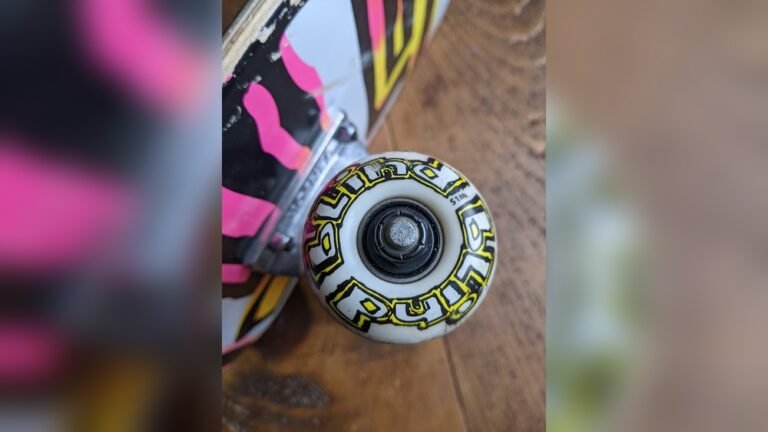
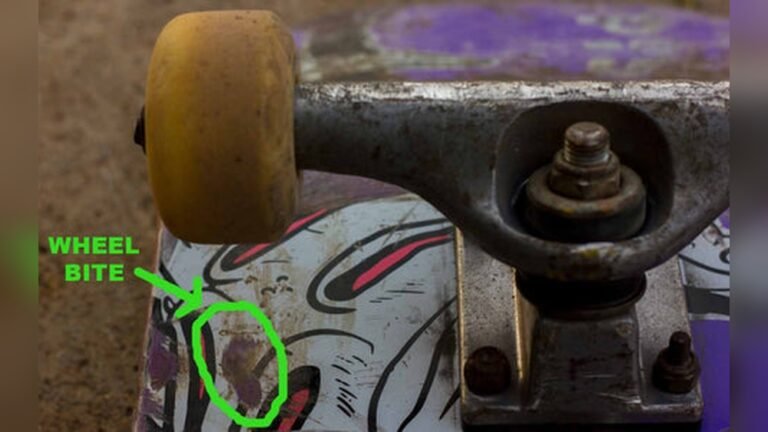
- Wheel Wear: Check your wheels for flat spots (areas worn down from excessive braking) or chunking (pieces of the urethane breaking off). Worn wheels can affect grip and cause vibrations.
- Bearing Performance: Bearings should allow your wheels to spin freely and smoothly. If they feel gritty, slow, or seize up, they may need cleaning or replacement. You can test them by spinning each wheel; they should rotate for a good amount of time.
- Axle Nuts: Ensure the axle nuts that hold the wheels onto the trucks are snug but not so tight that they restrict the wheel’s spin. A good rule of thumb is to tighten them until the wheel has minimal side-to-side wobble but still spins freely.
Griptape Maintenance
Griptape provides the traction for your feet.
- Cleanliness: Keep your griptape as clean as possible. Dirt and debris can reduce its effectiveness. A stiff brush can help remove loose dirt.
- Wear: Over time, griptape will wear down, especially in areas where you frequently place your feet or perform tricks. If it loses its grip, it’s time for a replacement.
Example: I once had a wheel fall off mid-ride because I hadn’t checked the axle nut after a recent session. Thankfully, I was going slowly on a flat surface, but it was a stark reminder of how crucial regular maintenance checks are for preventing accidents. If you’re looking for quality components, understanding skateboard manufacturers guide can help you choose reliable parts.
Progression And Skill Development Safely
The allure of skateboarding lies in its continuous learning curve and the satisfaction of mastering new skills. However, pushing your abilities without a proper progression strategy can lead to frustration and injury. Safe skill development involves patience, practice, and a smart approach to learning new tricks.
Start With The Basics, Again And Again
Before attempting any advanced tricks, ensure your fundamental skills are solid. Can you comfortably push, turn, and stop on various surfaces? Are you confident balancing? Revisit these basics regularly, especially if you’re trying something new.
Gradual Progression
Don’t rush into complex maneuvers. Break down tricks into smaller, manageable steps.
- Learn Tricks in Order: For example, before attempting an ollie, practice balancing and popping the board slightly off the ground. Once the ollie is consistent, you can then work on ollieing over small objects.
- Master One Trick Before Moving On: Focus on getting a trick consistent and comfortable before moving to the next. This builds muscle memory and confidence. For beginners, learning easy skateboard tricks for beginners is the perfect starting point.
Practice In Appropriate Environments
Choose locations that match your skill level and the trick you’re practicing.
- Flat Ground: Many basic tricks are best learned on flat, smooth surfaces where you have plenty of space and can easily practice the motion without the added complexity of obstacles.
- Beginner-Friendly Parks: Some skateparks have areas specifically designed for beginners, with smaller ramps and gentler transitions.
- Safe Landing Zones: When learning new tricks, especially those involving air or jumps, ensure you have a clear, soft landing area if possible (like grass near a flat concrete area), though this is not always feasible.
Understanding Your Limits
It’s crucial to recognize when you’re pushing too hard or are too fatigued.
- Listen to Your Body: If you’re feeling tired, sore, or mentally drained, it’s time to take a break. Fatigue significantly impairs reaction time and judgment, increasing the risk of injury.
- Don’t Compare Yourself: Everyone progresses at their own pace. Comparing your progress to others can lead to taking unnecessary risks. Focus on your own journey.
- Mental Preparedness: Some tricks require significant mental commitment. If you’re feeling hesitant or scared, it might not be the right time to attempt it. Build up to it gradually.
Seeking Guidance
Learning from experienced skaters or instructors can accelerate your progress and improve your technique, making you safer.
- Skate with Friends: Skating with others, especially those more experienced, can provide valuable tips and encouragement. They can offer feedback on your technique and help you spot potential problems.
- Watch Tutorials (Critically): Online tutorials can be helpful, but remember that videos often show the perfected version of a trick. Pay attention to the detailed breakdowns and safety tips provided.
- Consider Lessons: If you’re serious about learning and want to ensure you’re building good habits from the start, consider taking lessons from a qualified instructor. This is particularly relevant for learning how to teach a kid to skateboard or for adults who are how to learn skateboarding as an adult.
Example: When I was trying to learn to grind, I spent weeks just practicing manuals (balancing on the back wheels) and fakie ollies (ollies while riding backward). This built the balance and board control needed, making the actual grind attempt much more successful and safer than if I had just jumped straight to trying it on a rail.
Health And Well-being For Skaters
Skateboarding is physically demanding, and maintaining good physical and mental health is crucial for preventing injuries, improving performance, and enjoying the sport long-term.
Physical Conditioning
Being in good shape can significantly enhance your skateboarding ability and resilience.
- Strength Training: Focusing on core strength, leg strength, and upper body strength can improve balance, power, and the ability to withstand impacts. Exercises like squats, lunges, planks, and push-ups are beneficial.
- Flexibility and Mobility: Regular stretching can improve your range of motion, making it easier to adjust your body position and absorb shocks. Focus on stretching your hamstrings, hips, and shoulders.
- Cardiovascular Fitness: Good stamina allows you to skate for longer periods without fatigue, which, as mentioned, is a key safety factor. Activities like running, cycling, or swimming can build endurance.
Hydration And Nutrition
Proper fueling of your body is essential for energy levels, concentration, and recovery.
- Stay Hydrated: Drink plenty of water before, during, and after skating sessions, especially in warm weather. Dehydration can lead to dizziness, fatigue, and reduced reaction time.
- Balanced Diet: Consume a balanced diet rich in fruits, vegetables, lean proteins, and whole grains to provide your body with the necessary nutrients

One Comment