Skateboarding Vs Roller Skating: Which Is Right for You?
Skateboarding Vs Roller Skating: Which One Fits You Best?
Both skateboarding and roller skating are exciting ways to move, exercise, and have fun. You see people gliding down streets, doing tricks at parks, or joining groups in city squares. But while they look similar, these activities offer unique experiences. Choosing between them depends on your goals, preferences, and even your local environment.
If you’re new to these sports, you might wonder which is easier to learn, safer, or better for fitness. Maybe you dream of landing tricks, or you just want to roll with friends. This article explores all sides of skateboarding vs roller skating to help you make a confident choice.
The Basics: What Makes Them Different?
At first glance, both involve wheels and movement, but the equipment and style are quite different.
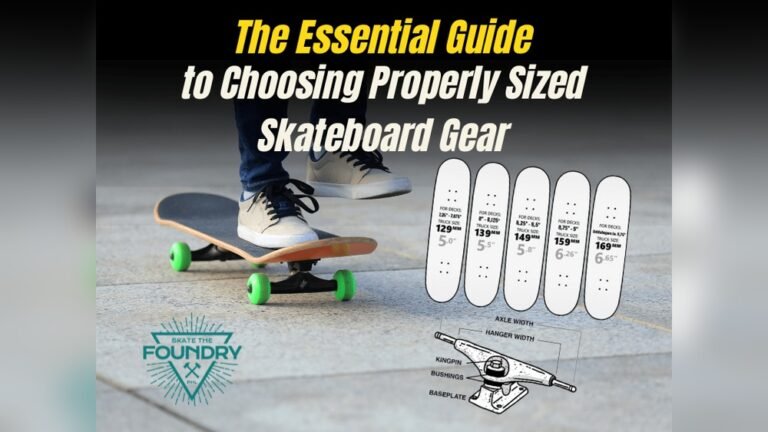
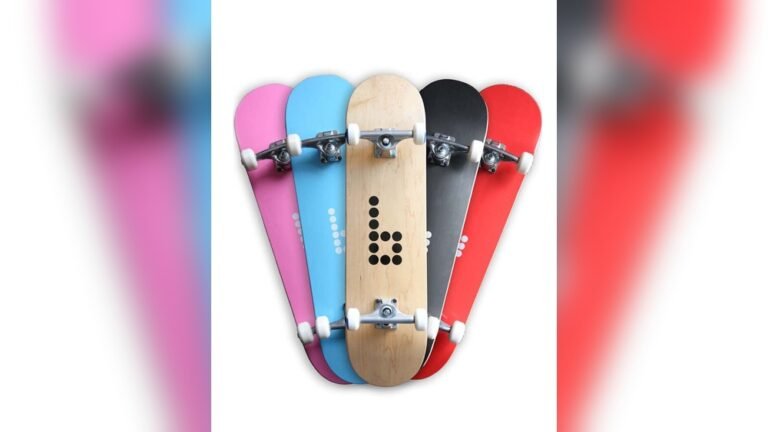
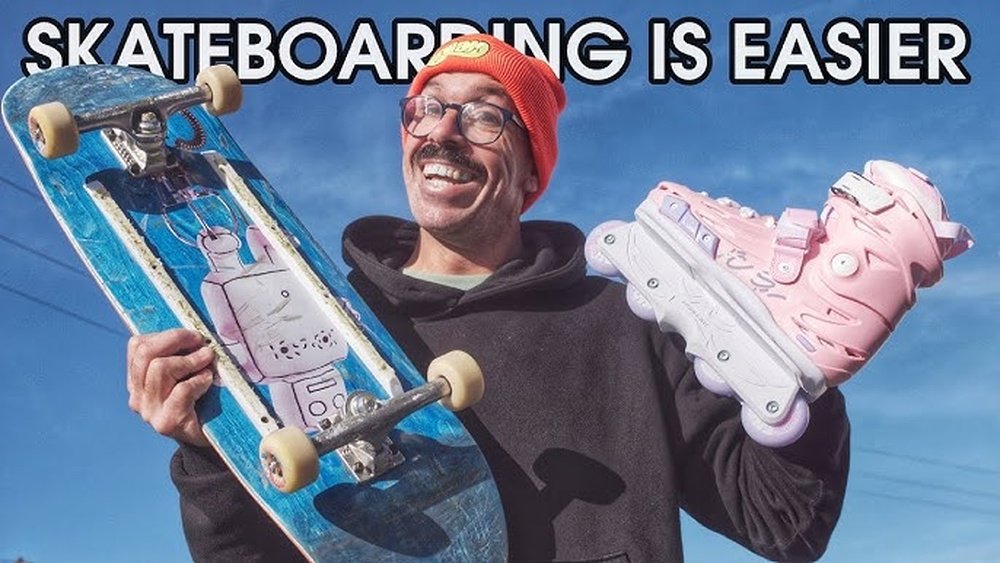
- Skateboarding uses a flat wooden board with four wheels underneath. You stand sideways, push with one foot, and use your body to turn and balance. Skateboards are famous for tricks, jumps, and urban riding.
- Roller skating uses shoes or boots with four wheels each. The wheels are arranged in two pairs (quads), so you face forward, moving with a walking or gliding motion. Roller skates are popular for dance, cruising, and smooth indoor tracks.
Here’s a side-by-side equipment comparison:
| Feature | Skateboard | Roller Skates |
|---|---|---|
| Design | Flat board, trucks, 4 wheels | Boot with 4 wheels (2×2) |
| Stance | Sideways | Forward |
| Braking | Foot drag or tail | Toe stop brake |
| Common Surfaces | Pavement, skateparks | Indoor rinks, smooth streets |
Learning Curve: Which Is Easier To Start?
A big question for beginners is, “Which one is easier to learn? ” The answer depends on your balance and comfort with movement.
Skateboarding
Skateboarding requires sideways balance and regular foot pushing. Many beginners struggle to simply stay on the board without wobbling. Turning and stopping are harder at first, and tricks need patience.
- Most people need several days to ride a skateboard comfortably.
- Falling is common, especially when learning to balance or turn.
- Progress can feel slow at the start but speeds up with practice.
Roller Skating
Roller skating feels more familiar because you stand forward, like walking or running. The wider wheelbase gives extra stability. Many people find it less scary at first.
- You can often move and glide after a few minutes.
- Turning and stopping are easier thanks to the toe brake.
- Falling happens, but it’s less frequent in the early stages.
Non-obvious Insight: Many Think Skateboarding Is “cooler,” But Roller Skating Often Gets People Moving Faster And With More Confidence In The First Hour.
Safety And Injury Risks
Both sports carry some risk, but the types of injuries and their frequency differ.
Skateboarding Risks
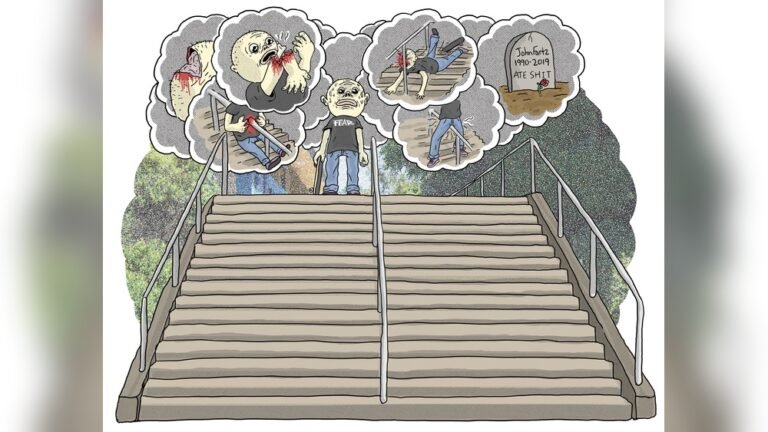
- Falls from height are common, especially during tricks or on ramps.
- Wrist, elbow, and ankle injuries lead the statistics.
- Head injuries happen more often, so helmets are crucial.
A study by the US Consumer Product Safety Commission found that skateboarding resulted in over 98,000 ER visits in 2021, mostly among teens.
Roller Skating Risks
- Lower speed falls are more common.
- Most injuries are bruises, sprains, or wrist fractures.
- Head injuries are less frequent, but still possible.
Roller skating sees fewer serious injuries overall, especially for recreational skaters.
Pro Tip: Wearing Wrist Guards And Knee Pads Reduces Injury Risk In Both Sports By Up To 70%.
Fitness And Health Benefits
Both activities offer great cardio and help tone muscles, but in different ways.
Skateboarding
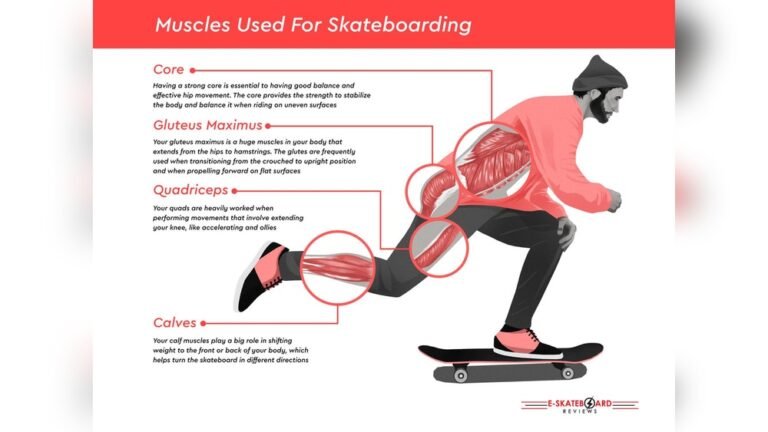
- Leg strength improves as you push and balance.
- Core muscles work constantly for stability.
- Trick practice boosts explosive power and coordination.
A 30-minute session can burn 150–220 calories, depending on intensity.
Roller Skating
- Glutes and thighs get a stronger workout due to the skating motion.
- Regular skating builds endurance and balance.
- Dance skating adds flexibility and rhythm.
A moderate session can burn 250–350 calories in 30 minutes, making it slightly better for pure cardio.
| Benefit | Skateboarding | Roller Skating |
|---|---|---|
| Calories Burned (30 min) | 150–220 | 250–350 |
| Muscle Focus | Legs, core, arms | Legs, glutes, core |
| Balance Needed | High | Moderate |
Non-obvious Insight: Skating Backward Or Spinning On Roller Skates Works Stabilizer Muscles Not Used In Regular Skateboarding.
Credit: www.nattorkskates.com
Tricks And Skills: Creativity And Progression
If you dream of performing tricks, each sport offers a different path.
Skateboarding
- Flip tricks (like ollies, kickflips) are unique to skateboarding.
- Grinds and slides on rails, ledges, or curbs are a big draw.
- Progression is slow, but each new skill feels like a big win.
Skateboarding has a rich trick vocabulary and is featured in the Olympics.
Roller Skating
- Dance and artistic moves are common, especially in rinks.
- Jumps and spins are part of artistic or jam skating.
- Some skaters do “grinds” with special aggressive skates.
While fewer outdoor obstacles are used, the creative expression is huge—especially in group dances.
Real-world Example: Tiktok’s Roller Skating Trend Brought Millions To Rinks, While Skateboarding Dominates Youtube With Trick Videos.
Social Scene And Culture
The scene you join can shape your experience more than the sport itself.
Skateboarding Culture
- Often street-based, independent, and creative.
- Skateparks are social hubs, but some spots can feel intimidating for beginners.
- Fashion and music are a big part of the vibe.
Roller Skating Culture
- Community-driven, friendly, and often more inclusive.
- Indoor rinks host parties, lessons, and dance nights.
- Many adult beginners join, especially since 2020.
Key Point: Roller Skating Groups Often Welcome All Skill Levels, While Skateboarding Spots Can Sometimes Feel Competitive.

Credit: skateraati.com
Cost And Accessibility
Getting started doesn’t have to be expensive, but there are differences.
Skateboarding
- Beginner skateboard: $40–$120
- Safety gear (helmet, pads): $40–$100
- Skatepark entry: Usually free or a small fee
- Repairs: Wheels and boards wear out
You can practice almost anywhere with smooth pavement.
Roller Skating
- Beginner roller skates: $60–$150
- Safety gear: $40–$100
- Rink admission: $5–$15 per session
- Repairs: Toe stops and wheels need replacement
Many cities have indoor rinks, but outdoor skating needs smooth, clean surfaces.
Pro Tip: Used Equipment Is Common For Both. Try Before You Buy If You Can—fit And Comfort Matter.
Weather And Environment
Where you live can affect your choice.
- Skateboarding works well on city streets, parking lots, and skateparks. Wet weather is a problem, as water damages boards and makes surfaces slippery.
- Roller skating is best indoors during rain or snow. Outdoor skating needs smooth, debris-free paths, which can be hard to find in some cities.
If you want a year-round hobby, roller skating has an edge thanks to indoor rinks.

Credit: www.youtube.com
Age And Who Can Participate
Both sports welcome all ages, but there are trends.
- Kids often start with roller skating due to lower speed and easier balance.
- Teens and young adults dominate skateboarding, especially in parks.
- Adults and seniors are joining roller skating communities, especially for fitness and social reasons.
Neither sport is truly “too old” or “too young” as long as you wear protective gear and progress at your own pace.
Environmental Impact
Both sports have a low carbon footprint, but there are subtle differences.
- Skateboards last 6–24 months, but decks break more often.
- Roller skates can last several years if maintained.
- Both avoid fuel and emissions, making them eco-friendly transport options.
Pro Tip: Choose Quality Gear—it Lasts Longer And Reduces Waste.
Choosing What’s Right For You
Making the choice isn’t just about the gear or tricks—it’s about what excites you and fits your life.
- Try both if you can. Many skating rinks rent equipment, and skateboarding meetups welcome newcomers.
- Think about your main goal. Is it fitness, tricks, social fun, or transportation?
- Consider your local area. Are there safe skateparks, smooth trails, or indoor rinks nearby?
- Don’t ignore injuries. If you have weak ankles or past injuries, roller skating may feel safer.
- Remember: No choice is final. Many people enjoy both at different times.
Frequently Asked Questions
Is Skateboarding Or Roller Skating Better For Beginners?
Roller skating is usually easier for most beginners due to the forward-facing stance and wider wheelbase. You can learn to move and stop quickly. Skateboarding requires more balance and practice, especially at first.
Which Burns More Calories: Skateboarding Or Roller Skating?
Roller skating generally burns more calories per hour, especially if you skate continuously. A typical session can burn 250–350 calories in 30 minutes, compared to 150–220 for skateboarding.
Is It Safer To Roller Skate Than To Skateboard?
Roller skating has a lower risk of serious injury, especially for casual skaters. Most injuries are minor bruises or sprains. Skateboarding has a higher rate of falls and wrist or head injuries, especially when doing tricks.
Can You Use Skateboards And Roller Skates On The Same Surfaces?
Both need smooth surfaces, but skateboards handle cracks and rough patches better. Roller skates work best on very smooth, clean paths or indoor rinks. Outdoor roller skating can be tough in cities with poor pavement.
Are There Communities Or Events For Both Sports?
Yes! Both have active communities. Skateboarding has local park meetups, contests, and group rides. Roller skating offers social events, dance nights, and group skates. Both sports are growing, especially among adults and beginners.
If you want to learn more about the growth and culture of these sports, check out this Wikipedia page on skateboarding.
Whether you choose a board or skates, both sports offer freedom, fitness, and fun. The best way forward is to try, explore, and enjoy the ride.