Longboard Tricks for Beginners: Easy Moves to Get You Rolling
Longboarding is not just about cruising on smooth roads or riding down hills. Many riders want to learn tricks that make longboarding more fun and exciting. If you are new, the idea of doing tricks may seem scary. But with the right steps and guidance, you can start learning longboard tricks safely and confidently—even as a beginner. This guide will help you understand which tricks to try first, how to practice, and what to expect.
Why Start With Longboard Tricks?
Many people think tricks are only for skateboards. But longboards are great for tricks too, especially for those who love flow and style. Tricks help you:
- Improve balance and control
- Make riding more interesting
- Build confidence as you progress
- Connect with other riders
Learning tricks is also good for your body. It improves coordination and strengthens muscles. Even simple tricks can make your rides feel fresh.
Safety First: Gear And Mindset
Before trying any tricks, safety is key. Longboarding can be risky, especially when learning new moves. Here’s how to protect yourself:
- Always wear a helmet. Head injuries are serious.
- Use knee pads, elbow pads, and wrist guards. Falls happen, and pads reduce injuries.
- Choose safe places: Flat, smooth surfaces like parking lots or quiet sidewalks.
- Check your board for loose or damaged parts.
Most beginners skip pads because they look “uncool. ” But experienced riders know safety gear is essential. If you want to stay in the game, protect yourself every time.
Choosing The Right Longboard For Tricks
Not all longboards are equal for tricks. Some boards are better for sliding, some for dancing, and some for simple moves. Here’s a quick comparison:
| Type | Best For | Beginner-Friendly? |
|---|---|---|
| Drop-Through | Stable, easy slides | Yes |
| Pintail | Classic cruising, basic tricks | Yes |
| Double Kick | Advanced tricks, ollies | No |
| Dancer | Freestyle, footwork | Yes |
For beginners, drop-through and pintail boards are easiest to start with. They are stable and forgiving. Double kick boards are for advanced tricks and require more skill.
Basic Longboard Tricks For Beginners
Let’s explore some tricks you can try even if you’ve never done them before. Each trick builds skills for more advanced moves later.
1. Tic-tac
The tic-tac is a simple move. You shift your weight from side to side, moving the board forward without pushing. It’s great for learning board control.
- Stand with feet shoulder-width apart.
- Press on your toes to turn the board left.
- Press on your heels to turn right.
- Alternate sides to move forward.
Tip: Keep your knees bent. Don’t rush.
2. Manual
A manual is balancing on the back wheels while moving.
- Place your back foot near the tail.
- Slowly lean back, lifting the front wheels.
- Hold balance for a few seconds.
Most beginners think manuals need speed, but it’s easier to start slow. Try holding for just one second at first.
3. Kickturn
A kickturn helps you change direction quickly.
- Stand with your back foot on the tail.
- Press down to lift the front wheels.
- Turn your shoulders and hips in the new direction.
- Set the front wheels down and roll away.
Tip: Practice on grass first to avoid rolling too fast.
4. Carving
Carving is not a trick, but it’s an important skill. It means turning smoothly from side to side.
- Bend your knees.
- Lean into turns, using your toes and heels.
- Try wide, smooth turns.
Carving helps you control speed and prepares you for sliding tricks.
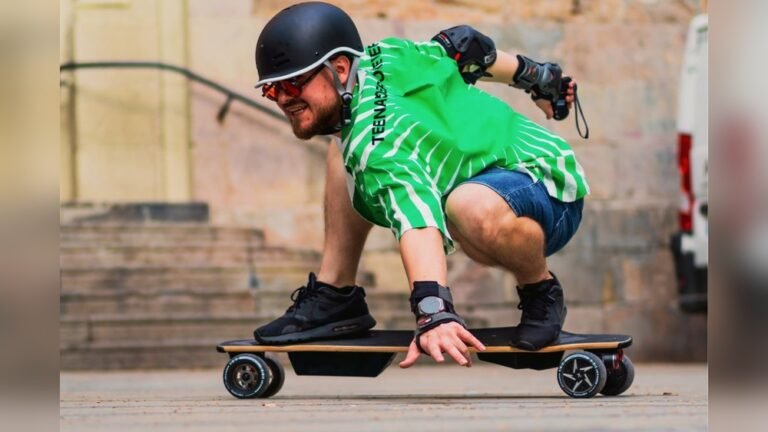
5. Coleman Slide
The Coleman slide is a basic sliding trick for slowing down. It’s useful for hills.
- Ride at medium speed.
- Bend knees, crouch low.
- Place one hand (with glove) on the ground.
- Kick out with your back foot, sliding the board sideways.
Safety tip: Use slide gloves. The trick is easier on smooth pavement.
6. Ghostride Kickflip
This trick looks fancy but is simple once you practice.
- Step off the board with your front foot.
- Kick the board to flip it over.
- Step back on after it flips.
Most beginners miss that timing matters more than speed. Practice stepping off smoothly before adding the flip.
7. Pivot
A pivot is turning the board 180 degrees with your front foot.
- Place front foot near the nose.
- Shift weight, spinning the board.
- Keep back foot off during the spin.
Tip: Try pivots on a flat surface with shoes that grip well.
8. Shuvit
The shuvit is spinning the board 180 degrees under your feet.
- Place back foot on the tail.
- Pop the tail down and scoop sideways.
- Jump slightly, let the board spin.
- Land back on the board.
Beginners often try to jump too high. Stay low and focus on the scoop.
Practicing Tricks: Tips For Faster Progress
Learning new tricks takes time. Here are practical tips to speed up your progress:
- Break tricks into smaller steps. Master each step before moving on.
- Practice regularly—short sessions every day work better than long sessions once a week.
- Record yourself. Watching your videos can show mistakes you don’t feel while riding.
- Join local groups or online forums. Other riders can give advice and feedback.
- Be patient. Most tricks take dozens of tries before they feel easy.
Many beginners give up after a few falls. But even pro riders fall hundreds of times before mastering a trick. Progress is slow at first, but every small win builds confidence.
Common Mistakes Beginners Make
Learning tricks is exciting, but beginners often make mistakes. Here are some to watch out for:
- Skipping warm-ups: Always stretch and warm up before riding.
- Choosing advanced tricks too soon: Start with basics to build skills.
- Ignoring safety gear: Injuries can end your progress.
- Practicing on rough surfaces: Find smooth, safe places.
- Using the wrong board: Some boards make tricks harder.
- Not checking board setup: Loose trucks or wheels can cause accidents.
Small mistakes can lead to big problems. Take time to set up your board and gear correctly before every session.

Credit: odysseyboards.com
Understanding Skill Progression
You may wonder how fast you can learn tricks. Progress depends on practice, mindset, and sometimes board quality. Here’s a rough progression table for beginners:
| Trick | Average Learning Time | Difficulty |
|---|---|---|
| Tic-Tac | 1-2 days | Easy |
| Manual | 3-7 days | Medium |
| Kickturn | 3-5 days | Medium |
| Coleman Slide | 1-2 weeks | Hard |
| Ghostride Kickflip | 2-3 weeks | Hard |
Everyone learns at a different pace. If you have experience with skateboards, you may progress faster. But for most people, patience is key.
Beginner-friendly Practice Spots
Choosing the right place makes learning easier. Here are some suggestions:
- Empty parking lots: Smooth and spacious.
- Schoolyards: Usually flat and safe.
- Indoor skateparks: Controlled environment, good for rainy days.
- Bike paths: Quiet times work best.
Avoid busy streets, steep hills, and crowded sidewalks. These places are risky and can lead to accidents.

Credit: www.moonshinemfg.com
Two Hidden Insights Most Beginners Miss
- Foot placement matters more than speed. Many tricks depend on where you place your feet, not how fast you go. Focus on foot position before adding speed.
- Small boards can be harder for tricks. Beginners often think smaller boards are easier. But wider, longer boards give more stability for learning basics.
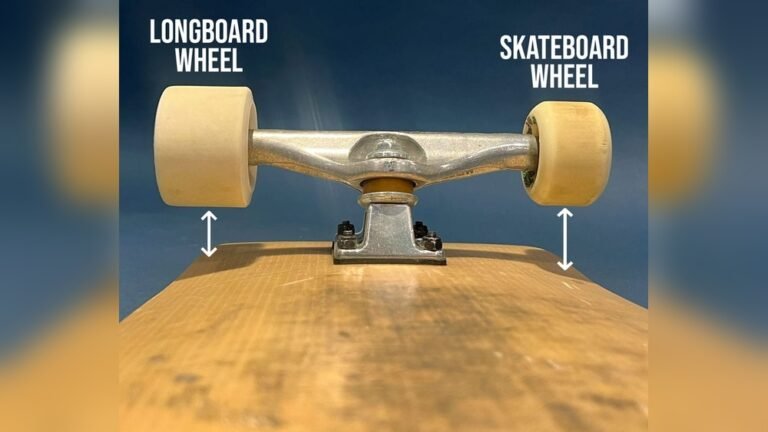
Comparing Longboard Vs Skateboard Tricks
Many people ask if tricks are easier on a skateboard or longboard. Here’s a quick comparison:
| Aspect | Longboard | Skateboard |
|---|---|---|
| Stability | High | Medium |
| Trick Variety | Medium | High |
| Learning Curve | Gentle | Steep |
| Best for Beginners | Yes | No |
Longboards are more stable and forgiving, making them great for beginners. Skateboards allow more advanced tricks, but the learning curve is steeper.
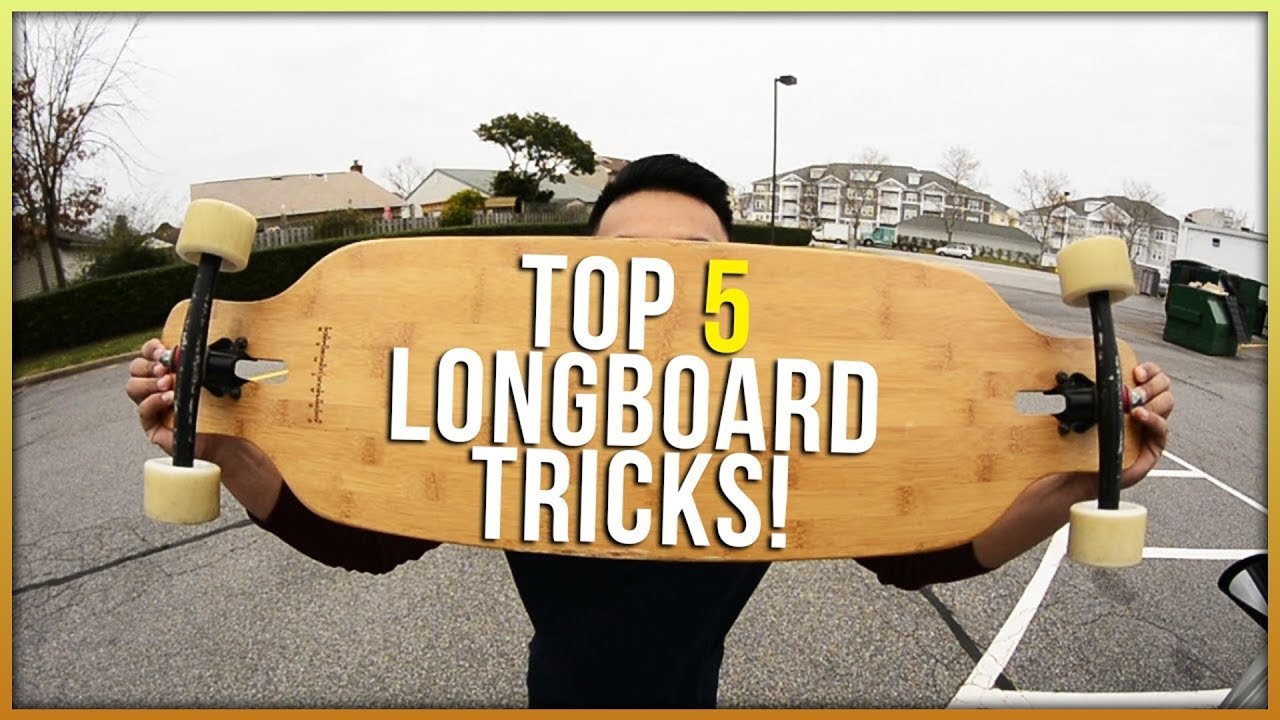
Credit: www.youtube.com
Staying Motivated As A Beginner
Learning tricks can feel slow, and sometimes you might feel frustrated. Here are ways to stay motivated:
- Set small goals, like landing a manual for three seconds.
- Celebrate progress, even if it’s tiny.
- Watch videos of other beginners. Seeing their struggles helps you realize you’re not alone.
- Try new tricks to keep things interesting.
Remember, every rider started as a beginner. It’s normal to make mistakes and fall. But every try brings you closer to success.
Resources For Learning More
If you want detailed tutorials or advice, check out online communities. One helpful source is Reddit Longboarding, where beginners and pros share tips, videos, and advice. You can also find video guides and blogs for step-by-step instructions.
Frequently Asked Questions
How Do I Choose The Best Longboard For Tricks?
Pick a board with a stable shape, like drop-through or pintail. Avoid boards that are too heavy or too small. If you want to try dancing tricks, look for longer boards.
What Safety Gear Should I Wear?
Always wear a helmet, knee pads, elbow pads, and wrist guards. Good shoes with grip are also important. Pads may seem unnecessary, but they prevent injuries.
How Long Does It Take To Learn Beginner Tricks?
It depends on your practice and skill. Simple tricks like tic-tac may take days. Harder tricks like Coleman slide or ghostride kickflip may take weeks.
Where Can I Practice Safely?
Find places with flat, smooth surfaces. Empty parking lots, schoolyards, or indoor skateparks are best. Avoid busy streets or steep hills.
Can I Do Tricks On Any Longboard?
Most tricks work on drop-through or pintail boards. Some advanced tricks need boards with kicktails. Check your board shape and size before trying new moves.
Longboarding is about fun, progress, and style. Tricks add excitement to your rides and help you grow as a rider. Start with basic moves, practice regularly, and protect yourself. With patience and the right steps, you’ll soon be landing tricks and feeling confident on your board.