Things Only Skateboarders Understand
Skateboarding is more than just a sport; it’s a culture, a lifestyle, and a unique language spoken by those who roll on four wheels. While outsiders might see it as simply riding a board, skaters know there’s a universe of unspoken rules, shared experiences, and inside jokes that bind the community together.
From the subtle nuances of board maintenance to the visceral thrill of landing a new trick, there are countless moments and feelings that are understood only by those who have truly embraced the skate life.
These shared understandings create an invisible thread connecting skaters across different backgrounds and locations. It’s in the way a skater’s eyes instinctively track a board flying through the air, the grimace of pain that turns into a smile after a hard fall, or the quiet nod of respect exchanged between two riders at a skatepark.
These are the moments that define the skateboarding experience, forging bonds that go beyond mere acquaintance.
Key Takeaways
- The Unspoken Language: Skateboarders communicate through a unique set of gestures, sounds, and shared knowledge that outsiders often miss.
- The Pain is Part of the Process: Falls, bruises, and even broken bones are common, yet they are accepted as a necessary part of progression and learning.
- Board Intimacy: Skaters develop a deep connection with their boards, understanding their quirks, maintenance needs, and the feeling of a perfectly set-up ride.
- The “Skate Sesh” Ritual: The informal gathering of skaters to practice, progress, and socialize is a cornerstone of the culture.
- The Respect Factor: Mutual respect for skills, effort, and the shared passion for skating is a fundamental aspect of the community.
- The Creative Outlet: Skateboarding is a form of self-expression, allowing riders to interact with their environment in unique and artistic ways.
- The Quest for Flow: Skaters constantly seek the feeling of effortless movement and seamless transitions, a state of being that is highly addictive.
Credit: www.youtube.com
The Language Of The Board: More Than Just Wood And Wheels
For the uninitiated, a skateboard is a simple plank of wood with wheels. For a skater, it’s an extension of themselves, a finely tuned instrument that requires constant attention and understanding. The way a board feels underfoot, the subtle differences in truck tightness, or the distinct sound of bearings on fresh pavement, these are all elements that seasoned skaters intuitively grasp.
The Art Of The “set Up”
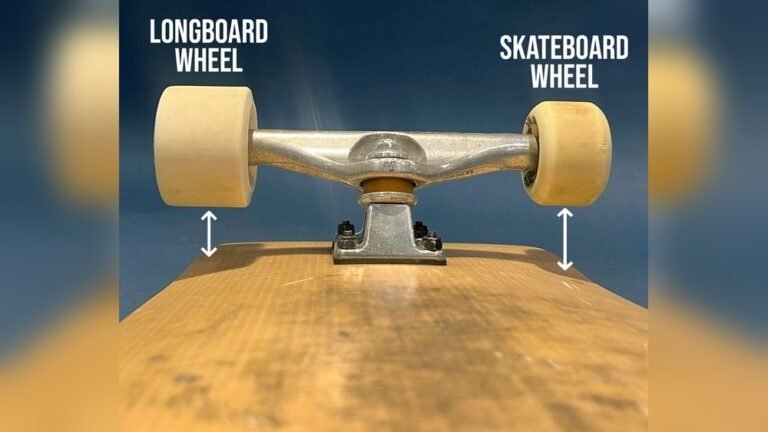
Choosing and assembling a skateboard is an art form in itself. It’s not just about picking parts; it’s about understanding how each component interacts. The deck (width, length, concave), the trucks (size, height, bushings), the wheels (diameter, durometer), and the bearings all contribute to the overall ride. A skater can tell you the exact feel of their setup, from how responsive the trucks are to how smoothly the wheels roll. This intimate knowledge is often gained through trial and error, a process of experimentation that refines their preference. For those looking to understand the nuances, a guide like How to Choose a Skateboard Deck: Expert Tips for Perfect Fit can be invaluable.
The Symphony Of Sounds
Skateboarding produces a unique auditory landscape. The clack of the tail hitting the ground during an ollie, the rumble of wheels on asphalt, the screech of a grind, and the thud of landing a trick all have distinct meanings. A skater can often identify a trick being attempted or landed simply by the sound. The quiet hum of well-maintained bearings is a sign of a properly cared-for board, while a rattling sound might indicate loose hardware or worn-out bearings.
The Visual Cues
Beyond sound, there are visual cues that only skaters recognize. The way a skater angles their body before an attempt, the subtle shift in weight, or the focused gaze, these are all signals of intent. Even the wear patterns on a board tell a story: the scuff marks from countless grinds, the chipped edges from failed attempts, or the faded graphics from sun exposure. A pressure crack on the underside of the deck is a clear indicator of stress and a potential point of failure, something any skater will immediately notice.
Credit: www.theodysseyonline.com
The Unspoken Rules Of The Skatepark And Beyond
Skateparks, while designed for public use, operate under an unwritten code of conduct that skaters instinctively follow. These rules ensure a smooth flow, prevent injuries, and foster a sense of community.
The Hierarchy Of The Session
While not rigid, there’s often a natural progression in a skate session. Beginners might start by warming up on simpler obstacles, while more experienced skaters might tackle the more challenging features. There’s an unspoken understanding about taking turns, not hogging obstacles, and giving way to those who are mid-trick.
It’s about respecting everyone’s space and time.
The “line” And Flow
In a skatepark, the concept of a “line” is crucial. It’s the path a skater takes to link together different obstacles and tricks seamlessly. Understanding how to navigate the park to create a fluid line, without cutting off others, is a skill in itself. This involves anticipating the movements of others and finding opportune moments to drop in or transition between features.
Respect For Property And The Environment
Skateboarders often interact with urban environments in ways that can be seen as disruptive. However, within the community, there’s a strong emphasis on respecting public and private property. This means not damaging ledges with excessive grinding without permission, cleaning up after yourself, and generally leaving spots better than you found them.
Many skaters advocate for skate spots to be integrated into urban planning rather than being seen as a nuisance.
The Etiquette Of Spot Hopping
When a popular skate spot becomes too crowded or is shut down, skaters often move to new locations, a practice known as “spot hopping.” This requires discretion and respect for the area. Leaving no trace, being mindful of noise, and avoiding trespassing are paramount. The goal is to skate without causing problems that could lead to being banned from a spot or facing legal issues.
The Pain Is Part Of The Progression
One of the most significant aspects of skateboarding that outsiders may not fully comprehend is the inherent acceptance of pain and injury. Falls are not just occasional mishaps; they are an integral part of the learning process.
The Ouch Factor: Bruises, Scrapes, And Worse
Skateboarding is a contact sport with the ground. Scrapes, bruises, and sprains are commonplace. More serious injuries like fractures or concussions are also a reality for many skaters. However, the typical reaction is not to quit, but to assess the damage, perhaps ice it, and return to skating as soon as possible. This resilience is a hallmark of the skateboarding spirit. The mental fortitude developed through overcoming physical pain is a significant, often overlooked, benefit. Benefits of Skateboarding: Boost Health, Confidence, and Fun touches upon this mental toughness.
The “shake It Off” Mentality
There’s a cultural understanding that after a fall, you “shake it off.” This doesn’t mean ignoring serious injuries, but rather the immediate reaction to a minor setback. A skater might wince, rub a sore spot, and then immediately try the trick again. This persistence in the face of discomfort is what allows skaters to push their boundaries and achieve increasingly difficult maneuvers.
Learning From Failure
Every failed trick is a learning opportunity. Skaters analyze what went wrong, was it foot placement, timing, speed, or commitment? This analytical approach, combined with the willingness to endure physical discomfort, is what drives progress. The thrill of finally landing a trick that has caused days or weeks of frustration and pain is incredibly rewarding.
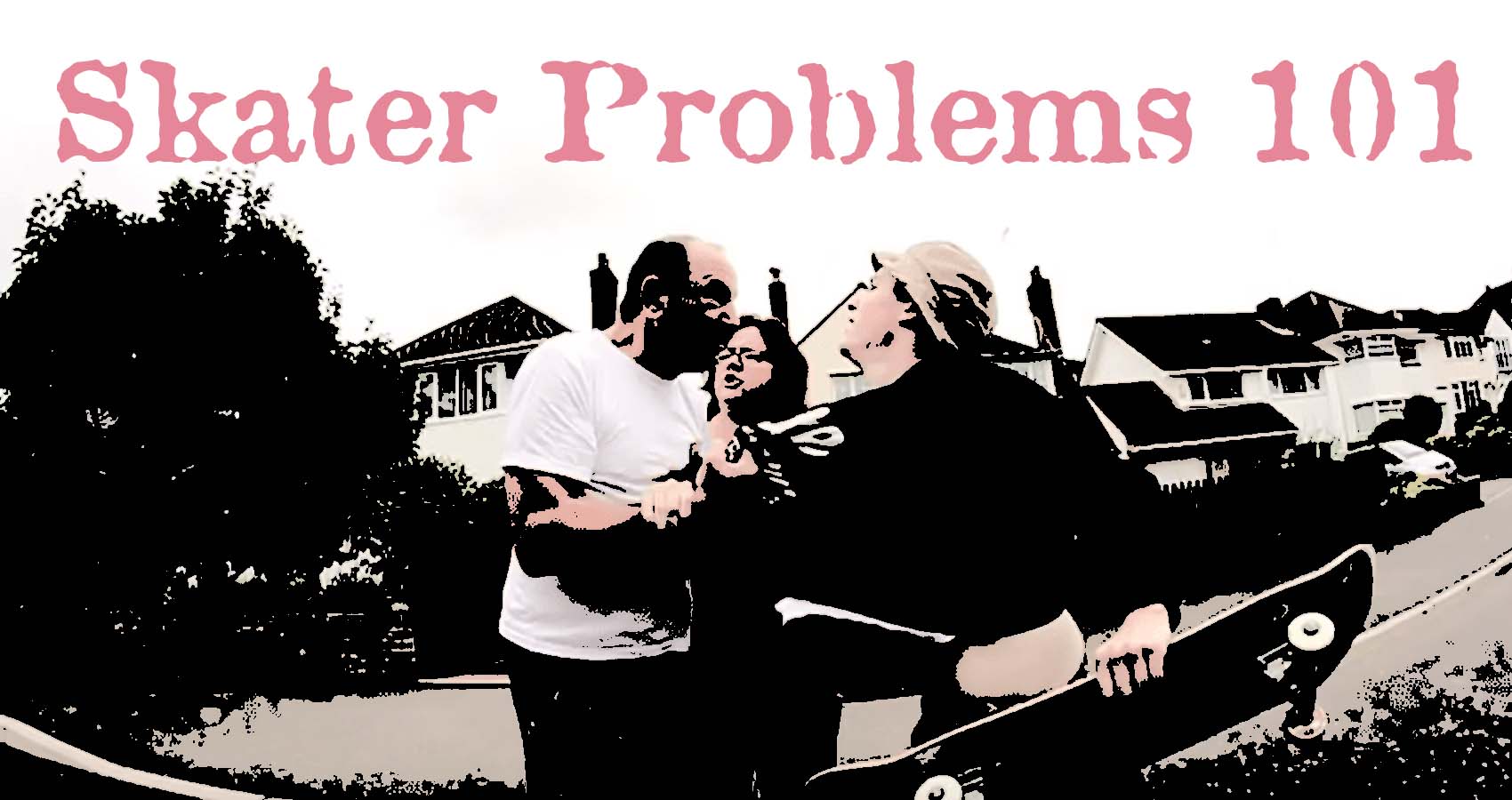
Credit: doseskateboarding.com
The “skate Sesh”: A Ritual Of Community And Progress
The “skate sesh” is the informal gathering of skateboarders to practice, socialize, and push each other. It’s the lifeblood of the skateboarding community, fostering camaraderie and shared growth.
More Than Just Practice
A skate sesh is rarely about solitary practice. It’s about the collective energy of multiple individuals all focused on the same passion. Watching others, offering encouragement, and sharing tips are all part of the experience. This collaborative environment accelerates learning for everyone involved. For beginners, seeing others attempt and land tricks can be incredibly motivating, and resources like Easy Skateboard Tricks for Beginners: Master Your First Moves Fast can be a starting point.
The Social Fabric
Beyond the skating itself, a sesh is a social event. Conversations flow between attempts, friendships are forged, and the shared experience strengthens bonds. It’s a space where skaters can be themselves, express their individuality, and find acceptance within a like-minded group.
This sense of belonging is a powerful aspect of why people continue to skate.
The Evolution Of Tricks
In a sesh, tricks often evolve organically. One skater might land a variation of a trick, inspiring another to try it differently. This constant innovation and adaptation are what keep skateboarding dynamic and exciting. The shared knowledge and experimentation within a sesh can lead to the development of new styles and maneuvers.
The Intimate Relationship With Your Skateboard
A skater’s relationship with their board is deeply personal. It’s not just equipment; it’s a partner in their endeavors. Understanding and caring for the board is a fundamental part of the skateboarding experience.
Board Maintenance As A Necessity
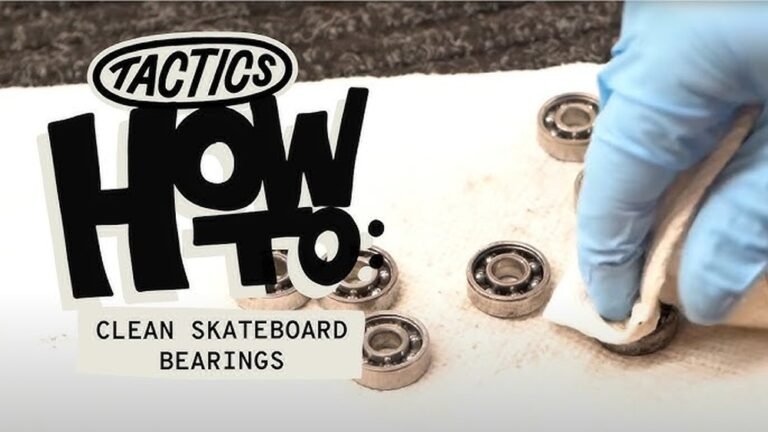
Skateboarders develop a keen sense of when their board needs attention. Loose trucks, worn-out wheels, or a deck that’s starting to lose its pop, these are all signs that require action. Regular maintenance, such as tightening hardware, cleaning bearings, and checking for cracks, is not a chore but a necessity to ensure optimal performance and safety.
Neglecting this can lead to performance issues or even accidents.
The “pop” And Feel
The “pop” of a skateboard deck refers to its responsiveness and ability to spring back when flicked or stomped. As decks age, they lose their pop, impacting the ease with which tricks can be performed. Skaters can feel this difference and know when it’s time for a new deck. Similarly, the “concave”, the curvature of the deck, significantly affects how the board feels underfoot and how easily it can be manipulated for tricks.
The Evolution Of A Board
A well-used skateboard tells a story. The graphics fade, the edges chip, and the grip tape wears thin. Each scuff mark, scratch, and dent represents a trick attempted, a spot explored, or a session shared. Skaters often develop an attachment to their worn-out boards, a testament to the experiences they’ve shared. Eventually, though, even the most beloved boards need to be replaced. Understanding the lifespan of components is key, and resources on Skateboard Manufacturers Guide: Top Tips for Quality Boards can help in selecting durable options.
The Unseen Creative Expression
Skateboarding is often described as a creative art form, and for good reason. It’s about interacting with the environment in a unique, often unexpected, way.
The Urban Canvas
The city itself becomes a canvas for skaters. Stairs, handrails, ledges, benches, and plazas are transformed from mundane urban features into opportunities for creative expression. A skater doesn’t just see a set of stairs; they see a potential gap to jump over, a rail to grind, or a ledge to slide.
This re-imagining of public space is a core element of skate culture.
Style And Individuality
Within skateboarding, “style” is paramount. It’s not just about landing a trick, but *how* you land it. Smoothness, fluidity, confidence, and personal flair all contribute to a skater’s style. Two skaters might perform the same trick, but their individual styles will make each execution unique. This emphasis on individuality is a key reason why skateboarding is considered a form of self-expression.
The Flow State
Skating can induce a “flow state,” a concept described by psychologist Mihaly Csikszentmihalyi. It’s a state of complete absorption in an activity, where time seems to disappear, and the individual feels a sense of energized focus and enjoyment. For skaters, this state is often achieved when they are fully immersed in performing a line or attempting a difficult trick. This quest for flow is a powerful motivator for many.
The Camaraderie And Mutual Respect
At its heart, skateboarding is a community built on mutual respect and camaraderie. Despite the potential for competition, the prevailing atmosphere is one of support and shared passion.
Respect For Effort
Skaters understand the dedication and effort required to learn and progress. They respect anyone who is out there trying, regardless of their skill level. Seeing someone struggle with a trick and then finally land it often garners more admiration than effortless mastery.
This appreciation for hard work is a unifying force.
The “skater’s Nod”
A simple nod of the head is a universal sign of recognition and respect among skaters. It can happen between strangers at a skatepark, or between skaters who pass each other on the street. It’s a silent acknowledgment of their shared passion and understanding.
Passing Down Knowledge
Experienced skaters often take younger or less experienced riders under their wing, offering advice, encouragement, and demonstrations. This mentorship is crucial for the growth of new skaters and the perpetuation of the culture. It’s a way of giving back to the community that has given them so much. Learning to skateboard as an adult can be daunting, but the welcoming nature of the community, as highlighted in How to Learn Skateboarding As an Adult: Essential Tips for Beginners, makes it accessible.
The Global Connection
Skateboarding transcends geographical and cultural boundaries. A skater in Tokyo can connect with a skater in New York through shared tricks, styles, and the universal language of skateboarding. This global network is a testament to the power of shared experience and passion.
Common Misconceptions Vs. Skater Reality
There are many ways the general public misunderstands skateboarding and those who practice it. Skaters often find themselves having to explain the nuances of their passion.
Myth: It’s Just A Hobby For Troublemakers
Reality: While skateboarding can sometimes attract individuals who push boundaries, the vast majority of skaters are passionate individuals who find discipline, creativity, and community through the sport. The focus on perseverance, problem-solving, and physical fitness is far from aimless. Many skaters find that skateboarding actually improves their focus and mental well-being, as discussed in Why Skateboarding is Good for Mental Health: Boost Your Wellbeing.
Myth: All Skateboards Are The Same
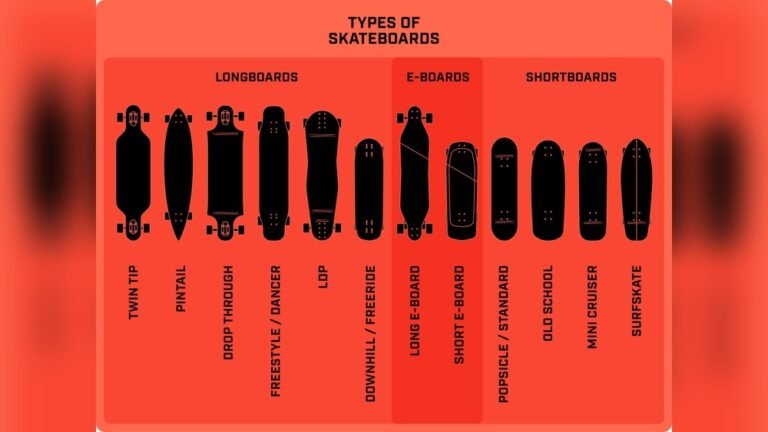
Reality: As previously discussed, skateboards are highly customizable. The type of board, its dimensions, and its components are chosen to suit the rider’s style and preferences. A street skater will have a very different setup from a downhill longboarder, for example. The evolution of skateboarding has led to specialized boards for various disciplines.
Myth: Skateboarding Is Dangerous And Unproductive
Reality: While skateboarding carries inherent risks, like any physical activity, it also offers significant physical and mental health benefits. It improves balance, coordination, cardiovascular health, and resilience. The problem-solving required to land tricks enhances cognitive skills. The community aspect combats isolation and fosters social connections.
Myth: Skaters Don’t Respect Rules
Reality: Skaters operate by a strong set of unwritten rules within their community. While they may challenge the conventional use of urban spaces, they generally respect the unspoken laws of skateparks and the need for order. The respect for skill, effort, and fellow skaters is a powerful internal governance system.
The Quest For The Perfect “roll”
The feeling of a perfect skateboard setup, the smooth glide on fresh pavement, the satisfying click of a successful grind, these are the sensations that skaters live for. It’s a pursuit of a unique kind of freedom and physical expression.
The Tactile Sensation
There’s a particular tactile pleasure in skateboarding. The vibration of the board, the grip of the shoes on the deck, the feeling of the wind rushing past, it’s a fully immersive sensory experience. This physical engagement is a major draw for many.
The “flow” And Effortlessness
Achieving a state of “flow” where movements are seamless and intuitive is a primary goal for many skaters. It’s about finding rhythm, mastering technique, and executing tricks with apparent ease. This effortless quality, born from immense practice and dedication, is what makes skateboarding so captivating to watch and experience.
The Addiction To Progression
The constant challenge of learning new tricks and improving existing ones creates a powerful sense of progression. Each small victory fuels the desire to tackle bigger challenges. This cycle of practice, failure, and eventual success is highly addictive and keeps skaters coming back to their boards day after day.
| Skateboard Component | Key Function | Skater Understanding |
|---|---|---|
| Deck | The platform for standing and performing tricks. | Width, length, concave, material, and flex all affect feel and performance. |
| Trucks | Axles that attach wheels to the deck and allow turning. | Bushing hardness and truck size dictate turning radius and stability. |
| Wheels | Allow the board to roll; size and hardness affect speed and grip. | Durometer (hardness) and diameter are crucial for different terrains and trick types. |
| Bearings | Allow wheels to spin freely. | Cleanliness and lubrication determine how smoothly and fast the wheels roll. |
| Grip Tape | Provides traction for the rider’s feet. | Texture and wear patterns indicate grip level and board age. |
Frequently Asked Questions
What Is The Most Common Injury In Skateboarding?
The Most Common Injuries In Skateboarding Are Typically Minor, Such As Scrapes, Bruises, And Sprains To The Wrists, Ankles, And Knees. However, More Serious Injuries Like Fractures, Dislocations, And Concussions Can Also Occur, Especially When Attempting Advanced Tricks Or Falling From Significant Heights. Proper Protective Gear, Like Helmets And Pads, Can Significantly Reduce The Risk And Severity Of Injuries.
Why Do Skateboarders Fall So Much?
Skateboarders Fall Frequently Because The Sport Inherently Involves Balancing On A Moving Object While Performing Dynamic Maneuvers. Learning New Tricks Requires Repeatedly Attempting Actions That Can Easily Go Wrong Due To Timing, Balance, Or Commitment Issues. Falls Are An Unavoidable Part Of The Learning Curve, And Skaters Develop Resilience And Techniques To Minimize Injury From These Occurrences.
How Do Skateboarders Know When To Replace Their Board?
Skateboarders Typically Replace Their Deck When It Starts To Lose Its “pop” (the Responsiveness And Springiness Needed For Ollies And Other Tricks), Develops Significant Cracks (especially Near The Trucks), Or Becomes Too Warped. Wheels Are Replaced When They Become Too Small, Flat-spotted From Sliding, Or Worn Down. Bearings Are Replaced When They Become Gritty, Slow, Or Stop Spinning Freely Even After Cleaning.
What Does It Mean To Have “style” In Skateboarding?
“style” In Skateboarding Refers To A Rider’s Unique Way Of Performing Tricks And Navigating Obstacles. It Encompasses Elements Like Fluidity, Smoothness, Confidence, Creativity, And Individuality. Two Skaters Might Do The Same Trick, But Their Style Can Make Each Execution Look And Feel Completely Different. It’s About Personal Expression And Making The Difficult Look Effortless.
Is Skateboarding An Expensive Sport?
Skateboarding Can Be Expensive, Depending On The Quality Of Equipment And Frequency Of Replacement. A Complete Skateboard Setup Can Range From $100 To $250 Or More. Decks, Trucks, Wheels, And Bearings Wear Out And Need To Be Replaced Periodically. However, It’s Possible To Start With A More Budget-friendly Setup And Gradually Upgrade Components. Compared To Some Other Sports With Extensive Equipment Needs, It Can Also Be Relatively Affordable.
The world of skateboarding is rich with unspoken understandings, shared struggles, and profound joys that resonate deeply with its practitioners. It’s a culture that values perseverance, creativity, and community above all else. From the intimate knowledge of one’s own board to the collective energy of a skate session, these elements combine to create an experience that is both physically demanding and deeply rewarding, fostering a unique bond among those who choose to roll.