How Much Does 1 Skateboard Cost
The question of “how much does a skateboard cost? ” Is far more complex than a simple dollar amount. It’s a journey into the world of materials, craftsmanship, brand reputation, and intended use. Whether you’re a seasoned pro looking for a specific setup or a complete beginner wondering where to start, understanding the factors that influence skateboard pricing is crucial.
A skateboard isn’t just a plank of wood with wheels; it’s a finely tuned piece of equipment designed for performance, durability, and sometimes, pure artistic expression.
From entry-level completes that allow you to dip your toes into the skateboarding world without breaking the bank, to custom-built setups that cost more than a used car, the spectrum is vast. The price tag often reflects the quality of components, the manufacturing process, and the research and development that goes into making a board perform at its best.
This guide will break down the various cost categories, explain what drives those prices, and help you determine the right investment for your skateboarding journey.
Key Takeaways
- Complete Skateboards: These are ready-to-ride setups, typically ranging from $70 to $200, ideal for beginners and casual riders.
- Custom-Built Skateboards: Building your own from individual components (deck, trucks, wheels, bearings, grip tape) allows for personalization and can range from $150 to $400+, depending on component quality.
- Deck Cost: The core of the skateboard, decks vary from $40 to $80+ for standard sizes, with some specialty or artist decks costing significantly more.
- Trucks: Essential for steering and grinding, trucks generally cost between $40 and $70 per pair.
- Wheels: The type and size of wheels impact price, with sets ranging from $25 to $50+.
- Bearings: Crucial for speed and smoothness, bearings typically cost $15 to $30 per set of eight.
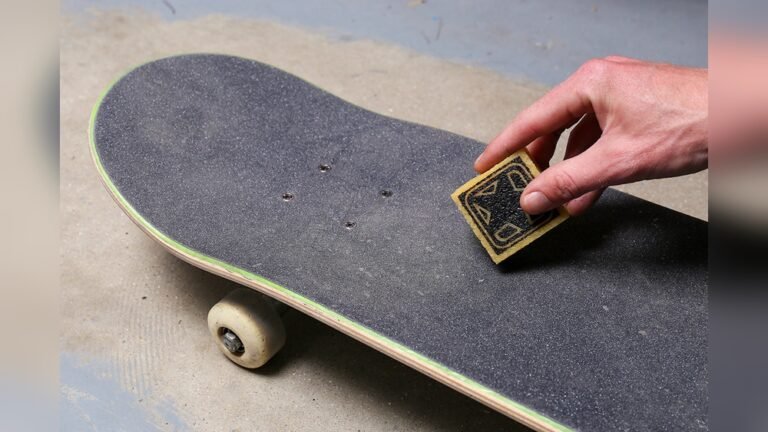
- Grip Tape: A necessary but inexpensive component, costing around $5 to $10.
- Specialty Skateboards: Longboards, cruisers, and electric skateboards have different price points, often starting higher than traditional skateboards.
- Brand Reputation and Manufacturing: Premium brands and those using advanced manufacturing techniques often command higher prices.
- Durability and Performance: Higher-priced skateboards generally offer better durability and performance due to superior materials and construction.
Credit: veymax.com
The Anatomy Of A Skateboard And Its Cost Drivers
Before diving into price ranges, it’s essential to understand what makes up a skateboard and what influences the cost of each part. A standard skateboard consists of several key components, and the quality and origin of each directly affect the final price.
The Skateboard Deck
The deck is the wooden platform you stand on. Its construction, size, shape, and graphics all play a role in its price.
- Materials: Most skateboard decks are made from 7-ply Canadian maple. This wood is known for its strength, flexibility, and pop (the ability to spring back after being compressed). Higher-end decks might use a slightly different wood composition or incorporate materials like carbon fiber for added strength and lightness, which increases the cost.
- Construction: The way the plies are pressed together is crucial. Reputable manufacturers use high-quality glue and precise pressing techniques to ensure durability and consistency. Cheaper decks might use less durable glue or less precise pressing, leading to a shorter lifespan. For an in-depth look at what goes into making a quality deck, you can explore a Skateboard Manufacturers Guide.
- Size and Shape: While not a primary cost driver for standard decks, uniquely shaped decks or those designed for specific disciplines (like downhill longboarding) can sometimes be more expensive due to specialized molds and manufacturing processes.
- Graphics: The artwork on the bottom of the deck is a significant factor in perceived value and price. While some graphics are simple logos, others are intricate designs by renowned artists, which can significantly increase the cost. Limited edition or signature decks often come with a premium price tag.
- Brand Reputation: Established brands with a long history of producing quality decks often charge more. This is partly due to their reputation for durability and performance, and partly due to the marketing and endorsements associated with their name. Brands like Santa Cruz and Element are known for their quality and often fall into the mid-to-high price range. For instance, a review of Santa Cruz Skateboards highlights their enduring quality and associated pricing.
Typical Deck Price Range:
- Entry-Level: $30 – $50
- Mid-Range: $50 – $70
- High-End/Pro Models: $60 – $90+
Skateboard Trucks
Trucks are the metal T-shaped axles that attach to the underside of the deck and hold the wheels. They are critical for steering, turning, and grinding.
- Material: Most trucks are made from aluminum alloy. The quality of the alloy and the casting or forging process significantly impact durability and weight. Higher-end trucks use stronger, lighter alloys and more precise manufacturing methods.
- Construction: This includes the kingpin, bushings, and axle. The quality of the bushings (the rubbery parts that allow the trucks to turn) affects how responsive and stable the board feels. Premium trucks often feature high-quality, durable bushings and precisely machined axles.
- Brand: Similar to decks, established truck brands like Independent, Thunder, and Venture are known for their quality and command higher prices. They often offer warranties and have a reputation for holding up under heavy use.
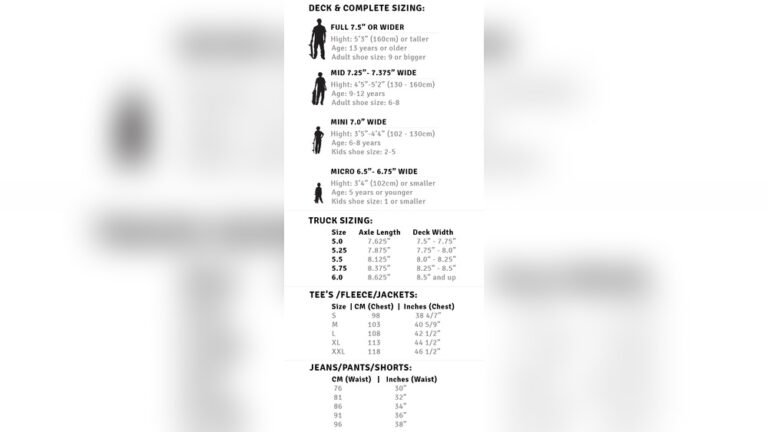
- Size: Trucks need to match the width of the deck. While this doesn’t directly increase the price of an individual truck, choosing the correct size is part of the overall setup cost.
Typical Truck Price Range (for a pair):
- Entry-Level: $30 – $50
- Mid-Range: $50 – $70
- High-End: $70 – $90+
Skateboard Wheels
Wheels are what allow the skateboard to roll. Their size, hardness (durometer), and material affect the ride quality, speed, and grip.
- Material: Most skateboard wheels are made from polyurethane. The quality of the polyurethane formula varies greatly, affecting durability, rebound, and grip. Premium wheels are made with high-performance urethane that offers a better ride and lasts longer.
- Size: Wheel diameter (measured in millimeters) affects acceleration and top speed. Smaller wheels accelerate faster but have a lower top speed, while larger wheels are slower to accelerate but roll faster and smoother over rough surfaces. Common sizes for street skating range from 50-54mm, while park and transition skaters might use 54-60mm. Cruisers and longboards use much larger wheels.
- Hardness (Durometer): Measured on a ‘Durometer A’ scale, wheels typically range from 78A (soft) to 101A+ (very hard). Softer wheels (like 78A-87A) offer more grip and a smoother ride, ideal for cruising and rougher terrain. Harder wheels (95A-101A+) are faster, slide easier, and are preferred for street and park skating on smooth surfaces.
- Shape: Some wheels have specific shapes designed for different skating styles, which can slightly influence price.
- Brand: Brands like Spitfire, Bones, and OJ Wheels are well-regarded for their wheel quality and performance, often reflected in their pricing.
Typical Wheel Price Range (for a set of four):
- Entry-Level: $20 – $35
- Mid-Range: $35 – $45
- High-End/Specialty: $45 – $60+
Skateboard Bearings
Bearings are small, circular metal components that fit inside the wheels, allowing them to spin freely around the truck’s axle.
- ABEC Rating: Bearings are often rated using the ABEC scale (Annular Bearing Engineering Committee), which measures precision. Higher ABEC ratings (like ABEC 5, 7, or 9) indicate greater precision and potentially higher speeds. However, for skateboarding, durability and resistance to dirt and impact are often more important than just a high ABEC rating. Many top skate brands use their own proprietary rating systems or focus on materials and construction for durability.
- Materials: High-quality bearings use superior steel or ceramic materials for smoother, longer-lasting performance.
- Lubrication: The type of lubricant used inside the bearing affects its speed and protection against elements.
- Brand: Reputable bearing brands like Bones Bearings, Bronson Speed Co., and certain Swiss-made bearings are known for their quality and often carry a higher price.
Typical Bearing Price Range (for a set of eight):
- Entry-Level: $10 – $20
- Mid-Range: $20 – $30
- High-End/Ceramic: $30 – $60+
Grip Tape
Grip tape is the sandpaper-like material applied to the top of the deck to provide traction.
- Material: Most grip tape is made of silicon carbide or aluminum oxide particles bonded to a strong adhesive backing.
- Brand: While grip tape is generally inexpensive, some brands offer enhanced grip or durability features that may slightly increase the price.
- Application: It’s usually sold in standard sheets that can be cut to fit any deck.
Typical Grip Tape Price Range:
- Standard Sheet: $5 – $10
Hardware
This refers to the nuts and bolts used to attach the trucks to the deck.
- Material: Typically made of steel.
- Length: Hardware comes in different lengths (e.g., 7/8 inch, 1 inch, 1.25 inch) depending on whether you’re using riser pads.
- Brand: While generally a low-cost item, some brands offer colored or specialized hardware.
Typical Hardware Price Range:
- Set: $3 – $7
Skateboard Price Tiers: What To Expect
Understanding the individual components is helpful, but most people buy skateboards in one of two forms: a complete skateboard or a custom-built setup. The price ranges differ significantly between these options.
Complete Skateboards: The Beginner’s Choice
A complete skateboard comes pre-assembled with all the necessary components: deck, trucks, wheels, bearings, grip tape, and hardware. These are designed to be ready to ride right out of the box.
Pros:
- Convenience: No need to research and assemble individual parts.
- Cost-Effective: Generally cheaper than buying all components separately, as manufacturers can produce them in bulk.
- Ideal for Beginners: Provides a functional setup to learn on without an overwhelming investment.
Cons:
- Component Quality: Components are often of lower quality to meet a specific price point. This can mean less durable trucks, slower bearings, and wheels that wear out quickly.
- Limited Customization: You get what the manufacturer puts together. While some brands offer variations, you can’t mix and match every component.
Price Breakdown for Completes:
- Budget Completes ($70 – $120): These are the most affordable options. They are suitable for very light use, cruising, or for younger children who may outgrow skating quickly. The components are typically generic and may not withstand aggressive skating. The deck might be made from lower-grade maple or a composite, and the trucks and wheels will be basic.
- Mid-Range Completes ($120 – $180): This is often the sweet spot for beginners and intermediate skaters. These completes usually feature better quality decks from reputable brands, more durable trucks, and decent wheels and bearings. They offer a good balance of performance, durability, and price. Many well-known brands like Element, Plan B, or Powell-Peralta offer excellent completes in this range. For example, Element Skateboards often provide solid completes in this price bracket.
- High-End Completes ($180 – $250+): These completes are rare, as most high-end setups are custom-built. When available, they usually feature top-tier decks, trucks, and wheels, essentially a custom setup pre-assembled by the manufacturer. They are built for serious skaters who want premium components without the hassle of assembly.
Custom-built Skateboards: Tailored Performance
A custom-built skateboard allows you to select each component individually to create a setup that perfectly matches your skating style, preferences, and budget.
Pros:
- Personalization: Complete control over every aspect of your board.
- Superior Quality: You can choose the best components for durability and performance.
- Optimized for Style: Can be tailored for street skating, park, vert, cruising, or a combination.
Cons:
- Higher Cost: Can be significantly more expensive than a complete, especially if you opt for premium components.
- Requires Knowledge: You need to understand the different components and how they work together.
- Assembly Required: You’ll either need to assemble it yourself or pay a skate shop to do it.
Cost Breakdown for Custom Builds:
Let’s look at a typical mid-to-high-end custom build:
- Deck: $55 – $80+
- Trucks (pair): $55 – $80+
- Wheels (set of 4): $35 – $50+
- Bearings (set of 8): $20 – $40+
- Grip Tape: $5 – $10
- Hardware: $3 – $7
Total for a Custom Build: Adding these up, a well-rounded custom skateboard can easily range from $173 to $267+. If you opt for the absolute highest-end components, including specialized materials or elite brands, the cost can climb to $300, $400, or even more.
Example of a Custom Build Scenario:
A street skater looking for a durable setup might choose:
- A solid deck from a reputable brand known for its pop ($65).
- Responsive and durable trucks from a trusted manufacturer ($60).
- Wheels that are a good all-around size and hardness for street and park (52mm, 99A) ($40).
- High-quality, fast bearings ($25).
- Standard grip tape and hardware ($10).
Total: $200. This offers superior performance and durability compared to a similarly priced complete.

Credit: veymax.com
Beyond The Standard: Other Skateboard Types And Costs
The prices discussed so far primarily relate to traditional skateboards used for street, park, and vert skating. However, other types of skateboards exist, each with its own pricing structure.
Longboards
Longboards are designed for cruising, downhill racing, and transportation. They are typically longer, wider, and have different shapes and wheel sizes than standard skateboards.
- Construction: Decks are often made from multiple layers of maple, bamboo, or composite materials. They can feature various concave shapes, drop-through mounts (where the trucks mount through the deck), or drop-down decks for stability.
- Components: Longboard wheels are usually larger and softer (lower durometer) for a smoother ride over rough terrain and better grip. Trucks are often wider for stability.
- Price:
- Entry-Level Completes: $80 – $150
- Mid-Range Completes: $150 – $250
- High-End/Specialty (Downhill, Freeride): $250 – $500+
The history of longboarding is fascinating, and its evolution has led to specialized designs that impact cost. You can learn more about the History of Longboarding to understand this evolution.
Cruisers
Cruiser skateboards are designed for transportation and a smooth, surfy ride. They often resemble smaller longboards or have a kicktail like a traditional skateboard but with softer, larger wheels.
- Construction: Decks can be made from maple or composite materials, often with a kicktail for maneuverability.
- Components: Feature soft, large wheels (e.g., 60-70mm, 78A-85A) for rolling over cracks and rough surfaces with ease.
- Price:
- Completes: $70 – $180
Brands like Landyachtz and Arbor are known for their quality cruisers.
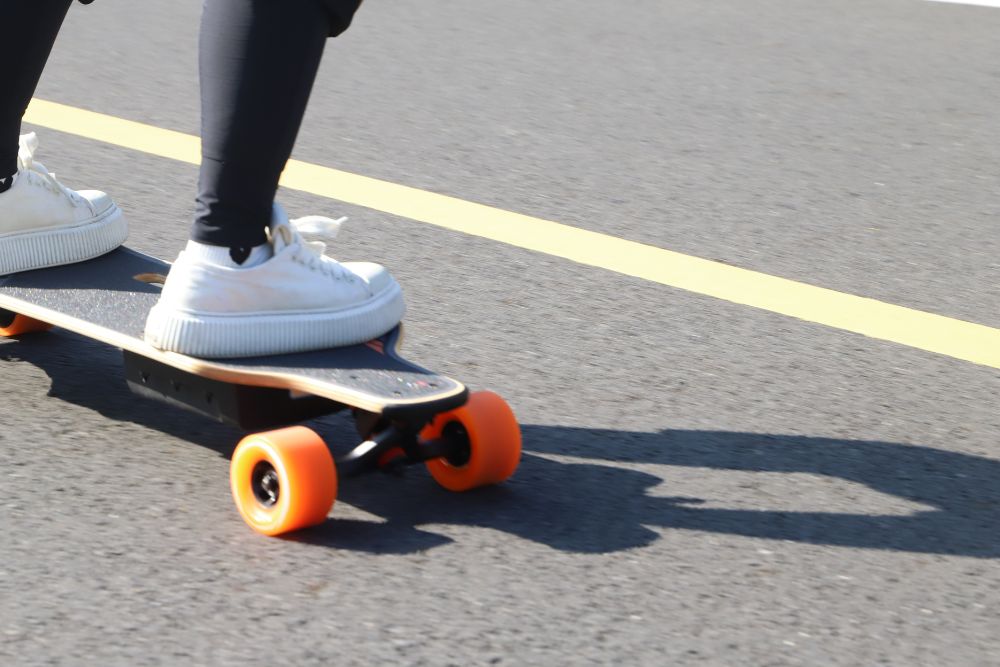
Electric Skateboards
Electric skateboards are a modern innovation, featuring a battery-powered motor to assist propulsion.
- Technology: The price is heavily influenced by the motor power, battery capacity (range and charging time), remote control technology, and build quality.
- Price:
- Entry-Level: $400 – $700
- Mid-Range: $700 – $1200
- High-End/Performance: $1200 – $2500+
Safety is a paramount concern with electric skateboards. It’s important to understand Are Electric Skateboards Safe? and the precautions necessary.

Credit: www.slamcity.com
Factors Influencing Price Beyond Components
While the physical parts of a skateboard are the primary cost drivers, several other factors contribute to the final price tag.
Brand Reputation And Marketing
Established brands invest heavily in marketing, sponsorships, and team riders. This overhead is often reflected in the price of their products. A board endorsed by a famous pro skater will likely cost more than a generic equivalent, even if the physical components are similar.
This is part of the culture and appeal of skateboarding.
Manufacturing Location And Quality Control
Skateboards are manufactured globally. Facilities in countries with higher labor costs or those employing more advanced, quality-controlled manufacturing processes may result in higher prices. Premium brands often emphasize their manufacturing standards and the quality control checks each board undergoes.
Innovation And Technology
Brands that invest in research and development to create new materials, construction techniques, or performance-enhancing features can justify higher prices. This could include things like advanced composite layups in decks or specialized bearing technologies.
Retailer Markup And Location
The price of a skateboard can also vary depending on where you buy it.
- Local Skate Shops: Often offer higher quality products and expert advice but may have slightly higher markups due to overhead costs. They are crucial for supporting the local skate scene.
- Online Retailers: Can sometimes offer lower prices due to lower overhead but may lack the personal touch and expert advice of a physical shop.
- Big Box Stores: Typically sell the cheapest complete skateboards, but these are almost always of very low quality and not suitable for actual skateboarding.
What Can You Afford? Matching Price To Your Needs
The “right” price for a skateboard is entirely subjective and depends on your intended use, skill level, and budget.
For The Absolute Beginner / Casual Rider
If you’re just curious about skateboarding, want to cruise around occasionally, or are buying for a young child, a budget complete skateboard is likely sufficient.
- Price Range: $70 – $120
- What to Expect: A functional board that can handle light use. Don’t expect it to last long under aggressive skating or tricks. It’s a way to test the waters without a significant financial commitment.
For The Aspiring Skater / Intermediate Rider
If you’re serious about learning tricks, skating at the local park, or want a board that will last and perform well, investing in a mid-range complete or a budget-conscious custom build is recommended.
- Price Range: $120 – $200 (complete) or $150 – $200 (custom build components)
- What to Expect: Better quality deck, more durable trucks, and wheels/bearings that will provide a smoother and faster ride. This level of board will support you as you learn new skills, from basic ollies to more complex tricks. Learning Easy Skateboard Tricks for Beginners will be much more enjoyable on a board that responds well.
For The Experienced Skater / Performance-focused Rider
If you know exactly what you want in a board, skate frequently, and demand high performance and durability, a custom-built setup using mid-to-high-end components is the way to go.
- Price Range: $170 – $300+
- What to Expect: Top-quality deck, premium trucks, high-