Tips to Make Your Skate Shoes Last Longer
The right pair of skate shoes isn’t just footwear; it’s an extension of your board, a crucial piece of gear that directly impacts your performance, comfort, and connection to the pavement. Whether you’re landing your first ollie or pushing your limits with advanced tricks, your skate shoes take a beating.
From the constant friction of griptape to the impact of landings and the general wear and tear of daily use, skate shoes are designed for durability, but even the toughest pairs have a lifespan. Understanding how to properly care for them can significantly extend that lifespan, saving you money and ensuring you always have reliable footwear for your sessions.
This guide is dedicated to helping you maximize the life of your skate shoes. We’ll cover everything from choosing the right pair to implementing daily maintenance habits and understanding when it’s time to let go. By applying these tips, you can keep your favorite skate shoes performing at their best for as long as possible, allowing you to focus more on your skating and less on worn-out soles and torn uppers.
Key Takeaways
- Proper Fit is Paramount: Shoes that are too tight or too loose will wear out faster and can cause discomfort or injury.
- Daily Cleaning Prevents Damage: Wiping down shoes after each session removes dirt and debris that can degrade materials.
- Targeted Reinforcement: Using shoe goo or patches on high-wear areas like ollie spots can significantly extend shoe life.
- Strategic Lacing: Different lacing techniques can protect certain parts of the shoe from abrasion.
- Mindful Skating Habits: Avoiding unnecessary dragging or harsh impacts can reduce wear.
- Rotate Your Footwear: Wearing multiple pairs allows each shoe to rest and recover, preventing premature breakdown.
- Understand Material Strengths: Different materials offer varying levels of durability and require specific care.
- Know When to Retire Them: Recognize signs of irreparable damage to prevent injury and maintain performance.

Credit: howtoskate.com.au
Choosing The Right Skate Shoes For Durability
The foundation of making your skate shoes last longer begins with selecting the right pair. Not all skate shoes are created equal, and some are built with enhanced durability features that can withstand the rigors of skateboarding more effectively. Understanding the construction, materials, and design elements that contribute to longevity will set you up for success from the start.
Understanding Skate Shoe Construction
Skate shoes are typically built with specific features designed to endure the demands of skateboarding. Look for shoes with:
- Vulcanized Soles: These are constructed by heating rubber and the shoe’s upper together, creating a strong bond and a flexible yet durable sole. This method is preferred by many skaters for its board feel and durability.
- Cupsole Construction: While vulcanized soles are popular, cupsoles offer more cushioning and support, which can be beneficial for impact absorption. However, some skaters find they sacrifice board feel. For longevity, a well-constructed cupsole can be very robust.
- Reinforced Stitching: Double or triple stitching in high-stress areas, such as around the toe cap and eyelets, significantly increases durability.
- Durable Uppers: Materials like suede, thick leather, or reinforced synthetic fabrics are generally more resistant to abrasion from the griptape than canvas or thin mesh.
- Padded Tongues and Collars: While primarily for comfort, adequate padding can also help protect the shoe’s structure from the pressure of laces and ankle movements.
Material Matters: Suede Vs. Canvas Vs. Leather
The material of your skate shoe’s upper plays a crucial role in its lifespan. Each has its pros and cons:
- Suede: This is arguably the most popular material for skate shoes due to its excellent balance of durability, grip, and flexibility. Suede is naturally resistant to abrasion from griptape. However, it can absorb water, making it susceptible to damage in wet conditions.
- Leather: Full-grain leather offers superior durability and water resistance compared to suede. It can be more rigid initially but breaks in over time. However, genuine leather can be more expensive.
- Canvas: While lightweight and breathable, canvas is generally the least durable option. It wears out quickly from griptape friction and is prone to tearing. Canvas shoes are often chosen for their aesthetic or for lighter skating styles.
- Synthetic Materials: Some shoes use synthetic leather or specialized synthetic fabrics. These can offer good durability and water resistance, often at a lower cost than genuine leather. Their performance can vary greatly depending on the specific material used.
The Importance Of A Proper Fit
A shoe that fits correctly is fundamental for both comfort and longevity.
- Too Tight: Shoes that are too tight can cause discomfort, blisters, and premature wear on specific points due to constant pressure. They can also restrict blood flow, affecting performance.
- Too Loose: Shoes that are too loose force your foot to work harder to stay in place, leading to excessive friction in other areas, heel slippage, and increased risk of ankle rolls. Laces might get caught, and the shoe’s structure can become misshapen.
Pro Tip: When trying on skate shoes, wear the type of socks you typically skate in. Walk around, mimic some skating motions (like standing on your toes or heels), and ensure there are no pinching points or excessive heel lift. The shoe should feel snug and secure without being constricting. A good skate shop can help you find the perfect fit.
Credit: gib.es
Daily Care And Cleaning Routine
The most effective way to make your skate shoes last longer is to incorporate a simple, consistent cleaning and care routine after every skating session. This prevents dirt, moisture, and debris from breaking down the materials and compromising the shoe’s structure.
Post-skate Session Wipe Down
After each use, take a few minutes to clean your shoes:
- Remove Loose Debris: Use a soft brush (an old toothbrush works well) or a dry cloth to gently brush off any dirt, dust, or griptape residue from the uppers, soles, and midsole.
- Wipe Down Uppers: For suede or leather, use a slightly damp cloth to wipe down the exterior. Avoid soaking the shoes. For stubborn dirt on suede, a suede eraser can be effective.
- Clean the Soles: Use a damp cloth to wipe down the rubber soles. This removes dirt that can make them slippery and also prevents grit from embedding into the rubber, which can wear down faster.
Example: After a session at a dusty skatepark, a quick wipe-down with a dry brush can remove most of the dust. If there are mud splatters, a damp cloth is essential. Ignoring this step means that abrasive dust particles remain on the shoe, constantly rubbing against the material with every movement.
Dealing With Moisture
Water is a skate shoe’s enemy, especially for suede and certain adhesives.
- Avoid Skating in Wet Conditions: If possible, refrain from skating in rain or on wet surfaces.
- Immediate Drying: If your shoes get wet, remove the insoles and loosen the laces. Stuff them with newspaper or paper towels to absorb moisture from the inside. Do not use direct heat sources like radiators or hairdryers, as this can damage the glue and materials, causing them to shrink or crack.
- Air Dry: Let the shoes air dry naturally in a well-ventilated area, away from direct sunlight.
Odor Control
While not directly related to physical wear, managing odor is part of overall shoe care and can prevent material degradation from sweat.
- Remove Insoles: Always remove insoles after skating to allow them to dry separately and prevent moisture buildup inside the shoe.
- Use Shoe Deodorizers: Sprinkle baking soda inside the shoes overnight, or use commercial shoe deodorizer sprays or balls to absorb moisture and combat odors.
- Rotate Shoes: As mentioned later, rotating shoes allows them to fully dry out between uses, which is crucial for preventing odor and material breakdown.
Reinforcement Techniques For High-wear Areas
Skateboarding, by its nature, creates specific wear points on shoes. The most common is the “ollie spot” on the side of the shoe, where the griptape constantly grinds during ollies. Proactively reinforcing these areas can drastically extend your shoes’ life.
Applying Shoe Goo Or Similar Adhesives
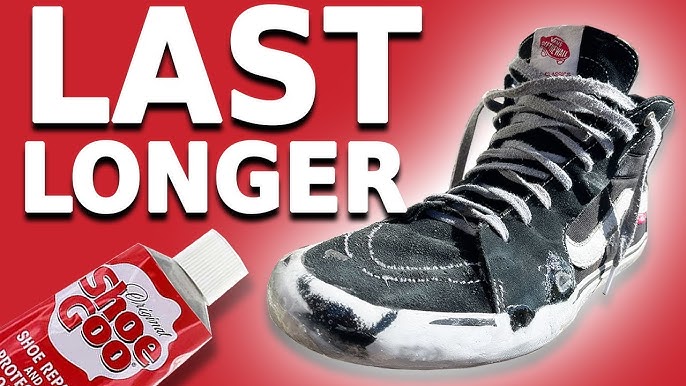
Shoe Goo is a flexible, waterproof adhesive specifically designed for repairing and reinforcing footwear. It’s a staple in the skate community for a reason.
- Identify Wear Areas: The primary areas to focus on are the sides of the shoes where your griptape hits during ollies, the toe cap area, and sometimes the heel counter.
- Clean and Prepare: Ensure the area is clean, dry, and free of dirt or loose threads.
- Apply Generously: Apply a thick, even layer of Shoe Goo to the worn or high-wear area. Extend it slightly beyond the immediate wear zone to create a protective barrier. For ollie spots, apply it in a way that mimics the shape of your foot during the flick.
- Smooth and Shape: Use a gloved finger or a small tool to smooth the Goo and shape it to match the shoe’s contour. You can also build up layers over time as the shoe wears.
- Cure Time: Allow the Shoe Goo to dry completely according to the product’s instructions (usually 24 hours) before skating.
Pro Tip: Applying a thin layer of Shoe Goo to new shoes in potential ollie spot areas *before* you even skate them can act as a preventative measure, creating a sacrificial layer that wears down instead of the shoe material itself.
Using Skate Patches Or Tape
Specialized skate patches or even strong duct tape can offer temporary or semi-permanent reinforcement.
- Skate Patches: These are often made of durable rubber or synthetic materials with adhesive backing. They can be applied to the ollie spot or other high-wear areas. Ensure the surface is clean and dry for good adhesion.
- Duct Tape: While less aesthetically pleasing and potentially less durable than Shoe Goo, a well-applied strip of strong duct tape can provide a quick fix for a developing hole or reinforce a weak spot. It’s a good emergency solution.
Example: A skater notices a small tear developing on the side of their suede skate shoes after a few weeks of practice. Instead of waiting for it to become a gaping hole, they clean the area and apply a layer of Shoe Goo. This prevents the tear from spreading, saving the shoe from early retirement. Over subsequent weeks, they might reapply Shoe Goo as the initial layer wears down.

Credit: gib.es
Lacing Techniques For Protection And Fit
How you lace your skate shoes can significantly impact their durability and how they perform. Specific lacing patterns can protect vulnerable areas from griptape abrasion and improve the overall fit.
Protecting Eyelets And Laces
- Fewer Holes: Consider skipping the top one or two eyelets if they are prone to tearing or if you don’t need that much ankle support. This reduces the points of stress.
- Reinforced Lacing: Some shoes come with reinforced eyelets (metal or extra stitching). Use these to your advantage.
- Lace Protection: Consider using lace locks or tucking your laces securely to prevent them from rubbing against the griptape, which can fray and break them quickly. Some skaters even opt for lace-less skate shoes for this reason.
Strategic Lacing Patterns
Different lacing methods can distribute pressure more evenly or protect specific parts of the shoe.
- Heel Lock Lacing: This technique uses the top two eyelets to create a loop that secures the heel, preventing slippage and reducing friction in the heel cup area.
- Thread the laces through the top two eyelets on each side, creating a small loop on the outside of each eyelet.
- Pass the lace on one side through the loop on the opposite side, and vice versa.
- Pull tight to secure the heel.
- Ollie Hole Protection Lacing: Some skaters adapt their lacing to prevent the lace from being constantly ground down by the griptape. This might involve skipping eyelets that directly align with the ollie spot or using a continuous lacing pattern that avoids crossing over the most vulnerable area.
- Ladder Lacing: This creates a strong, flat surface across the midfoot and can help distribute pressure, though it can be more time-consuming.
Comparison Table: Common Skate Shoe Lacing Issues and Solutions
| Problem | Impact on Durability | Lacing Solution |
|---|---|---|
| Frayed/Broken Laces | Shoe becomes loose, can lead to foot slippage. | Lace locks, tuck laces, avoid top eyelets. |
| Torn Eyelets | Compromises shoe structure, difficult to lace. | Skip top eyelets, reinforce with Shoe Goo. |
| Excessive Sidewall Wear (Ollie) | Leads to holes, compromises shoe integrity. | Strategic lacing to avoid direct griptape contact. |
| Heel Slippage | Increases friction, wears down heel cup lining. | Heel lock lacing technique. |
| Uneven Pressure | Can create weak points and accelerate wear. | Consistent, tight lacing; explore different patterns. |
Choosing Durable Laces
The laces themselves are often the first casualty. Opt for laces made from durable materials like polyester or nylon blends, which are more resistant to abrasion than cotton. Waxed laces can also offer a bit more resilience.
Mindful Skating Habits For Shoe Longevity
Beyond direct maintenance, the way you approach skateboarding can have a significant impact on how long your shoes last. Developing conscious habits can reduce unnecessary wear and tear.
Reducing Griptape Abrasion
The constant friction between your shoes and the griptape is the primary cause of wear.
- Conscious Foot Placement: Be mindful of how your feet interact with the griptape. While some friction is unavoidable, try to minimize unnecessary dragging or scraping, especially during non-trick-related movements.
- Flick Technique: Refine your flick for ollies and other flip tricks. A clean, sharp flick minimizes the amount of time your shoe spends grinding against the griptape.
- Avoid Grinding on Shoes: While tempting, using your shoes to grind ledges or rails will destroy them very quickly. Invest in dedicated skate shoes for this purpose, or accept that they will wear out rapidly.
Landing Impact Management
Hard landings put immense stress on the soles and overall structure of your skate shoes.
- Bend Your Knees: This is fundamental skateboarding technique for safety and comfort, but it also significantly reduces the impact force transmitted through your feet and shoes.
- Roll Out Landings: When possible, practice rolling out of landings to dissipate impact energy more gradually.
- Skate Parks vs. Street: Skateboarding on concrete can be harder on shoes than wood ramps. Be aware of the surface you’re skating on and adjust your technique accordingly.
Avoiding Water Damage
As mentioned in the cleaning section, water is detrimental.
- Check the Weather: Before heading out, check the forecast. If rain is expected, postpone your session or choose indoor skating options.
- Puddle Avoidance: Be mindful of puddles and wet patches, especially after rain or near sprinklers.
Using The Right Shoes For The Right Task
While it’s tempting to wear your favorite pair for everything, consider having different shoes for different purposes if your budget allows.
- Dedicated Skate Shoes: Always use shoes designed for skateboarding for actual skating sessions. Running shoes, casual sneakers, or even hiking boots are not built to withstand the specific stresses of skateboarding and will wear out quickly or fail to provide adequate support and protection.
- “Chill” Shoes: If you have a pair of skate shoes that are starting to show wear but are still functional, you might reserve them for walking around or less intense skating, saving your newer pair for serious sessions.
Example: A beginner skater is learning to ollie and notices the sides of their shoes are getting shredded by the griptape within a week. They realize they’re applying too much sideways pressure during the flick. By focusing on a more upward and outward flick motion, and ensuring their ankle is straight during the flick, they significantly reduce the grinding friction, extending the life of their shoes by weeks.
The Art Of Rotation: Owning Multiple Pairs
One of the most effective, yet often overlooked, strategies for extending the life of your skate shoes is to rotate between multiple pairs. This allows each pair to rest, dry out, and recover from the stresses of skating.
Why Rotation Works
- Drying and Recovery: Skate shoes absorb moisture from sweat and the environment. When constantly worn, this moisture doesn’t have a chance to evaporate. This can lead to material breakdown, weakening adhesives, and promoting odor-causing bacteria. Rotating allows each pair to dry out completely between sessions.
- Even Wear Distribution: By alternating shoes, you distribute the wear and tear over a larger inventory. Instead of one pair taking all the abuse, the stress is shared, meaning each individual pair lasts longer.
- Maintaining Performance: A shoe that is constantly compressed and stressed loses its cushioning and structural integrity faster. Allowing shoes to rest helps them regain some of their original shape and support.
- Preventing Premature Breakdown: Adhesives used in shoe construction can weaken over time, especially when exposed to constant moisture and stress. Rotation helps these bonds recover, reducing the likelihood of soles detaching or panels splitting.
How To Implement A Rotation System
- Two Pairs Minimum: The simplest rotation involves having two pairs of skate shoes. Wear one pair for a few days or sessions, then switch to the second pair. While the second pair is in use, the first pair can dry out thoroughly.
- Three Pairs for Optimal Results: A three-pair rotation system is even better. This allows for more thorough drying and recovery, especially if you skate frequently or in humid conditions.
- Pair A: Wear for sessions 1, 4, 7, etc.
- Pair B: Wear for sessions 2, 5, 8, etc.
- Pair C: Wear for sessions 3, 6, 9, etc.
- Consider Different Styles: You might have one pair for heavy park skating (more cushioning, reinforced) and another for cruising or street skating (more board feel).
- “New” vs. “Old” Pairs: Reserve your newest, most durable pair for intense sessions and use older, but still functional, pairs for casual wear or lighter skating.
Example: A skater who skates 4-5 times a week notices their favorite shoes are developing holes much faster than they used to. They decide to buy a second pair. They wear Pair A for two days, then switch to Pair B for two days. While Pair B is being worn, Pair A is left to air out, with insoles removed. Within a month, they notice that both Pair A and Pair B are holding up significantly better than their previous single-pair routine.
When To Introduce A New Pair
- First Signs of Significant Wear: When you notice the first major signs of wear (e.g., a small tear starting on the sidewall, significant thinning of the sole), it’s a good time to start rotating in a new pair.
- Breaking-In Period: New skate shoes often require a break-in period. Using them for shorter sessions or less demanding skating initially allows them to mold to your feet without immediate extreme stress.
Understanding Material Degradation And Lifespan
Every material used in skate shoes has a finite lifespan and degrades differently based on usage and care. Understanding these properties helps you anticipate wear and tear.
Suede And Leather Durability
- Suede: Generally very durable against abrasion. Its main weaknesses are water absorption and the potential for the nap to wear down, making it smoother and potentially less grippy over time. High-quality, thick suede will last much longer than thin, cheap suede.
- Leather: Offers excellent abrasion resistance and better water resistance than suede. It can become creased and stiff over time, but typically holds its structure well. Full-grain leather is the most durable.
Sole Breakdown
The rubber sole is critical for grip and cushioning.
- Abrasion: The constant contact with griptape and concrete wears down the rubber tread over time. This reduces grip and can eventually expose the midsole or internal cushioning.
- Cracking: Extreme flexing, prolonged moisture exposure, or age can cause the rubber to crack, compromising the sole’s integrity and waterproofing.
- Adhesive Failure: The bond between the sole and the upper is crucial. Heat, moisture, and repeated stress can weaken this bond, leading to the sole separating from the upper. This is often why shoes are retired.
Midsole And Insole Compression
- Midsole: Provides cushioning and impact absorption. Over time, the foam or other materials in the midsole will compress and lose their shock-absorbing properties. This is often felt as “bottoming out” during landings.
- Insole: The removable footbed also compresses and wears down. A worn-insole offers less arch support and cushioning, potentially leading to foot fatigue and discomfort. Replacing insoles can sometimes breathe new life into a shoe.
Lifespan Expectations
The lifespan of skate shoes varies dramatically based on:
- Frequency of Skating: Skating daily will wear out shoes much faster than skating once a week.
- Style of Skating: Aggressive street skating with lots of grinds and impacts will wear shoes faster than cruising or transition skating.
- Quality of Shoe: Higher-end skate shoes are typically made with better materials and construction techniques, leading to longer life.
- Care and Maintenance: As detailed throughout this guide, proper care significantly extends shoe life.
Data Point: Anecdotal evidence from the skateboarding community suggests