
The term “bailing” carries multiple meanings depending on the context, but at its core, it signifies a release, an escape, or a cessation of an obligation or commitment. Whether you’re discussing legal matters, financial arrangements, or even recreational activities, understanding what it means to bail is crucial for navigating complex situations. This multifaceted term can imply a quick departure to avoid trouble, a formal process to secure release from custody, or a strategic withdrawal from a deal.
In essence, bailing is about severing ties or obligations, often under duress or to prevent further entanglement. It can be a voluntary act, like a company pulling out of a partnership, or an involuntary consequence, such as a person being released from jail on bail. The nuances of “bailing” are rich and varied, touching upon legal systems, financial markets, and everyday language. This article will explore the diverse meanings of bailing, providing clarity on its implications across different domains.
Key Takeaways
-
-
Understanding the Meaning of Bailing: Bailing broadly refers to the act of releasing, escaping, or ceasing an obligation.
-
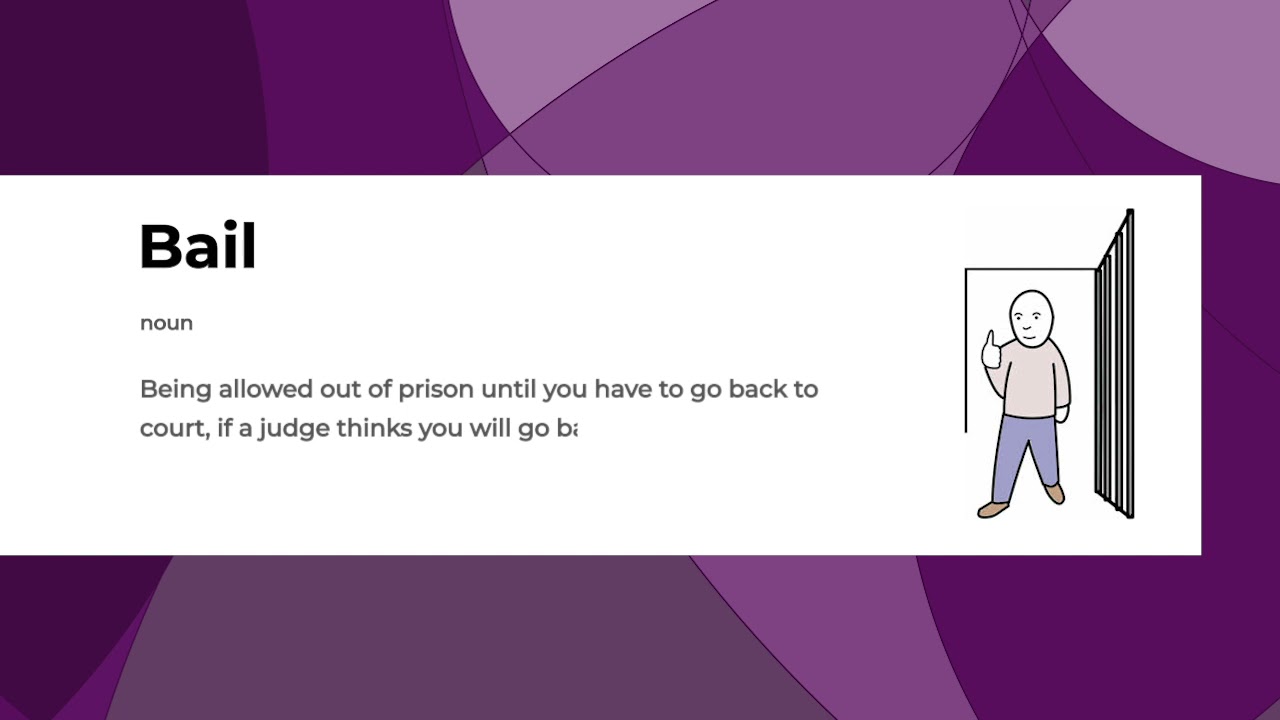
Bail in the Legal System: In the legal system, bail is a process where an accused person is released from custody, often in exchange for a sum of money or a promise to appear in court.
-
Bailing Out of Commitments: Bailing out can also mean withdrawing from a commitment, such as a business deal or a financial obligation, often to avoid further risk or loss.
-
Bailing as a Quick Departure: The term can describe a quick departure, especially to avoid a difficult situation or responsibility.
-
Understanding Contextual Meanings of Bailing: Understanding the specific context is vital to correctly interpret the meaning of “bailing.”
-
Bailing Water from a Boat: In boating, bailing means removing water from a vessel with a bucket or similar container.
-
Modern Skateboarding Styles: Modern skateboarding encompasses diverse styles: Street, park, vert, cruising, longboarding, and electric variants.
-
Legal Bail: Securing Release From Custody
The most commonly understood meaning of “bailing” relates to the legal system, specifically the concept of bail. When an individual is arrested and charged with a crime, they are typically held in custody until their trial or court appearance. Bail is a mechanism that allows an accused person to be released from jail pending their court date. This release is not unconditional; it usually involves a financial guarantee or a set of conditions that the individual must meet.
In most modern legal systems, bail is the temporary release of a defendant from custody with conditions designed to ensure they return for court proceedings and comply with public-safety requirements. It may be set after arrest or later in the case, and some jurisdictions also use it for release pending appeal.
The Bail Process Explained
The primary purpose of bail is to ensure that the accused person will appear in court as scheduled. It’s a legal right in many jurisdictions, though its terms can vary significantly. When a judge or magistrate sets bail, they are determining the conditions under which the accused can be temporarily freed. This often involves a bail bond, which is a sum of money paid to the court.
There are several ways bail can be posted:
-
- Cash Bail: The full amount of the bail is paid directly to the court in cash. This money is typically returned to the individual once all court appearances are completed, minus any court fees.
- Surety Bond: This is the most common form, involving a bail bondsman (or bail agent). The bondsman posts the full bail amount on behalf of the accused, usually in exchange for a non-refundable fee (typically 10-15% of the total bail amount) and often collateral. If the accused fails to appear in court, the bondsman is responsible for paying the full bail amount to the court and will then seek to recover their losses from the collateral or the cosigner.
- Personal Recognizance (PR) Bond: In some cases, particularly for minor offenses or when the accused is deemed a low flight risk, the court may release them on their own promise to appear, without requiring any financial deposit. This is often referred to as own recognizance (OR).
- Property Bond: The accused or a third party pledges real estate or other property as collateral for the bail amount. This can be a complex process, and the property’s value must often exceed the bail amount.
In some jurisdictions, courts also consider unsecured bonds or other supervised release conditions instead of requiring cash up front. Judges may weigh factors such as flight risk, alleged offense severity, community safety, and prior court compliance when deciding whether to grant release and what conditions to impose.
The Role Of The Bail Bondsman
Bail bondsmen play a crucial role in the bail system. They act as intermediaries between the accused, their families, and the court. For a fee, they provide the financial guarantee to the court, allowing individuals who might not have the full bail amount readily available to be released.
This service is invaluable for many, enabling individuals to return to their jobs, families, and legal defense preparations while awaiting trial. However, it’s important to understand the obligations involved when working with a bondsman, as failure to appear can lead to forfeiture of collateral and further legal complications.
When Bail Is Denied
While bail is a common practice, it is not always granted. Judges can deny bail in certain circumstances, such as:
-
- Capital offenses: Crimes punishable by death.
- Flight risk: If the judge believes the accused is likely to flee and not return for court.
- Danger to the community: If the accused poses a significant threat to public safety.
- Violation of probation/parole: If the arrest is related to a violation of existing legal conditions.
In these instances, the individual remains in custody until their trial concludes.
Legal terminology can vary by jurisdiction: “bail” may refer to the defendant’s release, the security posted, or the person who provides that security. That distinction matters because courts, bondsmen, and legal statutes often use the word in slightly different ways.

Credit: grammarist.com
Financial And Business Contexts Of Bailing
Beyond the legal arena, “bailing” frequently appears in financial and business discussions, often signifying a withdrawal or disengagement from a financial commitment or business venture. This can happen for a variety of reasons, from avoiding losses to changing strategic priorities.
Bailing Out Of Investments And Deals
In the world of investments, bailing out can mean selling an asset at a significant loss to cut further potential damage. For example, an investor might bail out of a stock that has plummeted in value, accepting a smaller loss than they might incur if they held on and the stock continued to decline. This is a strategic decision aimed at capital preservation.
Similarly, businesses might bail out of a merger or acquisition if due diligence reveals unforeseen problems or if market conditions change unfavorably. This decision, while often costly due to sunk costs and potential penalties, can be crucial to prevent a larger financial catastrophe. The term implies a premature exit driven by negative circumstances.
Corporate Bailouts
A distinct, though related, concept is a corporate bailout. This occurs when a government or other entity provides financial assistance to a company that is on the verge of collapse. While the company is not actively “bailing itself out” in the sense of withdrawing, the intervention is designed to prevent its failure and the broader economic consequences that might follow. This often involves loans, equity stakes, or guarantees. The 2008 financial crisis saw significant government bailouts of major financial institutions, a stark example of this phenomenon.
Personal Financial Bailouts
On a personal level, “bailing out” can refer to extricating oneself from overwhelming debt or a failing financial situation, often with the help of others. This might involve a family member providing funds to cover a debt, or a debt consolidation service stepping in. The core idea remains the same: escaping a precarious financial position.
When used in finance, “bailing out” can also imply emergency assistance from another party, not just abandonment. That meaning is distinct from the casual sense of quitting a plan.
Credit: www.legalchoices.org.uk
Bailing In Everyday Language And Activities
The term “bailing” also permeates everyday conversation, often carrying connotations of quitting, leaving abruptly, or abandoning a situation or activity.
Quitting Or Abandoning An Activity
In casual settings, someone might say they are “bailing” on plans with friends if they decide not to go at the last minute. This implies a sudden departure or cancellation of a commitment. For instance, if a group is planning a hike and one person decides it’s too much effort, they might announce, “I’m bailing on the hike.”
In sports and recreational activities, “bailing” can have a more literal meaning. For skateboarders, snowboarders, or skiers, bailing often refers to intentionally falling or jumping off the equipment to avoid a more serious crash or injury. This is a survival tactic learned through experience, a way to mitigate harm when a trick or maneuver goes wrong.
For safety, the goal is usually to separate from the board or skis early, keep limbs clear of wheels or edges, and avoid trying to “save” an unsafe landing at the cost of a worse injury. Beginner athletes often learn bailing as part of basic fall-prevention technique.
A skateboarder attempting a complex trick might realize they’ve lost balance. Instead of risking a hard impact, they might bail by stepping off the board mid-air, often resulting in a less severe fall than completing the uncontrolled rotation. This is a crucial skill for safety in skateboarding, as highlighted in guides for beginners. Learning to bail safely can prevent injuries.
Escaping Difficult Situations
The phrase can also be used to describe leaving a challenging or unpleasant situation. If someone finds themselves in an awkward social gathering or a difficult conversation, they might look for an opportunity to “bail.” This implies a desire to disengage and remove oneself from the discomfort.
Comparing Different Meanings Of Bailing
To further clarify the diverse applications of the term, consider the following comparison:
| Context | Meaning of Bailing | Primary Goal | Key Elements |
|---|---|---|---|
| Legal | Securing release from custody pending trial | Ensuring court appearance, regaining freedom | Bail bonds, court appearances, financial guarantees |
| Financial/Business | Withdrawing from an investment, deal, or obligation | Minimizing financial loss, preserving capital | Selling assets, terminating contracts, strategic withdrawal |
| Everyday/Recreational | Quitting, leaving abruptly, or intentionally falling to avoid injury | Escaping discomfort, avoiding harm, disengaging from activity | Canceling plans, abandoning a situation, tactical dismounts |
| Boating | Removing water from a vessel | Keeping the boat afloat and safe | Bucket, scoop, pump, water removal |
Each of these scenarios, while using the same verb, “bail,” signifies a different action and carries distinct implications. The legal context involves formal procedures and guarantees, the financial context focuses on risk management, and the everyday usage often implies a more informal or instinctive action.
Case Study: The Tech Startup Bailout
Consider a hypothetical tech startup that has received significant venture capital funding. After a year of development, it becomes clear that their core product is not gaining market traction, and further investment is unlikely to yield a return. The founders and investors might decide to bail out of the venture. This doesn’t necessarily mean shutting down immediately but rather winding down operations, selling off assets (like intellectual property or equipment), and distributing any remaining capital to investors and creditors. This is a strategic decision to cut losses before all the invested capital is depleted, demonstrating a financial bailout from a failing business model.
In practice, a business “bailout” usually refers to outside rescue financing or support, not simply deciding to abandon a venture. If the intent is withdrawal, “exit,” “wind down,” or “pull out” is often clearer.
The Nuances Of “bailing Out”
The phrase “bailing out” often carries a slightly different connotation than simply “bailing.” It more strongly emphasizes the act of rescue or escape from a dire situation.
Rescuing From Financial Distress
When a person or company is “bailing out,” it implies they are in trouble and are taking action to save themselves. This could be an individual bailing out of a high-interest loan by refinancing it, or a business bailing out of a failing product line. The term suggests a situation that is difficult to recover from without decisive action.
Avoiding Negative Consequences
“Bailing out” can also mean avoiding anticipated negative consequences. For example, if a student realizes they are unprepared for an exam, they might try to bail out by asking to postpone it. This is about preemptively escaping a situation that promises failure or hardship.
Bailing In Different Cultures And Languages
While the English term “bail” and its variations are widely understood in legal contexts globally, the colloquial uses of “bailing” can differ. Many languages have their own idiomatic expressions for quitting, escaping, or releasing someone from custody. For instance, in Spanish, “salir bajo fianza” directly translates to “to get out on bail.”
However, the casual use of “bailing” on plans might be expressed differently, perhaps as “me rindo” (I give up) or “no voy a ir” (I’m not going to go), depending on the nuance. Understanding these linguistic differences highlights how the core concept of release or withdrawal is universal, even if the specific terminology varies.
The Psychology Behind Bailing
The decision to bail, whether legally, financially, or casually, often involves a complex interplay of risk assessment, emotional response, and strategic thinking.
Risk Vs. Reward Calculation
In legal and financial contexts, bailing is a calculated decision. For a defendant, posting bail involves weighing the cost of the bond against the perceived likelihood of a favorable outcome in court and the hardship of pretrial detention. For an investor, bailing out of a losing position is about minimizing further risk, even if it means accepting a loss. This is a rational, albeit often difficult, risk management strategy.
Emotional Factors
In everyday situations, the decision to bail can be more emotionally driven. Someone might bail on a social event due to social anxiety, fatigue, or simply a change of mood. The desire to escape discomfort or pursue immediate gratification can override prior commitments. In recreational activities like skateboarding, the instinct to bail is a primal response to perceived danger, prioritizing self-preservation over completing a risky maneuver.
The Impact Of Experience
Experience plays a significant role. Legal professionals and experienced investors develop a keen sense for when bailing is the prudent course of action. Similarly, seasoned athletes and extreme sports participants learn the critical skill of when and how to bail effectively to prevent serious injury. As one learns easy skateboard tricks for beginners, understanding the concept of bailing becomes integral to building confidence and safety.
Bailing And Its Legal Ramifications
When discussing legal bail, it’s crucial to understand the potential consequences of failing to adhere to the terms set by the court.
Failure To Appear (fta)
The most significant ramification of violating bail conditions is Failure to Appear (FTA). If an individual who has been released on bail does not show up for their scheduled court date, a warrant for their arrest is typically issued. The bail posted (whether cash, surety, or property) is forfeited to the court. For surety bonds, the bail bondsman or their agency will then attempt to locate the individual and may use collateral to cover the forfeited amount. This can lead to additional criminal charges, significantly increasing the severity of the legal situation.
Revocation Of Bail
In some cases, even before an FTA, bail can be revoked by the court. This can happen if the individual violates other conditions of their release, such as failing a drug test, violating a restraining order, or committing a new offense while on bail. If bail is revoked, the individual is taken back into custody and may not be eligible for bail again, or bail may be set at a much higher amount.
When Bailing Becomes A Pattern
While bailing can be a necessary or strategic action in specific instances, it can also become a problematic pattern of behavior.
Chronic Indecision And Avoidance
In personal relationships and professional life, a tendency to constantly bail on commitments can damage one’s reputation and strain relationships. This can stem from a fear of commitment, a lack of follow-through, or an inability to manage responsibilities effectively. Consistent bailing can be perceived as unreliability and a lack of respect for others’ time and efforts.
Impact On Trust And Reliability
When individuals or businesses repeatedly bail, it erodes trust. Friends may stop making plans, colleagues may hesitate to assign important tasks, and business partners may seek more dependable collaborators. Building a reputation for reliability is crucial, and frequent bailing works directly against this goal.
Alternatives To Bailing
Recognizing the potential downsides of bailing, it’s often beneficial to explore alternatives.
Addressing The Root Cause
Instead of bailing from a difficult situation, consider addressing the underlying problem. If a financial commitment is overwhelming, explore debt management options or negotiate revised terms rather than simply abandoning the obligation. If a project is proving challenging, seek additional resources, delegate tasks, or adjust the scope rather than quitting outright.
Communicating And Renegotiating
Open communication is key. If you anticipate difficulty meeting a commitment, inform the relevant parties as early as possible. Often, a situation can be salvaged through renegotiation or by finding a mutually agreeable solution that avoids a complete withdrawal. This approach fosters goodwill and demonstrates responsibility.
Seeking Support
For personal challenges, whether financial, social, or related to commitments, seeking support from friends, family, or professionals can provide the necessary help to avoid needing to bail. This could range from therapy to financial counseling to mentorship.
Frequently Asked Questions
What Is The Difference Between Bail And Jail?
Jail is a facility where individuals are held in custody, typically awaiting trial or serving short sentences. Bail is a legal process that allows an accused person to be released from jail pending their court appearance, usually in exchange for a financial guarantee or other conditions.
Can Bail Be Denied For Any Crime?
Bail is not automatically granted for all crimes. Judges have the discretion to deny bail in cases involving capital offenses, if the accused is deemed a significant flight risk, or if they pose a danger to the community.
What Happens If I Can’t Afford To Pay My Bail?
If you cannot afford to pay your bail, you will likely remain in jail until your court date. However, you may be eligible for release on your own recognizance (PR bond) or through a public defender’s office. If you cannot afford a bail bondsman, they may not be able to assist you without collateral or a cosigner.
Is Bailing Out Of A Business Deal Always A Bad Thing?
Not necessarily. While it can involve sunk costs and potential penalties, bailing out of a business deal can be a prudent decision if significant risks or unfavorable conditions are uncovered. It’s about cutting losses and preventing a larger financial disaster.
How Does The Concept Of “bailing” In Skateboarding Differ From Legal Bail?
In skateboarding, “bailing” is an intentional act of dismounting or falling to avoid a more severe injury when a trick goes wrong. It’s a self-preservation technique. Legal bail, on the other hand, is a formal process of being released from police custody under specific conditions, with the primary aim of ensuring appearance in court.
The term “bailing” is remarkably versatile, adapting its meaning to the context in which it’s used. From the serious legal proceedings of securing release from custody to the strategic withdrawals in business and finance, and even to the instinctive actions of recreational athletes, bailing signifies a release, an escape, or a cessation.
Understanding these different facets is key to interpreting the word accurately and navigating the situations it describes. Whether it involves a court order, a financial decision, or a personal choice, the act of bailing is fundamentally about severing an obligation or avoiding a consequence, shaping outcomes in profound ways across diverse aspects of life.