What Type of Skateboard Should You Get: Ultimate Buyer’s Guide
Skateboarding is more than just a sport—it’s a way to express yourself, learn new skills, and enjoy the outdoors. But if you’re new to skateboarding, choosing the right skateboard can feel confusing. Walk into any skate shop or browse online, and you’ll see different shapes, sizes, and styles.
Each board is designed for a purpose. Picking the wrong type can make learning harder or even less fun.
This guide will help you decide what type of skateboard you should get, whether you’re a complete beginner, a parent buying for your child, or someone returning after years away. We’ll break down the main types, explain their strengths, and help you match a board to your goals.
Understanding The Main Types Of Skateboards
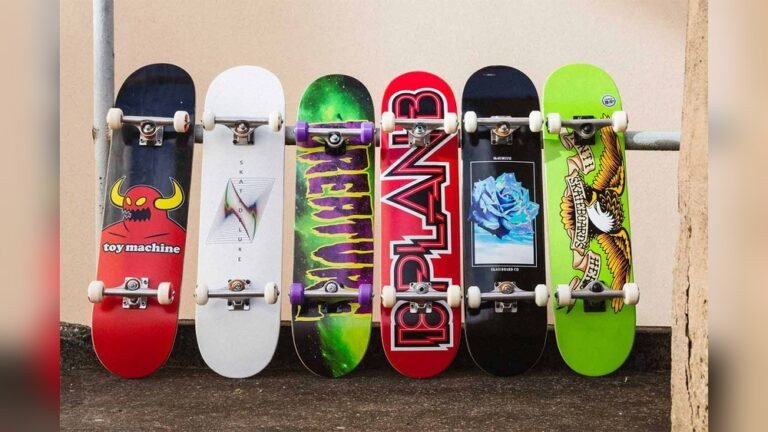
Choosing a skateboard starts with knowing the main categories. While there are many subtypes, most boards fit into four main groups.
Standard Skateboards
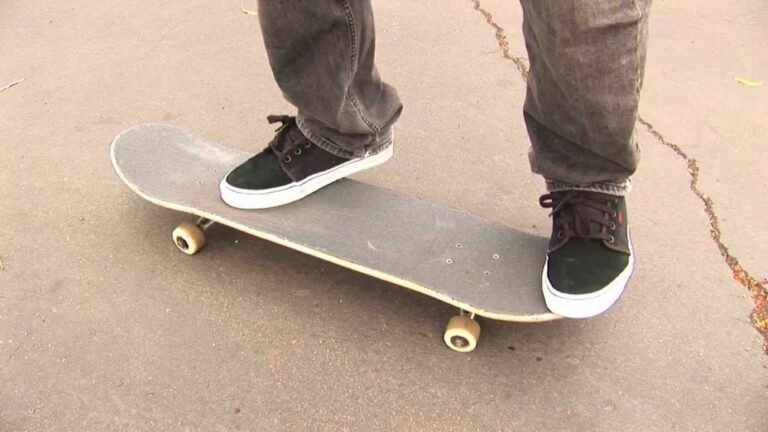
These are the boards you see at skate parks and on city streets. Standard skateboards have a symmetrical shape with a curved nose and tail. They are best for tricks, street riding, and skate parks.
- Average size: 7.5″ to 8.5″ wide, 28″ to 32″ long
- Best for: Beginners, street skaters, park skaters
- Pros: Easy to flip, good for tricks, widely available
- Cons: Not as stable at high speed or for long distances
Cruiser Skateboards
Cruiser boards are made for smooth, comfortable rides over short to medium distances. They are usually shorter than longboards but have bigger, softer wheels than standard skateboards.
- Average size: 7″ to 9″ wide, 22″ to 30″ long
- Best for: Commuting, campus riding, casual cruising
- Pros: Smooth ride on rough pavement, easy to carry, quick turns
- Cons: Not designed for tricks, less stable at high speed
Longboards
Longboards are bigger and longer than other skateboards. They’re built for speed, carving, and long-distance rides. Some people also use them for dancing or downhill racing.
- Average size: 8.5″ to 10″ wide, 33″ to 60″ long
- Best for: Downhill, cruising, transportation, carving
- Pros: Very stable, easy to balance, comfortable on rough roads
- Cons: Hard to do tricks, not as portable
Old School Boards
These boards have a flat nose, a kicktail, and a wider, “fish” shape. Old school boards are inspired by 1980s designs. They are good for pool skating, ramps, and some street tricks.
- Average size: 8.5″ to 10″ wide, 28″ to 33″ long
- Best for: Pool/vert skating, collectors, retro style
- Pros: Stable, good for ramps, nostalgic look
- Cons: Heavier, less versatile for modern tricks
Here’s a quick comparison of the main types:
| Type | Length | Width | Main Use |
|---|---|---|---|
| Standard | 28″-32″ | 7.5″-8.5″ | Tricks, parks, street |
| Cruiser | 22″-30″ | 7″-9″ | Cruising, commuting |
| Longboard | 33″-60″ | 8.5″-10″ | Downhill, distance |
| Old School | 28″-33″ | 8.5″-10″ | Ramps, pools |
Factors To Consider When Choosing Your Skateboard
Not every skateboard fits every skater. Your choice depends on your goals, age, size, and local terrain.
Your Purpose
Ask yourself: What do you want to do on your skateboard? Here’s how your purpose matches with board type:
- Learning tricks: Go for a standard skateboard.
- Cruising or transport: Choose a cruiser or longboard.
- Downhill speed: Longboard is best.
- Ramps or pools: Old school or a wide standard board.
Your Age And Size
Younger or smaller riders should pick smaller boards. A board that’s too big can be hard to control.
Average Skateboard Widths By Age/size:
| Rider Height | Recommended Width | Typical Age |
|---|---|---|
| Under 4′ | 6.5″-7″ | 5-7 years |
| 4′-5.2′ | 7″-7.5″ | 8-12 years |
| Over 5.2′ | 7.5″-8.5″ | Teens & adults |
Where You’ll Ride
- Smooth pavement: Standard or cruiser works well.
- Rough roads: Go for a cruiser or longboard with big, soft wheels.
- Skate parks: Standard skateboard or old school board.
- Hilly areas: Longboard for stability and control.
Budget
Skateboards range from $40 for basic completes to $200+ for high-end setups. Beginners don’t need to buy the most expensive, but avoid very cheap boards—they often break or don’t roll well.
Quality Matters
Two skateboards might look the same, but ride very differently. Reputable brands use better wood, wheels, and trucks. Poor quality boards make learning harder and can be unsafe.
Non-obvious tip: Many beginners focus on the deck’s graphics. Instead, pay attention to the wheels and trucks. Softer wheels make a huge difference on rough ground, and strong trucks last much longer.

Credit: wannatryit.com
Which Board Is Right For You?
Let’s match real-life needs with the right skateboard type.
For Beginners
If you’re just starting, a standard skateboard (about 7.75″–8.0″ wide) is a safe bet. It’s versatile, not too heavy, and works for tricks or basic riding.
- Look for a complete skateboard—this means it’s ready to ride out of the box.
- Choose a medium width if you’re not sure.
- Test the grip tape: It should feel rough enough for your shoes to stick.
For Kids
Smaller, lighter boards are best for children. A “mini” skateboard is easier to control. Look for:
- Width: 6.5″–7″
- Length: 22″–28″
- Softer wheels for smoother rides
For Commuters
If you’ll use your skateboard for commuting, a cruiser is usually ideal. These boards are portable, comfortable, and quick to turn. They handle rough sidewalks better than standard boards.
- Try a plastic “Penny Board” for super-lightweight portability, but note they’re less stable for beginners.
- For longer commutes, a small longboard may be more comfortable.
For Tricks And Skate Parks
Go for a standard skateboard with harder wheels (99A or higher durometer). This lets you slide and flip the board easily.
- Deck width: 7.75″–8.25″
- Hard wheels: 99A–101A for smooth surfaces
For Downhill Or Speed
Choose a longboard with a stiff deck and large, soft wheels. Downhill boards have special trucks for stability.
- Deck length: 36″+ for better control
- Wheelbase: Longer is more stable
For Pool Or Ramp Skating
An old school skateboard or a wide standard board gives more room for your feet and better balance on transitions.
- Deck width: 8.5″–10″
- Big, hard wheels for smooth ramps
Key Skateboard Parts: What To Know Before You Buy
Understanding the main parts can help you make a better choice.
Deck
The deck is the wooden board. Most are made from 7-ply maple—this gives strength and flexibility. Wider decks are more stable but heavier.
Trucks
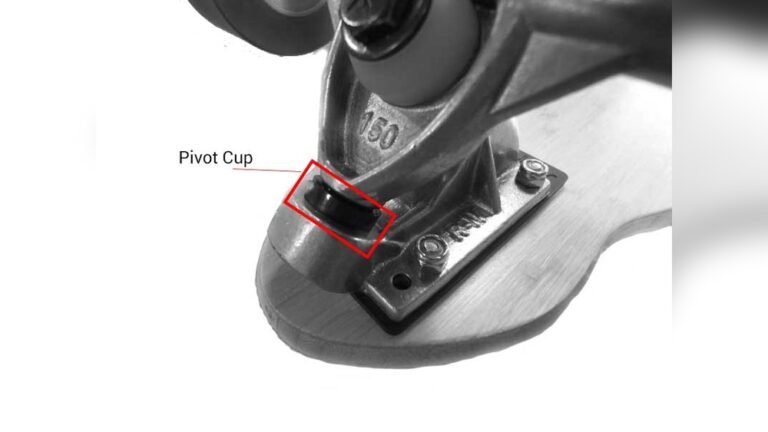
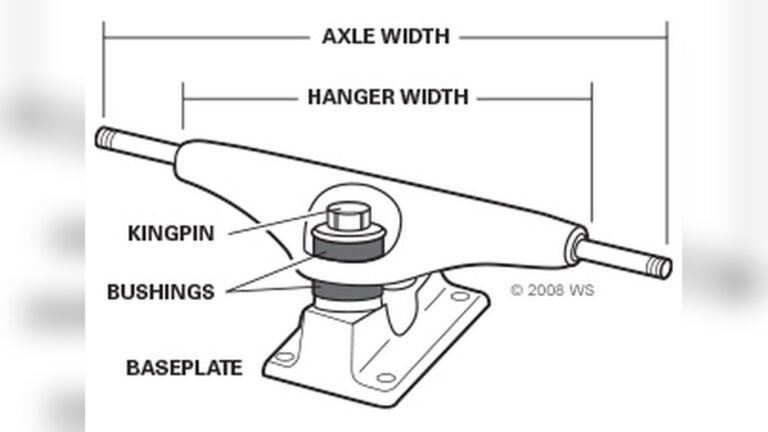
Trucks are the metal parts that connect the wheels to the deck. Good trucks last for years. For beginners, medium-height trucks are easiest to learn on.
Wheels
Wheels come in different sizes and hardness:
- Diameter: Smaller (50-54mm) for tricks; larger (55-60mm) for cruising
- Hardness: Softer (78A-87A) for rough roads; harder (99A+) for skate parks
Bearings
Bearings let your wheels spin. ABEC ratings are common, but the number isn’t everything—quality matters more. Even a lower-rated bearing from a good brand can be faster and smoother.
Grip Tape
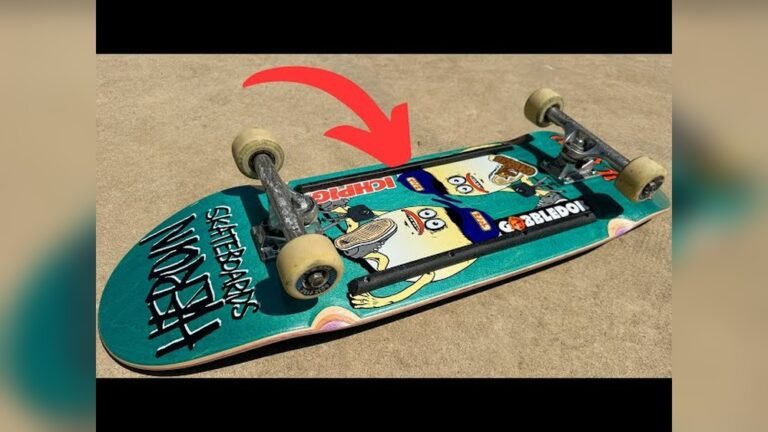
This sandpaper-like sheet on the board’s surface helps your shoes stick. All boards should have grip tape, but some cruisers may use clear grip for style.
Common Mistakes Beginners Make
- Choosing based only on looks: Cool graphics don’t always mean good quality.
- Buying the cheapest board: Ultra-cheap boards often break or ride poorly.
- Ignoring wheel size and hardness: The wrong wheels make riding uncomfortable.
- Wrong board for your needs: For example, buying a trick board for long commutes.
- Not wearing safety gear: Helmets and pads matter, especially when learning.
Pro Tips For First-time Buyers
- Visit a local skate shop if possible. You can stand on boards and get advice from real skaters.
- Check return policies before buying online—sizes and shapes can feel different than expected.
- Don’t be afraid to upgrade parts. As you progress, changing wheels or trucks is common and affordable.
- Start with a complete setup. Customizing is fun, but starting simple saves money and confusion.
Non-obvious insight: Many people think bigger boards are always more stable. But for smaller riders, too much width can make learning tricks harder. Match the board to your foot size, not just your height.

Credit: wannatryit.com
How To Maintain Your Skateboard
Your skateboard will last longer and ride better with basic care:
- Keep it dry: Water can damage the wood and bearings.
- Check the bolts: Loose hardware can make the board unsafe.
- Clean bearings: Dirt slows your wheels. Use bearing cleaner every few months.
- Replace worn grip tape: If your feet slip, it’s time for new grip tape.
Skateboard Type Quick Reference
If you want a summary, here’s a reference for easy matching.
| Goal | Best Board Type | Recommended Features |
|---|---|---|
| Learning tricks | Standard | Medium width, hard wheels |
| Cruising/commuting | Cruiser/Longboard | Soft wheels, portable |
| Downhill/speed | Longboard | Stiff deck, large wheels |
| Ramps/pools | Old School/Wide Standard | Wide deck, hard wheels |
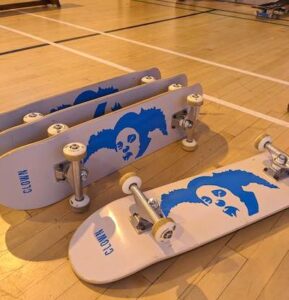
| Young children | Mini skateboard | Narrower, lighter |
Credit: www.schoolofskate.co.uk
Where To Learn More
For deep dives on skateboard types and gear, you can check Wikipedia’s Skateboard page for more technical details and history.
Choosing your first skateboard can be exciting and a little overwhelming. Focus on your main goal, try to stand on different boards if you can, and don’t stress over getting everything perfect right away. The most important thing is to start riding—the details can always be fine-tuned later.
Frequently Asked Questions
What Size Skateboard Is Best For Beginners?
A 7.75″ to 8.0″ wide standard skateboard is best for most beginners. It’s wide enough to be stable but not too heavy for tricks or learning basic moves.
Can You Use A Cruiser Board For Tricks?
Cruiser boards are mainly built for comfort and commuting. While you can do a few basic tricks, their shape and wheels make most tricks harder than on a standard skateboard.
Are Longboards Good For Learning To Skate?
Longboards are great for learning how to balance and ride, especially for adults. But if you want to learn tricks, a standard skateboard is easier.
What’s The Difference Between Cheap And Expensive Skateboards?
Expensive skateboards use better wood, wheels, and trucks. They last longer, roll smoother, and are safer. Cheap boards often break, don’t turn well, and can make learning frustrating.
Do I Need Safety Gear As A Beginner?
Yes, always wear a helmet and consider wrist, elbow, and knee pads. Falls are common when learning. Good gear prevents serious injuries and helps you progress with confidence.