Skateboarding is more than just a sport or hobby—it’s a powerful tool for improving mental health. While many people know about the physical benefits, fewer realize how much skateboarding can help the mind. Across cities and towns, skaters of all ages find not just fun, but also relief from stress, anxiety, and even depression.
The freedom, focus, and creativity involved in skating can create a unique sense of well-being. This article explores why skateboarding is good for mental health, looking at science, real-life stories, and practical advice for anyone curious about picking up a board.
The Science Behind Skateboarding And Mental Health
Skateboarding is a full-body activity, but its impact goes far beyond muscles and coordination. When you skate, your brain releases endorphins—the body’s natural “feel-good” chemicals. These endorphins help reduce stress, lift your mood, and can even make pain feel less intense. According to a study published in the journal “Frontiers in Psychology,” activities like skateboarding that demand focus and movement can help the brain fight negative thoughts and emotions.
Skateboarding also improves neuroplasticity, which is the brain’s ability to adapt and grow. Learning new tricks, navigating obstacles, and reacting to changes all challenge the mind in healthy ways. This mental engagement keeps the brain flexible and responsive, which is key for emotional health.
Reducing Stress And Anxiety
Many skaters describe the feeling of “zoning out” while skating. This isn’t just in their heads—it’s a real psychological effect called flow. When you enter a state of flow, your mind is fully focused on the task, making it hard for worries or anxious thoughts to break through. This is especially helpful for people who struggle with anxiety or overthinking.
Deep focus on movement and timing forces your mind to stay present. You’re not thinking about tomorrow’s meeting or yesterday’s mistake. For many, this is a rare break from life’s constant noise.
How Skateboarding Compares To Other Activities For Stress Relief
Here’s a look at how skateboarding matches up with other common stress-busting activities:
| Activity | Level of Focus Required | Physical Exertion | Social Interaction |
|---|---|---|---|
| Skateboarding | High | Moderate–High | Optional |
| Yoga | Medium | Low–Medium | Optional |
| Jogging | Low–Medium | High | Optional |
| Painting | Medium–High | Low | Low |
Skateboarding stands out for its combination of physical activity and intense focus, making it especially effective for stress relief.

Credit: boardretailers.org
Building Confidence And Resilience
Learning to skateboard is not easy. You fall, you fail, and sometimes you feel frustrated. But each time you get back up, you build resilience—the ability to recover from setbacks. This is not just helpful at the skate park. It teaches a mindset that carries over into school, work, and relationships.
Every trick learned and every fear faced on a board boosts self-confidence. You see clear progress: one week you can’t ollie, the next you can. This sense of achievement is powerful, especially for young people who may struggle with self-esteem.
Real-life Example: Overcoming Fear
Consider the story of 16-year-old Mia, who started skating to cope with social anxiety. At first, she was scared to even step on the board in public. After weeks of practice, she landed her first kickflip. The sense of accomplishment gave her the courage to try new things off the board, too.
Non-obvious insight: Many beginners think they need to be “naturally brave” to skateboard. In reality, the act of trying—even when scared—is what creates bravery. Each small win builds a strong mental foundation.
Social Connections And Community Support
Skateboarding is often seen as a solo sport, but it’s also deeply social. Skate parks and local groups bring people together from all backgrounds. This sense of community is a major reason why skateboarding helps mental health.
Support from fellow skaters can be a powerful motivator. Many skaters share tips, cheer each other on, and celebrate progress—no matter how small. For people who feel isolated, this can be life-changing.
How Skateboarding Communities Support Mental Health
| Community Feature | Mental Health Benefit |
|---|---|
| Group Sessions | Reduces loneliness; encourages social skills |
| Peer Mentorship | Builds confidence; creates positive role models |
| Events & Competitions | Provides goals; increases motivation |
| Online Forums | Offers support; connects skaters worldwide |
Non-obvious insight: Many skaters find that helping others—teaching tricks or offering encouragement—improves their own mental health. Giving support is as powerful as receiving it.
Creativity And Self-expression
Unlike many sports, skateboarding has no strict rules or scores. Skaters are free to create their own style, invent new tricks, and use their environment in unique ways. This creativity is a major part of skating’s mental health benefits.
Expressing yourself through movement can be just as meaningful as painting or music. For many, their board becomes a tool for showing who they are. This sense of identity can be especially important for teens and young adults.
Mindfulness And Being Present
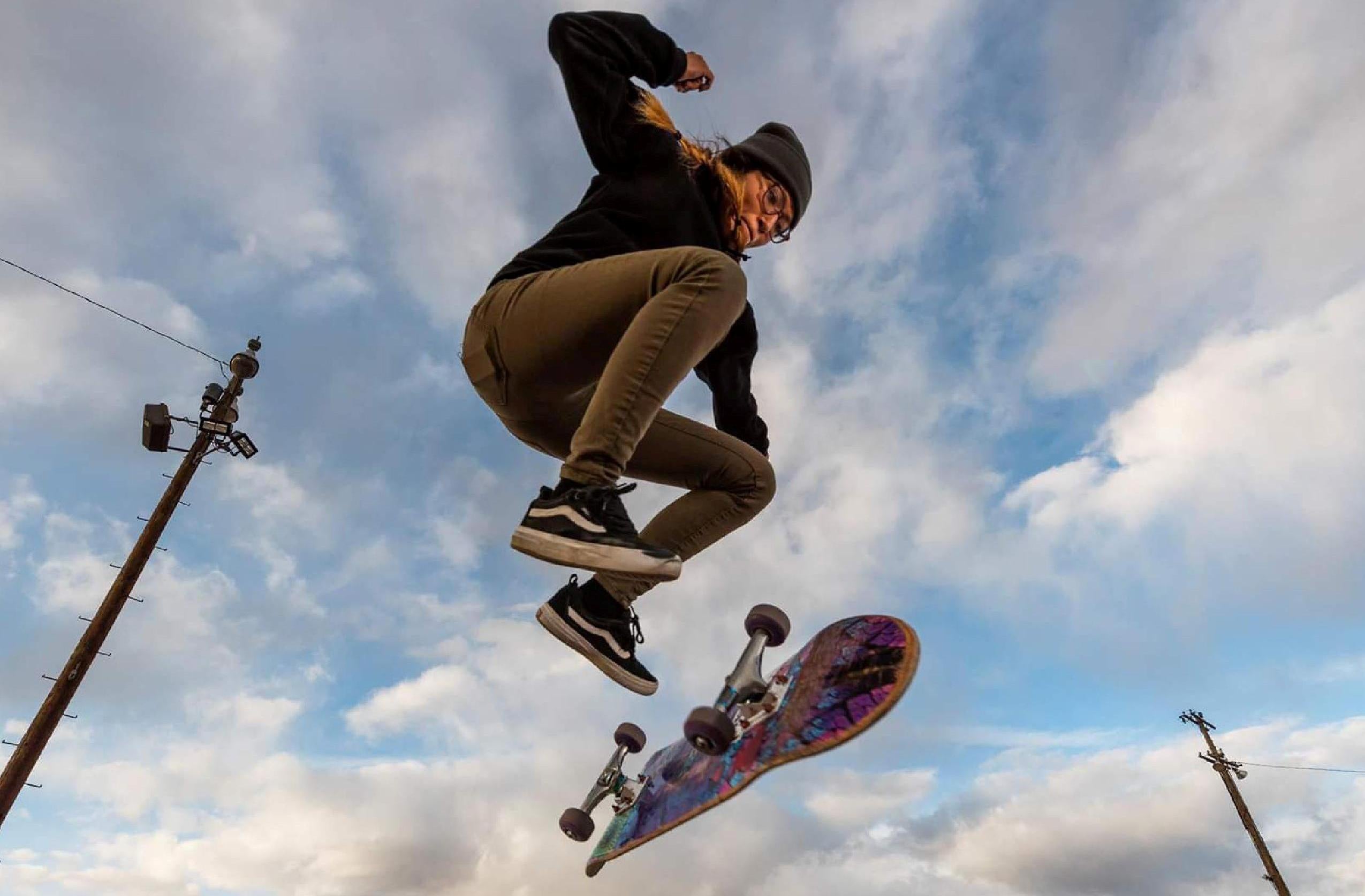
Mindfulness is the practice of focusing on the present moment. While some people use meditation, skaters often reach mindfulness through movement. The sound of wheels on pavement, the feel of the board underfoot, and the need to react instantly all draw your mind into the “now.
”
How Skateboarding Encourages Mindfulness
- Immediate feedback: If your mind wanders, you lose balance. This keeps your attention grounded.
- Rhythmic movement: Repeating basic moves can create a calming rhythm, much like breathing in meditation.
- Environmental awareness: Skating requires you to notice cracks, changes in terrain, and nearby people, sharpening your senses.
Practicing this form of mindfulness can help reduce rumination, or repetitive negative thinking—a common problem in anxiety and depression.
Credit: www.tuesdaysskateshop.co.uk
Physical Health Benefits That Support Mental Well-being
Physical and mental health are closely connected. Skateboarding improves cardiovascular fitness, balance, and coordination. Regular exercise is proven to lower symptoms of depression and anxiety. For example, the Centers for Disease Control and Prevention (CDC) reports that adults who exercise regularly have a 30% lower risk of depression.
Comparison: Skateboarding Vs. Other Physical Activities For Mental Health
| Activity | Mental Health Impact | Physical Health Impact | Accessibility |
|---|---|---|---|
| Skateboarding | High (flow, confidence, creativity) | Moderate–High | Medium (requires equipment, space) |
| Team Sports | High (teamwork, motivation) | High | Medium (needs team, schedule) |
| Walking | Low–Medium (less engagement) | Low–Medium | High (almost anywhere) |
While skateboarding may require a bit more equipment, its unique mental health benefits make it stand out.
Overcoming Barriers: Getting Started Safely
Many people are interested in skateboarding but worry about injuries or feeling out of place. Here’s how to start safely and maximize the mental health benefits:
- Wear protective gear. Always use a helmet, knee pads, and wrist guards, especially when learning.
- Start small. Begin with basic moves on flat ground before trying tricks or ramps.
- Find a welcoming community. Many skate shops and parks offer beginner sessions.
- Set realistic goals. Celebrate progress—even small improvements matter.
- Accept mistakes as part of learning. Falling is normal; resilience grows with each try.
Common mistake: Beginners often compare themselves to advanced skaters and feel discouraged. Remember: everyone started as a beginner. Focus on your own journey.
Support For Mental Health Through Skateboarding Programs
All over the world, organizations are using skateboarding to help people with mental health challenges. Programs like Skateistan and Boards for Bros offer lessons and mentorship for kids and teens, especially in areas with limited resources. Some mental health clinics now include skateboarding in therapy plans, using it to build trust and engagement.
A report by the Tony Hawk Foundation found that cities with skate parks see lower rates of youth crime and vandalism, suggesting that skateboarding can offer positive alternatives for at-risk youth. These programs show that with the right support, skateboarding can be a lifeline for those struggling with mental health.
For more research and real-world examples, check out this article from the New York Times.
Frequently Asked Questions
What Makes Skateboarding Different From Other Sports For Mental Health?
Skateboarding is unique because it combines creativity, self-expression, and community. Unlike many team sports, there is less pressure to win or perform. Skaters can focus on personal progress and style, which is good for self-esteem and stress relief.
Can Adults Benefit From Skateboarding’s Mental Health Effects?
Yes, adults of all ages can enjoy mental health benefits from skateboarding. Many older skaters report feeling more relaxed, focused, and connected after picking up a board, even if they start later in life.
Is Skateboarding Safe For People With Anxiety Or Depression?
With proper safety gear and realistic expectations, skateboarding is safe and beneficial. It encourages movement, social interaction, and positive risk-taking, all of which can help manage symptoms of anxiety and depression.
How Can Parents Support Kids Who Want To Start Skateboarding?
Parents can help by providing protective gear, finding local skate parks, and encouraging a positive attitude toward learning. Joining a community or lessons can help kids feel supported and less alone.
Where Can I Find Resources Or Communities For Mental Health And Skateboarding?
Look for local skate shops, community centers, or organizations like Skateistan. Online forums and social media groups are also great for connecting with others and finding events or support.
Skateboarding is much more than rolling on four wheels. It’s a way to build confidence, find community, express yourself, and stay present. For many, it’s also a lifeline during tough times. Whether you’re young or old, experienced or just starting out, the mental health benefits of skateboarding are waiting at the edge of your board.
Give it a try—you might find more than you expected.

Credit: phys.org
4 thoughts on “Why Skateboarding is Good for Mental Health: Boost Your Wellbeing”