Things You Should Never Do in Skateboarding
Skateboarding is a thrilling and rewarding activity that offers a unique blend of physical challenge, creative expression, and community. From mastering your first ollie to cruising through city streets, the journey of a skateboarder is one of constant learning and progression.
However, like any sport or activity, skateboarding comes with its own set of unwritten rules and practices that contribute to safety, respect, and the overall enjoyment of the experience. Understanding what *not* to do is just as crucial as knowing how to perform a trick.
Many newcomers to skateboarding, eager to jump into the action, might overlook the nuances that seasoned skaters have learned through experience. These aren’t just arbitrary rules; they are born from a desire to maintain safety for oneself and others, to foster a positive atmosphere within skate spots, and to ensure the longevity of the skateboarding culture.
Ignoring these guidelines can lead to accidents, friction within the community, and a less enjoyable experience for everyone involved. This guide will illuminate the common pitfalls and behaviors that can hinder your progress and detract from the spirit of skateboarding.
Key Takeaways
- Prioritize Safety: Always wear protective gear, especially when learning or attempting new tricks.
- Respect Skate Spots: Clean up after yourself, don’t damage property, and be mindful of others using the space.
- Learn Etiquette: Understand the unspoken rules of sharing skate parks and street spots.
- Master the Basics: Don’t rush to advanced tricks before solidifying fundamental skills.
- Proper Board Care: Maintain your skateboard to ensure performance and prevent unnecessary damage.
- Avoid Reckless Behavior: Riding under the influence or in unsafe conditions significantly increases risk.
- Be Patient and Persistent: Skateboarding takes time; avoid getting discouraged by setbacks.
- Integrate into the Community: Be open to learning from others and sharing the stoke.

Credit: www.youtube.com
The Dangers Of Neglecting Safety Gear
The allure of skateboarding often lies in its raw, uninhibited nature, and it’s easy to feel invincible, especially when you’re just starting out or mastering easy skateboard tricks for beginners. However, the reality is that skateboarding carries inherent risks. Falls are not just common; they are an integral part of the learning process. Without proper safety gear, these falls can escalate from minor scrapes to serious injuries.
Skimping On Protective Equipment
Perhaps the most critical “never do” in skateboarding is never neglect your safety gear. This includes helmets, knee pads, elbow pads, and wrist guards. While some experienced skaters might opt out of certain gear for specific disciplines or tricks, it’s an absolute must for beginners and highly recommended for all levels. A helmet protects your brain from potentially life-altering head injuries, a primary concern in skateboarding accidents. Knee and elbow pads cushion impacts during falls, preventing severe abrasions and fractures. Wrist guards are invaluable for preventing sprains and fractures, as instinctively putting your hands out to break a fall is a common reflex.
In my experience, witnessing friends sustain preventable injuries due to a lack of pads has always underscored their importance. The initial discomfort or perceived “uncoolness” of wearing gear pales in comparison to the pain, recovery time, and potential long-term consequences of a serious injury. Data from the U.S. Consumer Product Safety Commission (CPSC) has consistently shown that helmets reduce the risk of head injury by as much as 85%. While specific statistics for skateboarding gear adoption are harder to isolate, the principle remains: proper protection significantly mitigates risk.
Riding Without Awareness
Another crucial safety aspect is never ride without being aware of your surroundings. This applies whether you’re in a skate park or on the street. In skate parks, this means being mindful of other skaters’ lines, avoiding collisions, and understanding park etiquette. On the street, it involves constant vigilance for pedestrians, vehicles, uneven surfaces, and potential hazards like grates or debris. Distracted riding, whether by headphones, phone use, or simply not paying attention, is a recipe for disaster.
Pushing Your Limits Too Soon
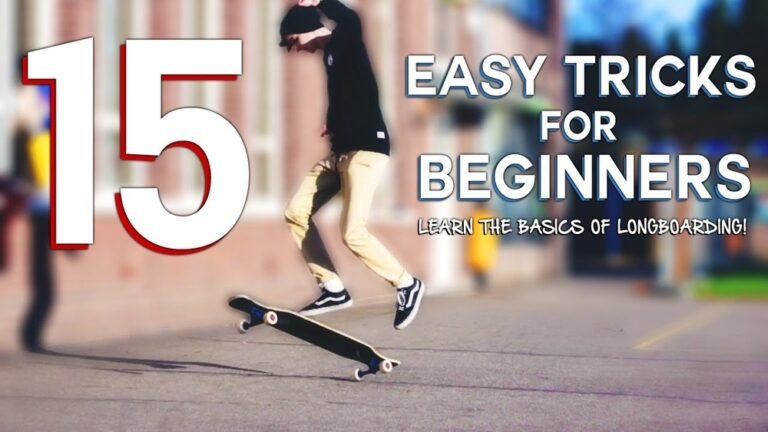
While ambition is commendable, never attempt tricks or maneuvers far beyond your current skill level. This is a common mistake for skaters eager to impress or progress rapidly. Pushing your limits is essential for growth, but it should be done incrementally and with a solid foundation. Trying a complex flip trick before you can reliably land an ollie, for example, is not only unlikely to succeed but also significantly increases your risk of injury. Focus on mastering each step before moving to the next. Resources like easy skateboard tricks for beginners can guide your progression safely.

Credit: www.yourtango.com
Disregarding Skate Park And Street Etiquette
Skate parks and popular street spots are shared spaces. The unwritten rules of etiquette are vital for ensuring everyone has a positive and safe experience. Ignoring these can lead to conflict and make you an unwelcome presence.
Hogging The Space
A cardinal sin in any shared activity is never hogging the prime spots or features. In a skate park, this means not monopolizing a popular rail, ledge, or transition for extended periods, especially when others are waiting. Taking turns, allowing others to have their attempts, and moving on after a reasonable number of tries are basic courtesies. This applies to street spots too; don’t set up a session in a way that blocks pedestrian traffic or prevents others from skating. The goal is to share the stoke, not hoard it.
Ignoring The Flow
Skate parks often develop a natural flow or line. Never ride against the established flow or cut off other skaters. This is particularly important on ramps and bowls. Understand the direction most people are riding and try to integrate yourself without disrupting others. Cutting someone off, whether intentionally or through carelessness, is dangerous and disrespectful. Always look before you drop in or enter a line.
Damaging Property Or Leaving A Mess
Skateboarding often takes place in public spaces, and it’s crucial to never damage property or leave a mess behind. This includes not excessively grinding ledges to the point of causing damage, not leaving trash, and not disrespecting the environment. Skaters are often viewed through the lens of their collective behavior; damaging spots can lead to them being shut down or restricted for everyone. Always pack out what you pack in, and if you see litter, consider picking it up. This respect for the environment is a cornerstone of responsible skating.
Being Disrespectful To Other Users
Skate parks are not exclusively for skaters. Never be disrespectful to non-skaters, younger children, or other park users. This includes being mindful of pedestrians, families, or anyone else sharing the space. Creating a welcoming atmosphere benefits everyone. Conversely, if you’re learning to skate, it’s also important for parents to follow guidelines like those found in how to teach a kid to skateboard to ensure a positive introduction for younger riders.

Credit: www.youtube.com
Mistakes In Board Maintenance And Handling
Your skateboard is your primary tool, and like any tool, it requires care and attention. Neglecting your board can lead to poor performance, unexpected breakages, and potentially dangerous situations.
Riding A Damaged Board
A fundamental “never do” is never ride a skateboard that is visibly damaged or compromised. This includes:
- Cracked Decks: Small cracks, especially near the trucks or tail, can quickly worsen and lead to a snapped deck mid-trick. Look out for pressure cracks on skateboard and address them if possible, or retire the deck if severe.
- Loose or Damaged Trucks: Trucks that are overly loose can cause instability, while bent axles or damaged kingpins compromise steering and can fail under stress.
- Worn-Out Wheels: Severely flat-spotted or chunked wheels can cause unpredictable rolling and make it difficult to maintain balance.
- Stripped Hardware: If bolt heads are stripped, it can be difficult to properly tighten or loosen components, affecting the integrity of the board’s assembly.
Incorrect Board Setup
The way your board is set up significantly impacts its performance and your ability to ride it. Never ride with an improperly set up board. This can mean:
- Trucks Too Loose or Too Tight: Trucks that are excessively loose can lead to “wheel bite” (where the wheel touches the deck during turns, causing instability or a sudden stop) and make the board feel wobbly. Trucks that are too tight hinder turning and make carving difficult.
- Wheels Rubbing: Ensure your wheels aren’t rubbing against the deck during turns, which can be caused by loose trucks or incorrect washer placement.
- Grip Tape Issues: Peeling or worn-out grip tape reduces traction, making it harder to control your board, especially during tricks.
Not Knowing Your Gear
Understanding the components of your skateboard is crucial for both maintenance and performance. Never be completely ignorant of how your board works. While you don’t need to be a master mechanic, knowing the basic function of decks, trucks, wheels, bearings, and hardware allows you to identify problems and make informed decisions. This knowledge is also essential when considering upgrades or replacements, as highlighted in guides like how to choose a skateboard deck.
Common Beginner Pitfalls
The journey into skateboarding is exciting, but it’s also a steep learning curve. Many beginners fall into common traps that can hinder their progress and enjoyment.
Rushing The Learning Curve
One of the most significant mistakes is never rushing the learning curve. Skateboarding requires patience, persistence, and a methodical approach. Trying to learn advanced tricks before mastering the fundamentals, such as pushing, turning, and stopping comfortably, is a recipe for frustration and injury. Focus on building a solid foundation. Many great resources exist to help, such as guides on how to learn skateboarding as an adult or for younger riders.
Trying To Learn Too Many Tricks At Once
While variety is the spice of life, never attempt to learn too many different tricks simultaneously. This can spread your focus too thin and prevent you from dedicating the necessary practice time to each trick. It’s far more effective to concentrate on one or two tricks until you can perform them consistently before moving on. This focused approach leads to quicker and more solid skill acquisition.
Not Practicing Consistently
Skateboarding is a skill that requires regular practice to develop muscle memory and coordination. Never let long gaps pass between skating sessions. Even short, frequent sessions are more beneficial than infrequent marathon sessions. Consistency is key to building the confidence and technical ability needed to progress. Aim for at least a few sessions a week, even if they are just for 30-60 minutes.
Getting Discouraged By Falling
Falling is an inevitable part of skateboarding. Never let the fear of falling or the frustration of repeated failures deter you. Every skater has been through this. View each fall as a learning opportunity. Analyze what went wrong, adjust your technique, and try again. The mental fortitude developed through overcoming these challenges is one of the most valuable aspects of skateboarding. The mental health benefits of overcoming such challenges are significant, as discussed in why skateboarding is good for mental health.
Behavioral Mistakes Off The Board
Skateboarding is more than just riding; it’s a culture. Your behavior, both on and off the board, contributes to your reputation and the overall perception of skaters.
Riding Under The Influence
This is a critical safety warning: never ride a skateboard while under the influence of alcohol or drugs. Impaired judgment, slower reaction times, and loss of coordination dramatically increase the risk of severe accidents. This applies to both recreational and prescription drugs that may cause drowsiness or impair cognitive function. Your ability to react to sudden hazards is severely compromised, making even simple cruising dangerous.
Ignoring Traffic Laws And Safety
When skating on public streets, never ignore traffic laws or basic road safety principles. This includes:
- Riding with Traffic: Always ride in the same direction as traffic, not against it.
- Obeying Signals: Stop at red lights and stop signs.
- Visibility: Make yourself visible to drivers, especially at night or in low-light conditions. Consider reflective gear or lights.
- Avoiding Distractions: As mentioned earlier, avoid using headphones that block out ambient noise or using your phone while riding.
Adhering to these rules not only keeps you safe but also fosters better relations between skaters and the general public. The discussion around are electric skateboards safe often touches upon the increased need for awareness and adherence to safety protocols due to their speed and integration into traffic.
Being A Spectator Without Participating
While it’s great to watch and learn, never be a perpetual spectator without actively trying to engage. If you’re interested in skateboarding, the best way to learn is by doing. Don’t be intimidated by others’ skills. Many skaters are happy to offer tips and encouragement. Embrace the learning process and step onto the board.
Disrespecting The Skate Community
The skateboarding community, while diverse, often shares a common bond. Never disrespect the established culture or other skaters. This can range from mocking someone’s skill level to dismissing the history or evolution of skateboarding. There’s a rich tapestry of skateboarding culture explained that newcomers and veterans alike can appreciate and learn from. Showing respect for those who came before you and for your peers is fundamental.
Specific Scenarios To Avoid
Beyond general rules, certain situations demand extra caution or complete avoidance.
Skating In Unsuitable Weather Conditions
Never skate in conditions that compromise safety and board integrity. This includes:
- Wet Surfaces: Water significantly reduces traction, making it difficult to control your board and increasing the risk of slipping. It can also damage bearings and hardware.
- Icy Conditions: Ice is extremely slippery, and attempting to skate on it is highly dangerous and offers virtually no control.
- High Winds: Strong winds can unpredictably push your board or affect your balance, making riding hazardous.
- Extreme Heat: While not a direct cause of accidents, extreme heat can lead to dehydration and heatstroke, impacting your physical performance and judgment.
Using The Wrong Equipment For The Task
Skateboards come in various shapes and sizes, designed for different purposes. Never use the wrong type of board or equipment for the intended activity. For instance:
- Using a Longboard for Street Tricks: While longboards are great for cruising and downhill, their size and shape make them unsuitable for technical street tricks.
- Using a Street Skateboard for Downhill: Street decks are typically too short and unstable for high-speed downhill runs.
- Using Worn-Out Bearings: Old, dirty, or damaged bearings will make your wheels roll slowly and unevenly, hindering your ride.
A good example of specialized equipment is seen in the difference between standard skateboards and those designed for specific styles. Brands like Element and Santa Cruz offer boards tailored for different preferences, as explored in reviews like Are Element Skateboards Good? and Are Santa Cruz Skateboards Good?.
Trying To Imitate Professional Moves Without Foundation
While watching pros is inspiring, never try to immediately replicate complex professional tricks without the necessary groundwork. Professional skaters have dedicated years, often decades, to honing their skills. Their seemingly effortless maneuvers are built upon an immense foundation of basic skills, strength, and experience. Focus on building your own progressive skill set.
When To Seek Professional Help Or Guidance
While much of skateboarding is learned through self-teaching and peer interaction, there are times when external help is invaluable.
Ignoring Persistent Pain
If you experience persistent pain, especially in joints like ankles, knees, or wrists, never ignore it. While minor soreness is common, sharp, lingering, or worsening pain could indicate a more serious injury that requires medical attention. Pushing through significant pain can turn a minor issue into a chronic problem. Consulting a doctor or physical therapist can be crucial for proper diagnosis and rehabilitation.
Not Knowing How To Fix Your Board
When your skateboard develops an issue you can’t resolve, never hesitate to seek help. This could mean:
- Visiting a Local Skate Shop: Most skate shops have knowledgeable staff who can help with repairs, adjustments, or offer advice on maintenance. They are invaluable resources for understanding skateboard manufacturers guide and component quality.
- Asking Experienced Friends: If you have skater friends who are mechanically inclined, they might be willing to lend a hand.
- Watching Tutorials: Online resources and video tutorials can guide you through common repairs and maintenance tasks.
Avoiding Learning From Others
While self-reliance is admirable, never be too proud to ask for help or advice. Skateboarding is a community activity, and learning from more experienced skaters can accelerate your progress and prevent you from developing bad habits. Be open to constructive criticism and guidance.
Frequently Asked Questions
What Is The Biggest Mistake A Beginner Skateboarder Can Make?
The biggest mistake a beginner can make is neglecting safety gear, particularly a helmet. Falls are inevitable, and head injuries can have devastating consequences. Beyond gear, rushing the learning process by attempting difficult tricks before mastering the basics like pushing, turning, and stopping is another common and detrimental error.
Is It Okay To Skate In The Rain?
No, it is never okay to skate in the rain or on wet surfaces. Water drastically reduces traction, making it extremely difficult to control your board and increasing the risk of slipping and falling. Additionally, moisture can damage your bearings, leading to rust and poor performance, and can also degrade the grip tape.
How Important Is It To Maintain My Skateboard?
Maintaining your skateboard is critically important for both performance and safety. Regularly checking for cracks in the deck, ensuring trucks are properly tightened, wheels spin freely, and hardware is secure prevents unexpected breakages and accidents. A well-maintained board rides better, lasts longer, and is safer to use.
What Should I Do If I See Someone Damaging A Skate Spot?
If you witness someone intentionally damaging a skate spot, the best approach is to address it calmly and respectfully, if you feel safe doing so, or report it. Skate spots are valuable community assets, and their destruction can lead to them being closed down. Reminding people of the importance of respecting the space, as discussed in etiquette sections, can be effective. If the behavior is aggressive or dangerous, prioritize your safety and consider informing park authorities or local authorities if appropriate.
Can I Learn To Skateboard As An Adult, And What Should I Avoid?
Absolutely, you can learn to skateboard as an adult. The key is to avoid the common pitfall of trying to learn too quickly or comparing yourself to younger skaters. Focus on building a solid foundation, prioritize safety gear, and be patient with your progress. Avoid ignoring pain signals and ensure you have a properly maintained board. Resources like How to Learn Skateboarding As an Adult offer specific guidance.
Skateboarding offers an incredible avenue for personal growth, physical fitness, and community connection. The benefits, from improved balance and coordination to enhanced mental resilience and creativity, are substantial, as highlighted in discussions on benefits of skateboarding. However, like any pursuit that pushes boundaries, it demands respect, respect for yourself, respect for others, and respect for the equipment and environment. By understanding and actively avoiding the common mistakes and detrimental behaviors outlined here, you not only enhance your own safety and progression but also contribute positively to the vibrant and enduring culture of skateboarding. Embrace the journey with patience, persistence, and a mindful approach, and you’ll find skateboarding to be an endlessly rewarding experience.