Longboard Wheels on a Skateboard: Ultimate Guide for Smooth Rides
Skateboarding is all about creativity. Riders experiment with tricks, board shapes, and even wheels. But what happens when you put longboard wheels on a traditional skateboard? This setup is becoming popular, especially among riders who want smoother rides, more speed, or unique styles. If you’re curious about mixing these two worlds, this guide will help you understand everything—from technical details to real-life performance. Let’s explore the pros, cons, and what you need to know before making the switch.
Why Consider Longboard Wheels On A Skateboard?
Putting longboard wheels on a skateboard isn’t just a trend. Many riders are looking for a better cruise, smoother sidewalks, and less vibration. Longboard wheels are larger and softer than standard skateboard wheels. This means they roll over rough terrain with ease, which appeals to city commuters and casual riders.
Some skateboarders also want more speed. Because longboard wheels have a larger diameter, they cover more ground with each rotation. This results in faster acceleration and higher top speeds, especially for flat ground or downhill skating.
However, there are trade-offs. Standard skateboards are designed for tricks, flips, and tight turns. Changing the wheels affects how your board handles. It’s important to understand these changes before making your decision.
Differences Between Skateboard And Longboard Wheels
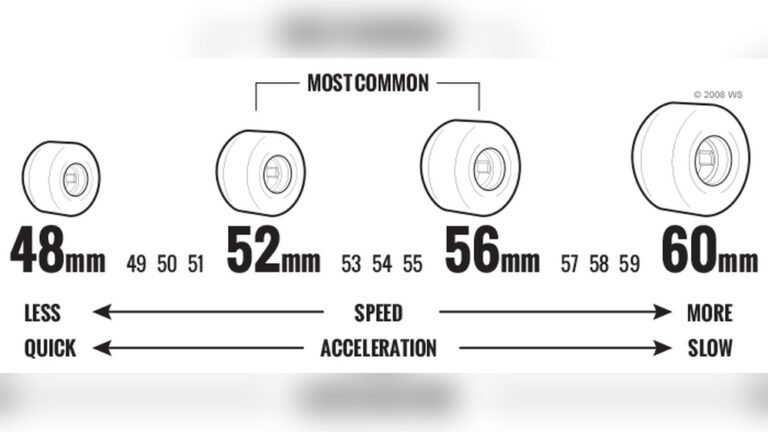
Let’s get clear on the basics. Skateboard wheels are usually between 50–54 mm in diameter, and made from harder urethane (durometer 95A–101A). Longboard wheels, in contrast, range from 60–75 mm and are much softer (durometer 75A–90A).
Here’s a quick comparison:
| Type | Diameter (mm) | Durometer (A) | Typical Use |
|---|---|---|---|
| Skateboard | 50–54 | 95–101 | Tricks, skateparks |
| Longboard | 60–75 | 75–90 | Cruising, downhill |
Key differences:
- Size: Longboard wheels are larger, which makes them roll faster and handle cracks better.
- Hardness: Softer wheels absorb vibrations, perfect for rough surfaces.
- Shape: Many longboard wheels are wider, giving more grip.
Beginners often miss that wheel hardness affects slide and control. Softer wheels grip more, making slides harder but providing a stable ride. Hard wheels slide easily, but feel rough on uneven ground.

Credit: www.youtube.com
How Longboard Wheels Change Your Skateboard’s Performance
When you swap skateboard wheels for longboard wheels, you’ll notice several changes right away. Here’s what to expect:
- Smoother Ride: You’ll glide over cracks, pebbles, and rough sidewalks. Vibrations are reduced, and your board feels more comfortable.
- Increased Speed: Larger wheels spin slower but cover more distance. You’ll go faster with less effort, especially on flat or downhill terrain.
- Less Tricks: The extra size and weight make flip tricks harder. Ollies and kickflips require more force, and your board might feel sluggish.
- Wheelbite Risk: Bigger wheels can rub against your deck during turns (called “wheelbite”). This can stop your board suddenly and cause falls.
Most skateboarders underestimate how much wheelbite affects daily riding. To avoid it, you’ll need to make adjustments—like adding riser pads or choosing wheels with a rounded profile.
Practical Setup: Installing Longboard Wheels On A Skateboard
Before you switch, here’s what you need:
- Longboard wheels (60–70 mm is ideal for skateboards)
- Riser pads (at least 1/4 inch thick)
- Longer hardware (to fit risers)
- Standard skateboard trucks
Steps:
- Remove your old wheels and clean the bearings.
- Add riser pads between the deck and trucks. This raises your board and prevents wheelbite.
- Attach longer bolts to secure the trucks and risers.
- Install bearings into your new longboard wheels.
- Mount the wheels onto your trucks.
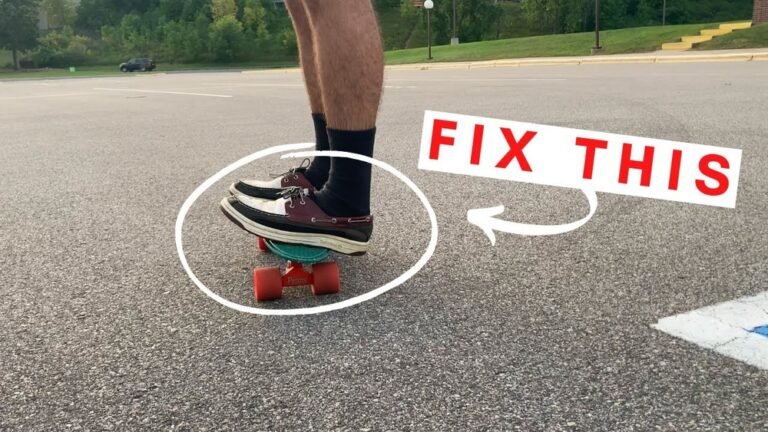
Check for wheelbite by standing on your board and leaning left/right. If the wheels rub, try thicker riser pads or smaller wheels.
Insight: Many beginners forget to upgrade hardware when adding riser pads. Short bolts won’t secure the trucks properly, making your setup unstable.
Pros And Cons Of Using Longboard Wheels
Let’s break down the advantages and disadvantages.
Pros
- Comfort: Softer wheels cushion vibrations, making city rides enjoyable.
- Speed: Larger diameter means more momentum and less pushing.
- Grip: Wider wheels offer more traction, helpful for carving.
Cons
- Reduced Trick Ability: Harder to perform technical tricks.
- Heavier Setup: Bigger wheels and risers add weight.
- Wheelbite: Risk increases with larger wheels.
- Turning Radius: Wider wheels can limit how sharply you turn.
Choosing the right wheels depends on your riding style. If you prioritize cruising, longboard wheels are worth it. If you want to skate parks and do tricks, stick to standard wheels.
Real-world Examples: Who Uses This Setup?
Many urban skaters use longboard wheels for commuting. For example, students crossing campus or workers in big cities prefer smoother rides. Some pro skaters use this setup for filming street lines, where speed and stability matter more than tricks.
In California, “cruiser boards” are common. These are skateboards with soft, large wheels designed for beach paths and city streets. Brands like Penny and Globe sell ready-made cruisers, but you can also build your own.
Stat: About 30% of skateboarders in the US use cruiser setups for everyday riding (according to Skateboarding Industry Association).

Credit: www.skateboardershq.com
Comparing Skateboard And Longboard Wheels For Different Uses
Let’s see how both wheel types perform for various activities.
| Activity | Skateboard Wheels | Longboard Wheels |
|---|---|---|
| Tricks & Flips | Easy | Hard |
| Cruising | Rough | Smooth |
| Downhill | Unstable | Stable |
| Urban Commute | Lots of vibration | Less vibration |
If you skate mostly for tricks, stick to standard wheels. For cruising or commuting, longboard wheels give clear benefits.
Choosing The Right Longboard Wheels For Your Skateboard
Not all longboard wheels fit well on skateboards. Here’s what matters most:
- Diameter: 60–65 mm is best. Larger wheels may cause wheelbite.
- Durometer: Choose 78A–85A for soft, grippy rides.
- Shape: Rounded edges prevent sticking during turns.
- Width: Narrower wheels make your board lighter and more maneuverable.
Some riders make the mistake of buying the biggest wheels possible. This increases wheelbite and makes the board harder to control. Instead, balance size and comfort.
| Feature | Ideal for Skateboard | Not Ideal |
|---|---|---|
| Diameter | 60–65 mm | 70+ mm |
| Durometer | 78A–85A | 90A+ |
| Shape | Rounded | Square |
| Width | 35–45 mm | 50+ mm |
Tip: Check your deck’s shape. Boards with wheel wells (cutouts) are better for large wheels.
Credit: www.reddit.com
Common Mistakes And How To Avoid Them
Many beginners make simple errors when switching to longboard wheels. Here are the most frequent:
- Ignoring Wheelbite: Not adding riser pads leads to dangerous stops.
- Wrong Wheel Size: Oversized wheels can ruin your board’s handling.
- Skipping Hardware Upgrade: Standard bolts may not fit thicker risers.
- Choosing Too Soft Wheels: Ultra-soft wheels make pushing harder and wear out quickly.
If you avoid these mistakes, you’ll get a better, safer ride.
Tips For Maintaining Your Hybrid Setup
To keep your skateboard running well with longboard wheels:
- Check bolts regularly. Riser pads can loosen hardware over time.
- Clean bearings often. Larger wheels spin faster, so dirt builds up quickly.
- Inspect riser pads. Cracked pads reduce protection against wheelbite.
- Rotate wheels. This helps them wear evenly, especially if you commute daily.
An overlooked tip: Lubricate your bearings with silicone-based oil. It lasts longer than standard oils and keeps your wheels spinning smoothly.
Should You Try Longboard Wheels On Your Skateboard?
If you want a smoother ride, higher speed, and more comfort, this setup is worth testing. It’s ideal for city streets, campus rides, or casual cruising. Just remember, your board will feel heavier and less responsive for tricks.
Many advanced riders use “hybrid” setups—skateboard decks with longboard wheels and riser pads. These boards combine the best of both worlds. Experiment with different wheels and riser heights to find your perfect match.
If you’re unsure, visit your local skate shop or check expert guides like SkateboardersHQ for in-depth advice.
Frequently Asked Questions
Can I Use Any Longboard Wheels On My Skateboard?
No. Choose wheels between 60–65 mm diameter and 78A–85A durometer. Larger or softer wheels can cause wheelbite or make pushing difficult.
Will Longboard Wheels Damage My Skateboard?
Not directly, but improper setup (no riser pads, wrong hardware) can cause wheelbite or stress cracks. Use quality parts to protect your deck.
Is It Harder To Do Tricks With Longboard Wheels?
Yes. Larger, softer wheels are heavier and grip more. Ollies, kickflips, and slides require more force and may feel awkward.
Do I Need Special Trucks For Longboard Wheels?
No. Standard skateboard trucks work, but add riser pads to prevent wheelbite. Check that your wheels fit without rubbing.
How Do I Avoid Wheelbite?
Install riser pads (at least 1/4 inch), use wheels with rounded edges, and avoid oversized wheels. Test your setup by leaning and turning before skating.
Skateboarding is about finding your own style. Mixing longboard wheels with skateboards gives new possibilities—just make sure you set up your board safely and smartly. Try different combinations, and enjoy the ride!