Hate for Skateboarders
The rhythmic clatter of urethane wheels on concrete, the defiant grind against metal rails, the leap and spin against gravity, skateboarding is more than just a sport; it’s a culture, an art form, and a lifestyle for millions. Yet, this vibrant subculture often finds itself at odds with the wider public, fostering a surprisingly common sentiment: hate for skateboarders. This animosity stems from a complex mix of perceived nuisance, property damage, and a clash of lifestyles, creating friction in shared urban spaces. Understanding the roots and manifestations of this negative perception is crucial for fostering better community relations and ensuring the continued accessibility of public spaces for all.
Key Takeaways
- Perception vs. Reality: Much of the “hate” directed at skateboarders stems from a few negative behaviors amplified by stereotypes, rather than the actions of the majority.
- Public Space Conflict: Skateboarding often occurs in public areas, leading to conflicts over usage, noise, and perceived damage to property.
- Stereotypes and Misconceptions: Skateboarders are often unfairly stereotyped as vandals, delinquents, or nuisances, ignoring the positive aspects of the sport.
- Economic Impact: While some perceive skateboarding as destructive, it also has a positive economic impact through specialized retail and events.
- Solutions and Mitigation: Addressing conflicts requires a multi-faceted approach, including dedicated skate spots, community dialogue, and education on both sides.
- Positive Contributions: Skateboarding fosters creativity, resilience, physical and mental well-being, and can be a positive outlet for youth.
The Roots Of Anti-skater Sentiment
The friction between skateboarders and the general public is a long-standing issue, deeply embedded in the history of skateboarding’s emergence in urban environments. As skateboarding evolved from a niche hobby to a global phenomenon, its practitioners increasingly sought out urban landscapes as their playgrounds.
This natural gravitation towards plazas, streets, and public architecture inevitably led to confrontations with property owners, city officials, and residents who viewed these activities as intrusive or destructive.
Perceived Nuisance And Property Damage
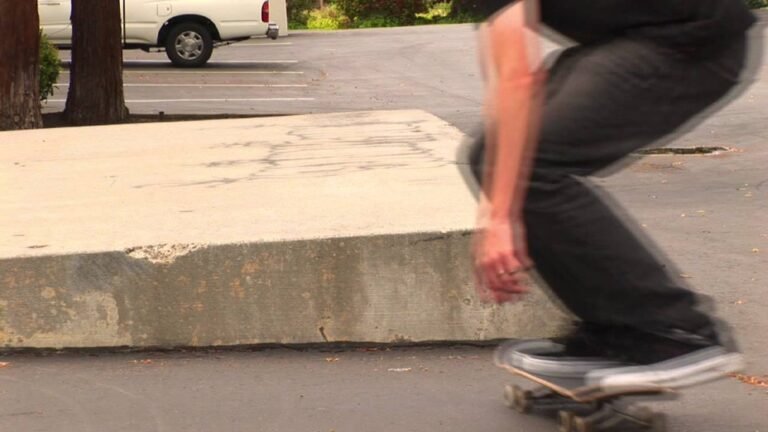
One of the most significant drivers of negative sentiment is the perception of nuisance and property damage. Skateboarders, by the very nature of their sport, utilize ledges, stairs, handrails, and benches, elements of urban design that were not intended for skateboarding. The repeated impact of skateboard decks, trucks, and wheels can lead to scuff marks, chips, and even structural damage to these surfaces over time. While many skateboarders strive to minimize damage, the sheer volume of skating in popular spots can accelerate wear and tear.
This perceived destructiveness is often amplified by media portrayals and anecdotal evidence. A single instance of a skateboarder damaging property can color perceptions of the entire group, leading to a generalization that all skateboarders are vandals. The noise generated by skateboarding, the rattling of boards, the scraping of metal grinds, the impact of ollies, can also be a source of irritation for residents and businesses, particularly in quieter neighborhoods or during early morning or late evening hours.
Clash Of Lifestyles And Public Space Usage
Beyond tangible damage, a fundamental clash of lifestyles and public space usage fuels resentment. Skateboarders often operate outside traditional recreational structures. Unlike organized sports with designated fields or courts, skateboarding can happen anywhere, anytime. This spontaneity, while a core aspect of skate culture, can be seen as disruptive by those who prefer a more orderly use of public spaces.
Plazas and public squares, designed for pedestrian flow and passive enjoyment, can become de facto skate parks when skateboarders congregate. This can make these areas feel less welcoming to non-skaters, leading to complaints about crowds, obstruction, and a general sense of being “taken over.
” The subculture’s aesthetic and attitude, often characterized by a rebellious spirit and a disregard for conventional norms, can also be off-putting to those who value conformity and order. This disconnect in values and behavior creates a breeding ground for intolerance.
Historical Context And Urban Design
The history of anti-skater sentiment is intertwined with the evolution of urban planning and public space design. In the late 20th century, as skateboarding gained popularity, cities began to implement “hostile architecture” or “defensive design” to deter skaters. This included installing metal caps on ledges, adding uneven surfaces, and creating barriers that made skating difficult or impossible. These design choices, while effective in preventing skating, often signaled a broader societal disapproval of the subculture, reinforcing the idea that skateboarders were not welcome.
For instance, the Waterplace Park in Providence, Rhode Island, became a famous spot for skateboarding in the 1990s, attracting skaters from all over. However, due to complaints about noise and perceived damage, the city eventually redesigned parts of the park, adding planters and benches in ways that made it less conducive to skating. This pattern repeated in countless cities, creating a narrative of exclusion that, in turn, can sometimes breed resentment and defiance among skateboarders.
Stereotypes And Misconceptions Fueling The Fire
The negative perceptions of skateboarders are often not based on individual interactions but on broad, ingrained stereotypes and misconceptions. These generalizations paint a picture that rarely reflects the diverse reality of the skateboarding community.
The “vandal” And “delinquent” Label
Perhaps the most persistent stereotype is that of the vandal or delinquent. This image is often fueled by media portrayals in movies and television shows, where skateboarders are frequently depicted as aimless youths causing trouble, defacing property, and engaging in petty crime. While isolated incidents of vandalism do occur, and some individuals within the skateboarding community may engage in such behavior, it is a gross misrepresentation to apply this label to the vast majority of skateboarders.
Many skateboarders are dedicated athletes, artists, students, and professionals who simply find joy and community in their sport. They often spend hours honing their skills, developing discipline, and building friendships through skating. This stereotype ignores the positive attributes of the sport, such as discipline, perseverance, and creativity, which are integral to mastering skateboarding. The benefits of skateboarding extend far beyond mere recreation, contributing to physical fitness, mental resilience, and a strong sense of self-accomplishment.
Misunderstanding Skateboarding Culture
Another layer of misconception arises from a misunderstanding of skateboarding culture. Skateboarding has its own unique language, fashion, art, and social norms. What might appear as disrespectful or rebellious to an outsider, such as loud music played at skate spots, unique slang, or a casual approach to dress and appearance, is often simply the natural expression of a close-knit community.
The emphasis on individual expression and freedom within skate culture can be misinterpreted as a lack of respect for authority or societal rules. However, within the skateboarding community itself, there is often a strong sense of camaraderie, mutual respect, and a shared understanding of unwritten rules. For example, at a popular skate spot, experienced skaters might offer advice to beginners, or skaters might take turns to ensure everyone gets a chance to skate, demonstrating a form of social order that outsiders may not readily perceive. Exploring skateboarding culture explained reveals a rich tapestry of values and practices that are often misunderstood.
The “freeloader” Perception
A less overt, but still present, stereotype is that of the “freeloader”, individuals who use public spaces without contributing to their upkeep or respecting their intended use. This perception is particularly strong when skateboarders are seen congregating in areas like downtown plazas or shopping centers, perceived as using the space for free recreation while potentially deterring paying customers or disrupting the intended atmosphere.
This view often overlooks the fact that public spaces are, by definition, for public use. It also fails to acknowledge that skateboarding can have positive economic impacts. Local skate shops, for instance, thrive on the passion of skaters and contribute to local economies. Furthermore, skateboarding events and competitions can draw crowds and generate revenue. The argument that skateboarders are merely “freeloaders” fails to consider the broader social and economic contributions, however indirect, that the subculture can bring.

Credit: nyskateboarding.com
The Impact On Public Spaces And Community Relations
The tension between skateboarders and the wider community has tangible impacts on how public spaces are designed, utilized, and perceived. This friction can lead to a breakdown in community relations and a sense of exclusion for both skaters and non-skaters.
Designated Vs. Undesignated Spaces
The debate often centers on the use of designated vs. undesignated spaces. Many cities have invested in building dedicated skate parks, aiming to provide a safe and appropriate venue for skateboarding while protecting other public areas. However, these parks are not always sufficient or accessible to all skaters. Some skateboarders prefer the challenge and creativity offered by street skating, while others may find skate parks too crowded, too far away, or not to their liking.
This preference for street skating often leads to conflict in areas not designed for it. Businesses complain about skaters loitering or skating in front of their establishments, and residents express concerns about noise and safety. The perception that skateboarders are deliberately flouting rules and disrespecting private property, even when skating in public areas, can foster significant community resentment.
Safety Concerns And Perceived Risks
Safety concerns are another frequent point of contention. While skateboarding itself carries inherent risks, the perception of risk extends to the safety of others. Skateboarders moving at speed through pedestrian areas can be seen as a hazard, particularly to children, the elderly, or those with mobility issues. The unpredictable nature of skateboarding tricks can also lead to situations where skaters might fall or lose control, potentially causing accidents.
These concerns are valid, and responsible skateboarders do their best to be aware of their surroundings and avoid endangering others. However, the fear of potential accidents, coupled with the visual spectacle of daring tricks, can create anxiety and a negative perception. This is why education on how to teach a kid to skateboard safely, and understanding how to learn skateboarding as an adult with safety as a priority, is crucial for fostering a better understanding of the sport’s inherent risks and how to manage them.
The Cycle Of Exclusion And Defiance
When communities react primarily with bans and restrictions, it can create a cycle of exclusion and defiance. If skateboarders are consistently told they are not welcome in certain areas and are met with punitive measures, some may become more defiant, viewing such restrictions as an attack on their freedom and identity. This can lead to increased instances of skating in prohibited areas or engaging in behaviors that further alienate the wider public.
Conversely, when cities and communities engage with skateboarders, seeking dialogue and exploring solutions like the creation of purpose-built skate spots or the integration of skate-friendly elements into urban design, it can foster a more positive relationship. Understanding the benefits of skateboarding, its role in youth development, physical health, and community building, can encourage a more inclusive approach.
Economic And Cultural Contributions
Despite the negative perceptions, skateboarding is far from being solely a destructive force. It possesses significant economic and cultural contributions that are often overlooked in the discourse surrounding it.
The Skate Industry Ecosystem
The global skateboarding industry is a substantial economic entity. It encompasses a wide range of businesses, from skateboard manufacturers producing decks, trucks, wheels, and bearings, to apparel brands, shoe companies, and retail stores. These businesses create jobs, foster innovation, and contribute to local and global economies. The demand for quality equipment drives continuous improvement in product design and materials. For example, understanding how to choose a skateboard deck involves appreciating the craftsmanship and technology that goes into modern board production.
The health of the industry relies on the passion and dedication of skaters who invest in their hobby. The market for skate gear is diverse, catering to different styles and skill levels, from beginners looking for their first board to seasoned skaters seeking high-performance equipment. Brands like Element and Santa Cruz have built entire legacies on catering to this demand, as explored in reviews like Are Element Skateboards Good? and Are Santa Cruz Skateboards Good?.
Skateboarding As A Creative Outlet And Social Hub
Beyond commerce, skateboarding serves as a powerful creative outlet and social hub. For many, it’s a way to express individuality, develop problem-solving skills, and connect with like-minded peers. Skate parks and popular street spots often become informal community centers where friendships are forged, and a sense of belonging is cultivated. This social aspect is particularly important for young people, providing a positive and engaging alternative to less constructive activities.
The mental health benefits of skateboarding are also increasingly recognized. The focus required to learn tricks, overcome fear, and persevere through falls can significantly boost confidence and resilience. The physical activity itself contributes to overall well-being. Resources like Why Skateboarding is Good for Mental Health highlight these crucial aspects, demonstrating that skateboarding is more than just a pastime; it’s a tool for personal growth.
Cultural Influence And Artistic Expression
Skateboarding’s influence extends into broader culture and artistic expression. Skateboarding has inspired fashion trends, music genres, art, and film. The visual language of skateboarding, the graphics on decks, the photography, the videography, has become a distinct aesthetic recognized worldwide. Many artists and designers have roots in skate culture, bringing its raw energy and creativity into mainstream art.
The history of longboarding, a related discipline, also showcases a parallel evolution of culture and design, often emphasizing flow and exploration. This cultural impact demonstrates that skateboarding is not merely a destructive force but a dynamic contributor to contemporary society, fostering innovation and artistic movements.
Finding Common Ground: Solutions And Strategies
Addressing the “hate for skateboarders” requires moving beyond simplistic blame and embracing proactive solutions that foster understanding and co-existence. The goal is not to eliminate skateboarding but to integrate it more harmoniously into the urban fabric.
Dedicated Skate Facilities
One of the most effective strategies is the development of dedicated skate facilities. Well-designed skate parks can alleviate pressure on public spaces and provide a safe, controlled environment for skaters. These facilities can be designed to cater to various skill levels and styles, from beginner-friendly areas to challenging bowls and street-style obstacles.
However, it’s crucial that these facilities are accessible, well-maintained, and distributed throughout communities, rather than being concentrated in a single location. Engaging skateboarders in the design process ensures that the parks meet their needs and foster a sense of ownership and pride. This collaborative approach can transform potential conflict zones into positive community assets.
Community Dialogue And Education
Fostering community dialogue and education is paramount. This involves creating platforms where skateboarders, residents, business owners, and city officials can communicate openly about their concerns and perspectives. Educational initiatives can help non-skaters understand the culture, benefits, and challenges of skateboarding, while also educating skaters on the importance of respecting public and private property and being mindful of others.
For instance, programs that teach easy skateboard tricks for beginners can also incorporate lessons on etiquette and safety. Similarly, workshops on how to choose a skateboard could include modules on responsible skating practices. When people understand each other’s viewpoints, it becomes easier to find common ground and develop mutually agreeable solutions.
Integrating Skate-friendly Design
Urban planners and architects can play a vital role by integrating skate-friendly design into public spaces. This doesn’t necessarily mean turning every plaza into a skate park, but rather incorporating elements that can be used by skaters without causing significant damage or disruption, while still serving their primary purpose for pedestrians. This might include using more durable materials, designing benches and ledges with rounded edges, or creating small, unobtrusive skate features in parks.
This approach, sometimes referred to as “accommodating design,” acknowledges skateboarding as a legitimate activity and seeks to find practical ways to allow it within the urban environment. It moves away from the purely punitive measures of hostile architecture and towards a more inclusive vision of public space.
Promoting Responsible Skateboarding
Ultimately, promoting responsible skateboarding is a shared responsibility. Skaters themselves must be encouraged to be mindful of their surroundings, respect private property, and adhere to local regulations. This includes understanding where skating is permitted, minimizing noise, and avoiding actions that could damage property or endanger others.
Organizations and skate shops can play a role in disseminating this message. Providing resources on what to wear for skateboarding can also implicitly include advice on safety and preparedness. By fostering a culture of respect and responsibility from within, the skateboarding community can actively work to dispel negative stereotypes and build better relationships with the wider public.
Addressing Common Concerns: A Comparative View
To better understand the issues surrounding skateboarding in public spaces, it’s helpful to compare different approaches and their perceived outcomes.