How to Clean Ski Boot Liners: Easy Steps for Fresh Gear
If you love skiing, you know how important comfortable and dry ski boots are for a great day on the slopes. But after a few runs—or a long season—ski boot liners can start to smell, feel damp, or even lose their shape. That’s because sweat, moisture, and dirt build up inside the liners, which can make your feet cold and lead to foot problems. Many skiers don’t realize that cleaning ski boot liners is just as important as washing your gloves or base layers. Clean liners last longer, perform better, and keep your feet healthy.
This guide explains, in simple steps, how to clean ski boot liners properly without damaging them. It covers what equipment you need, the best cleaning methods, drying tips, common mistakes, and answers to the most frequent questions. If you want your boots to feel fresh all season, read on.
Why Clean Your Ski Boot Liners?
Many skiers only think about cleaning their boots when they start to smell bad. But waiting too long can damage the liners and even your feet. Here’s why regular cleaning matters:
- Reduces odor: Sweat and bacteria cause bad smells. Clean liners stop this problem.
- Improves comfort: Dirt and moisture can make the liner stiff or cause blisters.
- Prevents mold: Moisture trapped inside can grow mold, which is bad for your health.
- Increases liner life: Clean liners hold their shape and cushion longer.
- Better foot health: Clean liners help prevent athlete’s foot and other skin issues.
A 2019 study found that over 70% of ski boot odors come from bacteria in the liner fabric. Regular cleaning removes these germs and extends liner life by up to 30%.
What You’ll Need To Clean Ski Boot Liners
Before you start, gather these basic items. Most are found at home or a local store.
- Mild detergent (no bleach or fabric softener)
- Soft brush (a toothbrush works well)
- Clean towel
- Warm water
- Spray bottle (for spot cleaning)
- Rubbing alcohol (optional, for odor control)
- Vacuum cleaner (optional, for deep cleaning)
- Ski boot dryer or fan (for drying)
Never use harsh cleaners or direct heat. These can break down the liner material and glue.
How To Remove Ski Boot Liners
Most ski boots have removable liners, but the method can vary. Here’s a general process:
- Unbuckle the boot: Open all buckles and loosen the power strap.
- Remove the liner: Pull the tongue forward, then gently wiggle and pull the liner out. Don’t force it, as this can tear the seams.
- Take out footbeds/inserts: If your boots have removable insoles, take them out too. Clean them separately.
If you’re unsure, check your boot’s manual or ask a ski technician. Some liners are glued or fixed in place and shouldn’t be removed by force.
Basic Cleaning: Hand Washing Method
The safest way to clean ski boot liners is by hand. This method works for all types—whether custom-molded or standard.
Step 1: Shake Out Loose Dirt
Hold the liner upside down and gently tap it. Shake out any sand, gravel, or grit that may be inside.
Step 2: Mix Cleaning Solution
Fill a basin or sink with warm water (not hot) and a small amount of mild detergent. Avoid bleach or strong soaps, as these can damage the liner.
Step 3: Scrub Gently
Dip the soft brush in the soapy water. Scrub the inside and outside of the liner, focusing on areas with dirt or stains. For tough spots, spray with water and detergent, let sit for five minutes, then brush again.
Step 4: Rinse Thoroughly
Rinse the liner with clean, lukewarm water. Make sure all soap is removed—leftover detergent can cause irritation or break down the foam.
Step 5: Squeeze And Blot
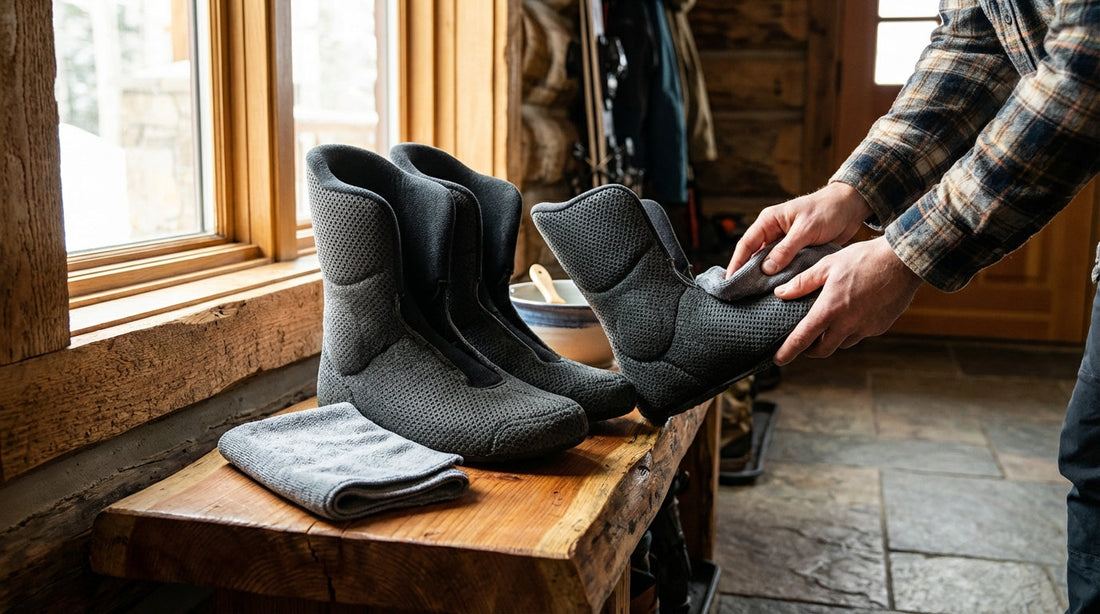
Gently press the liner to remove excess water. Do not twist or wring, as this can deform the foam. Lay the liner on a towel, fold the towel over, and press to absorb more water.
Step 6: Clean The Footbeds
Wash footbeds separately with the same method. Let them air dry completely before putting them back.
Deep Cleaning: Removing Odor And Bacteria
If your liners still smell or feel sticky after basic washing, try these deeper cleaning steps:
- Rubbing alcohol spray: Mix one part rubbing alcohol with three parts water in a spray bottle. Mist the inside of the liner and let it air dry. This kills bacteria and removes odors.
- Baking soda treatment: Sprinkle a small amount inside the liner, leave overnight, then shake out. Baking soda absorbs moisture and smells.
- Vacuum cleaning: Use a vacuum cleaner with a soft brush attachment to remove dust and hair from seams and corners.
Do not soak liners in alcohol or baking soda. Always use a light touch to avoid damaging the foam.
Can You Machine Wash Ski Boot Liners?
Many skiers wonder if throwing liners in the washing machine is safe. In most cases, machine washing is not recommended. Here’s why:
- The agitation can tear seams or distort the liner shape.
- Heat from the dryer can melt glue and foam.
- Detergents can break down materials.
If your boot manufacturer says machine washing is okay (rare), always use a gentle cycle, cold water, and a laundry bag. Never machine dry—air dry only.
How To Dry Ski Boot Liners Properly
Drying is just as important as cleaning. Wet liners can get moldy or lose their shape if not dried correctly.
Best Drying Methods
- Air dry: Place the liners in a warm, ventilated area. Avoid direct sunlight, which can fade and damage materials.
- Ski boot dryer: These devices blow warm (not hot) air inside the liner, drying them in 4–6 hours. Many rental shops use this method.
- Fan: Place a small fan near the liners to increase airflow. This works well in humid climates.
Drying Tips
- Never use a hairdryer, clothes dryer, or heater. High heat breaks down the foam and glue.
- Remove footbeds and let them dry separately.
- Stand liners upright so air can circulate inside.
- Allow 24–48 hours for liners to dry completely, especially if they were very wet.
Common Drying Mistakes
- Leaving liners inside boots: Moisture stays trapped, increasing the risk of odor and mold.
- Placing near a fire or radiator: This can shrink or warp the liner.
Quick Cleaning: On-the-go Solutions
If you’re traveling or don’t have time for a full wash, try these quick fixes:
- Antibacterial sprays: These kill germs and reduce odor, but don’t remove dirt.
- Dryer sheets: Place one inside each liner overnight to freshen the smell. Remove before wearing.
- Sunlight exposure: A few hours in indirect sunlight can kill some bacteria, but don’t leave liners out too long.
Remember, these methods are for emergencies. Regular deep cleaning is still needed.
Special Care For Custom Liners And Heat-moldable Liners
Some high-end ski boots have custom-molded liners made from foam or special materials. These need extra care:
- Always check the manufacturer’s care instructions.
- Never use hot water or strong chemicals.
- Hand wash only, and avoid soaking.
- Air dry away from direct heat.
If the liner is glued or partially fixed to the shell, do not force removal. Spot clean as much as possible.
How Often Should You Clean Ski Boot Liners?
It depends on how often you ski and how much you sweat. As a general guide:
- Recreational skiers: Clean every 5–10 uses, or at least once a season.
- Frequent skiers: Clean every 2–4 uses, especially if you notice odor or dampness.
- After wet days: Always dry and air out liners after skiing in rain or slush.
For best results, dry liners after every use—even if you don’t wash them every time.
Common Mistakes To Avoid
Many beginners unknowingly damage their ski boot liners by making these errors:
- Using hot water: This can shrink or deform liners.
- Using bleach or strong detergents: These break down materials and cause irritation.
- Forcing the liner out: Pull gently to avoid tearing seams.
- Skipping drying: Wet liners lead to odor, mold, and shorter lifespan.
- Ignoring manufacturer instructions: Some liners are delicate or not fully removable.
Ski shops report that up to 40% of liner replacements are due to cleaning or drying mistakes, not just normal wear.
Comparison: Cleaning Methods For Ski Boot Liners
To help you choose the best method, here’s a comparison of common cleaning options:
| Method | Effectiveness | Risk of Damage | Drying Time | Best For |
|---|---|---|---|---|
| Hand Washing | High | Low | 24–48 hours | All liner types |
| Machine Washing | Medium | High | 24–48 hours | Manufacturer-approved only |
| Spot Cleaning | Low–Medium | Very Low | 2–4 hours | Quick fixes |
Hand washing offers the best balance of safety and cleanliness.
Credit: buckmans.com
How Clean Liners Improve Your Skiing Experience
Most skiers focus on boots’ fit and flex but ignore the liner’s cleanliness. Here’s how clean liners can improve your time on the mountain:
- Better warmth: Dry, clean liners insulate better than damp, dirty ones.
- Less foot fatigue: Debris and bacteria can cause rubbing and discomfort, leading to sore feet.
- Longer liner life: Clean liners resist breakdown, saving money over time.
- Hygiene: Reduces the chance of foot infections, especially if you ski often.
A study by the International Ski Federation found that athletes who cleaned their boot liners regularly reported 20% fewer foot problems during long training camps.
Advanced Tips: Extending The Life Of Your Ski Boot Liners
Want to keep your liners fresh and functional for years? These advanced tips go beyond basic cleaning:
- Alternate boots: If you ski often, switch between two pairs. This allows liners to fully dry between uses.
- Use liner bags: Store liners in mesh bags to allow airflow when not in use.
- Apply odor-fighting sprays: Specialized sprays can reduce bacteria growth.
- Inspect regularly: Check for worn areas, loose stitching, or compressed foam. Address problems early to avoid bigger issues.
- Replace footbeds: If footbeds get smelly or lose support, replace them. This is cheaper than buying new liners.
Professional ski racers often have multiple sets of liners, rotating them to ensure each pair dries completely before the next use.

Credit: www.youtube.com
Comparison: Drying Methods For Ski Boot Liners
Here’s how common drying methods compare in terms of speed, safety, and cost:
| Drying Method | Drying Time | Safety | Cost |
|---|---|---|---|
| Air Dry (Room Temp) | 24–48 hours | Very Safe | Free |
| Ski Boot Dryer | 4–6 hours | Safe (if not too hot) | Low–Medium |
| Fan | 8–12 hours | Safe | Low |
| Heater/Fireplace | 2–3 hours | Unsafe (can damage) | Free |
Ski boot dryers are fast and safe but cost extra. Air drying is safest, but takes longer.
Signs Your Ski Boot Liners Need Replacing
Even with good cleaning, ski boot liners don’t last forever. Here’s when to consider new ones:
- Permanent odor: If smell remains after cleaning, bacteria or mold may have penetrated the foam.
- Loss of shape: Liners feel loose or no longer hold your foot securely.
- Cracks or tears: Visible damage on the outer fabric or foam.
- Compressed foam: Liners feel thin and offer less cushion.
On average, ski boot liners last 100–150 days of use. For frequent skiers, that’s about 1–2 seasons. Always check your manufacturer’s recommendations.
Troubleshooting: Dealing With Persistent Odor Or Moisture
If your liners stay smelly or damp even after cleaning, try these solutions:
- Repeat the cleaning: Some odors need several washes.
- Use stronger odor removers: Products made for sports gear can help.
- Dry longer: If the liner is thick, it may need extra drying time.
- Check your socks: Damp, synthetic socks can trap more odor. Use moisture-wicking wool socks instead.
- Store correctly: Never pack wet liners in a closed bag.
If nothing works, replacement may be the best option. Persistent odor can signal mold or bacteria deep inside the foam.
Real-world Example: How A Pro Skier Cleans Liners
Many professional skiers follow strict routines to keep their gear fresh. For example, Olympic skier Anna Segal says she:
- Removes liners after every ski day and air-dries them overnight
- Hand washes liners with gentle soap every two weeks during the season
- Sprays the inside with a 25% alcohol solution after wet days
- Keeps a backup pair for travel or multi-day ski trips
This routine keeps her boots comfortable and odor-free all season, even with heavy use. You don’t need to be a pro to benefit from similar habits.
Eco-friendly Cleaning And Maintenance
If you care about the environment, here are a few eco-friendly tips:
- Use biodegradable, phosphate-free detergents
- Dry liners using air or a fan instead of electric dryers
- Avoid over-washing—only clean when needed
- Repair liners instead of replacing them when possible
For more on eco-friendly gear care, see the EPA Safer Choice program for approved cleaning products.
Frequently Asked Questions
How Do I Know If My Ski Boot Liners Are Removable?
Most modern ski boots have removable liners. Open all buckles and try to pull the liner out gently. If it doesn’t move or feels glued, check the manual or ask a ski shop before forcing it.
Can I Put Ski Boot Liners In The Dryer?
No, avoid household dryers. The heat can damage glue and foam. Use a ski boot dryer or air dry in a well-ventilated area for best results.
What Is The Fastest Way To Dry Ski Boot Liners?
A dedicated ski boot dryer is fastest (4–6 hours). A fan is a good alternative. Never use a hair dryer or direct heat source, as these can damage the liner.
How Do I Remove Stubborn Odors From Liners?
Try a spray of diluted rubbing alcohol or a sports gear odor remover. Sprinkle baking soda inside, leave overnight, then shake out. Persistent odors may need several washes.
How Long Do Ski Boot Liners Last?
With good care, liners last 100–150 ski days. For frequent skiers, that’s 1–2 seasons. Replace when they lose shape, smell, or show visible damage.
Keeping your ski boot liners clean is a small task that makes a big difference. Fresh, dry liners mean warmer feet, better performance, and longer life for your boots. With the right steps, you’ll stay comfortable on the mountain all season long.
Credit: lumioutdoors.com