
The allure of gliding down a snow-covered mountain, carving turns with grace and speed, is undeniable. For many, snowboarding represents the epitome of winter adventure. Yet, when contemplating strapping into a board for the first time, a common question arises: is snowboarding hard or easy to learn? The answer, like a freshly groomed run, is nuanced. It depends on a multitude of factors, from individual aptitude and prior experience to the learning environment and the quality of instruction. While some may find their snowboarding legs almost immediately, others might face a more challenging ascent to proficiency.
This article aims to demystify the learning process of snowboarding. We’ll explore the inherent challenges, the elements that contribute to an easier learning curve, and provide actionable insights for aspiring riders. By understanding what makes snowboarding seem difficult or accessible, you can better prepare yourself for your first day on the slopes and set realistic expectations for your progression.
Key Takeaways
-
- Unique Physical Challenge: Snowboarding presents a distinct physical and mental hurdle, often perceived as harder to learn initially than skiing due to its sideways stance and balance requirements.
- Influencing Factors: Age, athletic background, balance, coordination, and prior board sport experience significantly impact how easily one learns to snowboard.
- Crucial Elements for Success: Proper instruction, appropriate gear, and choosing the right learning environment (gentle slopes, beginner-friendly resorts) are vital for a smoother learning experience.
- Initial Stages: The early phase involves mastering balance, learning to fall safely, and performing basic movements like traversing and “skating,” which can be frustrating but are essential building blocks.
- Progression Path: Learning to link turns, control speed, and eventually tackle more challenging terrain is a journey that requires patience and consistent practice.
- Practical Skills: Beginners should also focus on stance setup, edge control, and how to recover from falls without bracing on their wrists, as these details can speed up progress and reduce injury risk.
The Fundamental Challenges Of Snowboarding
The initial hump for many beginners is the unnatural stance. Unlike skiing, where your feet are independent and facing forward, snowboarding requires you to stand sideways on a single board. This immediately challenges your natural sense of balance and body awareness. Your dominant foot forward (regular) or back (goofy) is a crucial early decision, and it can feel awkward until your body adapts.
Board setup also matters more than many first-timers expect. A comfortable stance width, correctly angled bindings, and properly fitted boots can make the first day feel far less awkward. Rental staff or an instructor can help fine-tune these basics before you ride.
Balance And Body Mechanics
The core of snowboarding difficulty lies in mastering balance on a moving surface. You’re constantly making micro-adjustments to stay upright, especially when transitioning from edge to edge. This requires engaging your core muscles and developing a feel for how your weight distribution affects the board’s movement. The learning curve often feels steep because your body is working against ingrained habits of forward-facing locomotion. The sensation of falling is also more frequent and often more jarring initially, which can be a psychological barrier for some.
Keeping the knees flexed, shoulders aligned with the board, and the upper body calm helps beginners stay stable. Tension in the arms and upper body usually makes balance worse, not better.
The “struggle” Of The First Few Days
Most beginners experience a period often referred to as the “falling leaf” or the “herringbone” struggle. This is where you’re primarily moving sideways down the slope, using the edges of the board to control your descent. It’s a necessary phase, but it can feel slow and laborious.
The frustration often stems from the inability to easily move forward and the constant anticipation of falling. Many beginners find themselves sitting down frequently to rest or regain composure.
That early phase is easier on a gentle bunny hill or magic carpet than on a steep or crowded run. Icy surfaces make edge control harder, while soft, groomed snow is far more forgiving.
Learning To Turn: The Critical Skill
The ability to link turns is what transforms snowboarding from a controlled slide into a fluid dance down the mountain. For beginners, this is the first major hurdle. It involves transitioning from one edge to the other, a process that requires coordinated movement of your hips, knees, and ankles. Understanding how to initiate a turn by shifting your weight and how to control its radius and speed are skills that take time and repetition to develop.
A helpful progression is to master straight glides, side-slipping, toe-side and heel-side traverses, then practice broad S-turns before attempting faster linked runs. This step-by-step approach is what most beginner lessons emphasize.
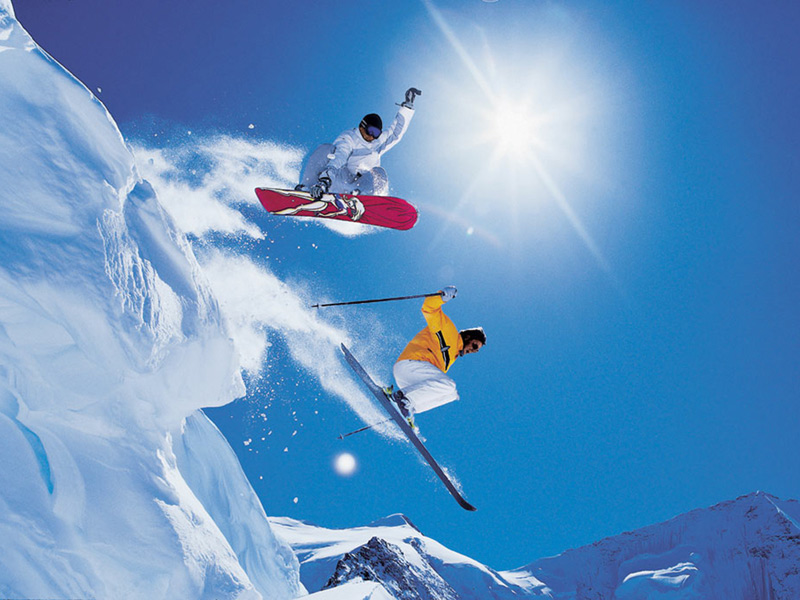
Credit: www.snowskool.com
Factors That Influence Learning Speed
While the inherent challenges are real, several factors can significantly impact how quickly an individual picks up snowboarding. Recognizing these can help aspiring riders prepare and manage expectations.
Age And Athleticism
Age plays a role, though it’s not the sole determinant. Younger children often have better natural balance and are less inhibited by fear, allowing them to pick up snowboarding relatively quickly. Adults, while potentially having more developed coordination, might also have more ingrained physical habits and a greater fear of falling, which can slow initial progress.
Athletic background is a significant advantage. Individuals with experience in other board sports like skateboarding, surfing, or wakeboarding often find snowboarding easier because they are already familiar with the sensation of balancing on a board and the concept of edge control. A strong core and good overall physical fitness also contribute to better stamina and control on the slopes.
Balance And Coordination
Innate balance and coordination are perhaps the most critical personal attributes for learning snowboarding. If you naturally have good proprioception (your body’s awareness of its position in space) and can easily maintain equilibrium, you’ll likely find the initial stages less daunting. Conversely, those who struggle with balance in everyday activities might find snowboarding particularly challenging.
Prior Board Sport Experience
As mentioned, experience with skateboarding, surfing, or wakeboarding provides a substantial head start. The muscle memory and understanding of how to shift weight, use edges, and react to the board’s movement are transferable. For instance, a skateboarder already understands how to “pop” and balance on a moving surface, which directly translates to board control. If you’re considering snowboarding and have this background, you might find yourself progressing through the beginner stages much faster. For those without such experience, it simply means dedicating more time to mastering these fundamental skills.
Quality Of Instruction
The impact of quality instruction cannot be overstated. Learning from a certified instructor, especially during your first few days, can dramatically accelerate your progress and prevent the development of bad habits. A good instructor can break down complex movements into manageable steps, provide personalized feedback, and create a safe and encouraging learning environment. Trying to teach yourself or learning from an inexperienced friend can often lead to more frustration and a slower, more painful learning curve.
Lessons also teach practical safety habits, including how to fall without using your hands, how to stop in control, and when to sit down rather than fight the board while stationary on a slope.
Gear And Equipment
The right gear makes a world of difference. Using a beginner-friendly snowboard that is shorter, softer, and has a narrower waist width can make it easier to maneuver and less intimidating. Properly fitted boots are essential for control and comfort. Rental packages at resorts are usually well-suited for beginners. However, poorly maintained or ill-fitting rental gear can hinder progress. Ensuring your bindings are set up correctly for your stance is also crucial.
Beginners should also consider wrist guards and impact shorts, since wrist, tailbone, hip, and shoulder injuries are common during the learning phase. A helmet is strongly recommended, especially for first-timers.
Learning Environment
The learning environment is paramount. Starting on a gentle, wide, and uncrowded slope (often called a bunny hill or magic carpet area) is vital. These areas are designed for beginners, minimizing the intimidation factor and allowing you to focus on the basics without the pressure of faster skiers or snowboarders. Resorts with dedicated beginner areas and patient staff generally offer a more conducive learning experience.
Clear visibility and soft, groomed snow improve the odds of a successful first day. Avoid icy, crowded, or overly steep terrain until turning and stopping feel automatic.
The Beginner’s Snowboarding Journey: What To Expect
The first few days on a snowboard are often characterized by a series of fundamental steps that build towards more fluid movement. Understanding this progression can help manage expectations and appreciate the learning process.
Mastering The Basics: Getting Up And Moving
The very first skill is learning to get up after falling. This involves getting the board perpendicular to the slope and using your hands and core to push yourself up. Following this, you’ll learn to skate (using one foot out of the binding to push yourself along flat areas) and traverse (moving across the slope using the heel or toe edge). These are the foundational movements that allow you to navigate the mountain without constantly sliding downhill uncontrollably.
Beginners often benefit from practicing one-foot glides and controlled stops on mild terrain before trying longer descents.
Falling Safely And Recovering
Falling is an inevitable part of learning to snowboard. Learning to fall safely is a crucial skill. This often involves trying to fall onto your backside or forearms rather than directly onto your wrists. Equally important is learning to recover from a fall efficiently, getting back onto your feet and resuming your position on the slope. This builds confidence and reduces the fear associated with tumbling.
When possible, tuck the chin, keep the arms in, and avoid catching yourself with straight hands. That simple habit can prevent many common beginner injuries.
The “falling Leaf” Technique
Once you can control your edge, you’ll likely spend time practicing the “falling leaf”. This technique involves sliding down the slope diagonally, alternating between your heel edge and your toe edge, creating a zig-zag pattern. It’s a controlled way to descend and a vital step before attempting to link turns. You learn to control your speed and direction by adjusting the pressure on your edges.
Introduction To Edge Control
The core of snowboarding is edge control. This means understanding how to use the sharp edges of your snowboard to grip the snow. You’ll learn to feel the difference between the heel edge (riding on your heels) and the toe edge (riding on your toes). Mastering the transition between these edges is the key to initiating and completing turns. This phase often involves a lot of practice on gentle slopes, focusing on feeling how the board responds to subtle shifts in weight and body position.
Good instructors usually cue riders to keep their weight centered and to look where they want to go, because the upper body often follows the eyes.
The Transition To Linking Turns
Once you’ve gained some confidence with edge control and the falling leaf, the next major milestone is learning to link your turns. This is where snowboarding starts to feel more fluid and enjoyable.
Initiating And Completing Turns
Linking turns involves smoothly transitioning from one edge to the other. You’ll learn to initiate a turn by releasing pressure on one edge, allowing the board to flatten slightly, and then gently engaging the opposite edge. The hip and knee movement are crucial here; they guide the board through the arc of the turn. Beginners often struggle with completing turns, tending to skid out or stop abruptly. The goal is to create a continuous, flowing motion down the mountain.
Riders often progress faster when they focus on a smooth S-shaped path instead of trying to force the board around.
Speed Control And Carving
As you become more proficient at linking turns, you’ll naturally gain better speed control. Instead of just sliding, you’ll learn to use the shape of your turns to manage your velocity. The ultimate goal for many is to learn carving, where the edge of the board cuts cleanly into the snow, leaving distinct lines. This requires precise edge angle and body positioning, and it’s a skill that takes considerable practice.
Navigating Different Terrain
Once you can comfortably link turns on beginner slopes, the next step is to navigate different terrain. This includes gradually moving to slightly steeper slopes, trying out ungroomed snow (off-piste), and eventually exploring more challenging areas like moguls or powder. Each new terrain presents its own set of challenges and requires adapting your technique. For example, riding in powder requires a different weight distribution and board control than carving on a groomed run.
Advanced terrain should wait until speed control, stopping, and turn completion are dependable on easy runs.
Is Snowboarding Harder Than Skiing? A Comparison
This is a perennial debate among snow sports enthusiasts. While both skiing and snowboarding have their own learning curves, the general consensus is that snowboarding is harder to learn initially, but potentially easier to master in the long run for some.
Initial Learning Curve
-
- Snowboarding: The sideways stance and the need to master balance on a single board make the first few days challenging. Falling is frequent, and basic movements like getting up and moving can feel awkward.
- Skiing: With feet independent and facing forward, the initial balance is more intuitive. Most beginners can make basic pizza (wedge) turns and control their speed relatively quickly.
Progression And Mastery
-
- Snowboarding: Once the fundamentals of edge control and linking turns are grasped, progression can feel quite rapid. The feeling of “gliding” and carving can be very rewarding.
- Skiing: While easy to start, mastering advanced techniques like parallel turns on steep or icy terrain, or developing high-speed control, can also present significant challenges.
Here’s a table summarizing the typical learning experience:
| Aspect | Snowboarding (Beginner) | Skiing (Beginner) |
|---|---|---|
| Initial Balance | Challenging (sideways stance) | Intuitive (forward stance) |
| Falling Frequency | High | Moderate |
| Basic Movement | Awkward (skating, traversing) | Easier (gliding, wedge turns) |
| Linking Turns | Significant hurdle | Achieved relatively quickly |
| Mastery Potential | Can feel more fluid/carvy once learned | Requires advanced technique for speed/steep terrain |
| Gear Complexity | One board, boots, bindings | Two skis, boots, bindings, poles |
The psychological aspect also plays a role. The initial frustration of falling repeatedly in snowboarding can be a deterrent for some, while others are motivated by overcoming this hurdle. Skiing’s more gradual initial progression might feel more encouraging to those who dislike falling.
Tips For A Smoother Snowboarding Learning Experience
To make your journey from beginner to confident rider as smooth as possible, consider these practical tips.
Invest In Good Instruction
As emphasized before, professional lessons are invaluable. A qualified instructor will teach you the correct techniques from the start, significantly reducing the time it takes to progress and minimizing the risk of developing bad habits that are hard to break later. Look for resorts that offer beginner packages that include lessons and equipment.
Choose The Right Gear
Rent beginner-specific gear. This typically means a softer, more forgiving snowboard that is shorter than your height. Ensure your boots fit snugly without being painful; they are your primary connection to the board. Proper fitting is crucial for control and comfort. Don’t hesitate to ask rental shop staff for advice.
Also confirm that your stance angles and binding placement feel natural before heading back onto the lift.
Start On Appropriate Terrain
Always begin on the gentlest slopes available. These are often designated as beginner areas and are usually served by magic carpets or slow-moving chairlifts. Avoid crowded slopes or steep inclines until you are comfortable with basic turns. Patience with yourself is key; there’s no shame in staying on the bunny hill until you feel ready to move up.
Dress Appropriately
Wearing the right clothing is essential for comfort and safety. Layers are best, allowing you to adjust to changing temperatures. Waterproof outer layers (jacket and pants) are a must. Gloves or mittens are critical to keep your hands warm and dry. Consider wearing wrist guards, especially in the early stages, as wrist injuries are common. A helmet is highly recommended for all levels of snowboarding. For more detailed advice, check out what to wear for skateboarding, as many principles for protective gear overlap.
Impact shorts can also help protect the tailbone and hips, especially for adults returning to snow sports after years away.
Practice Balance Off-snow
You can improve your balance and core strength even before hitting the slopes. Practicing on a balance board or doing core-strengthening exercises can make a significant difference. Simple exercises like planks, lunges, and yoga poses can improve your stability and body awareness, which are directly transferable to snowboarding.
Learn To Fall And Get Up Gracefully
Spend time practicing how to fall intentionally and how to get back up on the snow. This reduces the fear of falling and makes the process less jarring. Most instructors will cover this during your first lesson. Mastering this can significantly boost your confidence.
Be Patient And Persistent
Snowboarding is a skill that takes time and dedication to develop. There will be moments of frustration, but persistence is key. Celebrate small victories, like making a clean turn or riding a short distance without falling. Remember why you wanted to learn in the first place and focus on enjoying the process. The mental aspect of learning is as important as the physical.
Case Study: The Adult Beginner’s Snowboarding Curve
Consider Sarah, a 30-year-old who decided to try snowboarding after years of watching friends enjoy the sport. She had no prior board sport experience. Her first day was a true test of patience. She spent most of it on the beginner slope, repeatedly falling while trying to get up and learning the “skating” motion.
The concept of controlling her edge felt alien. By the end of day one, she could traverse the slope but linking turns seemed impossible.
On day two, with a fresh lesson from a certified instructor, things started to click. The instructor focused on her hip movement and weight transfer. She learned to initiate turns by looking where she wanted to go and by subtly shifting her weight.
She managed a few clumsy, wide turns, but they were actual turns, not just sliding. The instructor’s encouragement and clear instructions made a huge difference.
By the end of her third day, Sarah could link several turns down the beginner slope, controlling her speed and stopping with reasonable consistency. She described the feeling as “finally getting it” and was excited to continue practicing. Her experience highlights that while the initial hurdle is significant, with proper instruction and persistence, progress is achievable.
Common Mistakes To Avoid
Even with the best intentions, beginners often make similar mistakes that can slow their progress or lead to frustration.
Not Taking Lessons
Relying solely on friends or self-teaching is a common pitfall. While friends might mean well, they often lack the pedagogical skills to effectively teach snowboarding. This can lead to ingrained bad habits.
Trying To Progress Too Quickly
Rushing to steeper slopes before mastering the basics on gentle terrain is a recipe for disaster. It leads to uncontrolled descents, more falls, and increased frustration. It’s better to perfect your technique on easier slopes before moving up.
Fear Of Falling
While falling is inevitable, an overwhelming fear of it can cause you to tense up, making it harder to balance and react naturally. Learning to fall safely and understanding that it’s part of the process can help alleviate this fear.
Incorrect Stance Or Gear
Having bindings set up incorrectly, or wearing ill-fitting boots, can severely hamper your ability to control the board. Always ensure your gear is set up properly and that your boots are comfortable and supportive.
Not Engaging The Core
Snowboarding requires significant core engagement for balance and control. Beginners often rely too much on their legs and arms, neglecting the powerful muscles in their torso. Consciously engaging your core can improve stability dramatically.
The Long-term Rewards Of Snowboarding
While the learning curve can be steep, the rewards of mastering snowboarding are immense. The sense of freedom, the connection with nature, the physical benefits, and the camaraderie within the snowboarding community are all powerful motivators. It’s an activity that can provide a lifetime of enjoyment and adventure.
The skills you develop, such as balance, coordination, and perseverance, extend far beyond the slopes.
The journey of learning to snowboard is a personal one. For some, it clicks quickly; for others, it’s a gradual climb. The key is to approach it with the right mindset, adequate preparation, and a willingness to embrace the challenges.
With patience and practice, the dream of carving down a mountain on a snowboard can become a reality.
Frequently Asked Questions
How Long Does It Typically Take To Learn To Snowboard?
The time it takes to learn snowboarding varies greatly from person to person. Most beginners can learn to link basic turns on a gentle slope within 2-3 days of consistent practice and instruction. However, achieving a level of proficiency where you can confidently ride intermediate slopes and handle varied conditions can take weeks or months of regular riding.
Factors like age, athletic background, frequency of practice, and quality of instruction all play a significant role.
What Is The Most Difficult Part Of Learning To Snowboard?
The most commonly cited difficult aspect of learning to snowboard is balance, particularly in the initial stages due to the sideways stance. Mastering the transition between heel and toe edges, controlling speed, and learning to link turns smoothly are also significant challenges for beginners. The frequent falling and the physical exertion required in the early days can also be mentally and physically taxing.
Is Snowboarding Harder For Adults Than For Children?
Generally, adults may find the initial learning curve for snowboarding steeper than children. This is often due to children having better natural balance, less fear of falling, and a greater willingness to experiment. Adults might have more ingrained movement patterns, a greater fear of injury, and potentially less flexibility, which can make adapting to the sideways stance and learning new physical skills more challenging. However, adults often possess better cognitive skills for understanding instructions and a stronger determination to learn.
Should I Wear A Helmet When Snowboarding?
Yes, wearing a helmet is highly recommended for all snowboarders, especially beginners. While helmets don’t prevent all injuries, they significantly reduce the risk of serious head trauma. Falls are common when learning, and even a seemingly minor fall can result in a head impact. Many resorts now require helmets, and it’s a crucial piece of safety gear that every snowboarder should invest in.
What Are The Best Conditions For A Beginner Snowboarder?
The best conditions for a beginner snowboarder are cold temperatures with fresh, soft snow on sunny, clear days. Soft snow is more forgiving when you fall and makes it easier to grip with your edges. Avoid icy conditions, as they offer less traction and make falling more painful and turns harder to execute. Clear visibility is also important so you can see the terrain and avoid obstacles. Starting on a groomed, gentle slope is ideal, as it provides a smooth and predictable surface.