Skateboarding Vs Surfing: Ultimate Showdown of Extreme Sports
Are you torn between picking up a skateboard or a surfboard? Both skateboarding and surfing offer thrilling rides, but they challenge your body and mind in very different ways.
Imagine the rush of carving sharp turns on smooth concrete versus the feeling of riding a powerful ocean wave. Which one suits your style, skills, and lifestyle better? You’ll discover how skateboarding and surfing compare—from how easy they are to learn, to the kind of fitness they demand, and even the risks involved.
Whether you’re looking to master tricks on pavement or catch your first wave, understanding these key differences will help you choose your perfect ride. Stick around, because by the end, you’ll know exactly which sport calls your name.

Credit: chicabrava.com
Accessibility & Learning Curve
The ride and technique in skateboarding and surfing offer unique challenges and thrills. Each sport demands a blend of balance, control, and timing. Understanding their mechanics helps riders improve their skills and enjoy the experience more fully.
Skateboard Mechanics
Skateboarding relies on wheels rolling on smooth surfaces. Riders push off the ground to gain speed. Turning happens by shifting body weight and leaning the board. Tricks involve popping the board off the ground and manipulating it mid-air. Balance is key to control the board and land tricks safely. The solid ground provides consistent feedback, helping riders adjust quickly.
Surfboard Dynamics
Surfing uses the power of waves to move the board forward. Paddling builds momentum before catching a wave. Riders must read the water to choose the right moment to stand. Balance shifts constantly as waves change shape and speed. Upper body strength and timing are crucial. The fluid, ever-changing ocean demands quick reflexes and smooth movements. It is a full-body workout requiring endurance and focus.
Surfskate Hybrid
Surfskates combine skateboard wheels with surf-like trucks. This design mimics the carving and turning of surfing on land. Riders can practice surf movements without water. The surfskate’s unique trucks allow sharper turns and fluid motion. It helps build muscle memory for surfing maneuvers. Surfskates offer a bridge between both sports, making them popular for training and cruising. This hybrid style improves balance and flow on pavement.
Ride & Technique
The culture and lifestyle around skateboarding and surfing shape how people experience these sports. Each has a unique spirit that attracts different crowds. These lifestyles influence fashion, music, and social values. Both encourage freedom and creativity but express them in distinct ways.
Exploring the communities and traditions of both reveals their rich backgrounds. Understanding their crossovers shows how they inspire each other over time.
Skateboarding Community
Skateboarding has a strong urban vibe. Skaters gather at parks, streets, and plazas to practice. The community values innovation and pushing limits. Skaters often share tips and tricks openly. They support each other in competitions and casual sessions. Street art and music heavily influence skate culture. It embraces individuality and self-expression. Skaters often form close friendships through shared challenges.
Surfing Traditions
Surfing has deep roots in coastal cultures. It connects people with the ocean and nature. Traditional surfing respects the sea and its power. Many surfers follow unwritten rules about wave sharing. The lifestyle promotes relaxation and harmony. Surfing often involves morning sessions and sunsets. It has inspired its own style of clothing and music. This tradition values patience and respect for the environment.
Crossovers And Influences
Skateboarding and surfing share many similarities. Both require balance, rhythm, and flow. Skateboarding grew partly from surfing techniques on land. Surfskates mimic ocean movements on pavement. Many athletes enjoy both sports to improve skills. Their fashion styles often blend, like board shorts and graphic tees. Music tastes, like punk and reggae, cross over too. These shared influences create a vibrant, mixed culture.
Physical Demands
Choosing between skateboarding and surfing often depends on the locations and environment each sport requires. Both activities have unique settings that shape the experience and skills needed. Understanding where and how each sport unfolds helps riders and surfers appreciate their differences.
Urban Skate Spots
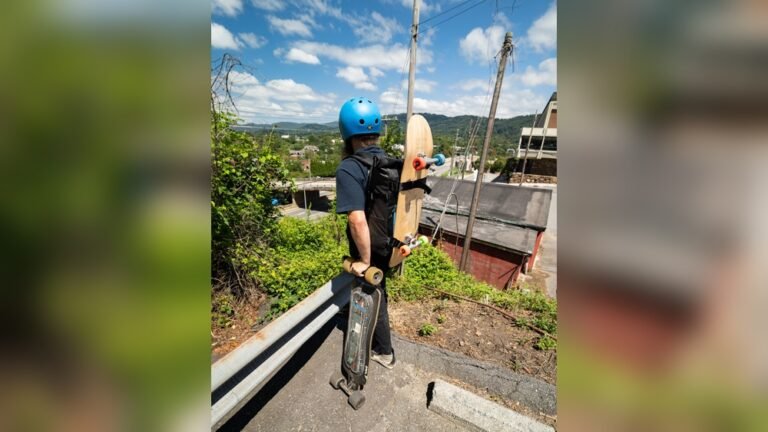
Skateboarding thrives in cities and towns. Smooth sidewalks, empty parking lots, and skate parks serve as perfect playgrounds. Skaters use stairs, rails, and ledges to perform tricks. These urban spots offer accessibility and variety. You can find skate spots almost everywhere, making skateboarding easy to practice daily.
Surfing Beaches
Surfing depends on ocean waves and sandy shores. Coastal beaches with consistent waves attract surfers. Each beach offers a different wave style and challenge. Surfers must travel to the coast or islands to catch waves. The ocean environment shapes the surfing experience and connects riders to nature.
Weather And Conditions
Weather plays a big role in both sports. Skateboarding works best in dry weather with no rain. Wet surfaces can be dangerous and slippery. Surfing relies on wave size, wind, and tides. Calm winds and strong waves create ideal conditions. Both activities require checking the weather before heading out.

Credit: www.youtube.com
Culture & Lifestyle
Skateboarding and surfing both attract millions worldwide. Each sport has unique appeal and distinct communities. Their popularity shifts with cultural trends and media exposure. Fans follow athletes, competitions, and innovations closely. Trends in gear and style also influence participation and visibility.
Global Reach
Skateboarding is popular in cities and towns everywhere. Urban areas offer many skate parks and smooth pavement. Surfing thrives mainly in coastal regions with good waves. Both sports have grown beyond their original homes. They now have strong followings in places like Asia, Europe, and South America.
Media And Events
Skateboarding often features in viral videos and social media posts. Major events like the X Games boost its visibility worldwide. Surfing gets attention through big-wave competitions and surf films. Both sports gained Olympic status recently, raising global interest. Media coverage helps fans connect with athletes and learn new skills.
Future Of Both Sports
Skateboarding and surfing will continue evolving with technology and culture. Electric skateboards and artificial wave pools are changing how people practice. Sustainability efforts are growing in both communities. Youth involvement remains strong, ensuring these sports thrive. Innovation and passion keep skateboarding and surfing relevant for new generations.

Credit: www.youtube.com
Frequently Asked Questions
What Is Harder, Skateboarding Or Surfing?
Surfing is generally harder due to ocean unpredictability, paddling effort, and balance on water. Skateboarding is more accessible and technical but easier to practice anywhere. Both demand skill, but surfing takes longer to learn and requires greater physical endurance.
Is Surfskating Easier Than Skateboarding?
Surfskating feels easier for beginners due to its fluid, surf-like carving on pavement. Skateboarding demands more balance and technical tricks. Both require practice, but surfskating’s learning curve is generally gentler and more accessible on flat surfaces.
What Does 🤙 Mean In Surfing?
The 🤙 emoji in surfing means “hang loose” or “shaka. ” It expresses friendship, gratitude, and a relaxed vibe among surfers.
Does Skateboarding Make You Better At Surfing?
Skateboarding improves balance, coordination, and board control, which can help surfing skills. Surfskating mimics surfing movements more directly.
What Are The Main Differences Between Skateboarding And Surfing?
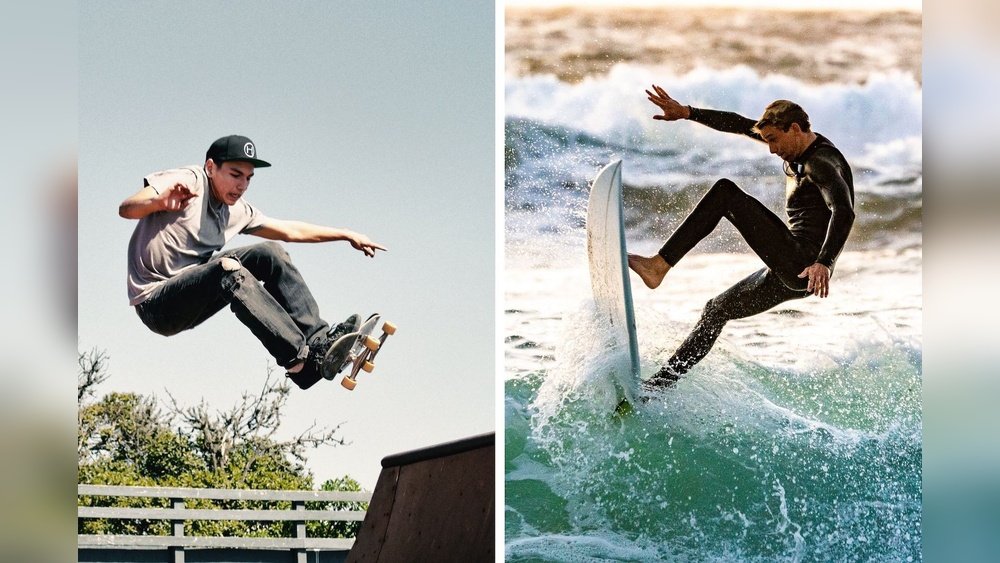
Skateboarding uses a board with wheels on solid ground, while surfing rides waves in water. Surfing requires reading ocean waves, and skateboarding focuses on tricks on pavement. Both need balance but use different muscles and skills.
Conclusion
Both skateboarding and surfing offer unique thrills and challenges. Skateboarding fits urban life with easy access and quick learning. Surfing connects you deeply with nature and demands patience and strength. Each sport builds balance and focus in different ways. Choosing between them depends on your environment and personal taste.
Trying both can improve your skills and bring more fun. Enjoy the ride, whether on pavement or waves.