Longboards for Heavy Riders: Top Picks for Stability and Strength
Longboarding is more than just a fun way to get around—it’s a sport, a hobby, and a community. But for heavy riders, finding the right longboard can be tricky. Not every board is built for extra weight, and a poor choice can mean safety risks, broken boards, or an uncomfortable ride. Whether you’re looking to cruise, carve, or bomb hills, it’s important to know what really matters. This guide will help you understand how to choose the best longboards for heavy riders, what features to look for, and which mistakes to avoid. With real data and practical advice, you’ll be confident in your next purchase.
Understanding Weight Limits And Longboard Strength
Many beginners think all longboards are the same, but weight limits vary a lot. Most standard longboards support riders up to 200 pounds. For heavier riders—those over 220 pounds—choosing the right board is essential to avoid breaking decks or bending trucks.
Why weight matters:
Longboards must handle not just your weight, but also the force from pushing, turning, and landing jumps. If a board flexes too much or cracks, it can cause accidents. According to industry tests, boards for heavy riders are often rated for 250 to 300 pounds.
Non-obvious insight:
Weight ratings are not just about the deck. Trucks, wheels, and bushings all play a role. A strong deck with weak trucks will still fail under heavy loads.
Key Features To Look For In Longboards For Heavy Riders
Choosing a longboard is more than picking a cool design. For heavy riders, some features are much more important than others.
Deck Material And Construction
The deck is the main platform. Heavier riders need:
- Maple wood: Most common, strong, and reliable
- Bamboo: Flexible but less ideal for heavy weight unless layered with fiberglass
- Composite decks: Made with fiberglass or carbon fiber for extra strength
A 7-ply maple deck is standard, but for heavy riders, 8-10 ply is better. Some brands use special laminates to support higher weight.
Deck Shape And Size
Wider decks (over 9. 5 inches) offer more stability. Longer decks (40 inches or more) distribute weight better and reduce flex.
Tip:
Drop-through decks lower your center of gravity, making pushing and braking easier for heavy riders.
Trucks
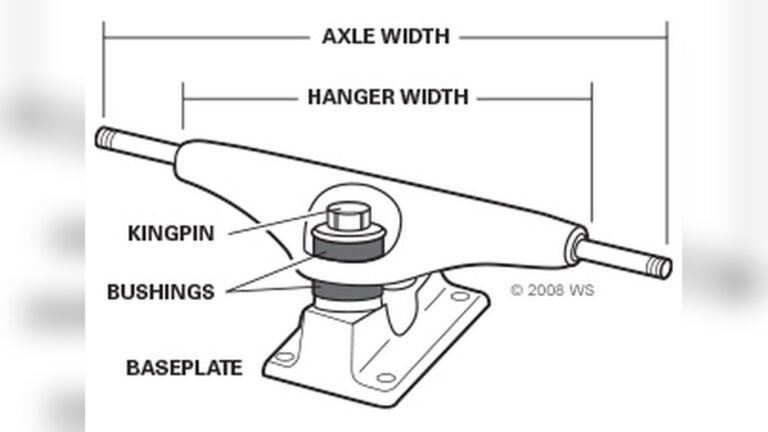
Trucks are the metal parts that connect wheels to the deck. Look for:
- High-quality aluminum trucks
- 180mm width for stability
- Strong kingpins and bushings
Avoid plastic trucks—they will bend or snap under extra weight.
Wheels
Big wheels (70-75mm diameter) with high durometer (hardness) are best. Soft wheels give more grip but wear out faster under heavy loads.
Bearings
ABEC-7 or ABEC-9 bearings roll smoother and last longer. Cheap bearings can break or slow down heavy riders.
Maximum Weight Capacity
Always check manufacturer specs. Some boards are tested to 300 pounds, but many only go up to 220 pounds.
| Deck Material | Average Weight Limit | Flex Level |
|---|---|---|
| 7-Ply Maple | 220 lbs | Medium |
| 10-Ply Maple | 300 lbs | Low |
| Bamboo/Fiberglass | 250 lbs | Medium-High |
| Carbon Fiber | 300+ lbs | Low |

Credit: pantheonboards.com
Best Types Of Longboards For Heavy Riders
Not all longboards are equal. Some are made for tricks, others for cruising or downhill. Here are the best types:
1. Drop-through Longboards
Lower deck, easy pushing, more stable for heavy riders.
2. Double Drop Longboards
Drop-through plus drop deck—lowest center of gravity, best for beginners.
3. Top-mount Longboards
Deck sits above trucks, good for downhill but less stable for heavy riders.
4. Cruiser Longboards
Wide, flat decks, perfect for comfortable rides.
5. Freeride Longboards
Stiff decks, strong construction, can handle higher weights.
Non-obvious insight:
Downhill boards are usually stiff and strong, making them ideal for heavy riders even if you’re not planning to race.
Top Longboard Brands And Models For Heavy Riders
Certain brands are known for strong boards. Here are some standout models:
- Loaded Boards: Known for high weight limits and composite decks.
- LandYachtz: Offers stiff maple boards tested for heavy riders.
- Sector 9: Good selection of 8-10 ply decks.
- Rayne: Premium boards with advanced materials.
Below is a comparison of popular models:
| Brand | Model | Deck Material | Weight Capacity |
|---|---|---|---|
| Loaded | Vanguard | Bamboo/Fiberglass | 250 lbs |
| LandYachtz | Drop Hammer | Maple | 300 lbs |
| Sector 9 | Meridian | Maple | 275 lbs |
| Rayne | Darkside | Composite | 300 lbs |
Tip:
If you’re near the weight limit, consider upgrading trucks and wheels for extra durability.
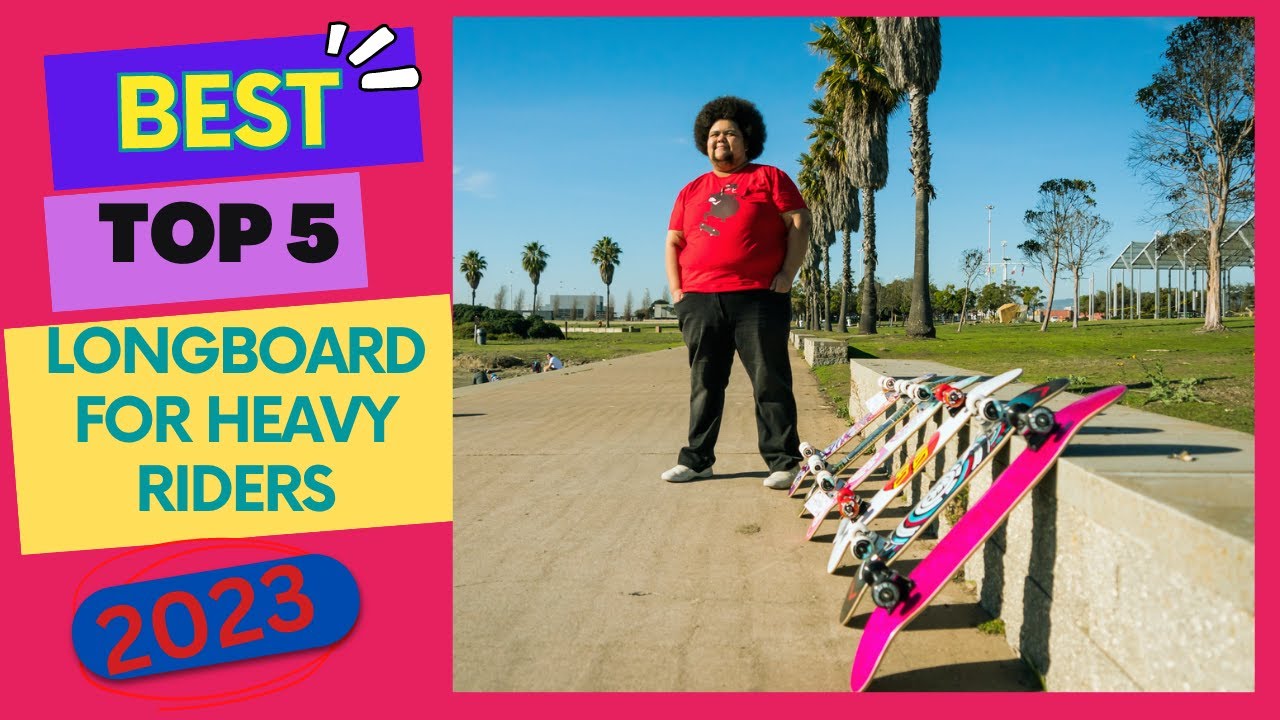
Credit: www.youtube.com
Common Mistakes Heavy Riders Make When Choosing A Longboard
It’s easy to get excited and buy a board based on looks or price. But many heavy riders make mistakes:
1. Ignoring Weight Capacity
Don’t assume all boards are strong. Always check specs.
2. Choosing Flexible Decks
Too much flex is dangerous and can lead to cracks.
3. Using Cheap Trucks
Weak trucks will bend or break under stress.
4. Not Upgrading Wheels And Bearings
Standard parts may wear out quickly.
5. Buying Boards With Narrow Decks
Less stability, harder to balance.
Non-obvious insight:
Some brands list weight limits based only on the deck, not the entire setup. Always check if trucks and wheels are also rated for higher weight.
How To Maintain A Longboard For Heavy Riders
Maintenance is key for safety and performance. Heavy riders put more stress on boards, so regular checks are needed.
Deck Care
- Check for cracks, chips, or delamination every few weeks.
- Clean the deck with a damp cloth to prevent dirt build-up.
Truck And Wheel Inspection
- Tighten trucks and check for bent parts.
- Rotate wheels to avoid uneven wear.
- Replace bushings if you notice reduced turning ability.
Bearing Maintenance
- Clean and lubricate bearings monthly.
- Replace if you hear grinding sounds or notice slower speeds.
Upgrading Parts
Consider upgrading to hard bushings and high-quality wheels every year. This helps maintain performance and safety.
| Part | Upgrade Recommendation | Replacement Frequency |
|---|---|---|
| Deck | Composite/10-ply Maple | Every 2–3 years |
| Trucks | High-grade Aluminum | Every 2 years |
| Wheels | 75mm, 78A Durometer | Every 1–2 years |
| Bearings | ABEC-9 Steel | Annually |
Safety Tips For Heavy Riders
Safety is even more important for heavy riders because broken boards or parts can cause serious injuries.
- Wear a helmet, knee pads, and elbow pads.
- Choose boards with low flex for stability.
- Avoid extreme tricks unless your board is rated for it.
- Ride on smooth surfaces to reduce stress on the board.
- Check your setup before every ride.
Tip:
Heavier riders should avoid steep hills unless the board is designed for downhill—speed can amplify stress on all parts.
Where To Buy Longboards For Heavy Riders
Not all stores carry boards for heavy riders. Look for specialty skate shops, online retailers, or brand websites that list weight limits. Some sites offer custom setups or let you upgrade parts before delivery.
For more data on board materials and construction, visit Wikipedia.

Credit: www.reddit.com
Frequently Asked Questions
What Is The Best Deck Material For Heavy Riders?
Maple wood is most common, but composite decks (carbon fiber, fiberglass) offer extra strength. For riders over 250 pounds, 10-ply maple or composite is safest.
How Do I Know If A Longboard Will Support My Weight?
Check the manufacturer’s specs. Look for boards tested to at least 50 pounds above your own weight. Also check truck and wheel strength, not just deck rating.
Can Heavy Riders Use Electric Longboards?
Yes, but only models rated for high weight. Electric boards add battery and motor weight, so the deck must be extra strong. Check for reinforced decks and heavy-duty trucks.
How Often Should I Replace Parts As A Heavy Rider?
Replace bearings every year, wheels every 1–2 years, and trucks every 2 years. Decks last longer but inspect regularly for cracks or flex.
Are There Specific Brands That Make Boards For Heavy Riders?
Yes. Loaded Boards, LandYachtz, and Rayne offer models tested for 250–300 pounds. Always check specs and reviews for real-world feedback.
Longboarding is for everyone, no matter your size. Heavy riders can enjoy safe, smooth rides with the right equipment and care. By focusing on deck strength, quality parts, and regular maintenance, you’ll get a board that lasts and performs. Avoid common mistakes, follow safety tips, and choose from trusted brands.
With this guide, you’re ready to roll confidently and enjoy every ride.