
Choosing the right skateboard deck can feel overwhelming, especially for beginners. The deck is the flat board where you stand, and it affects how your skateboard feels, turns, and lasts. With so many shapes, sizes, materials, and brands, picking the best deck for your style is important.
A wrong choice can make learning harder or even cause injuries. In this guide, you’ll learn how to select a skateboard deck that fits your needs, skill level, and budget. Whether you’re buying your first skateboard or upgrading to a pro deck, you’ll find clear answers and practical advice here.
Understanding Skateboard Deck Basics
Before you dive into details, you need to know what a skateboard deck is and why it matters. The deck is the main part of the skateboard—the wooden board you stand on. It holds the wheels and trucks, and it’s where you do tricks. Decks come in different widths, lengths, and shapes.
Most decks are made from 7-ply maple wood, which offers strength and flexibility. Some advanced decks use fiberglass or carbon fiber for extra durability, but maple is the standard.
The deck’s size and shape affect your control, stability, and comfort. A deck that’s too big or too small for your feet and style can make skateboarding less fun and more dangerous.
Deck Size: Width And Length
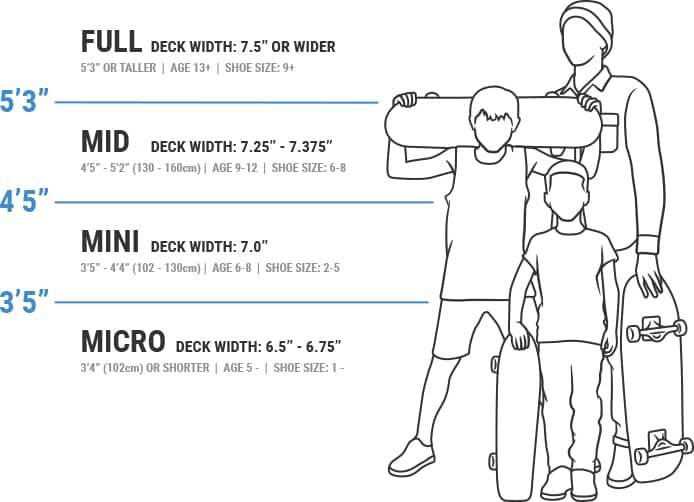
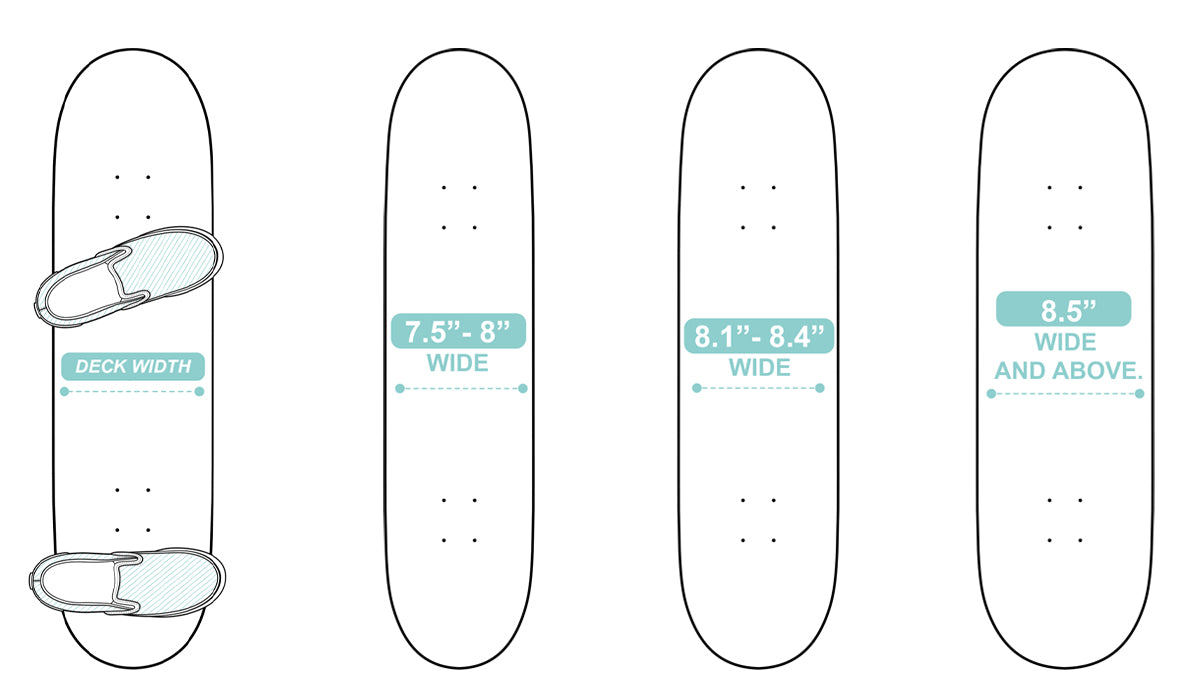
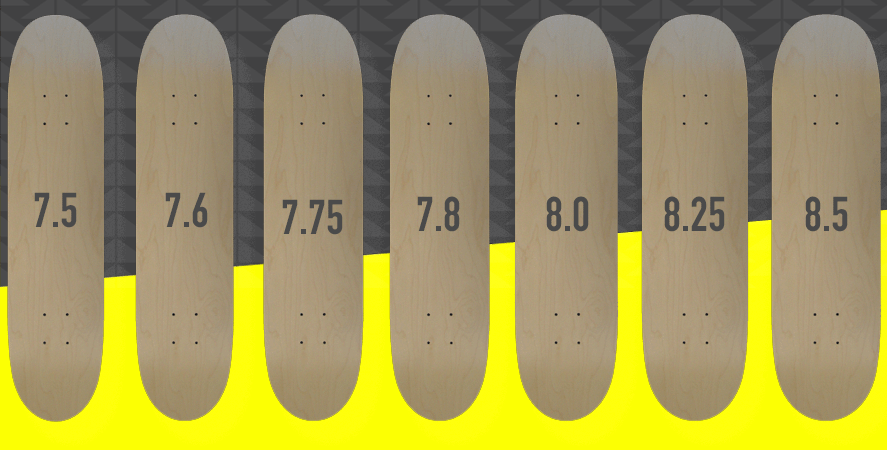
The most important factor for beginners is deck width. Width is measured in inches and ranges from about 7.5″ to 8.5″ for most skateboards.
Choosing The Right Width
- Narrow decks (7.5″–7.75″): Best for younger skaters, people with small feet, or those who do technical tricks like flip tricks. Easier to control for street skating.
- Medium decks (7.75″–8.25″): Good for all-around use—street, park, or ramps. Most adults and teens use decks in this range.
- Wide decks (8.25″–8.5″ and up): Ideal for skating ramps, bowls, or vert. Offer more stability and space for bigger feet.
Here’s a comparison of deck widths and their uses:
| Width (inches) | Best For | Common Use |
|---|---|---|
| 7.5–7.75 | Kids, small feet | Street tricks |
| 7.75–8.25 | Teens, adults | All-around |
| 8.25+ | Large feet, adults | Ramps, bowls |
Deck length is less important for most skaters. Most decks are 31″–32″ long. Unless you’re buying a cruiser or longboard, stick with standard lengths.
Shoe Size And Deck Width
Matching your shoe size to deck width helps you find a comfortable board. Use this guide:
| Shoe Size (US) | Recommended Deck Width |
|---|---|
| 4–6 | 7.5″–7.75″ |
| 7–8 | 7.75″–8.0″ |
| 9–12 | 8.0″–8.5″ |
| 13+ | 8.5″+ |
Deck Shape And Concave
The shape of a deck affects how it feels under your feet. There are three main shapes:
- Popsicle shape: Rounded nose and tail. The standard for street and park skating.
- Old school shape: Wider nose, squared tail. Used for cruising and pool skating.
- Cruiser/longboard shape: Longer and wider, often with a pointed nose. Made for comfortable rides, not tricks.
Decks also have concave—a slight curve from side to side. Concave helps you control the board and do tricks. There are three main concave types:
- Low concave: Flatter, good for stability and cruising.
- Medium concave: Balanced, suits most skaters.
- High concave: Deep curve, helps with technical tricks.
Beginners usually prefer medium concave because it balances comfort and control.
Materials And Construction
Most decks are made from 7-ply Canadian maple. This wood is strong, flexible, and reliable. Some decks use 8-ply for extra strength, but they’re heavier.
High-end decks may include fiberglass, carbon fiber, or bamboo layers. These materials add durability and reduce weight, but they cost more.
Pro tip: Avoid plastic decks unless you’re buying a mini cruiser for very young kids. Plastic doesn’t offer the same control or feel as wood.
Credit: www.tactics.com
Weight And Durability
The weight of a deck matters, especially for tricks. Lighter decks are easier to flip and carry, but very light decks can break faster.
A standard 7-ply maple deck weighs about 2–2.5 pounds. Advanced materials can reduce weight by 10–20%.
Durability depends on construction, material quality, and how you skate. If you land hard tricks, expect to replace your deck more often.
Non-obvious insight: Even small cracks or chips can weaken your deck. Check your board regularly and replace it if you see damage.
Graphic Design And Brand Choices
Decks come with many graphics—pictures and colors under the board. Graphics do not affect performance but can express your personality.
Some brands are famous for quality, such as Element, Powell Peralta, Santa Cruz, and Zero. Others focus on cool designs.
Brand reputation matters: Well-known brands often use better wood and quality control. Cheap decks from unknown brands may break faster.
A good tip: If you’re on a budget, look for blank decks (no graphic). They’re usually cheaper but made by the same factories.
Price Range And Budget
Skateboard decks cost between $30 and $80. Pro models or limited editions can go higher.
- Entry-level decks: $30–$40. Good for beginners, but may not last as long.
- Mid-range decks: $40–$60. Balanced quality and price.
- Pro decks: $60–$80+. Best wood, top graphics, used by professionals.
If you’re new, don’t spend too much. You’ll learn what you like as you skate more.
Common buyer mistake: Buying the cheapest deck without checking the material or brand. Cheap decks often break quickly, costing more in the long run.
Skateboarding Style: Street, Park, Vert, Or Cruise
Your style affects what deck you need:
- Street skating: Small/medium decks (7.75″–8.25″), popsicle shape, medium concave.
- Park skating: Medium decks (8.0″–8.25″), popsicle or old school shape, medium/high concave.
- Vert skating: Wide decks (8.25″+), old school shape, high concave.
- Cruising: Wide, long decks (8.5″+), cruiser shape, low concave.
Example: If you’re learning ollies and kickflips, choose a popsicle deck around 8.0″. If you skate bowls, pick a wider deck with a deeper concave.
Comparing Decks: Data Table
Here’s a quick comparison of deck types by skateboarding style:
| Skate Style | Deck Width | Shape | Concave |
|---|---|---|---|
| Street | 7.75–8.25″ | Popsicle | Medium |
| Park | 8.0–8.25″ | Popsicle/Old School | Medium/High |
| Vert | 8.25″+ | Old School | High |
| Cruise | 8.5″+ | Cruiser | Low |
Where To Buy: Local Shops Vs Online
You can buy decks from local skate shops or online stores. Local shops offer advice, let you feel the board, and sometimes let you test it. Online stores offer more choices and better prices.
If you buy online, check reviews and make sure the shop is reputable. Some shops offer bundle deals with trucks and wheels.
Non-obvious insight: Support local shops when possible. They help build skate communities and give personal advice.
For more information on skateboarding history and deck types, visit Wikipedia.
Credit: oxfordtutors.com
How To Test A Deck Before Buying
If you can, stand on the deck before buying. Place your feet where they’d go while skating. See if the board feels comfortable and stable. Try a few jumps or movements.
Look for:
- Enough space for your feet
- A comfortable curve (concave)
- No wobbling or bending
Ask the shop staff for advice. They often skate themselves and know which decks fit which styles.
Common Mistakes When Choosing A Deck
- Choosing by graphics only: Cool designs are fun, but performance matters more.
- Picking the wrong width: Too wide or too narrow makes skating harder.
- Ignoring concave: Flat decks don’t help with tricks.
- Buying cheap, unknown brands: These decks break faster.
- Not matching deck to your style: Street and vert skating need different boards.
Credit: rizehq.com
Practical Tips For Beginners
- Start with a medium-width deck (about 8.0″)
- Pick a popsicle shape with medium concave
- Choose a trusted brand, even if it costs a bit more
- Don’t worry about graphics, focus on comfort and durability
- Replace your deck if it cracks, chips, or feels unsafe
If you’re unsure, ask other skaters or shop staff for advice. Skateboarders are usually friendly and happy to help.
Frequently Asked Questions
What Size Skateboard Deck Should A Beginner Use?
Most beginners should use a deck around 8.0″ wide. This size fits most shoe sizes and is good for learning basic tricks and riding comfortably.
How Long Does A Skateboard Deck Last?
A deck usually lasts 2–6 months for regular skaters. It depends on how often you skate, your tricks, and how hard you land. If you see cracks or chips, replace it.
Are Expensive Decks Better Than Cheap Ones?
Not always. Expensive decks often use better wood and quality control, but mid-range decks are great for most skaters. Avoid very cheap decks from unknown brands—they break faster.
Can I Use Any Deck For Cruising?
You can, but cruiser decks are more comfortable for long rides. They’re wider and longer, with soft wheels. Standard skateboard decks can cruise, but they’re best for tricks and park riding.
How Do I Know If A Deck Is Real Maple Wood?
Check the product description or ask the seller. Most quality decks will say “Canadian maple” or “7-ply maple. ” Avoid decks that don’t mention wood type or seem unusually cheap.
Skateboarding starts with the right deck. Take your time, test a few boards, and choose what feels best for you. The right deck makes learning easier and skating more fun. If you follow these tips, you’ll avoid common mistakes and enjoy your new skateboard.
20 thoughts on “How to Choose a Skateboard Deck: Expert Tips for Perfect Fit”