Skateboard Vs Snowboarding: Which Thrill Ride Suits You Best?
Skateboarding and snowboarding are two action sports that capture the thrill of movement and balance. Both have their own cultures, tricks, and communities, but they also share some similarities. People often wonder which is easier, more exciting, or safer. Maybe you are deciding which sport to try first, or you simply want to know how they compare.
This guide will help you understand the key differences, the skills needed, and what each sport offers. Whether you dream of riding city streets or snowy slopes, you’ll find useful insights to make your choice clearer.
Origins And Development
Both sports began as ways for people to express themselves and enjoy movement outside traditional activities. Skateboarding started in the 1950s in California when surfers wanted to practice on land. It grew fast, thanks to skate parks, competitions, and street culture. Today, skateboarding is seen everywhere—from city sidewalks to Olympic events.
Snowboarding, on the other hand, began in the 1960s. It was inspired by surfing and skiing, but instead of pavement, riders used snow. At first, ski resorts were slow to accept snowboarders. Over time, snowboarding became popular, especially in the 1980s and 1990s. Now, it is a major winter sport and part of the Winter Olympics.
Both sports changed how people think about action sports. They are not only about tricks; they are about creativity, freedom, and having fun.
Equipment Comparison
Your gear can change your experience, so understanding the basics is important.
| Feature | Skateboard | Snowboard |
|---|---|---|
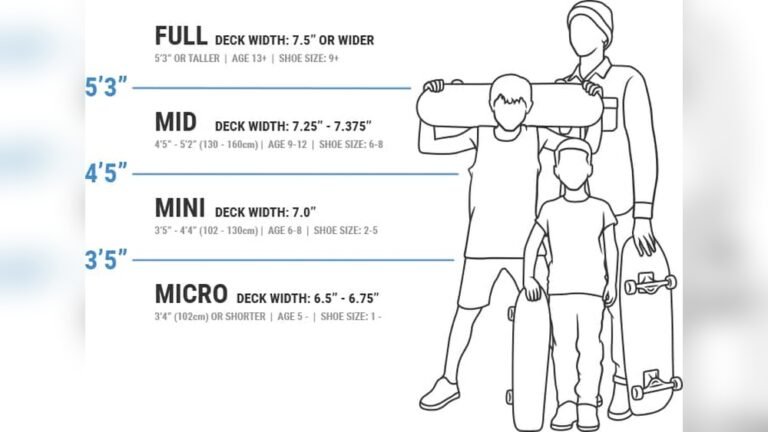
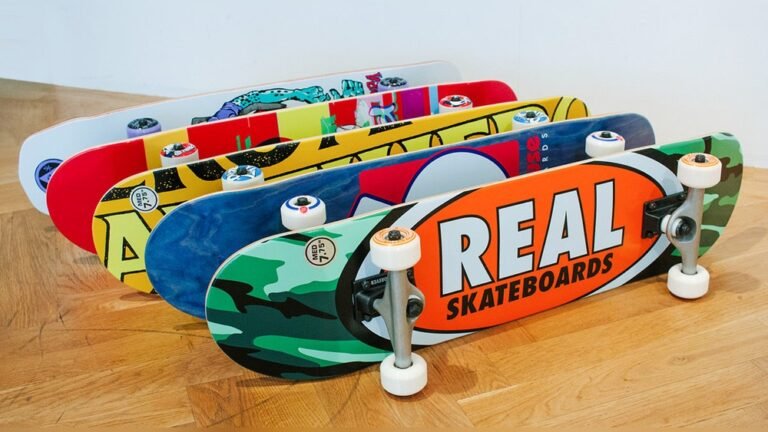
| Main Board | Wooden deck (usually maple), about 7-8 inches wide, 28-33 inches long | Composite board (wood, fiberglass), 8-12 inches wide, 140-165 cm long |
| Bindings | No bindings; feet are free | Boots attached to board with bindings |
| Wheels | Urethane wheels, 50-60 mm diameter | No wheels; rides on snow |
| Shoes | Flat skate shoes | Special boots, insulated and waterproof |
| Safety Gear | Helmet, pads (elbow, knee), wrist guards | Helmet, wrist guards, padded clothing |
Skateboarding needs less equipment and is cheaper to start. You only need a board, shoes, and some protective gear. Snowboarding requires more—board, boots, bindings, clothing, lift tickets, and sometimes lessons. This makes snowboarding costlier and harder to access for many beginners.

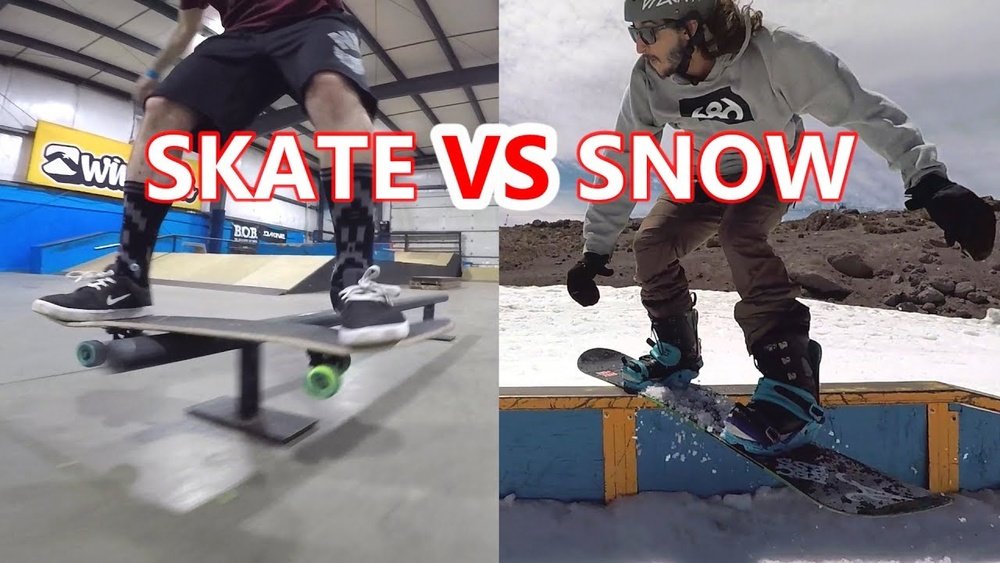
Credit: www.youtube.com
Skill And Learning Curve
Both sports demand balance, coordination, and courage. But the way you learn and progress is different.
Skateboarding
- Balance: You stand sideways and shift weight to steer or do tricks.
- Pushing: One foot pushes on the ground, the other stays on the board.
- Turning: Leaning left or right to carve (steer) or kick-turn.
- Tricks: Jumping (ollie), grinding, flipping, and aerial moves.
Learning to skateboard can be slow. Beginners often fall, scrape knees, and need patience. Mastering simple tricks might take weeks or months. But you can practice anywhere—parks, streets, driveways.
Snowboarding
- Balance: Similar sideways stance, but both feet stay attached.
- Gliding: You slide down slopes, learning to control speed and direction.
- Turning: Using edges (toe-side, heel-side) to carve.
- Tricks: Jumps, spins, slides on rails, and aerial stunts.
Snowboarding has a steep learning curve in the first few days. Many beginners struggle with falls, especially when getting on and off lifts. After you master basic turns, progress is faster and more satisfying. However, you need access to a ski resort, which can make learning harder for some people.
A common insight: many skateboarders find snowboarding easier to pick up, because they already understand balance and board control. But the reverse is not always true—snowboarders may struggle at first with skateboarding’s pushing and free footwork.
Environment And Accessibility
Where you play makes a big difference.
| Aspect | Skateboarding | Snowboarding |
|---|---|---|
| Location | City streets, skate parks, parking lots | Ski resorts, mountain slopes |
| Season | Year-round (unless snow or rain) | Winter (or indoor snow centers) |
| Cost | Low (board, shoes, gear) | High (lift tickets, rentals, travel) |
| Travel | None needed; local spots | Usually need to travel to resort |
Skateboarding is more accessible for most people. You can ride almost anywhere, anytime. Snowboarding needs snow and a mountain, which means limited season and higher costs.
Physical Demands And Fitness Benefits
Both sports are great for health, but they challenge your body in different ways.
Skateboarding
- Leg strength: Pushing, jumping, landing tricks.
- Core stability: Balancing and turning.
- Flexibility: Needed for tricks and falls.
- Cardio: Moderate, depends on skating style.
Snowboarding
- Leg strength: Holding turns, absorbing bumps.
- Core muscles: Essential for stability.
- Endurance: Riding long runs, hiking slopes.
- Balance: Constant adjustment on snow.
Snowboarding burns more calories per hour (about 300–600 for a moderate session) compared to skateboarding (about 250–400). Both sports improve balance, coordination, and confidence. One non-obvious benefit: snowboarding helps build endurance, since you ride longer runs and use more muscles to stay warm and stable.
Culture And Community
The culture behind each sport shapes how people see them.
Skateboarding is known for its urban roots, street art, and music. It’s often seen as rebellious, creative, and independent. Skateboarders form tight communities in local parks and online. Competitions, like X Games and Olympics, show the best tricks and styles.
Snowboarding has a mountain vibe, with a mix of adventure and relaxation. Riders share stories in lodges, enjoy nature, and support each other on the slopes. Events, like the Winter Olympics and freestyle competitions, highlight skill and style.
Both cultures value freedom and self-expression. But one insight many miss: snowboarding communities are often more welcoming to beginners, because resorts offer lessons and encourage group learning. Skateboarding can be harder to break into, since street spots are sometimes crowded or intimidating.
Risk And Safety
Safety is important in both sports, but the risks are not the same.
Skateboarding Risks
- Scrapes, bruises, sprains
- Wrist and ankle injuries
- Head injuries (if not wearing helmet)
- Rare: Bone fractures, dental injuries
Most injuries happen during tricks or falls. Protective gear helps, but many riders skip it. The risk is higher for street skating or ramps.
Snowboarding Risks
- Wrist injuries (common for beginners)
- Shoulder and knee injuries
- Head injuries (especially on icy slopes)
- Rare: Fractures, spinal injuries
Snowboarding falls are often softer (on snow), but speed and obstacles make injuries more serious. Wearing a helmet, wrist guards, and padded clothing reduces risk. Studies show beginners are more likely to get hurt, so lessons and safe slopes are important.
A useful tip: snowboarders should learn how to fall safely—rolling with the fall and avoiding stiff arms can prevent wrist injuries.
Progression And Skill Mastery
How you improve depends on your goals and dedication.
Skateboarding Progression
- Basic riding
- Turns and carving
- Simple tricks (ollie, kickflip)
- Advanced tricks (grinds, aerials)
- Competition level (combos, technical moves)
Improvement is slow but rewarding. You can practice often and see progress in small steps.
Snowboarding Progression
- Getting up and gliding
- Turning (toe-side, heel-side)
- Linking turns smoothly
- Riding steeper slopes, powder
- Tricks (jumps, spins, rails)
- Competition level (freestyle, racing)
Snowboarding’s progression is faster after the first few days. You can ride more confidently and try new terrain. Advanced tricks need practice and lessons.
One insight: snowboarding rewards persistence early on, but skateboarding keeps challenging you with new skills at every level.
Cost Considerations
Money matters when choosing a sport. Here’s a clear breakdown:
| Item | Skateboarding (USD) | Snowboarding (USD) |
|---|---|---|
| Board | $60–$120 | $300–$600 |
| Shoes/Boots | $40–$80 | $100–$250 |
| Safety Gear | $30–$80 | $60–$150 |
| Lift Tickets | $0 | $50–$150/day |
| Lessons | $0–$40 | $50–$200 |
| Clothing | $0–$60 | $100–$400 |
Skateboarding is much cheaper overall. Snowboarding costs more, especially for gear, tickets, and travel. Beginners often miss that used snowboarding gear and off-peak lift tickets can save money—so look for deals if you want to start.
Environmental Impact
Both sports affect the environment, but in different ways.
Skateboarding has a low impact. Boards are made from wood, wheels from urethane, but most riding happens in cities. Some brands use recycled materials.
Snowboarding depends on ski resorts, which use energy for lifts, artificial snow, and buildings. Resorts can affect local wildlife and forests. Many resorts now use green energy and eco-friendly practices.
If you care about the environment, look for sustainable gear and support eco-friendly resorts or skate brands.

Credit: www.boardoftheworld.com
Which Sport Is Right For You?
Choosing between skateboarding and snowboarding depends on your interests, location, and budget.
- Try skateboarding if you want a cheap, easy-to-access sport, enjoy urban culture, and like to practice often.
- Try snowboarding if you love mountains, winter, adventure, and don’t mind higher costs and travel.
Some people do both. Skills transfer between sports, and each offers a unique thrill. Still unsure? Try a lesson or rent gear first—many shops offer trial sessions.
If you want more details about both sports, check out this Action Sports resource.
Frequently Asked Questions
Is Skateboarding Easier To Learn Than Snowboarding?
Most people find skateboarding harder at first, because it needs balance while pushing and turning. Snowboarding is tough for the first few days, but once you learn to turn, it gets easier. If you have experience with board sports, you may learn faster.
Can You Use Skateboarding Skills In Snowboarding?
Yes. Balance, stance, and board control transfer well. Many skateboarders pick up snowboarding quickly. But snowboarding uses both feet locked in, so some techniques feel different.
Which Sport Is Safer For Beginners?
Both have risks, but snowboarding often leads to wrist injuries and more serious falls. Skateboarding usually causes scrapes and minor injuries. Using proper gear and taking lessons improves safety in both.
How Much Does It Cost To Start Skateboarding Or Snowboarding?
Skateboarding costs about $150–$300 for gear and safety equipment. Snowboarding can cost $500–$1,000 or more, including gear, clothing, and lift tickets. Renting and buying used gear can help reduce costs.
Do Skateboarding And Snowboarding Have Similar Cultures?
They share values like creativity and freedom, but skateboarding is more urban and independent. Snowboarding is mountain-based and has a social, relaxed vibe. Both welcome new riders, but snowboarding communities often support beginners more.
Choosing between skateboarding and snowboarding is about finding what fits your style, budget, and environment. Both sports offer excitement, challenge, and community. Try both if you can—your favorite might surprise you.

Credit: www.ridingboards.com